-
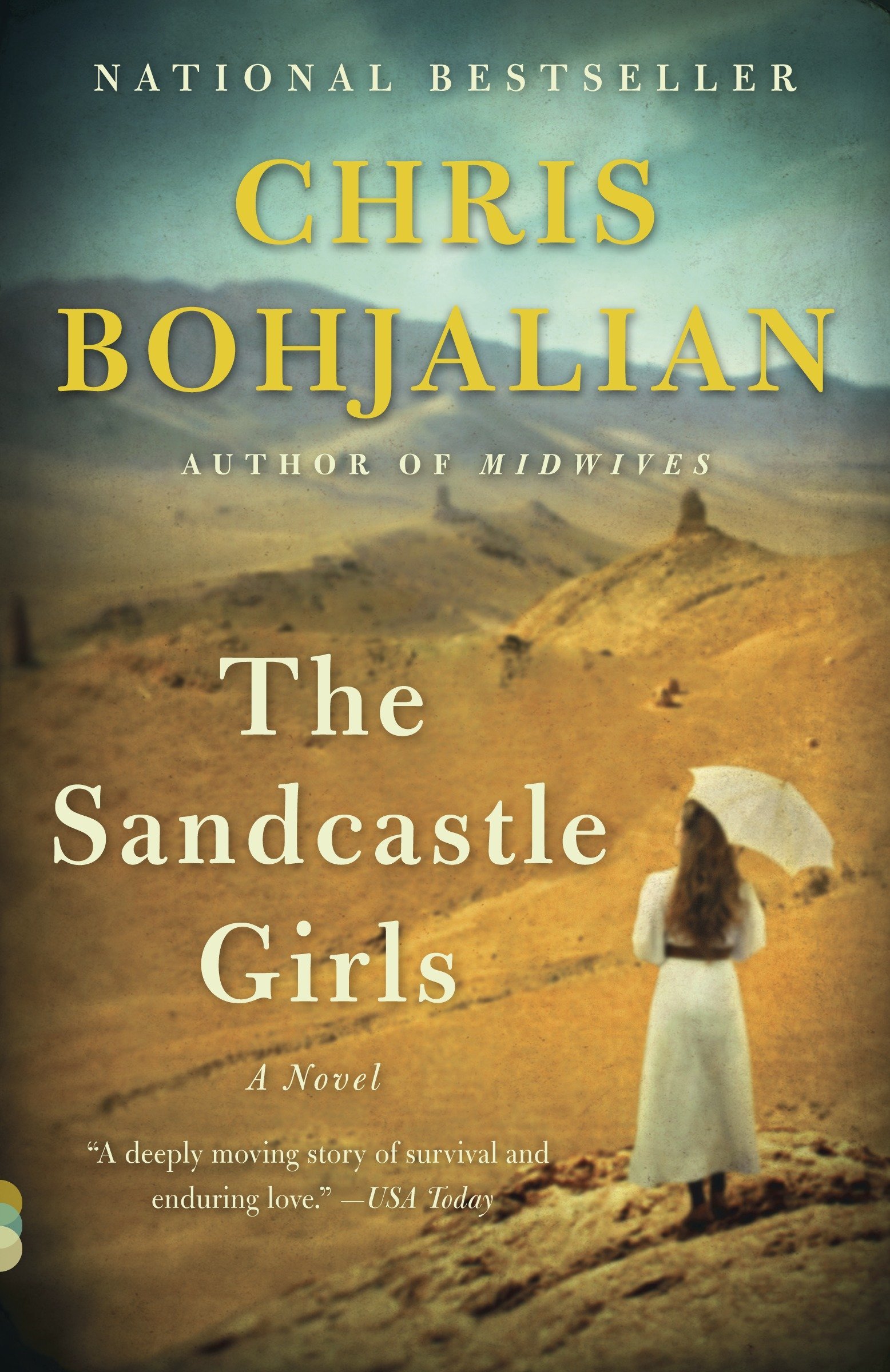
The Sandcastle Girls by Chris Bohjalian
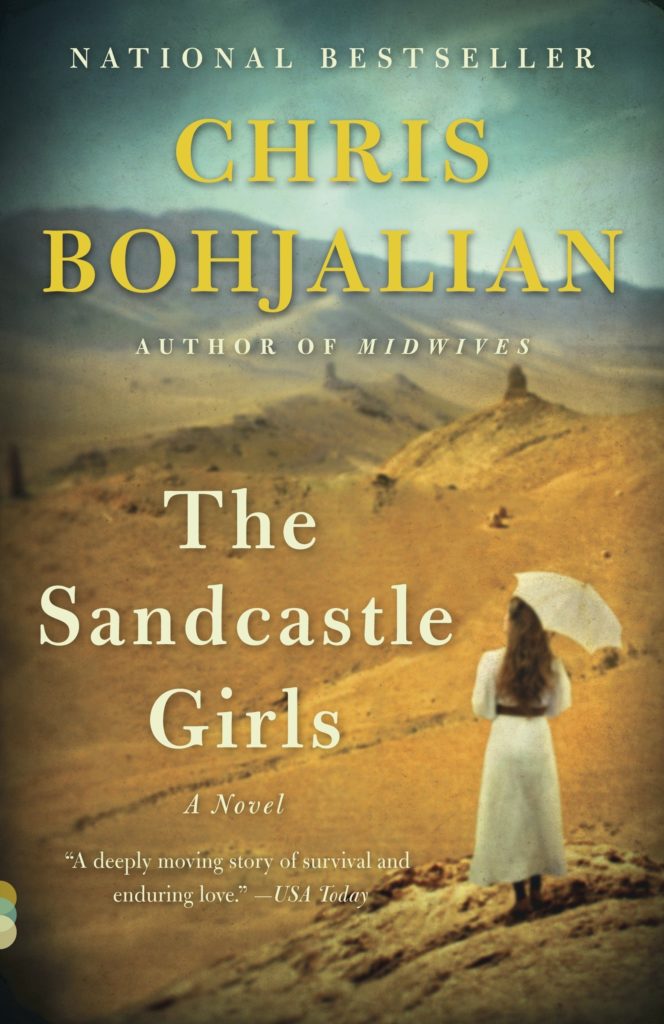
Here at Book Barmy headquarters, we are thrilled when a friend gives us a book they enjoyed, especially when it comes with their review and backstory.
Such was the case with The Sandcastle Girls. My friend included a note with the book which told of her friendship with with a daughter of Armenian immigrants and how this story is about a little-known chapter of Middle-Eastern history.
Mr. Bohjalian has taken this little known, but horrific piece of history — the killing of thousands of Armenians by Turks in 1915, and used it as the backdrop for a love story of two very different people who meet in Aleppo (modern-day Syria) — the Ottoman Empire during World War I.
Aleppo served as a way-station for refugees who had already been marched through the desert with no food or water. Americans, Brits and others, including some Muslims, ministered to them and tried to save lives during the refugees’ brief respite before they were marched out into the desert yet again – to a camp which almost guaranteed their eventual deaths. In Aleppo, Elizabeth Endicott, is a young, wealthy woman from Boston who, with her father, is administering aid to the refugees. She falls in love with Armen Petrosian, an Armenian engineer searching for his wife and infant daughter who have been rounded up by the Turks.
The Sandcastle Girls interweaves of the story of Elizabeth and her father Silas, along with others in Syria to aid the refugees along with the secondary story of their granddaughter Laura who is researching information about her grandparents.
In the early pages of this novel, Laura sets the stage for this undiscovered story of her grand-parents:
Nineteen-fifteen is the year of the Slaughter You Know Next to Nothing About. If you are not Armenian, you probably know little about the deportations and the massacres: the death of a million and a half civilians. Meds Yeghern. The great crime. It’s not taught in school, and it’s not the sort of thing most of us read before going to bed. And yet to understand my grandparents, some basics would help. (Imagine and oversized paperback book with a black-and-yellow cover. The Armenian Genocide for Dummies.)
Through vivid detail the author takes us to the dry, harsh deserts of death, and into the protected circle of the American compound in Aleppo. From there we are brought back to America, and the pieces of the family puzzle come together through long forgotten details, sadness, love and finally understanding.
Mr. Bohjalian gives us a well-paced story line with his characters’ stories and their relationships. However, I found that the sections detailing the actual history of war, were interesting, but slow reading — I had to force myself to carry on and often put it away to read something else.
That is not the only reason why it has taken me so long to finish this book, this is a difficult and oftentimes disturbing book about the atrocities and horrors of this great crime — a genocide that is still impossible to discuss in today’s Turkey, where denial is the rule.
In a burst of resolution the other evening, I finally finished it and have to say The Sandcastle Girls is well worth reading even with the troubling content. Such historical fiction like Mr. Bohjalian’s is important – because it reaches readers like myself who learn of the past through stories told.
N.B. I wish I were a reader of history tomes, I want to be, but the David McCulloughs sit on my shelf, unread to this day. Maybe, like poetry, I will venture in…
-
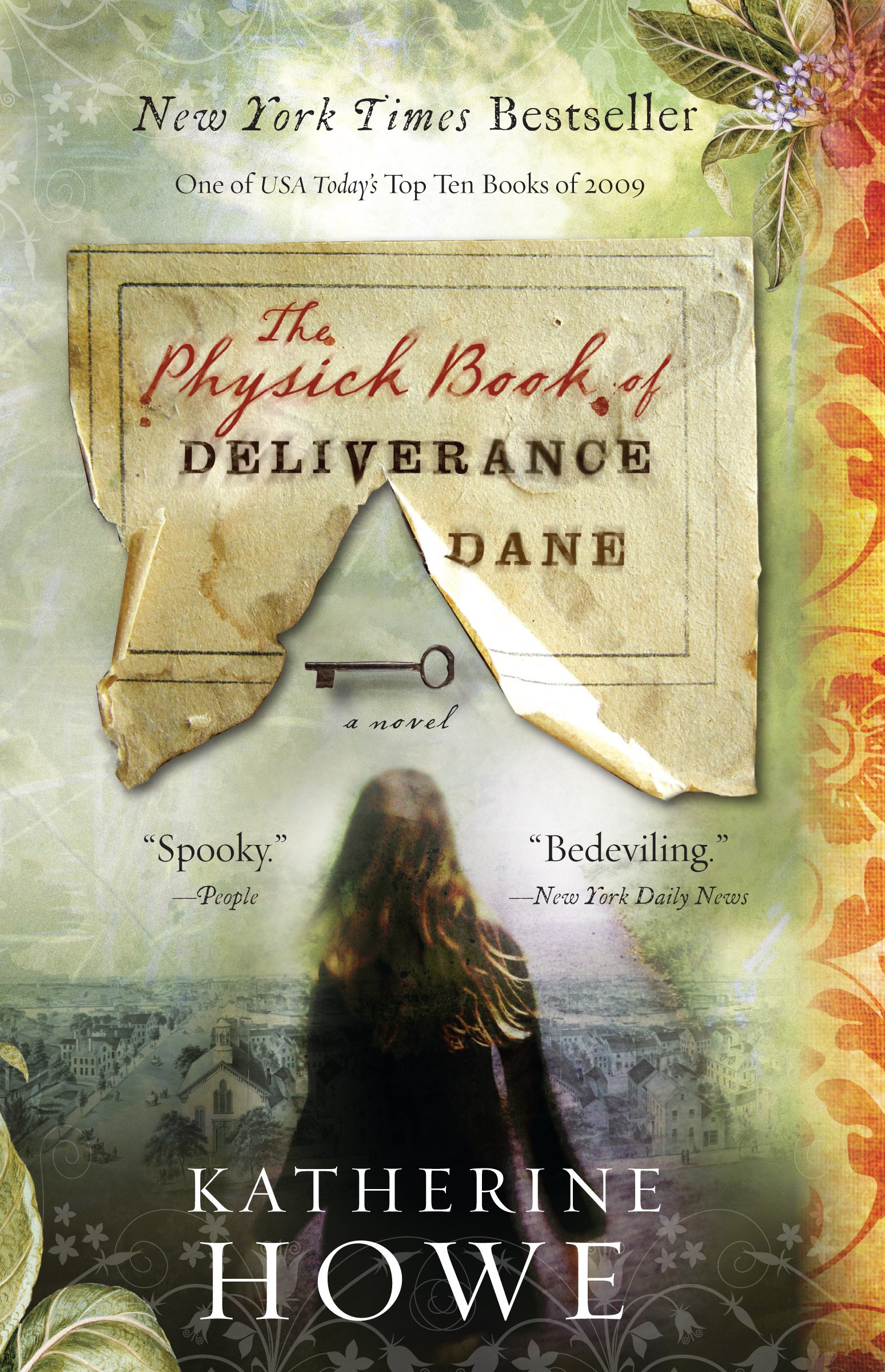
The Physick Book of Deliverance Dane
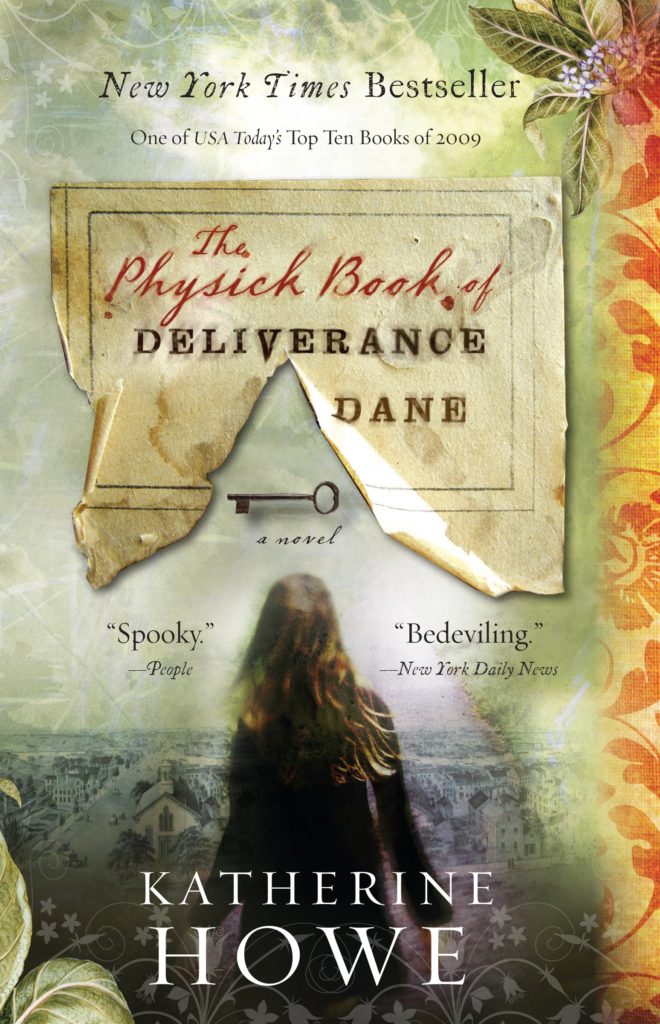
This book has been on my shelf for years, I pulled it down the other day, trying to remember where I got it (I can’t). and decided to give it a go.
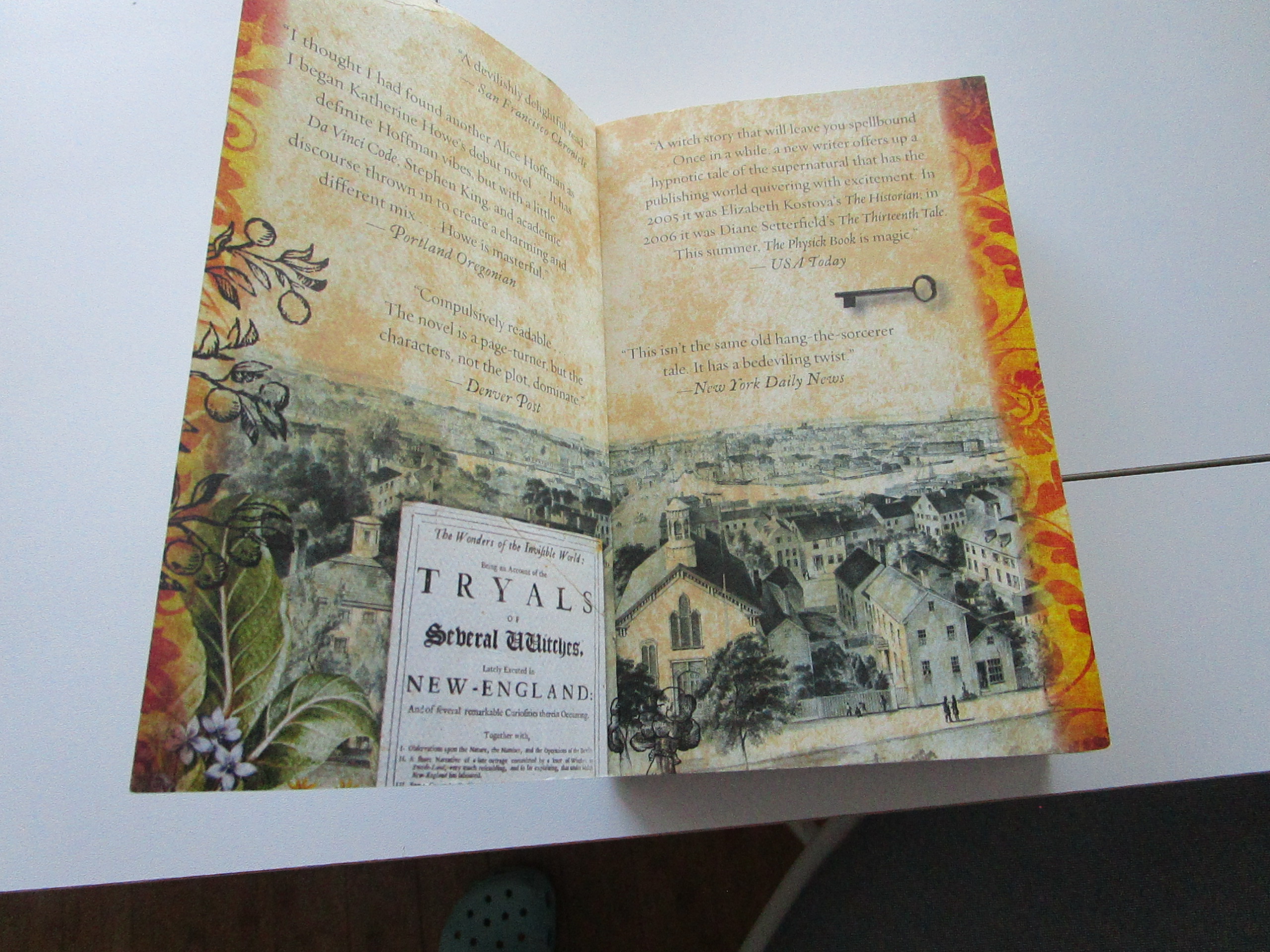
Its a beautifully printed book with deckled edges and a stylish cover with an illustration of colonial Salem, Massachusetts inside. One of those books that is a pleasure to have in the hand.
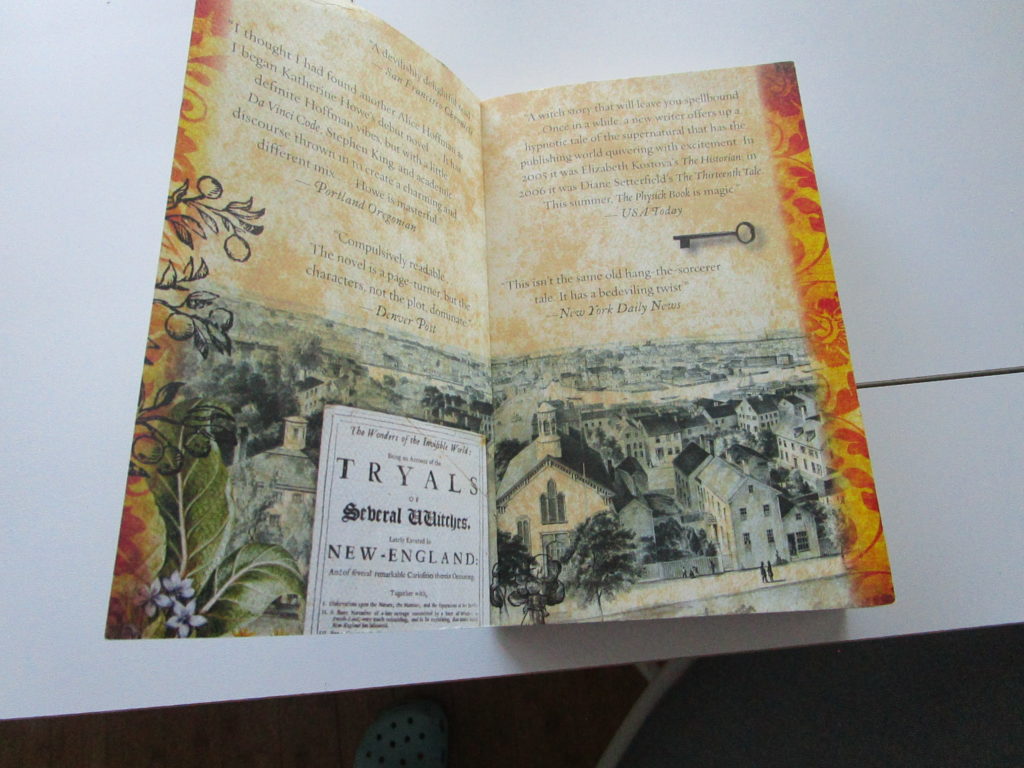
From the book blurb:
Harvard graduate student Connie Goodwin needs to spend her summer doing research for her doctoral dissertation. But when her mother asks her to handle the sale of Connie’s grandmother’s abandoned home near Salem, she can’t refuse. As she is drawn deeper into the mysteries of the family house, Connie discovers an ancient key within a seventeenth-century Bible. The key contains a yellowing fragment of parchment with a name written upon it: Deliverance Dane. This discovery launches Connie on a quest–to find out who this woman was and to unearth a rare artifact of singular power: a physick book, its pages a secret repository for lost knowledge.I loved the concept of a physick book (a book of herbal remedies aka a spellbook) being uncovered in modern times with flashbacks to the Salem Witch trials of 1692. There’s intrigue — stir in sinister people who want to acquire the book, and you’ve got a potential of a historical mystery adventure to enjoy.
The author, Katherine Howe, is descended from an accused witch in Salem and had another relation who died there — so she is ideally qualified to create such a story.
I gobbled up the beginning — the set up was intriguing, an old crumbling house, Connie, a PhD student doing research on the Salem witch trials, and discovering the story of Deliverance Dane, an herbal healer in Salem, 1692 — who, of course was suspected of being a witch.
Then just over 100 pages, the plot become light-weight and the book ventures into a romance. Connie meets and falls for Sam, a colonial preservationist and his work could have been a fascinating component to her research – but instead he is a shallow, undeveloped character.
Also annoying, while Connie is searching for the psysick book the clues become blatantly obvious. This reader found it hard to believe that an American colonial history PhD candidate wouldn’t be oblivious to these clues and be much further ahead in her quest. Then as I was still turning the pages, I laughed out loud when Connie has the revelation that her real name was Constance. Did she really not know the origins of her nickname of Connie?
Ms. Howe’s attempts to have some of the characters speak with a Boston accent are fingernails-on-a-chalk-board irritating. And the house — the crumbling house — well Connie doesn’t do anything to clean up this vermin infested house – yet she seems to keep living in it throughout.Even with all these faults, I did find the chapters about Deliverance and her ordeal in early Salem interesting. Those parts of the book give a picture of the harshness of colonial life, and the level of ignorance and superstition that prevailed.
Full disclosure, I did not finish this book which I really wanted to like, but it just fell apart for me. The Psysick Book of Deliverance Dane was published back in 2009 and is the author’s first novel with first-novel flaws. I admire any author’s struggles to write, complete, and finally get a book published. Ms. Howe has since written several other novels since this one — it seems to me she has potential. I may try a more recent book to see how she has grown as a writer.
-
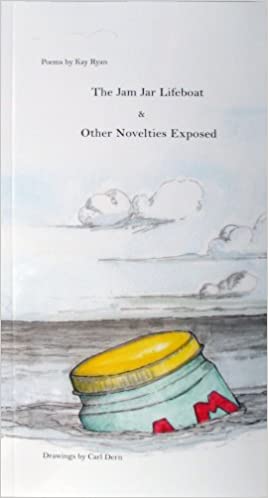
The Jam Jar Lifeboat by Kay Ryan
The other rainy evening I decided to peruse my sparse collection of poetry books with a goal of introducing more poetry into my other reading.
You see, I’m not a poetry reader, I often don’t understand it — at all. The Jam Jar Lifeboat is an exception. I went to see Ms. Ryan read from this collection shortly after she was named Poet Laureate of the United States (!) in 2008. I found her heart-warming and funny.
The Jam Jar Lifeboat and Other Novelties Exposed is a strange, yet humorous poetry collection. Each of the fifteen poems are Ms. Ryan’s response to a randomly selected entry in Ripley’s Believe It or Not!. Playful and darkly witty, they explore the oddities of life.
“The Walking Stick Insect” is one of my favorite:
The Walking Stick Insect — of South America often loses an antenna or leg – but always grows a new appendage. Often nature makes a mistake and a new antenna grows where the leg was lost. (Ripley’s Believe It or Not!)
Eventually the
most accident-prone
or war- weary
walking sticks
are entirely
reduced to antenna
with which they
pick their way
sensitively,
appalled by
everything’s
intensity
I remember this collection of poems very well and they made me smile then and once again during my re-reading that rainy night. As an added bonus, the poems are accompanied by delightful full color illustrations by Carl Dern.
In case you’re wondering about the title — one of poems in this collection is based off another Ripley’s tidbit about a man who invented a jam jar life boat which instantly sank the first time – you’ll just have to read it.
Ms. Ryan held the U.S. Poet Laureate position for two terms, using the appointment to champion community colleges like the one in Marin County where she teaches.
Ms. Ryan helps us see the miraculous in the every-day. These poems bring the freaky, outlandish and extreme down to earth with Ryan’s signature pith and wit. Her poems are funny and winsome — and most importantly very accessible. This slim volume may be hard to find, but every library should have a copy — somewhere — The Jam Jar Lifeboat is well worth searching out.
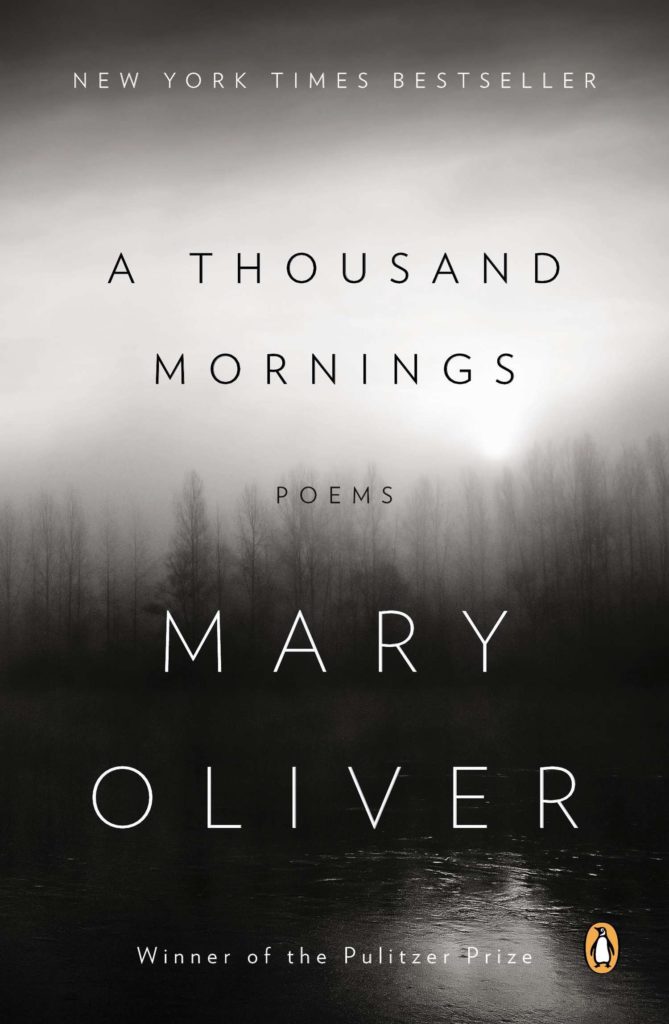
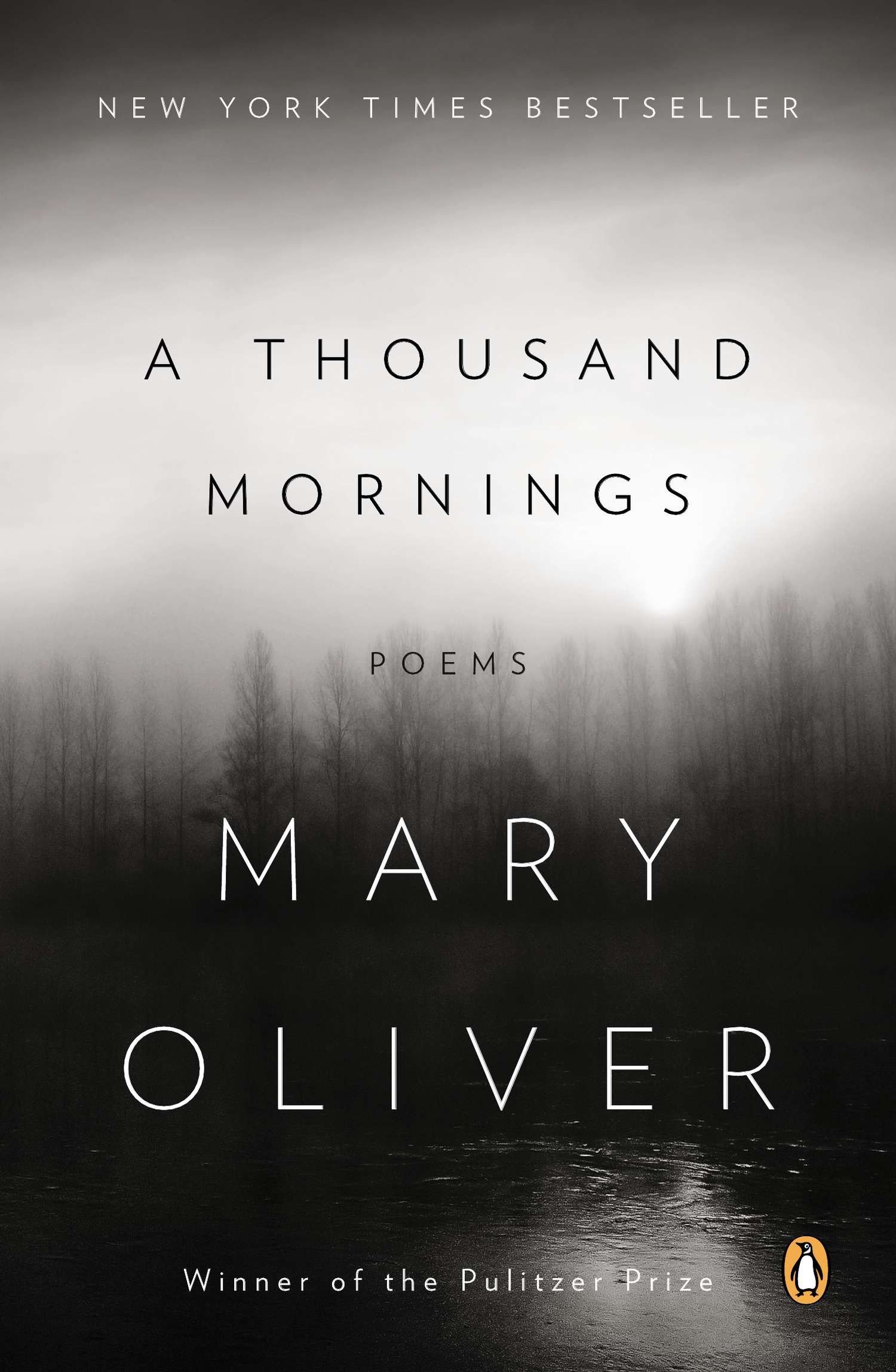
N.B. The other poet I find accessible is anything by Mary Oliver – I’ve only dabbled into the two of her books in my tiny collection, so have decided to read this one — could be my gateway into reading more poetry.
Any one have other suggestions for accessible poetry for a fledgling?
-
From the Ground Up by Amy Stewart
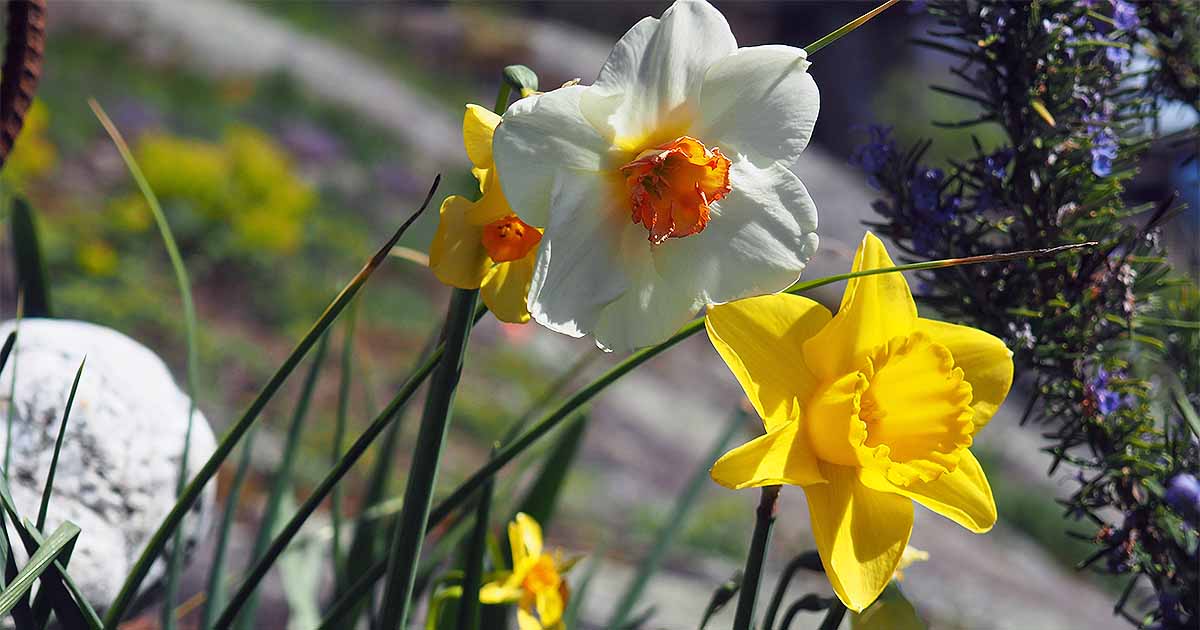
With apologies to those in colder climes, spring has come to our little garden. The daffodils are up and earlier this year, we let our seven year old friend plant our bulbs wherever he wanted. The result is a lovely madness of blooms. Bunched together in some spots and varieties mixed together willy-nilly. Makes me smile with delight.*
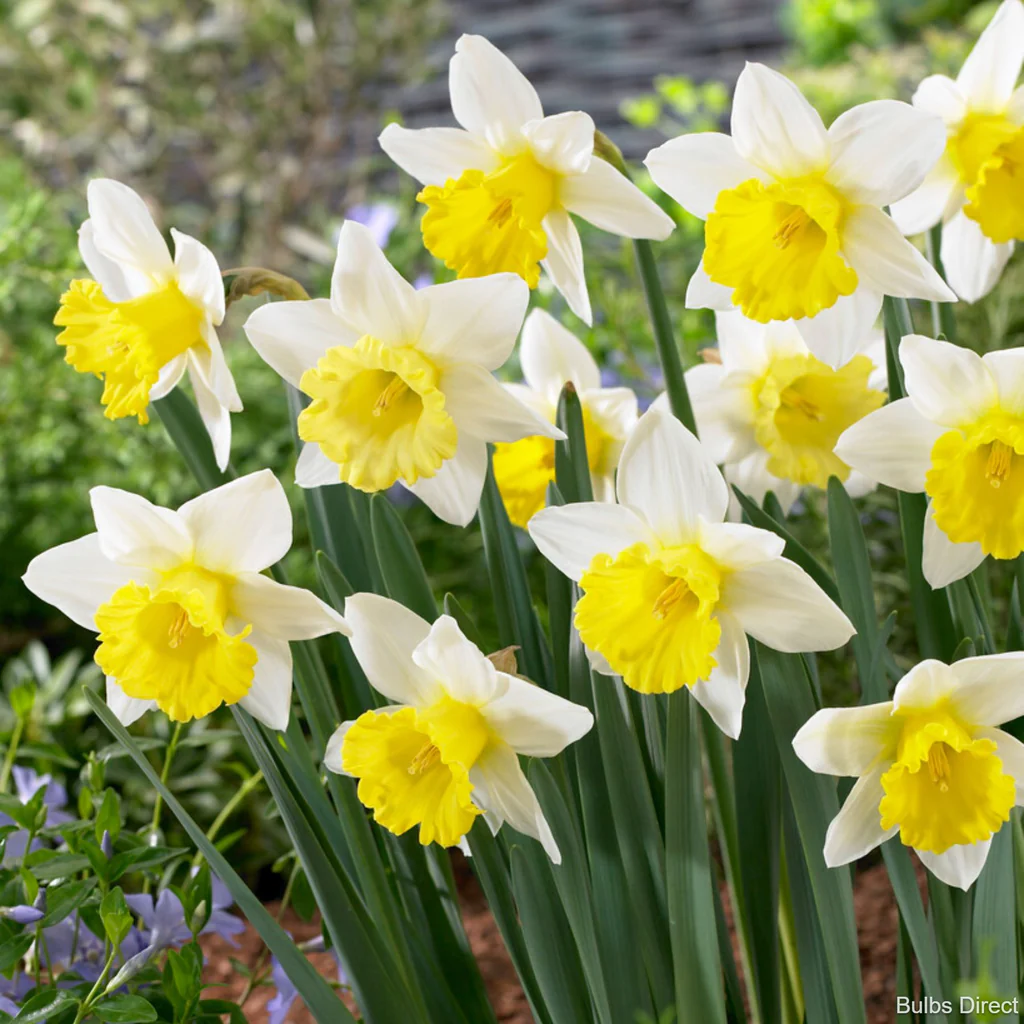
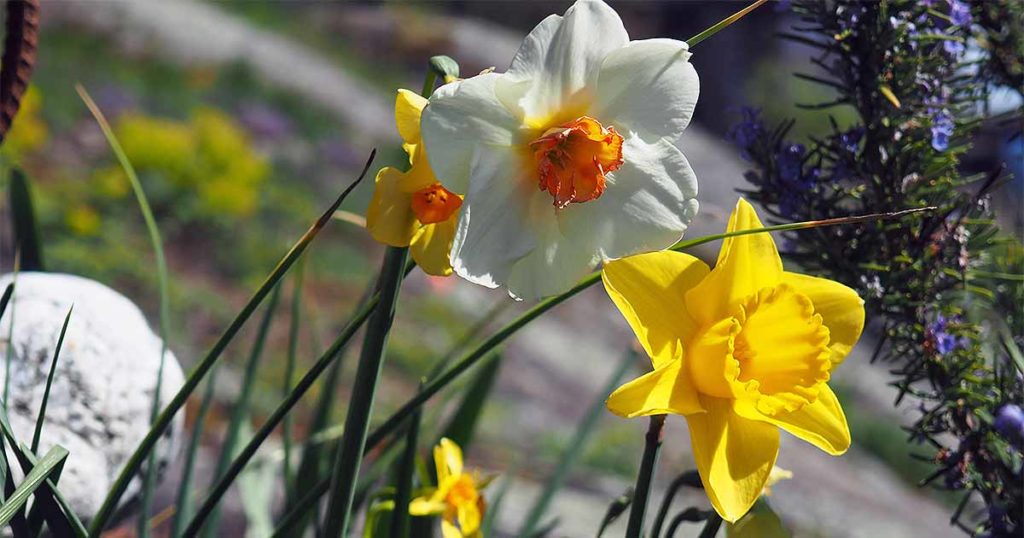
So there I was cutting these daffs to take indoors when my thoughts turned to our garden at large. So much to do after the rains – oh the weeds – the weeds. Luckily, our seven year old
child laborergardener is also keen to help weed. No matter if he pulls up the wrong thing – odds are in our favor that he does indeed pull mostly weeds.The other evening, my thoughts turning to more gardening, I turned to my collection of gardening books and pulled out an old favorite. Not an instructional garden book, but a memoir of a first garden.
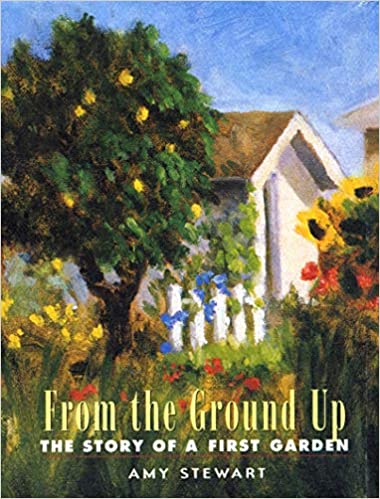
From the Ground Up by Amy Stewart
I read this first when it came out in 2001 — during those dark days after 9/11 and I needed simple distraction. I just re-read it again and was once again surprised by how much I enjoyed this little gardening book.
From the book’s flyleaf:
Amy Stewart had a simple dream. She yearned for a garden filled with colorful jumbles of vegetables and flowers. After she and her husband finished graduate school, they pulled up their Texas roots and headed west to Santa Cruz, California. With little money in their pockets, they rented a modest seaside bungalow with a small backyard. It wasn’t much—a twelve-hundred-square-foot patch of land with a couple of fruit trees, and a lot of dirt. A good place to start.
From the Ground Up is Stewart’s quirky, humorous chronicle of the blossoms and weeds in her first garden and the lessons she’s learned the hard way. From planting seeds her great-grandmother sends to battling snails, gophers, and aphids, Stewart takes us on a tour of four seasons in her coastal garden. Confessing her sins and delighting in small triumphs, she dishes the dirt for both the novice and the experienced gardener. Along the way, she brings her quintessential California beach town to life—complete with harbor seals, monarch butterfly migrations, and an old-fashioned seaside amusement park just down the street.
This garden memoir is set just down the coast from us in Santa Cruz and I can relate to the coastal garden trials and tribulations. Furthermore, Ms. Stewart captures the mindset of the amateur gardener with all its joys, mysteries and disappointments. And I’ve made all the mistakes and I’ve had the joy and disappointment. From the Ground Up is interwoven with some viable garden tips — but it’s more than just a gardening book – it’s a book about life. Just read this excerpt:
But gardening is none of that, really. Strip away the gadgets and the techniques, the books and the magazines and the soil test kits, and what you’re left with, at the end of the day, is this: a stretch of freshly turned dirt, a handful of seeds scratched into the surface, and a marker to remember where they went. It is at the same time an incredibly brave and an incredibly simple thing to do, entrusting your seeds to the earth and waiting for them to rise up out of the ground to meet you.
If you have the gardening bug or you know someone who does. Whether you are into one specific species of plant or an eclectic gardener (we definitely fall into the latter category) — or even if you’d rather garden from your comfy chair – From the Ground Up is a delightful story of a new gardener, her first garden, and how she and her garden grew and changed.
Ms. Stewart is also know for several other garden books which are very well regarded.
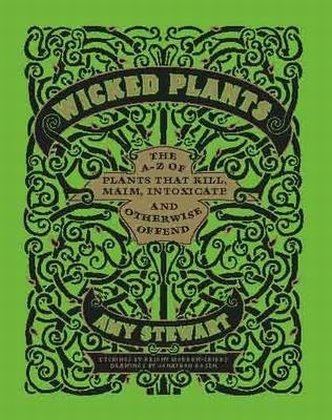
One about the history of poisonous plants and their victims.
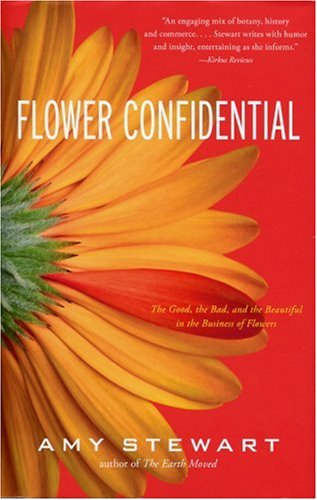
And another about the flower industry
Both look very interesting for someday.
But for now, From the Ground Up will go back to its place on my shelves for yet another re-read.
* Out here we have to plant new bulbs every year because in our temperate climate and without frost — very few bulbs re-bloom.
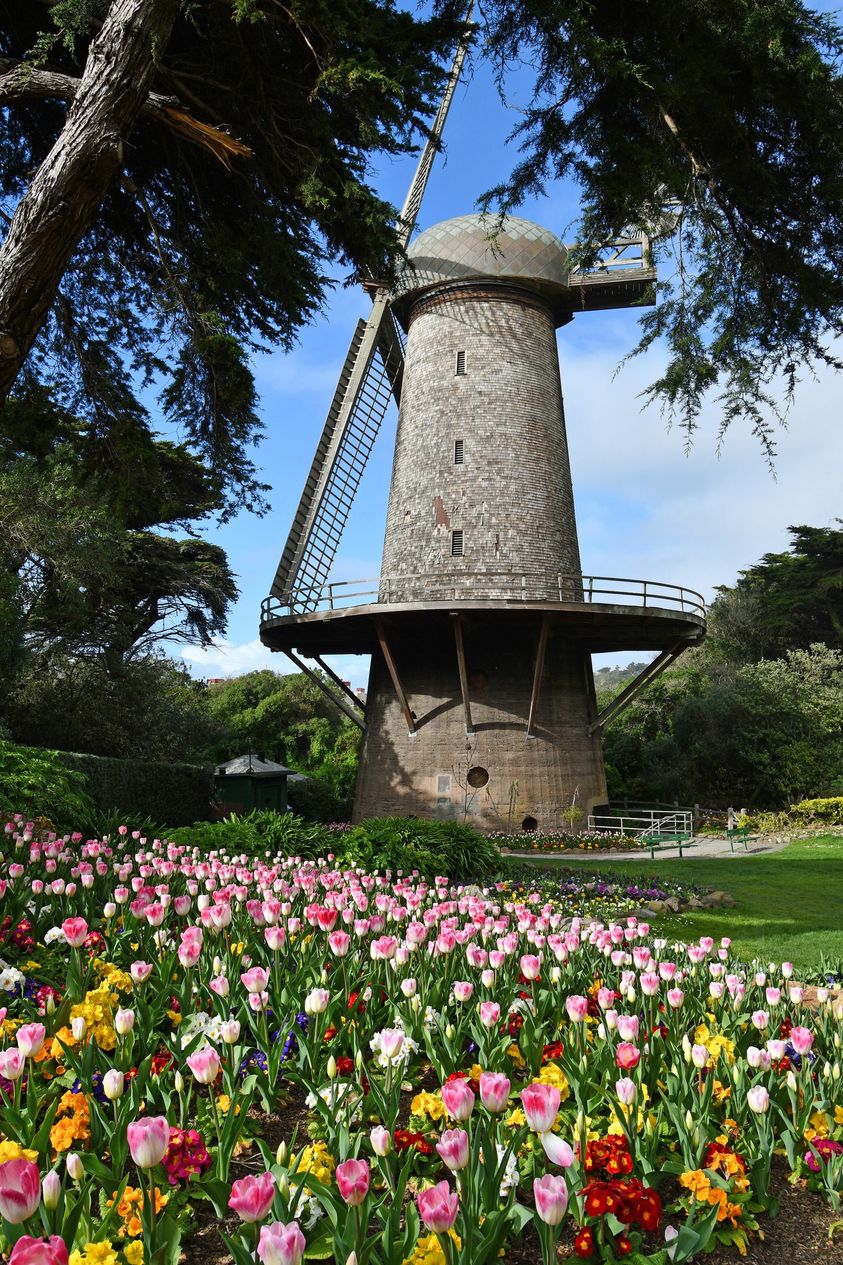
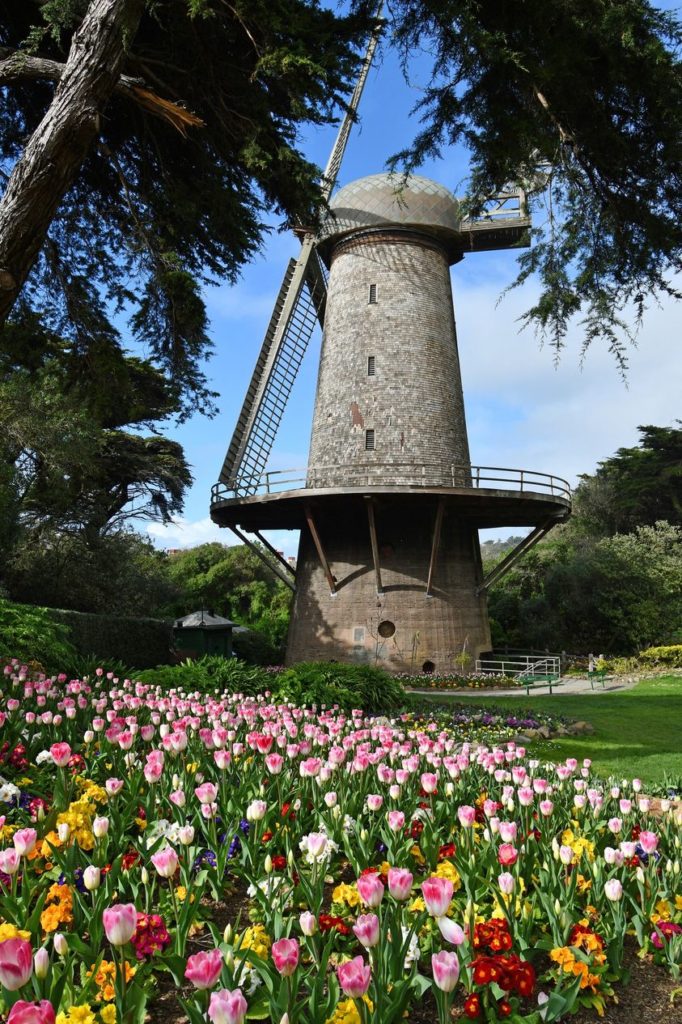
Lest you think we are the only ones with bulbs planted in wild abandon – check out the tulip garden in Golden Gate Park…also makes me happy. I wonder if they have their own child gardening helpers?
-
Sandra Dallas
You may remember my post about kicking my attitude out of funk with some reading of the trials and struggles of the women who settled the West. That got me thinking about the author Sandra Dallas. If you don’t know about Ms. Dallas and you like historical novels — you should try and find any of her books.
My favorite of hers is one that holds a place of honor on my shelves and I recently re-read it for, I think, the third time.
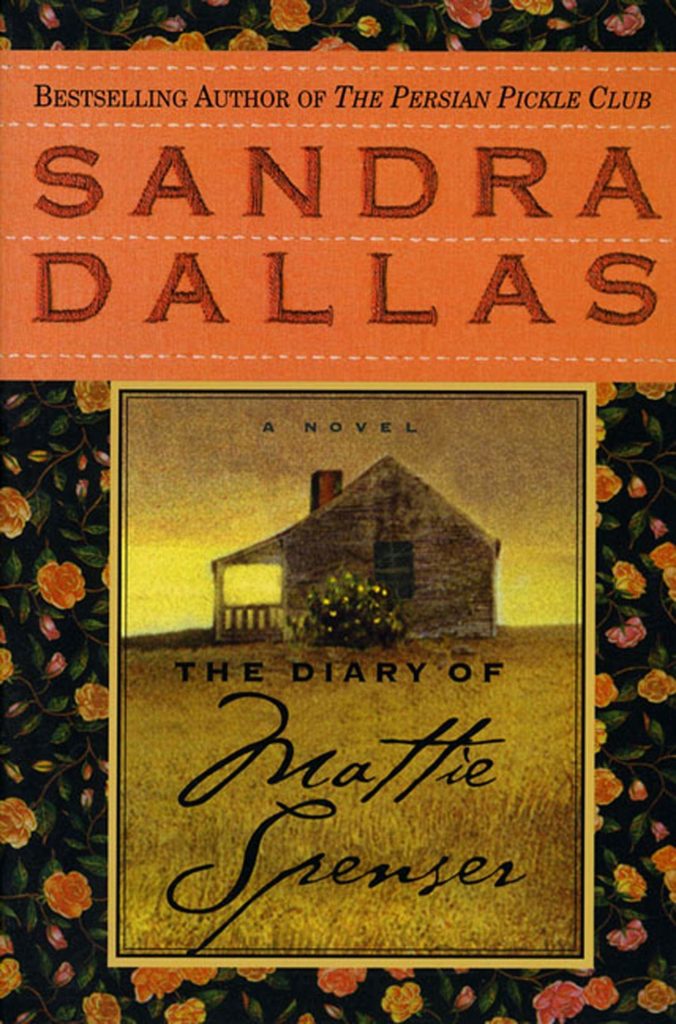
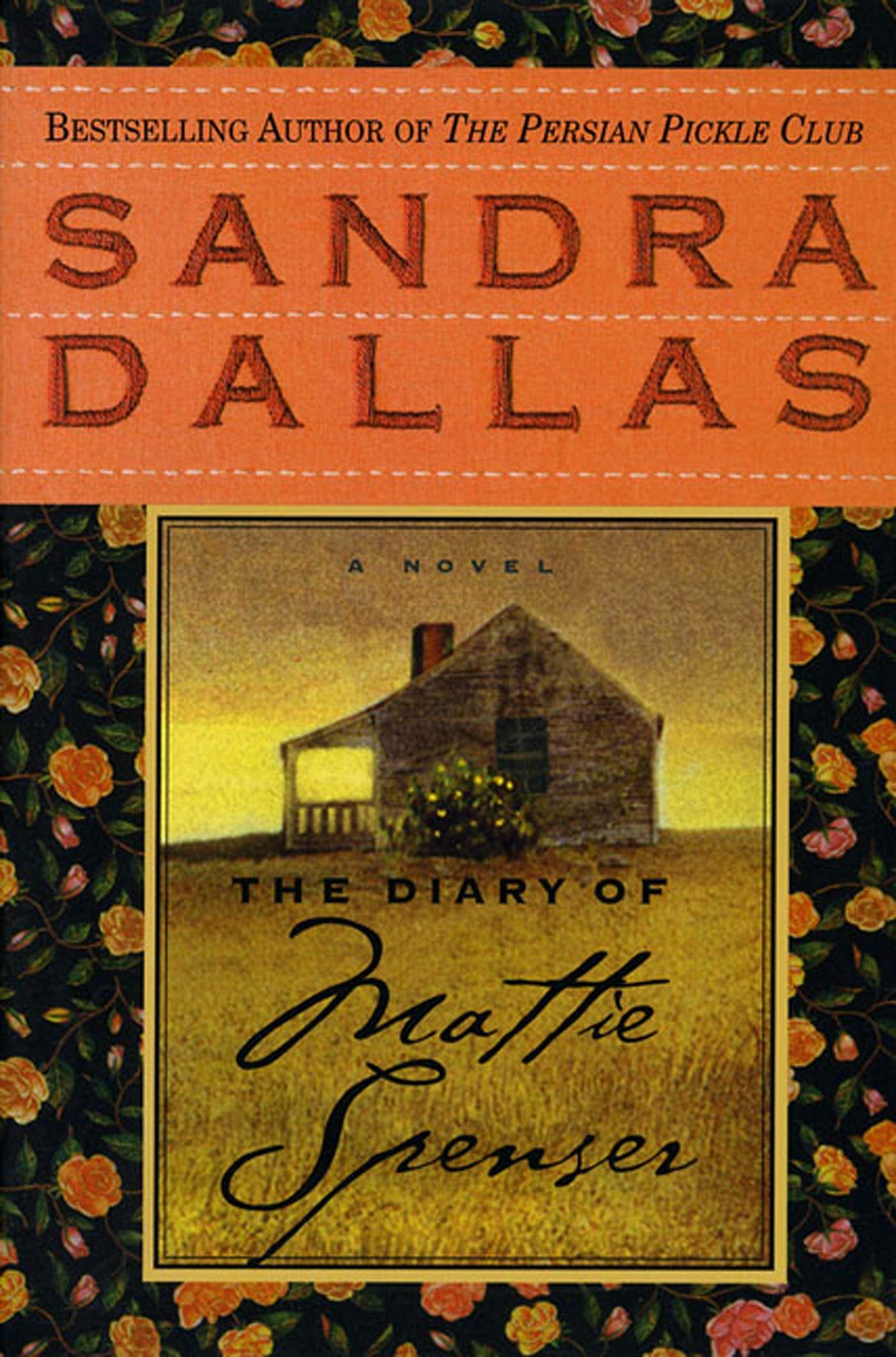
The Diary of Mattie Spenser by Sandra Dallas
Newly weds Mattie and Luke are traveling in a covered wagon to build a home in the Colorado Territory. They settle in this new frontier, which is so isolated and bleak that it drove many women, and a few men, to madness.
We read of their hardships — Indian attacks, isolation, no plumbing or electricity not to mention, no doctors or medicine. Mattie finds solace in her private journal, where she records the joys and frustrations not just of frontier life, but also of a new marriage to a handsome but distant stranger. This novel is told in the form of her diary entries – a writing style I have a particular fondness for — as with epistolary novels.Mattie is a woman of extraordinary virtues — she is decent, educated, kind and capable, and she accepts her bridegroom’s choices and the old-fashioned concept of helpmate.
Ms. Dallas is the former Denver bureau chief for Business Week magazine and lives in Denver, Colorado. She is known for her extensive research, so her readers can truly inhabit and understand the time and the place in which she sets her stories. Like all of Ms. Dallas’ novels, this story pivots on a terrible secret. I must admit that each time I read The Diary of Mattie Spenser, I am still surprised and a little troubled with this secret and how the diary ends. Without giving anything away, I will tell you Mattie’s tough decision highlights how far women
have— okay, may have — come in terms of both rights and freedoms within society.And once again, I felt lucky as I read this saga safe in my warm home, under the light of a good lamp.
The Diary of Mattie Spenser is a wonderful book that I have re-read yet again and will likely read again — and if you’re like me it will stay with you for years.
~~~~~~~~~~~~~~~~~~~~~~~~~~~~~~~~~~~~~~~~~~~~~~~~
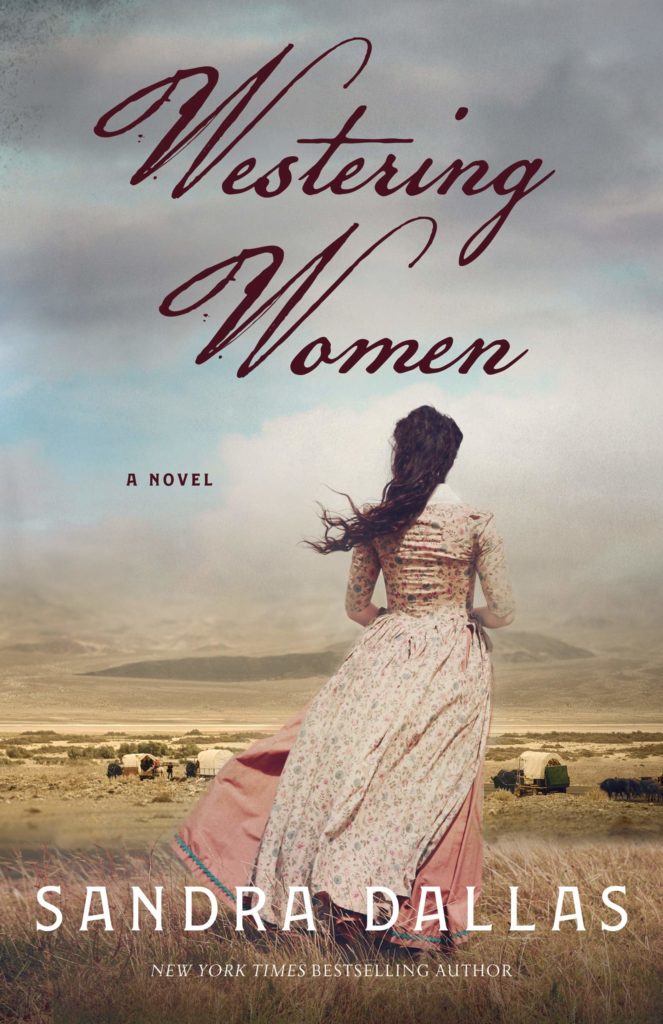
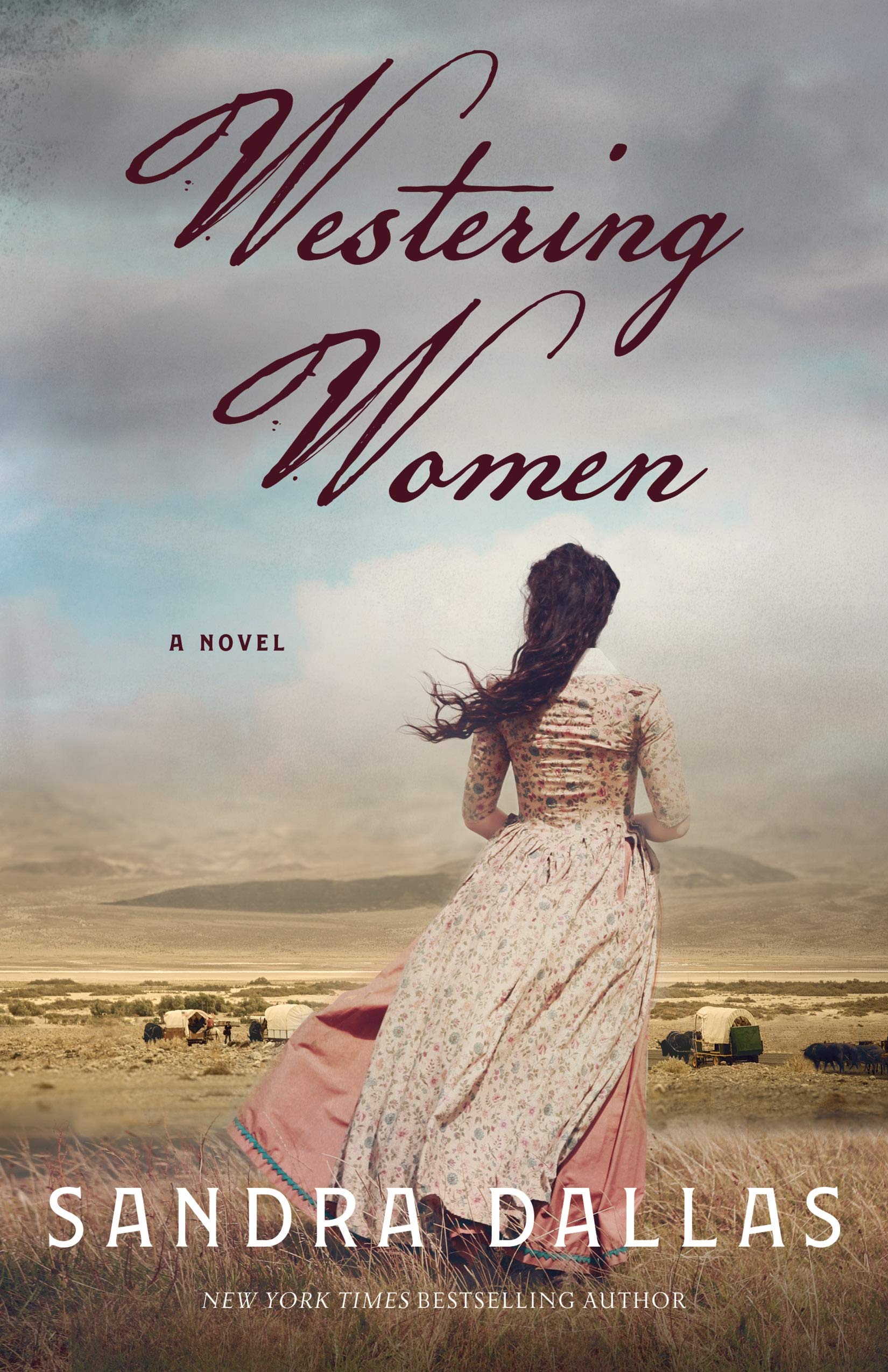
Westering Women by Sandra Dallas
Now because I hadn’t had enough reading about strong women settling the West, I dived into another Sandra Dallas last week and finished it this morning over a cup of tea.
It’s February, 1852, and all around Chicago, Maggie sees postings soliciting “eligible women” to travel to the gold mines of California. A young seamstress with a small daughter, she has nothing to lose. Thus begins the tale of wagon train of women headed to a new life. They were to find husbands among the miners who had been lured to California by the prospect of gold. Led by two ministers, this wagon train of women would make an arduous two thousand mile trek. Sometimes riding but more often walking (sometime barefoot) each woman is escaping a past, finding themselves, their strength, their fortitude in an unforgiving culture of 19th century patriarchy. It was a journey that not all would complete, but it would make the women eventually band together as sisters.
Westering Women is aimed towards a young adult audience. And I don’t know if this was why it was not my favorite of Ms. Dallas books. Still, I found it riveting enough to finish and it was a quick read. A plus when reading young adult books.
A digital review copy was kindly provided by St. Martin’s Press via NetGalley
~~~~~~~~~~~~~~~~~~~~~~~~~~~~~~~~~~~~~~~~~~~~~~~~~~
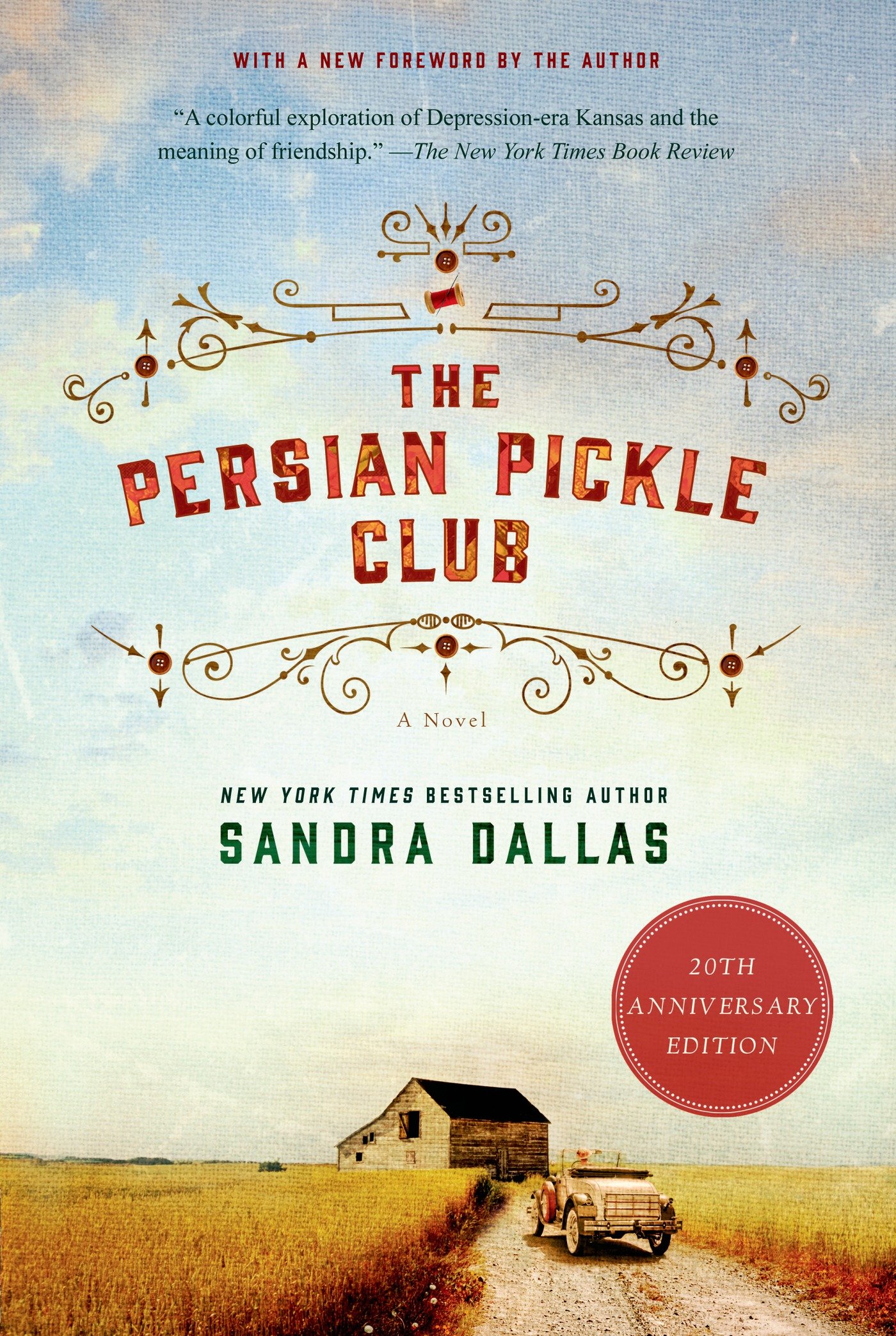
Ms. Dallas has also written novels set in the 1930’s Mississippi, the Kansas dust bowl, as well as a few set during the Civil War. I’m not usually a fan of what is termed ‘women’s fiction’ and yes, women are always the central force in her novels — but these are different, she writes of women’s struggles, their deep reservoirs of strength, and the all-important friendships with other strong women of the time.
Here’s some of the titles I’ve read over the years.
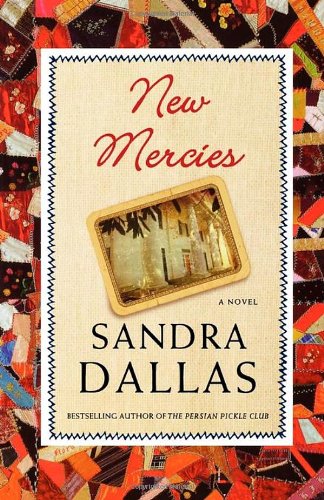
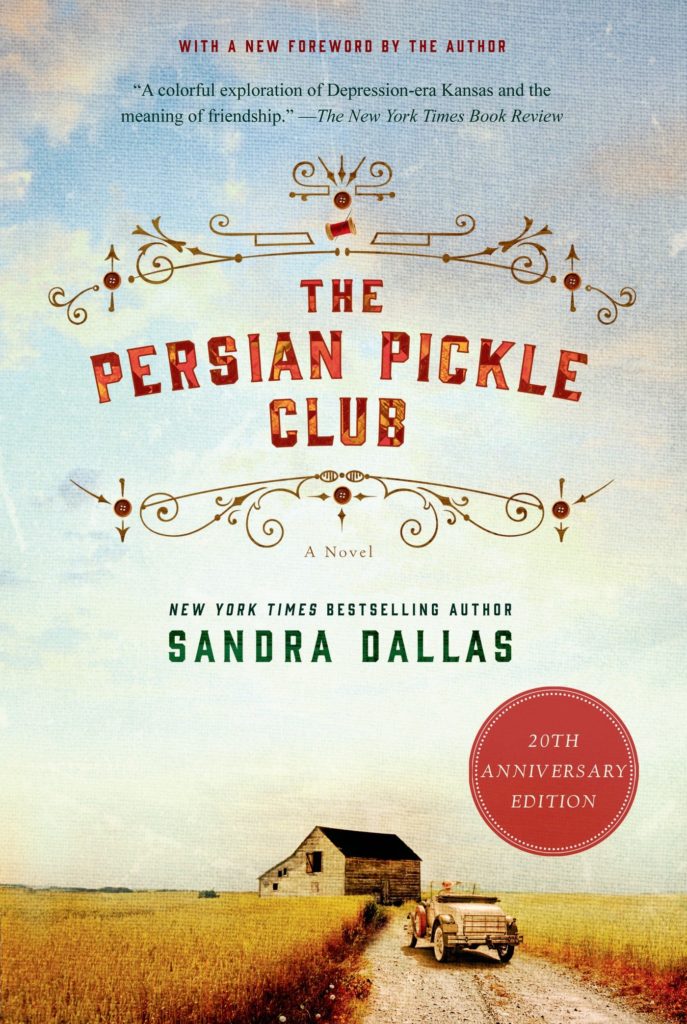
~~~~~~~~~~~~~~~~~~~~~~~~~~~~~~~~~~~~~~~~~~~~~~~~
But wait there’s more
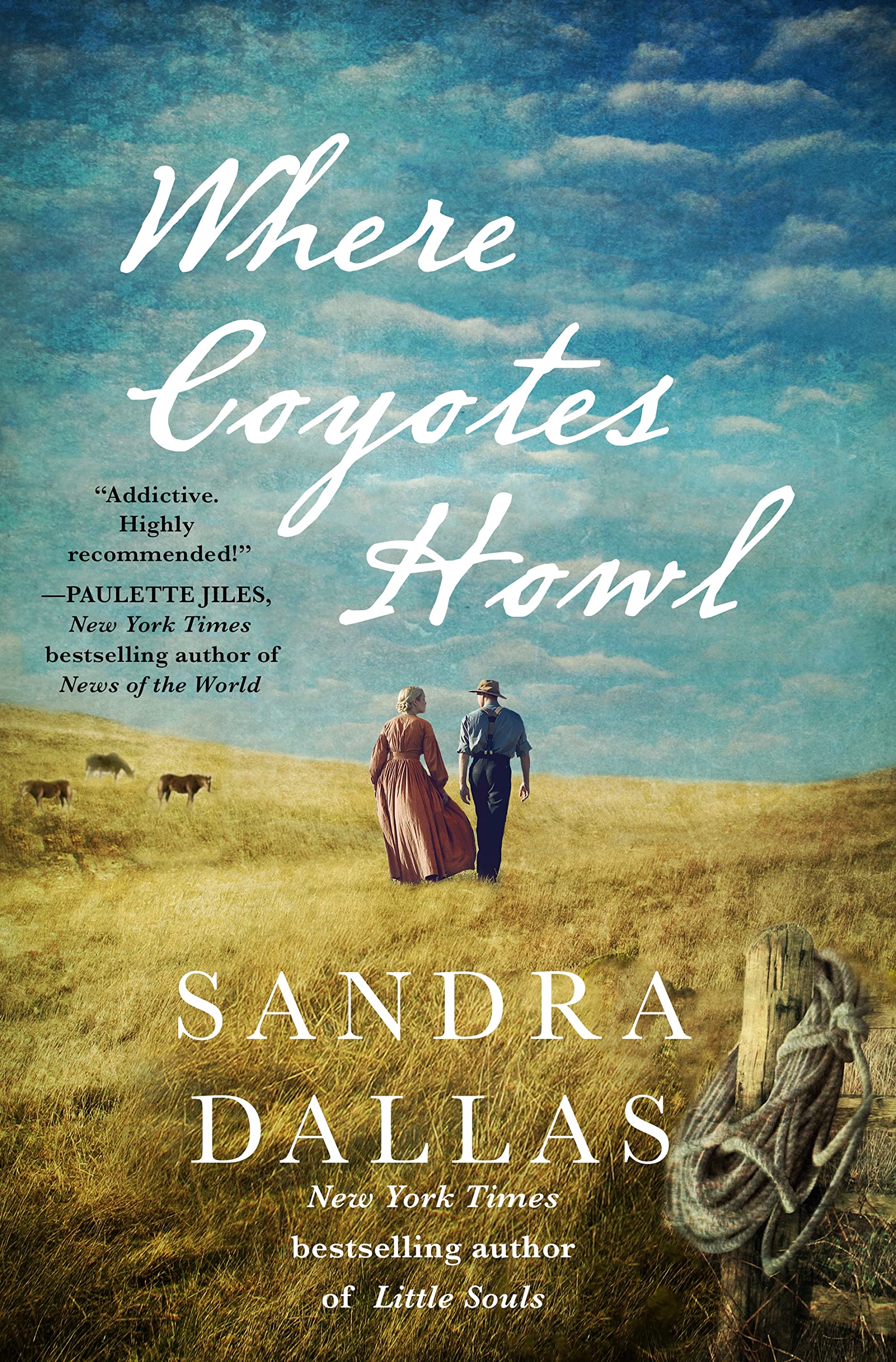
Thanks again to St. Martin’s press, I also have a proof copy of Ms. Dallas’s newest book, Where Coyotes Howl, which will be published in April. I’ve read the publicity blurb and it sounds great.
Can I take another harrowing, yet uplifting story of women settling the West?
Why, yes, I think I can – there is just something about this author and her writing – I can’t stop…
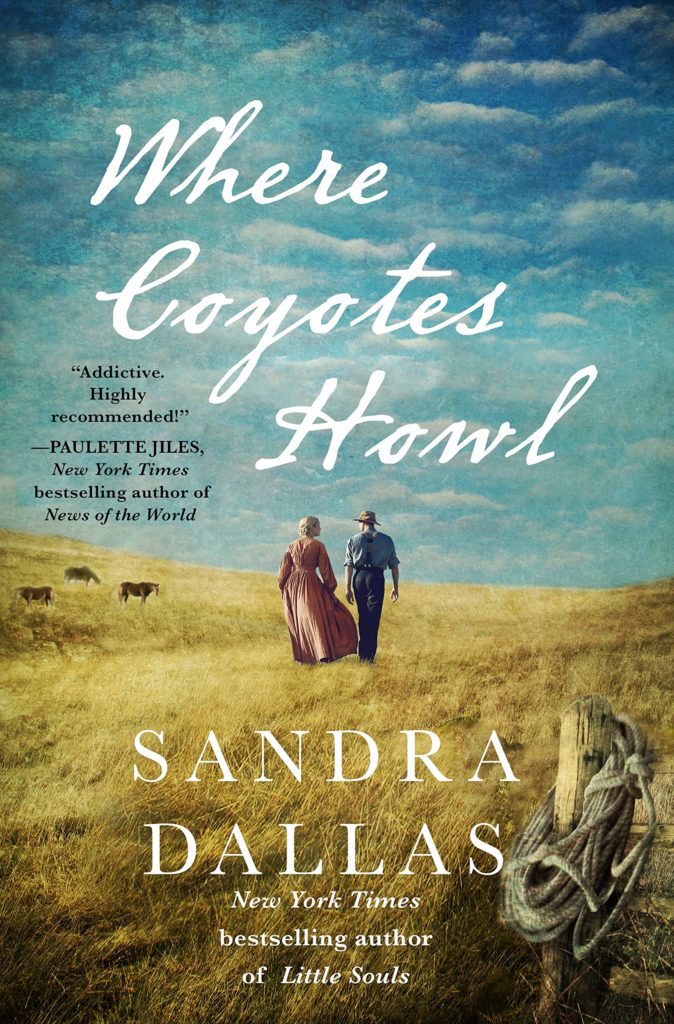
In case you want to pre-order it – here’s the cover. I’ll review it properly closer to publication.
-
Forty-Four Years
We can hardly believe it, but we celebrated our 44th wedding anniversary yesterday. I use the word celebrate in our own low key context, on which I will expand shortly, but first let me just share the amazement.
First, it’s been 44 years and how can that be? It seems just the other day we were starting out in a drafty apartment in an old house and both working entry level jobs. Barely scraping by and saving money however we could. Turning down the heat (in New Hampshire – brrr), coming up with budget saving meals (my lentil recipe experiments were not fun), and yet, happy as could be.
These 44 years have been wonderful and neither of us would change a thing. I guess that’s what love does to you.
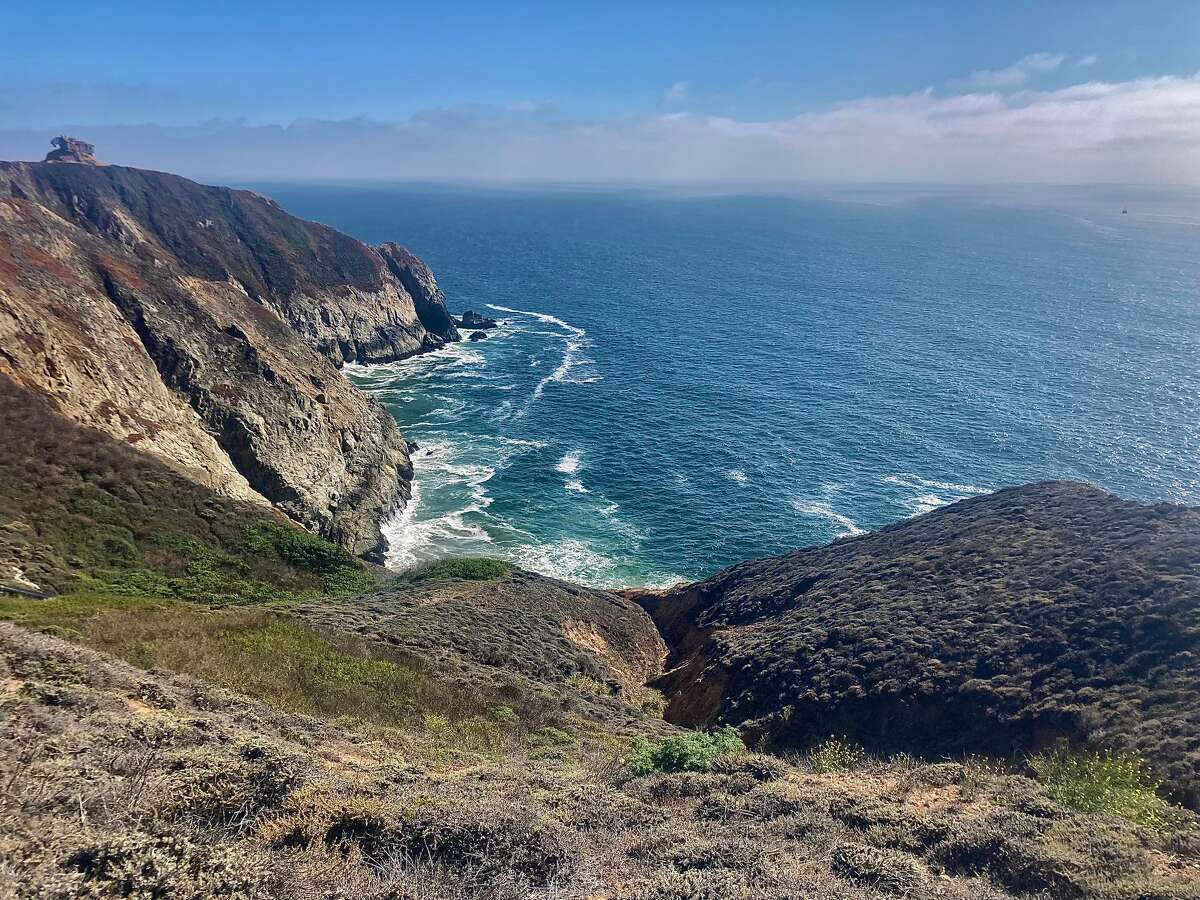
So back to our celebration. Our weather has cleared so we decided to drive just a short distance down the coast on Route 1 to Devils Slide. They had to build a tunnel to provide cars with an alternate route as the original Route 1 was starting to erode — being right on the coastal edge. They turned this old section of the road into a little trail for walkers and bikers. I was able to hobble along, despite my knee (cortisone shot on Tuesday, fingers crossed). We had great weather for the majority of our walk, but then the clouds came in and it got chilly – so we hurried on our way back.
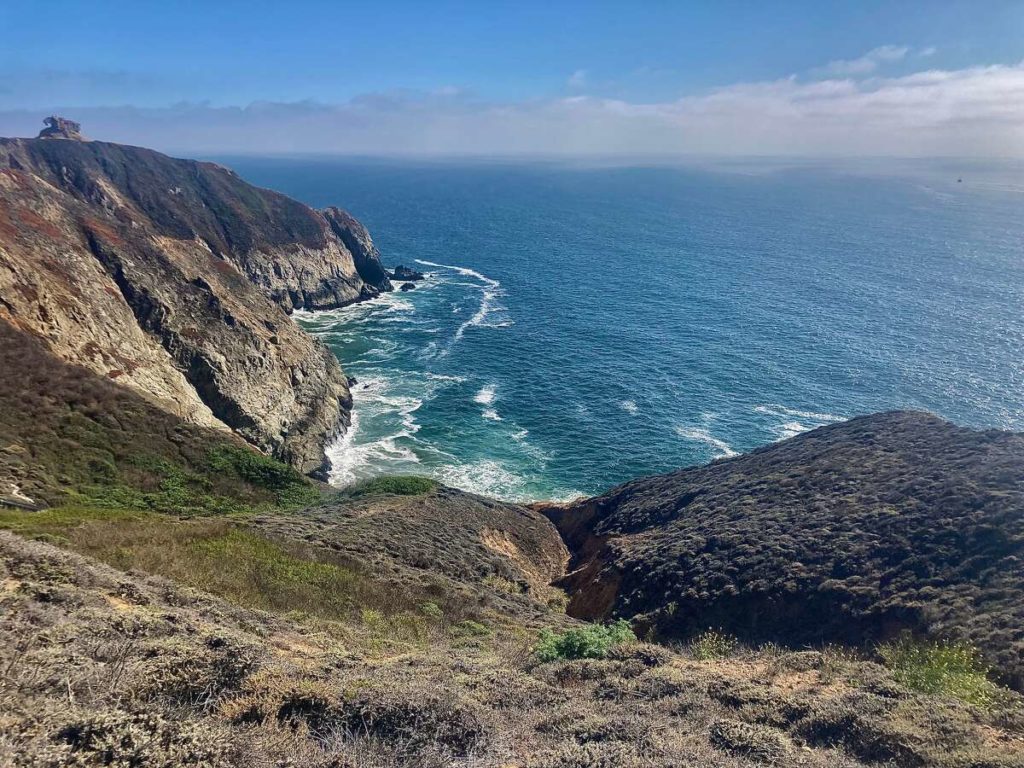

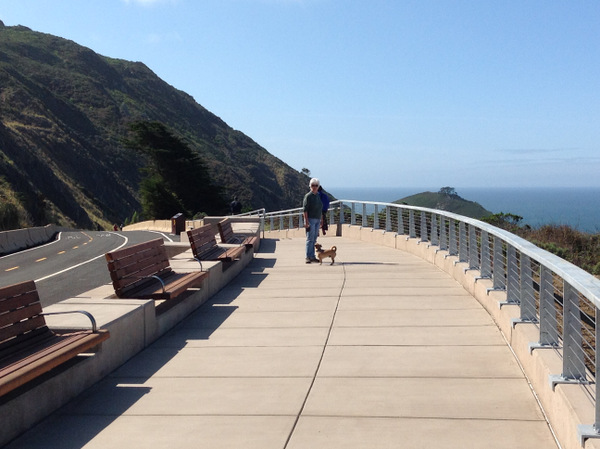
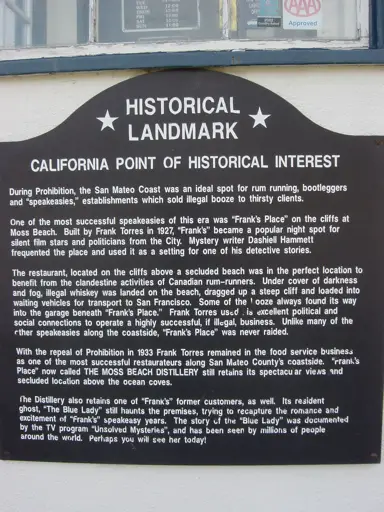
Afterwards, we traveled a little further down the coast to a favorite restaurant – Moss Beach Distillery — a historic landmark with great seafood.
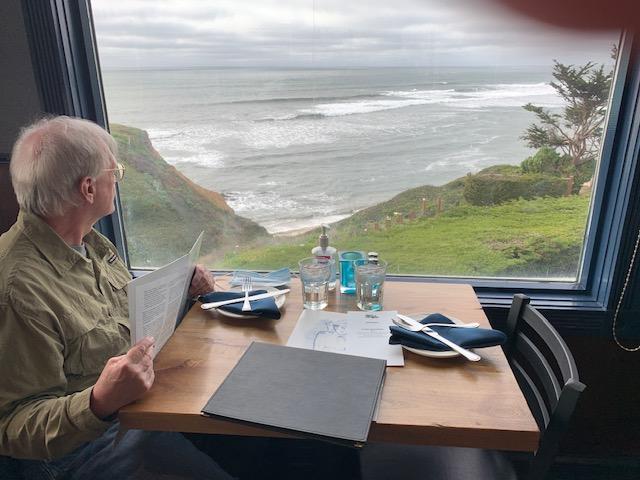
And unbeknownst to me, Husband called ahead to book the best table.

We don’t exchange gifts, just sappy cards — which our waitress noticed and brought us a piece of cake on the house to celebrate. Very nice and completely unexpected.
So there it is, the use of the word celebration is a relative here…we had a simple, lovely, low-key time together – just our style.
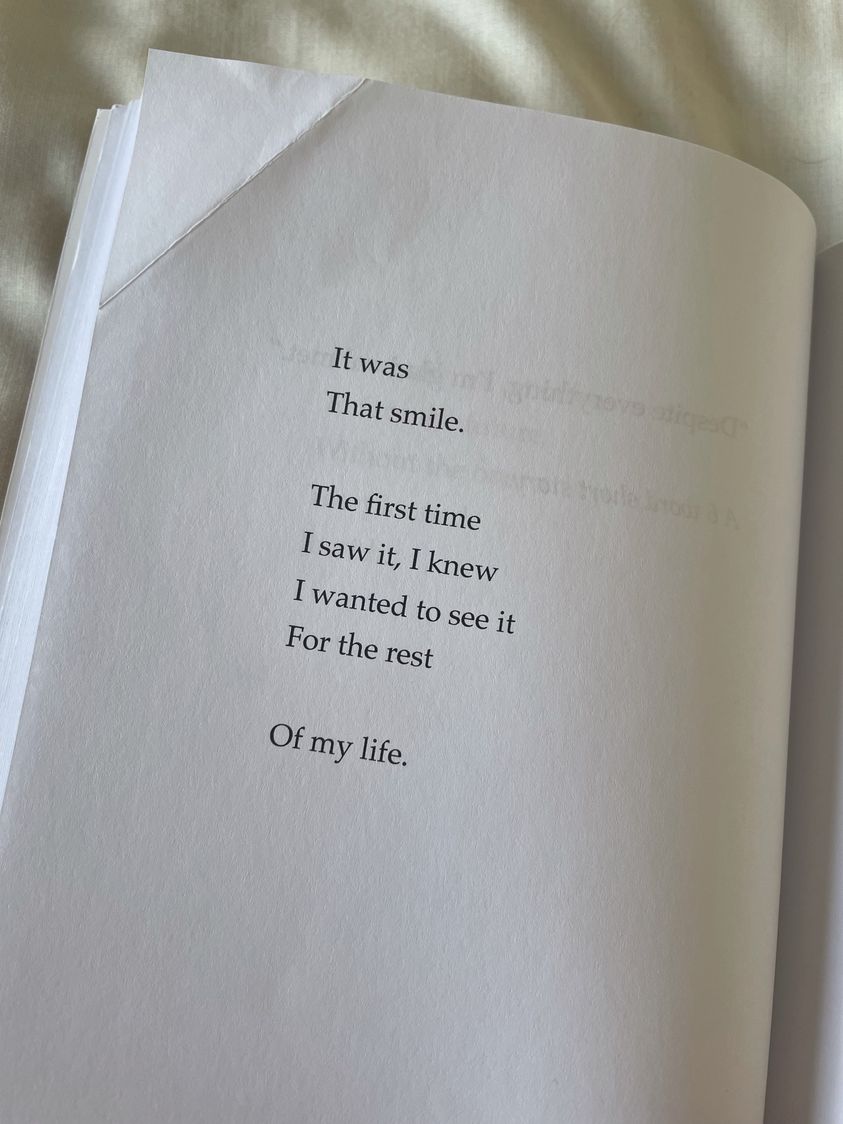
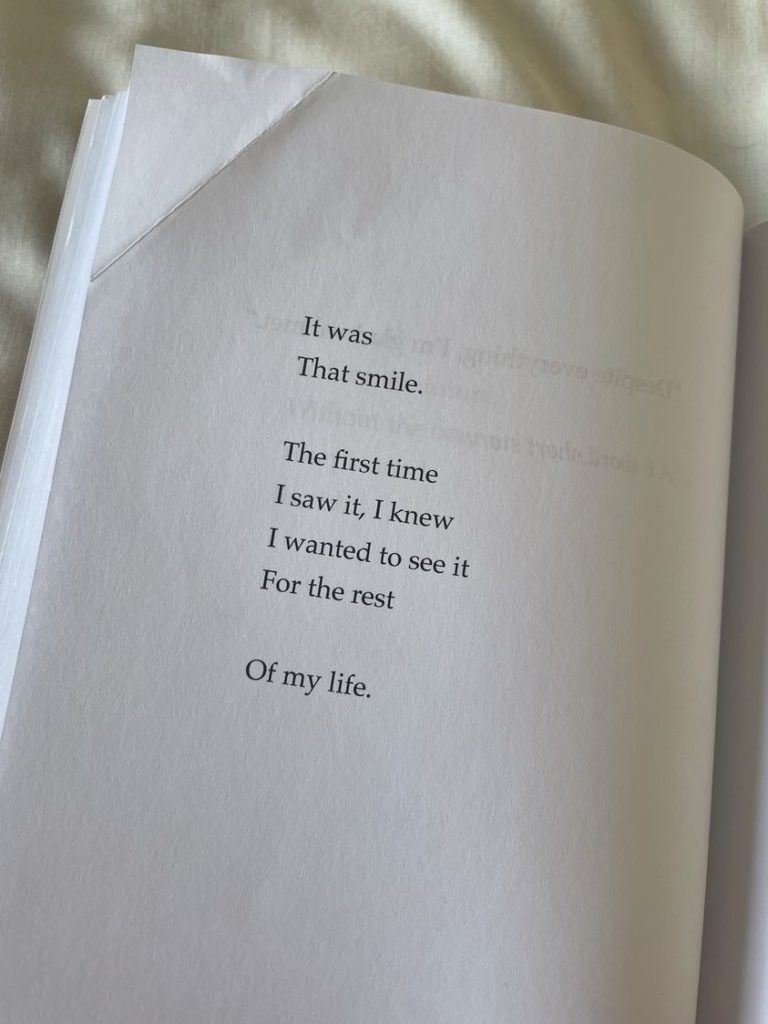
I came across this the other day – and I think it says everything…
-
A Kick in Attitude
This past weekend, I pulled my back wrong and then my knee started acting up and I was hobbling around like I was ancient (which I’m not – yet). Then, given the horrific shootings, Chinese New Year was a somber affair among our neighbor friends. No parties or sharing of cheerful foodstuffs.

In short, I was feeling sorry for myself, a state of mind which I abhor.
Whenever I catch myself having a pity party — I pull out either of these two books and open to any page to remind myself what a plum and cushy life I lead.
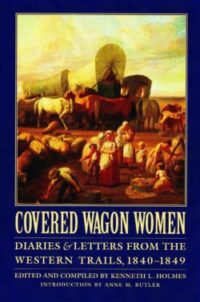
Covered Wagon Women
Edited and Compiled by Kenneth L. Holmes
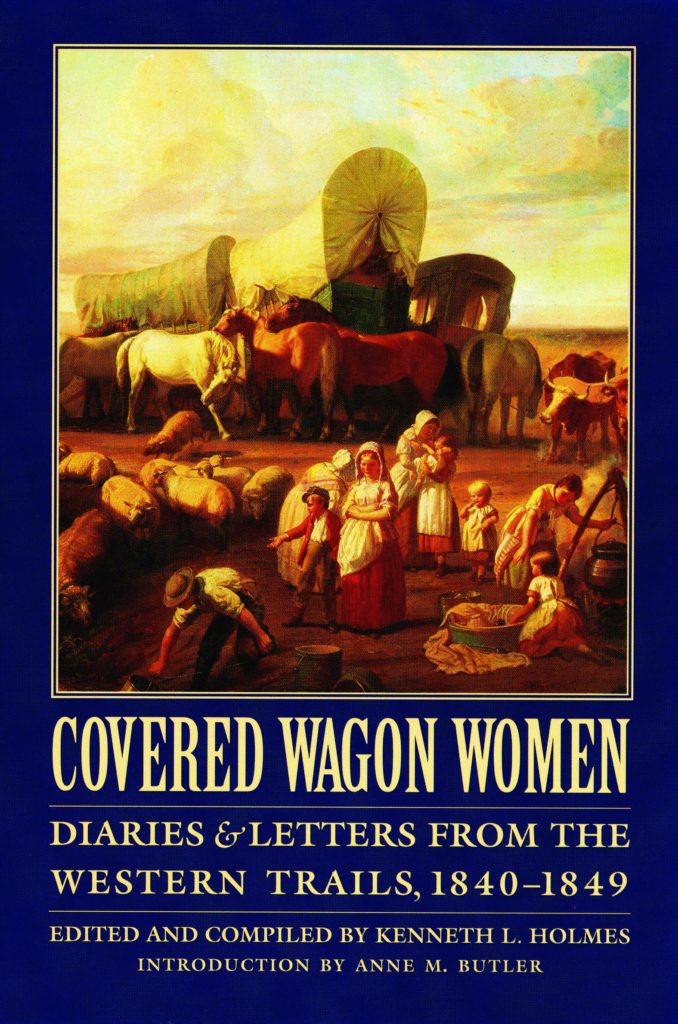
Covered Wagon Women was recommended by friend (looking at you, with love, GH) many years ago and it still has a treasured place on my shelves — just for times like this when I need to kick my
assattitude out of an inappropriate bad mood.These are the collected diaries and letters of fourteen pioneer women traveling west in covered wagons during the 1840’s.
Mr. Holmes, a historian has left everything in its original source — unedited diary entries, letters and other correspondence. This is how the women actually wrote then, complete with original dialect, spelling, and punctuation — complete with mistakes. The women speak in their own voices, without any modern influence. It will take you a few pages (or chapters) to get into the rhythm of their voices — and figure out the spelling — but after a bit, you get the hang of it. Whenever I re-open this book and read an entry or two, I always feel like I am actually there in the wagon listening to their personal accounts.
Every entry gives a slightly different viewpoint on the hardship and horror these remarkable women experienced and endured to discover new lives out west. Some are mundane, others soul-crushing, and some spirit-lifting. We read of Tamsen Donner and young Virginia Reed, members of the ill-fated Donner party; Patty Sessions, the Mormon midwife who delivered five babies on the trail between Omaha and Salt Lake City; Rachel Fisher, who buried both her husband and her little girl before reaching Oregon.
Because this collection is told from a woman’s point of view, domesticity is shown to be a means of survival, much as a gun. They cooked meals every day under dire circumstances. They sewed, weaved, knitted and mended clothes and bedding. They washed up when they had enough water, but went dirty for weeks if required. They walked miles over some of the roughest terrain America possesses – rocks, sand, dust, mud – over flat rutted trails and up and down mountain paths. They fed and milked cows, helped keep oxen and horses alive, birthed babies and buried them.
There is much unsaid in these letters. They rarely speak of their personal suffering, but instead relate what happened simply and factually. Despite the brevity, when a letter mentions how long they went without water and how many animals and people died because of it, it is easy to read between the lines.
There are 11 books in this series, and maybe someday I will tackle more, but for now this first in the series is enough to remind me of the luxuries in my life – water at the turn of a faucet, a warm bed, soap – well, you know what I mean.
Get yourself out of your bad mood and check out Covered Wagon Women – available at your local library.
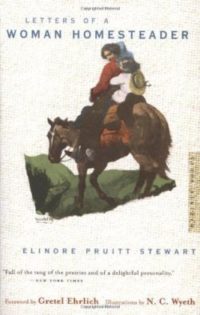
Letters of a Woman Homesteader
by Elinore Pruitt Stewart
In the same vein, but not nearly as grim, is Letters of a Woman Homesteader, which I have read cover to cover.
As a young widow Elinore Pruitt left Denver in 1909, with her young daughter, and set out for Wyoming, where she hoped to buy a ranch. Determined to prove that a lone woman could survive the hardships of homesteading, she initially worked as a housekeeper for a neighbor — a kind but taciturn Scottish bachelor, whom she eventually married.
In twenty-six letters written to a friend back in Denver, she joyfully records her days, not considering the life she has chosen on the frontier as hardship. Instead, she revels in the natural beauty of her surroundings and in her friendships with like-minded women in her frontier community.
Elinore and her friends, face the unexpected with courage and good humor. They live unselfishly, and are overly generous with kindness and deeds for those less fortunate. She tells of unified and skillful hospitality; impromptu weddings, spur of the moment feasts for strangers, and designing and sewing wardrobes for a needy family in just a few days time.
Spring and summers were hard, she concedes, and were taken up with branding, farming, doctoring cattle, and other chores. But with the arrival of fall, Pruitt found time to take her young daughter on camping trips and serve her neighbors as midwife, doctor, teacher, Santa Claus, and friend.
My well-worn copy contains the original illustrations by N. C. Wyeth. However, I found out the digital version of Letters of A Woman Homesteader is free — as this classic is in the public domain.
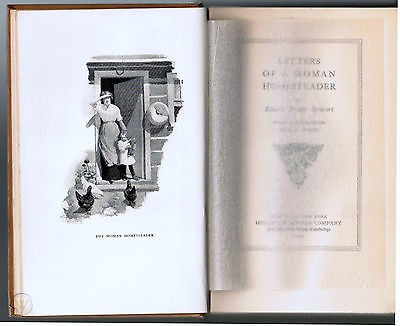
Described by the Wall Street Journal as “warmly delightful, vigorously affirmative,” this classic of American frontier life will charm today’s audience as much as it fascinated readers when it was first published in 1914.The reading is indeed enjoyable and flows beautifully — it reads like a novel.
So there you go. In a bad mood? Need a good kick in the attitude? Instead of self help books or those cheesy gratitude journals, read about women who met extreme hardship and tough lives with bravery, strength, humor, kindness, and grace.
Now I have to go unload my wonderfully modern and convenient dishwasher – no tin pans rinsed in the creek for me.
I’m a very lucky gal – pity party is over.
With respect to the new Lunar New Year.
-
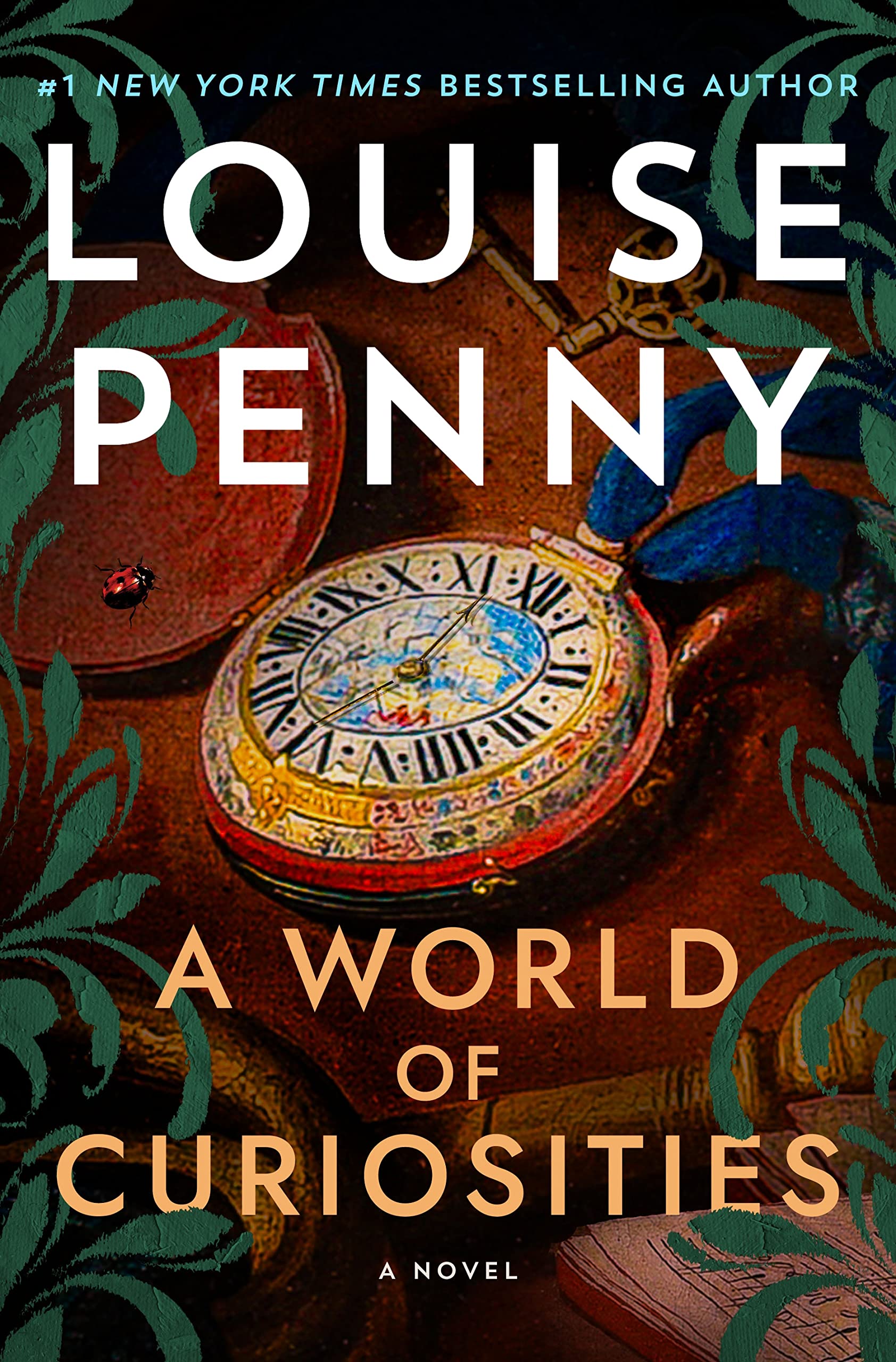
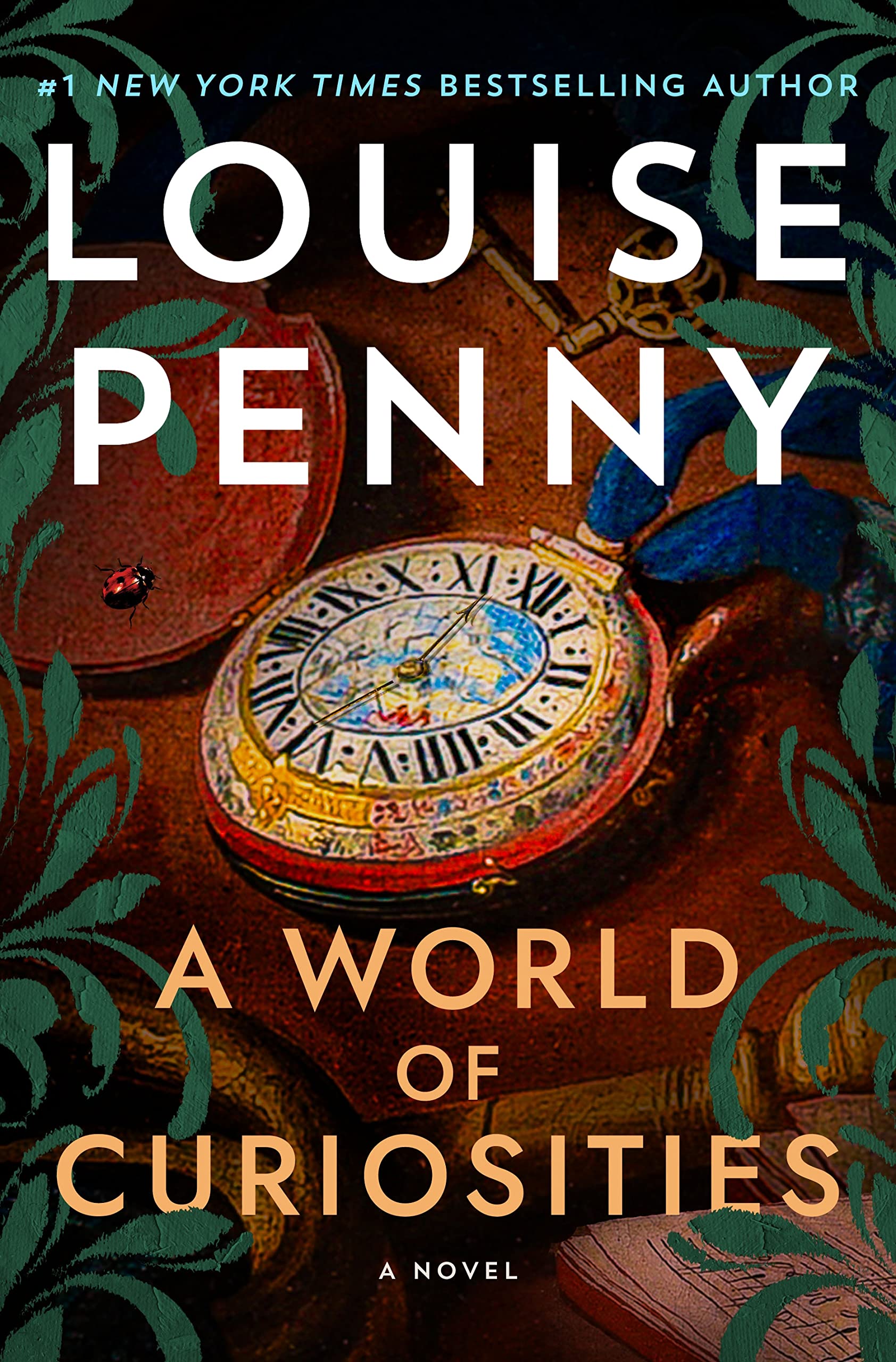
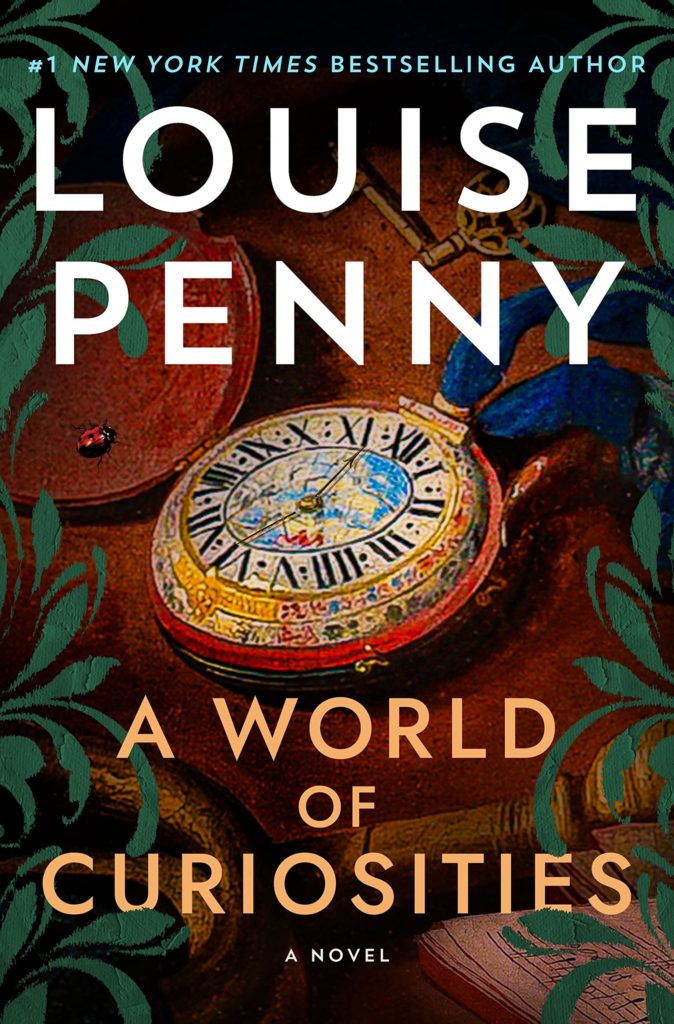
A World of Curiosities by Louise Penny
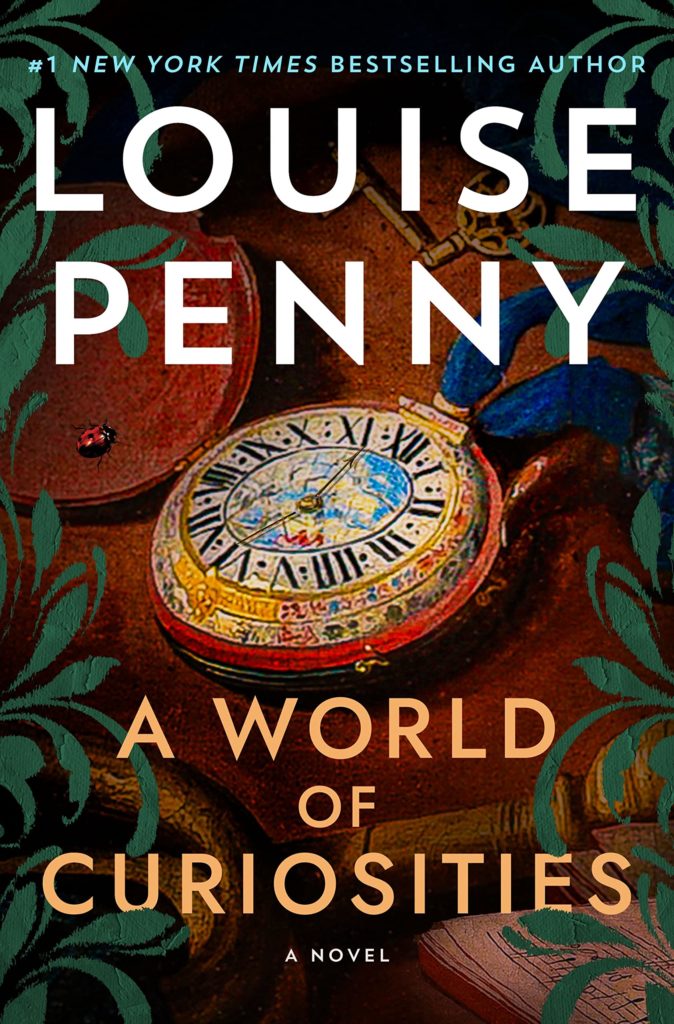
Every time I start a new Louise Penny book, I promise myself I will read it slowly and savor each and every sentence, but I usually devour them in one or two long reads.
However, with A World of Curiosities, it has taken me forever. My mistake. I bought it on publication day at the end of November, and then Thanksgiving arrived and I had to put it aside several times, then it was the holidays and I had many other things to do, including (as usual) knitting gifts while watching Christmas movies. In short, I was way too distracted.
I only recently picked it up again, having made it almost half-way through and decided I wanted to remind myself of the beginning. I started it again, and this time, read it in great big chunks of time, during our recent storms.
I am so glad I started it over as this is one of Ms. Penny’s best-plotted mysteries and filled with many intricacies and story lines.
The story opens with Jean-Guy Beauvoir and Armand Gamache’s first meeting at a crime scene and the beginning of their mutual bond. Ms. Penny doesn’t just use this as a prequel. Instead, this origin story becomes the jumping-off point for the current-day mystery — and what a mystery.
As I read along, I kept thinking of what Gamache says to Jean-Guy during their first encounter – There is always another story. There is more than meets the eye.
The story moves to a combined commemoration and graduation ceremony at the École Polytechnique Montreal. The engineering university was the actual scene one of the worst tragedies in Canadian history: the Montreal Massacre in 1989. A horrific mass killing of female engineering students by a man who separated the male students from the women, and told the men to leave. Outraged by women moving into what was a formerly male-only domain of engineering — he shot all the female students he could find.
In addition to reminding readers of this terrible crime, the scene also serves to introduce two important new characters of this entry in the series, Harriet Landers and Fiona Arsenault, who both graduate as engineers during the ceremony. We are also introduced to Sam Arsenault, who alarms and frightens Gamache.
Upon viewing Three Pines from a rooftop, the recent engineering graduate, Harriet points out an odd part of one of the village’s buildings, and decides there must be a hidden room in Myrna’s loft above her bookstore. And when opened up, the room uncovers many secrets from the past and a huge montage canvas which mimics the famous The Paston Treasure — an oil painting that serves as a historically rare record of a cabinet of treasures in British collecting.
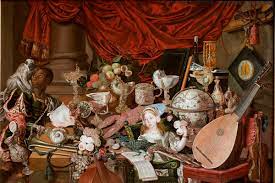
The actual Paston Treasure The painting has a multitude of worrying hidden messages and puzzles that alarm and alert Gamache to an old foe intent on destroying everything and everyone Gamache holds dear.
And that’s about all I can tell you about A World of Curiosities without revealing too much. Suffice it to say, there are two different and often dark story lines – resulting in the search for a lunatic. The last few chapters are filled with such tension and bombshells, at times, I forgot to breathe.
Don’t worry Book Barmy friends, we still have Three Pines; the wonderful food, the serene bench overlooking the village, the grouchy poet, Ruth and her foul-mouthed duck, Rosa, the therapist Myrna, the artist Clara and, of course, Olivier and Gabri — all with their support of each other and a strong sense of community.
What the village in the valley offered was a place to heal. It offered company and companionship, in life and at the end of life. It offered a surefire cure for loneliness.
Ms. Penny always envelopes her readers in a world of knowledge — a world of curiosities, if you will –as she brings art and music, poetry and history into the story. For example, we learn that the École Polytechnique gives its graduates rings made made from the metal remains of the first Québec Bridge which collapsed in 1907, killing eighty-six workers. It was a catastrophic failure of engineering. The rings were made to remind engineers of that disaster, and the consequences of what they do.
Over the course of the Three Pines series, we’ve watched as Gamache uncovered the worst in society. But this time, he has to uncover and examine the worst in himself, as well confront as his deepest fears.
Like all Ms. Penny’s series, A World of Curiosities is never “just” a mystery novel — but rather an artful balance of suspense, combined with thoughtful human insights — along with social and moral issues.
The main reason I read this series is each one always brings up questions of morality, forgiveness, fear, courage and acts of human decency, which in the end, are the true messages of hope in life, and which we all too often miss.
Ms. Penny, you continue to amaze. Still your biggest fan.
-
Stormy Weather
Our weather out here has received national media coverage and yes, we’re getting slammed with rain and high winds. But, compared to nor’easters back East, tornadoes in the mid-West, and hurricanes in the Gulf – well you must think us wimps. And, you’d be right, but folks, remember this is California, and we don’t actually get real weather. Okay, there are fires and the rare earthquake, but mostly it’s 300 days of sunshine. Here in San Francisco – it’s usually fog or no fog — so bear with us if we’re freaking out a bit.
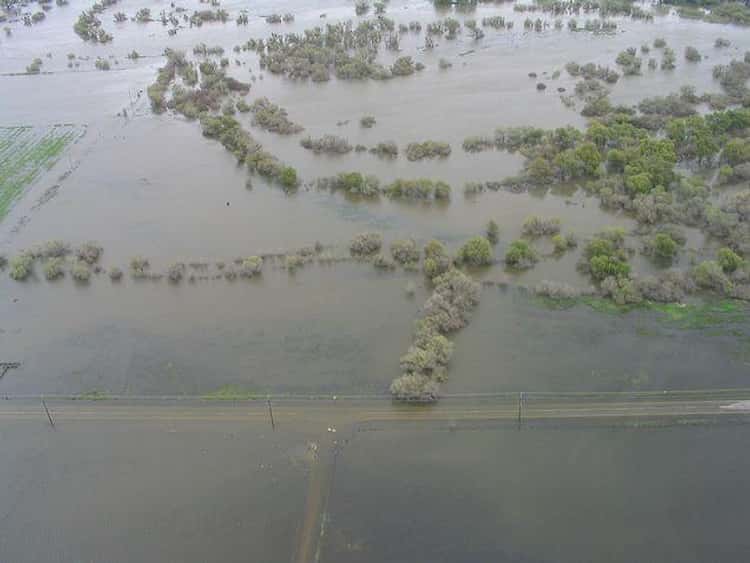
All this rain is great for our drought, but so much at once is saturating the ground and causing mud slides and flooding in Santa Cruz and low lying areas. (not us we’re on a hill in the city)
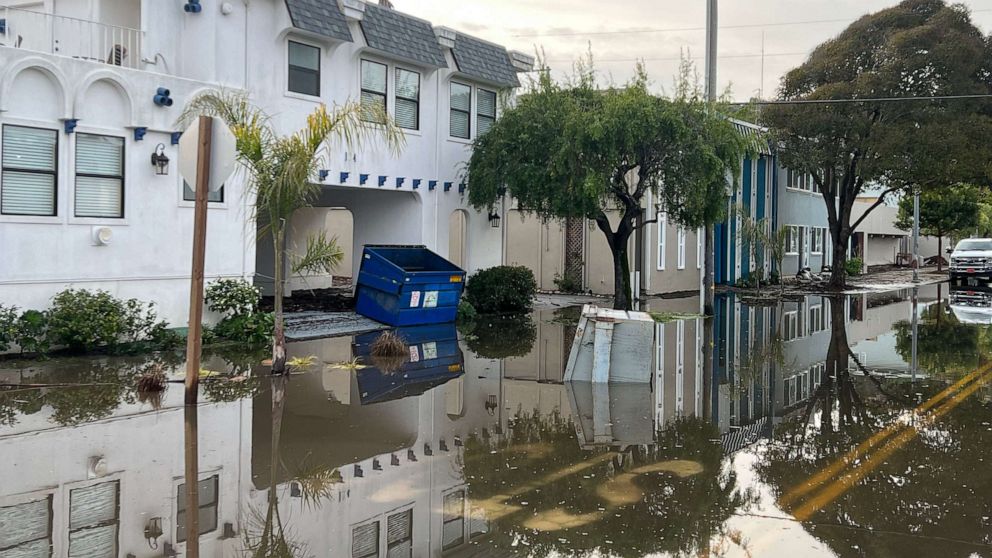
And we’ve had lots of power outages.
We lost power last night and after lighting some candles, we snuggled under an afghan, and after a long lovely chat, Husband went to bed early and I decided to read.
How romantic I thought, I’ll read by candlelight — imaging every Jane Austen novel.
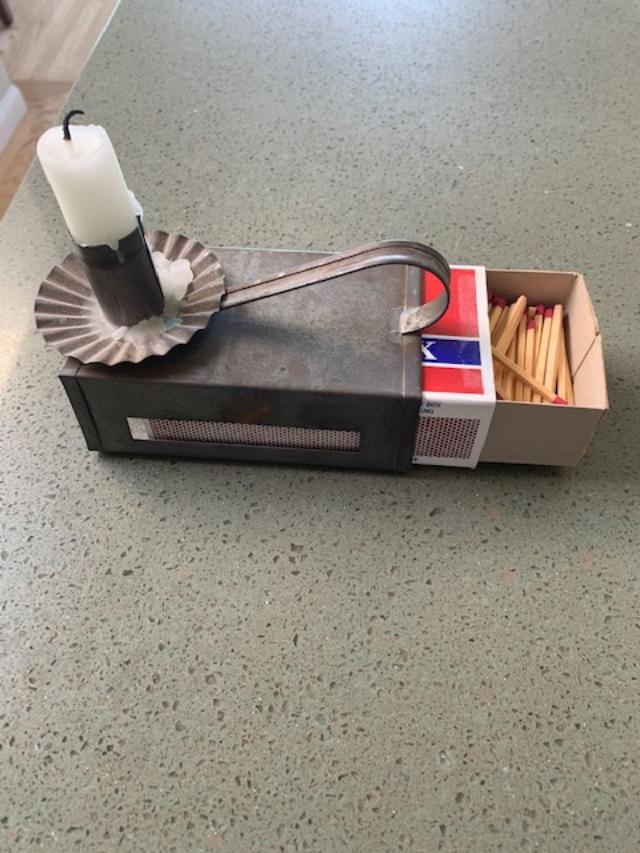
We unearthed our trusty candle holder we’ve had since living in New Hampshire, an ingenious Yankee design.
And so I picked up my current book which I’m almost finished.
And it worked for awhile, but I soon realized these
old, aged,mature eyes would need many more candles to read any longer.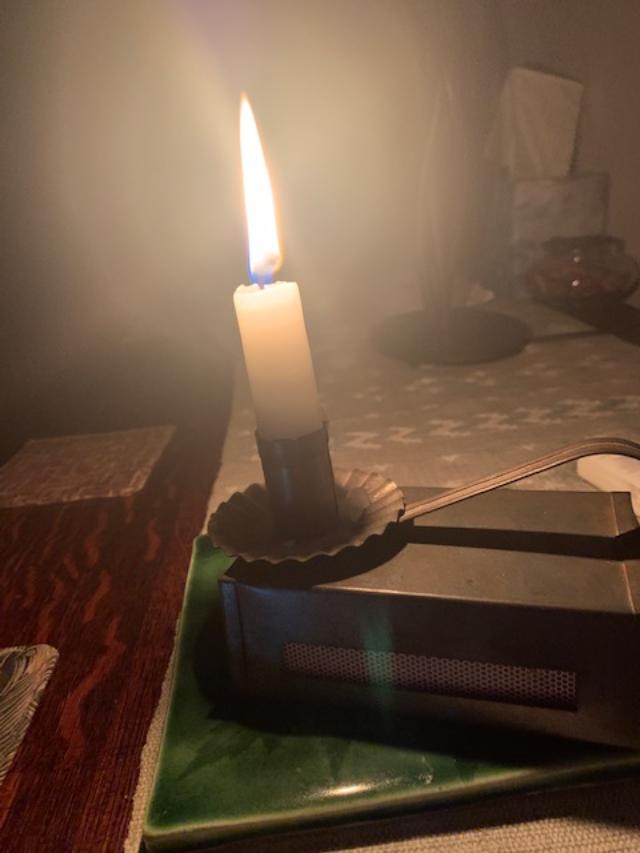
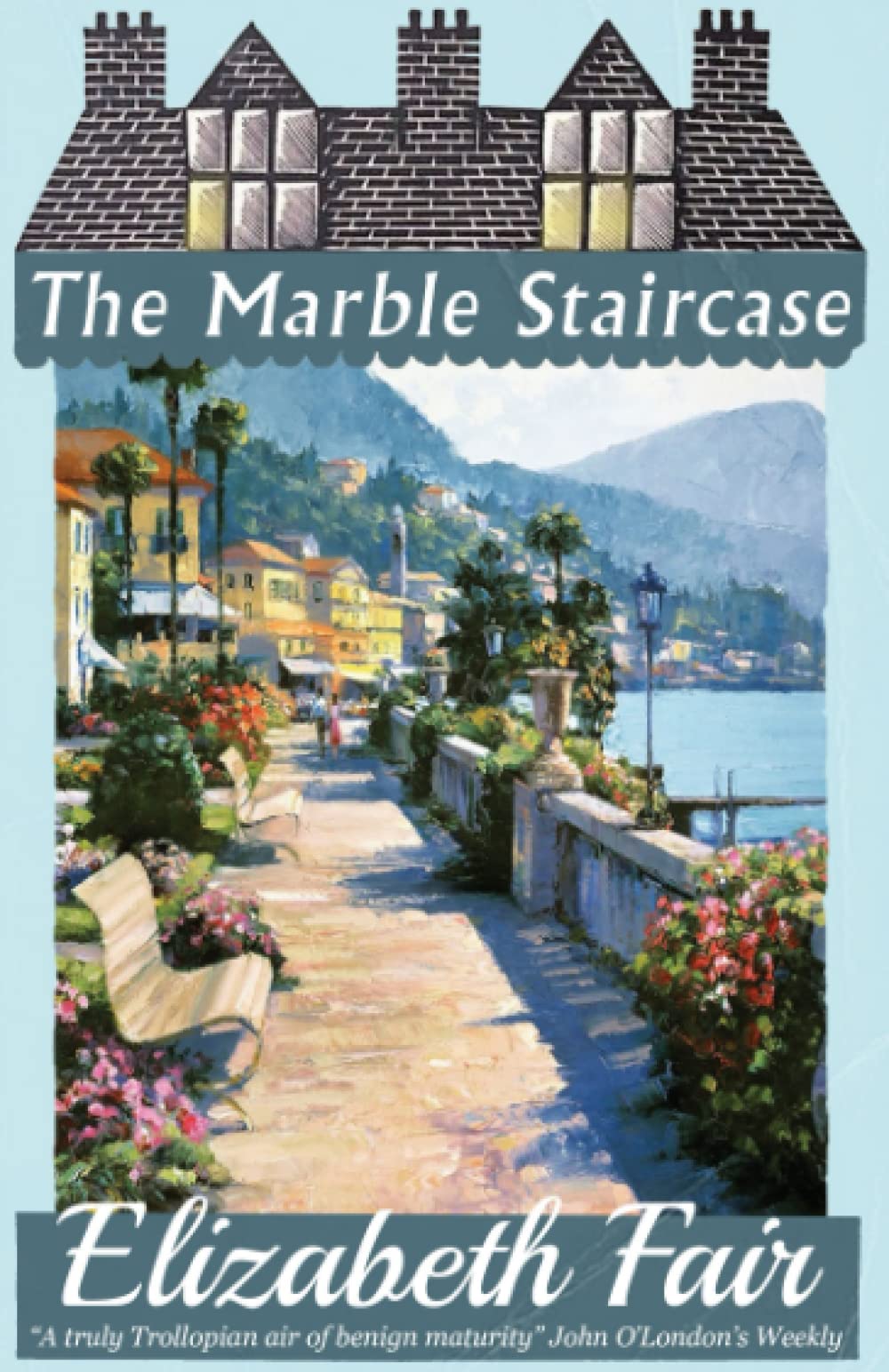
Well aware of the sham, and with the candle as ambiance, I turned on my Kindle at full light setting, and started this from Dean Street Press. Mine is a digital advanced reader in black and white, so I’ll show you the lovely cover in full color.
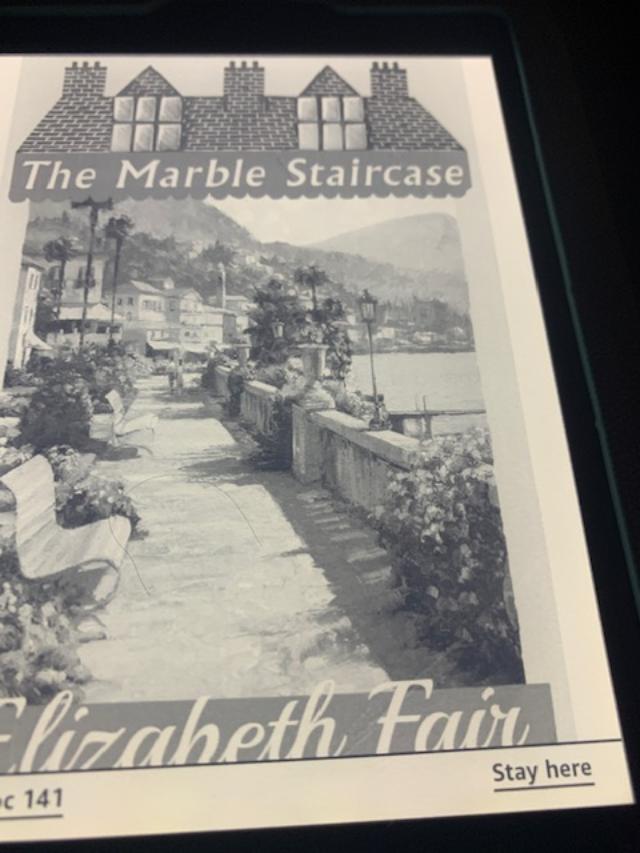
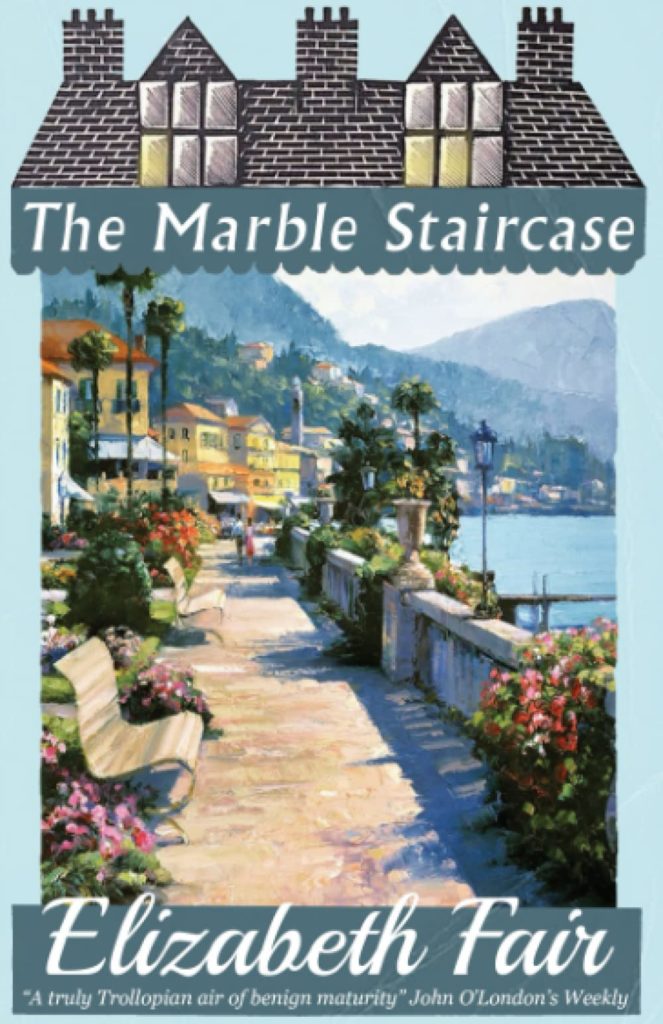
I read three delightful chapters by screen and candlelight before retreating to bed.
This morning the storm has passed, power is restored, and it’s 58 degrees and sunny. Such is life here in California.
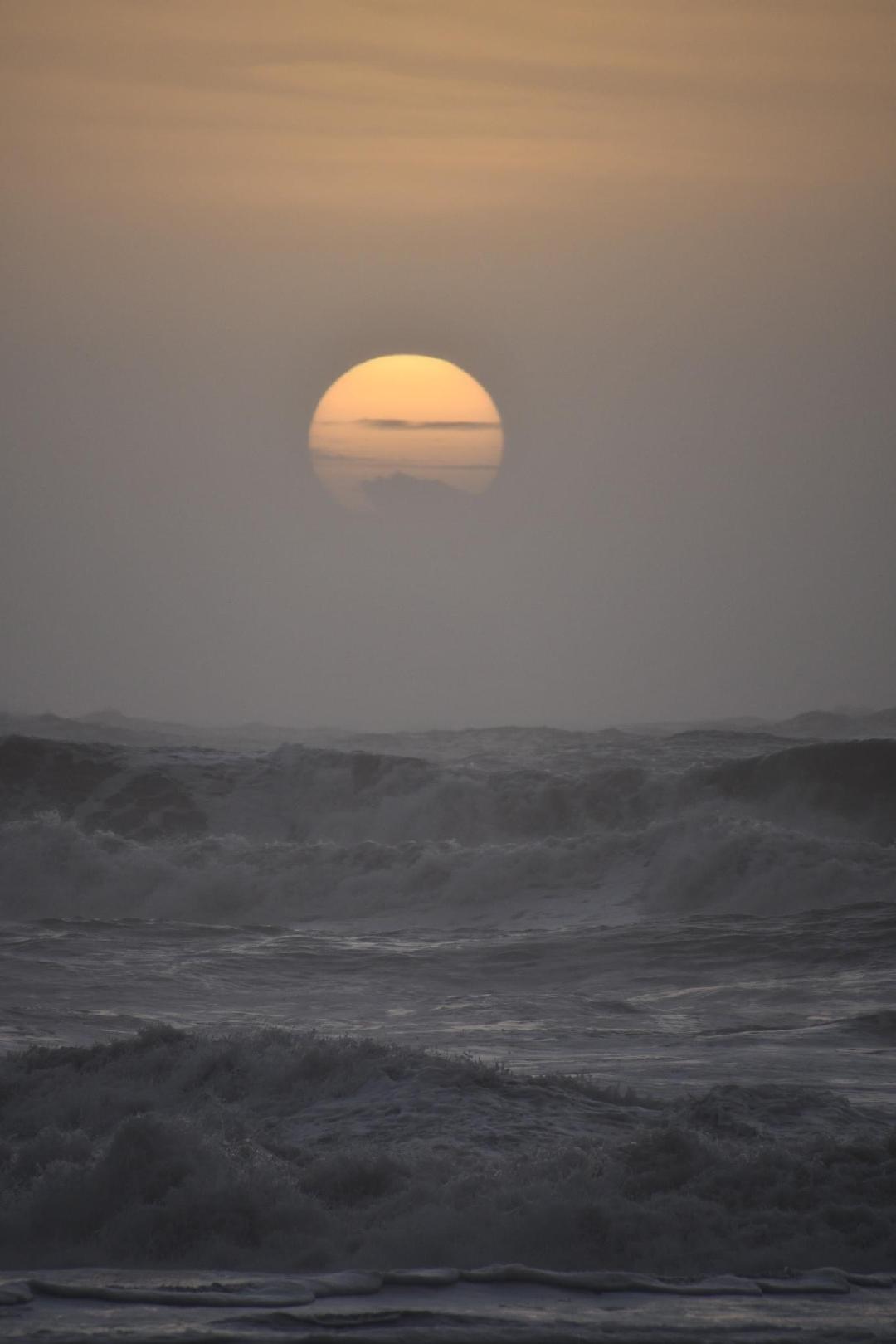
A friend who walks his dog down along beach sent me this photo of the surf a couple of evenings ago, just before the storm. Taken from a safe distance, he didn’t venture on to the beach with these enormous waves. The sound of the surf is loud even up here — blocks up from the beach.
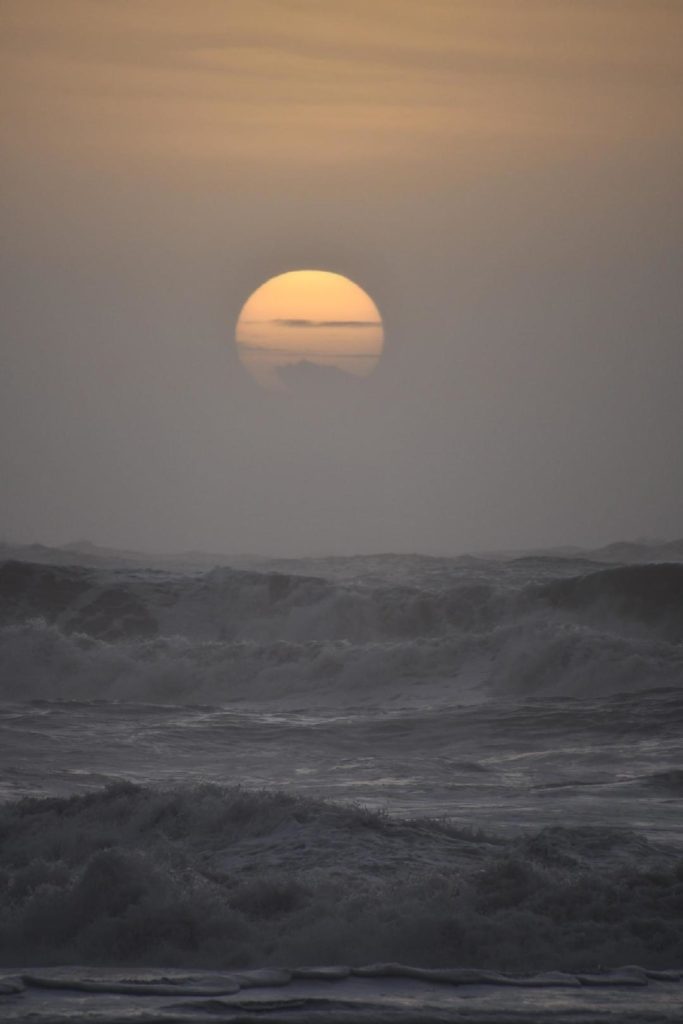
We will get another big storm on Monday, after that, the worst is over.
Our weather forecasters are experiencing the high point in their careers of boring weather reporting. Never heard them talk so fast.
We’re safe. We’re wimps. We’re Californians.

-
New Books for the New Year
Do I need any more books? Most would cry “certainty not”! Luckily, my loved ones are not in that crowd and sent me some off-the-charts special books this Christmas.
One from my sister and the other from a good friend — both of whom
listened to me whine aboutknow how much I miss my bookstore gig.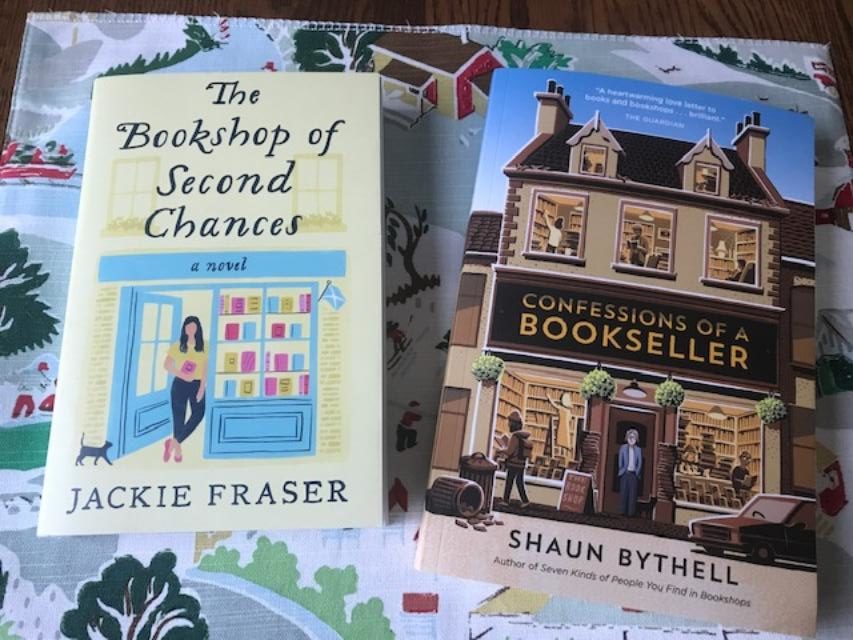
Both take place in Scotland (sigh of pleasure) – the first is a novel about a women who inherits a cottage in Scotland and opens a bookshop (yes, please), and the second is a true account of a bookseller running an idyllic bookshop in Wigtown, Scotland– a famous town known for its used bookshops (on my travel bucket list).
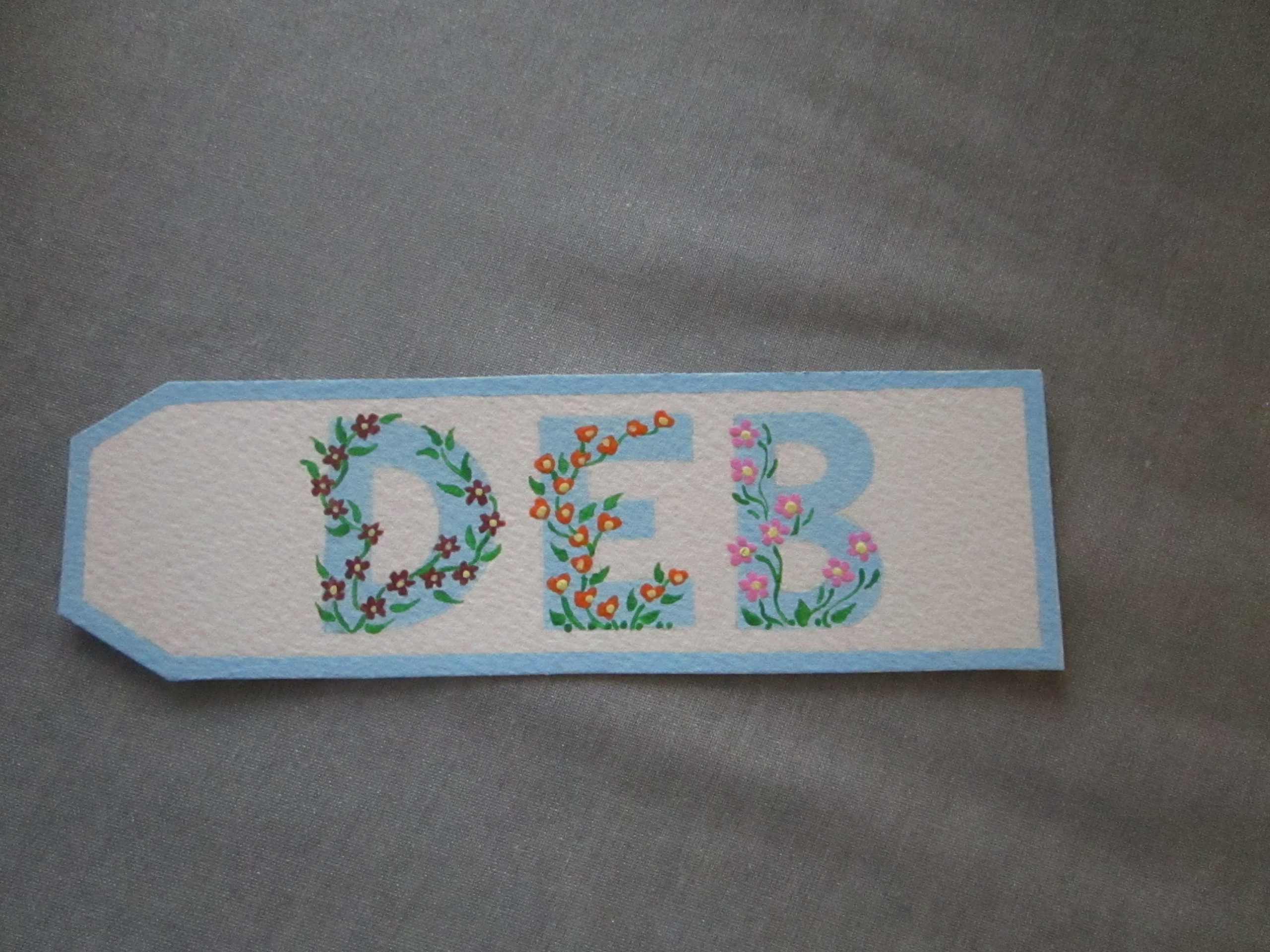
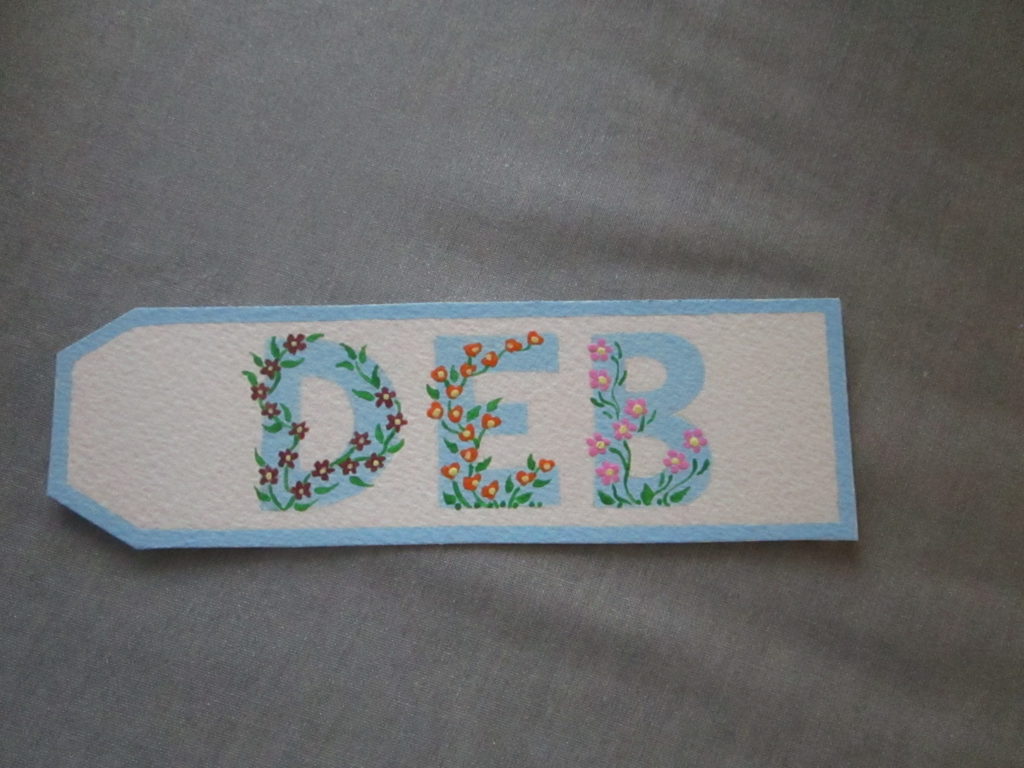
Also, just look at this hand-painted bookmark my artist friend made for me…another sigh.
Then, early in December, Husband asked me if there was something I wanted, but couldn’t (or wouldn’t) justify purchasing and he would get it for me. What a question! My response could have resulted in an exorbitant gift, but husband was secure in knowing it would likely be a book, rather than a car or jewelry.
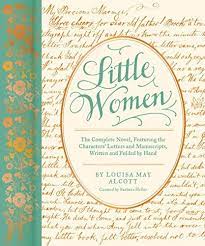
You see, I already own a beautiful copy of Little Women in my grandfather’s classics, so I couldn’t really rationalize a second copy.
But I really, really wanted this one.
Why?
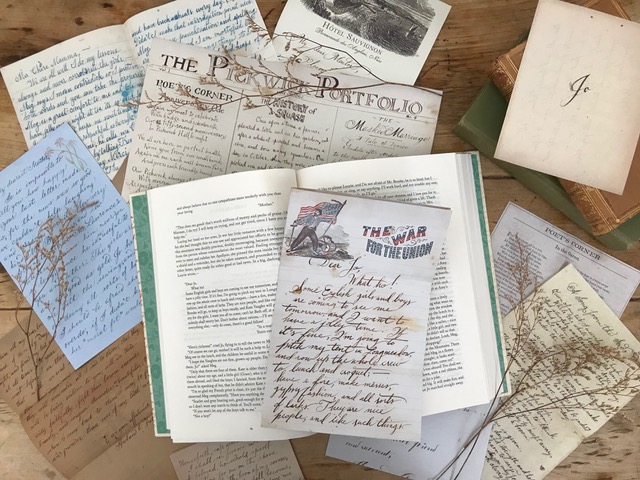
This edition is special. It contains pockets throughout containing gorgeous, removable replicas of significant letters, the home playbills, and other ephemera from the story, re-created with beautiful calligraphy and painstaking detail.
From the book’s blurb: “Pull out each one, peruse its contents, and allow yourself to be transported to the parlor of the March family home.”
And transported I shall be.
This rainy New Year’s weekend, I’ll be happily perusing my new books.
I shall end this year with a sincere and hopeful Book Barmy wish for 2023