-
Required Reading
 After my last post, a Book Barmy follower sent me the following essay from the NY Times Book Review. A must read for any book lover and those who love them (talking to you Husband). At the very least, scroll down to the last paragraph – my favorite bit.
All Those Books You’ve Bought but Haven’t Read? There’s a Word for That
By Kevin Mims
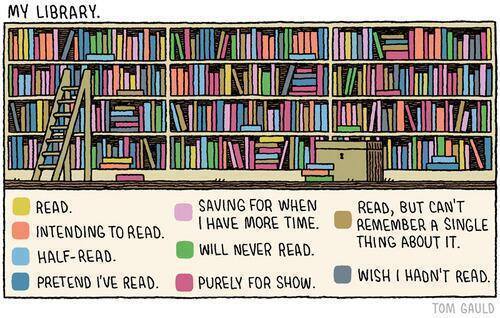
I own far more books than I could possibly read over the course of my remaining life, yet every month I add a few dozen more to my shelves. For years I felt guilty about this situation, until I read an article by Jessica Stillman on the website of the magazine Inc. titled “Why You Should Surround Yourself With More Books Than You’ll Ever Have Time to Read.” Stillman argued that a personal library too big to get through in a lifetime “isn’t a sign of failure or ignorance,” but rather “a badge of honor.” Her argument was a variation on a theme put forth by Nassim Nicholas Taleb in his 2007 best seller “The Black Swan,” a book about the outsize impact on our lives of large, unpredictable events. In essence, Taleb claims that although people tend to place a higher value on the things they know than on the things they don’t know, it is the things we don’t know, and therefore can’t see coming, that tend to shape our world most dramatically.
A person’s library is often a symbolic representation of his or her mind. A man who has quit expanding his personal library may have reached the point where he thinks he knows all he needs to and that what he doesn’t know can’t hurt him. He has no desire to keep growing intellectually. The man with an ever-expanding library understands the importance of remaining curious, open to new ideas and voices.
Taleb argues that a personal library “should contain as much of what you do not know as your financial means, mortgage rates and the currently tight real-estate market allow you to put there. You will accumulate more knowledge and more books as you grow older, and the growing number of unread books on the shelves will look at you menacingly. Indeed, the more you know, the larger the rows of unread books. Let us call this collection of unread books an antilibrary.”
I don’t really like Taleb’s term “antilibrary.” A library is a collection of books, many of which remain unread for long periods of time. I don’t see how that differs from an antilibrary. A better term for what he’s talking about might be tsundoku, a Japanese word for a stack of books that you have purchased but not yet read. My personal library is about one-tenth books I have read and nine-tenths tsundoku. I probably own about 3,000 books. But many of those books are anthologies or compilations that contain multiple books within them. I own a lot of Library of America volumes, a series that publishes the complete novels of authors like Dashiell Hammett and Nathanael West as a single book. Thus, my 3,000-book library probably holds more than 6,000 works. Once I have read a book, I often give it away or trade it in at a used-book store. As a result, my tsundoku is ever expanding while the number of books in my house that I have read remains fairly constant at a few hundred.
In truth, however, the tsundoku fails to describe much of my library. I own a lot of story collections, poetry anthologies and books of essays, which I bought knowing I would probably not read every entry. People like Taleb, Stillman and whoever coined the word tsundoku seem to recognize only two categories of book: the read and the unread. But every book lover knows there is a third category that falls somewhere between the other two: the partially read book. Just about every title on a book lover’s reference shelves, for instance, falls into this category. No one reads the American Heritage Dictionary or Roget’s Thesaurus from cover to cover. One of my favorite books is John Sutherland’s “The Stanford Companion to Victorian Fiction.” It’s a fascinating, witty and very opinionated survey of Victorian England’s novels and novelists, from the famous (Dickens, Trollope, Thackeray) to the justifiably forgotten (Sutherland describes the novels of Tom Gallon as “sub-Dickensian fiction of sentiment and lowlife in London, typically written in an elliptical, rather graceless style”). I’ve owned the book for 20 years and derived great enjoyment from it, but I doubt I’ll ever manage to read every word of it or of dozens of other reference books on my shelves.
Nor do I typically read biographies all the way through. Biographers have a tendency to shoehorn every last tidbit of information they can into their books. I don’t really care about the marks that Ogden Nash received on his third-grade report card or how many trunks of clothing Edith Wharton had shipped across the Atlantic when she moved to France. There are probably hundreds of biographies in my personal library. I have read parts of most of them but I have read very few in their entirety. The same is true of collections of letters. Whenever I finish reading a work of fiction by, say, Willa Cather, I’ll be inspired to pull out the massive tome “The Selected Letters of Willa Cather” and try to get the measure of what the author was like when she was “off duty.”
These cannot be counted as books I have read, but nor can they be labeled tsundoku. Like much of my library, they live in the twilight zone of the partially read. Taleb argues that “read books are far less valuable than unread ones,” because unread ones can teach you things you don’t yet know. I don’t really agree with him. I think it’s a good idea to keep your shelves stocked both with books you’ve read and books you haven’t. But just as important is that third category of book: those you haven’t read all of and may never get around to finishing.
The sight of a book you’ve read can remind you of the many things you’ve already learned. The sight of a book you haven’t read can remind you that there are many things you’ve yet to learn. And the sight of a partially read book can remind you that reading is an activity that you hope never to come to the end of.
Perhaps the Japanese have a word for that.
Kevin Mims lives in Sacramento and works at the Avid Reader bookstore, where he has partially read much of the inventory.
-
Conversations
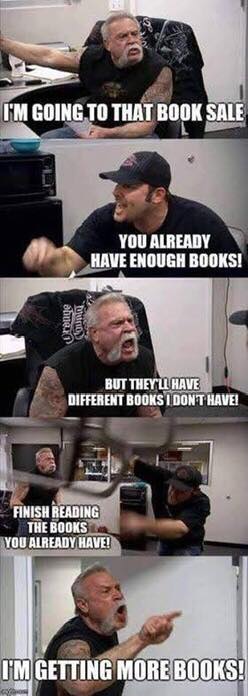
The ongoing conversation in our house ~~
-
A Halloween Booooooook Sale…
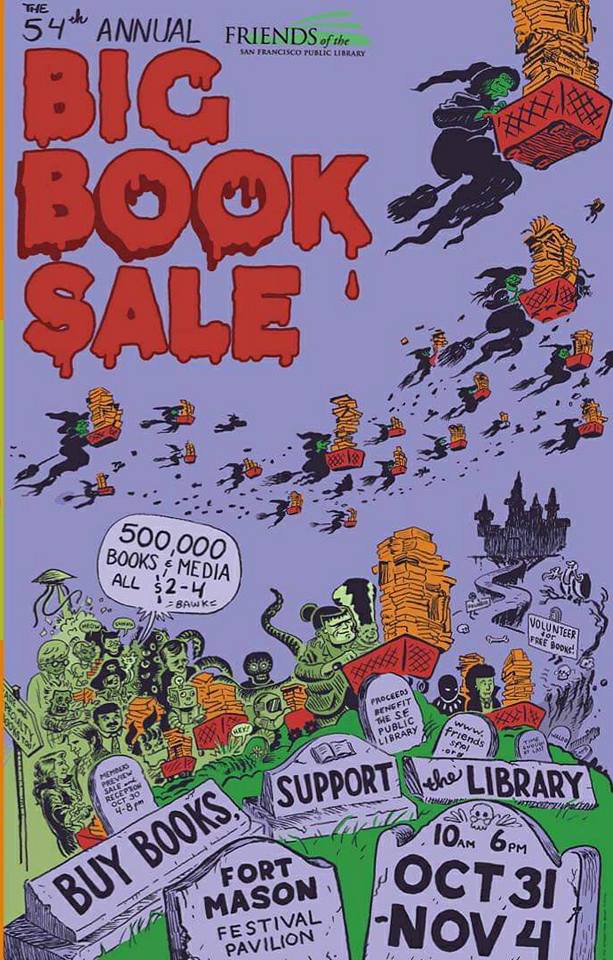
It’s that time again…the
The Big — Really Big — Book Sale
The iconic annual tradition here in San Francisco.
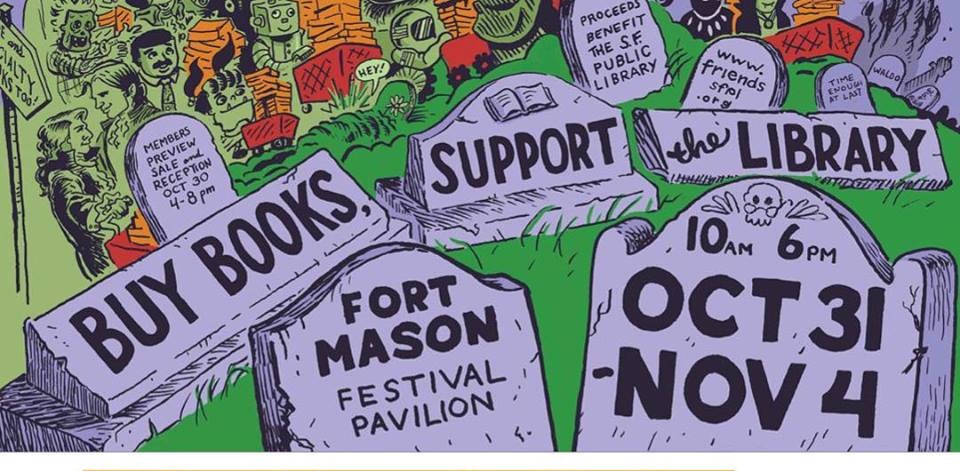
This Friends of the SF Public Library sale is the largest used book sale in the West and attracts book lovers from around the nation. Over 500,000 books and media with nothing priced over $4. You know you’re in trouble when they give you a shopping cart as you enter the Festival Pavilion at Fort Mason
Pretty amazing. Come and see for yourself. Dates above.
No question, I’ll be there — both volunteering and shopping.
-
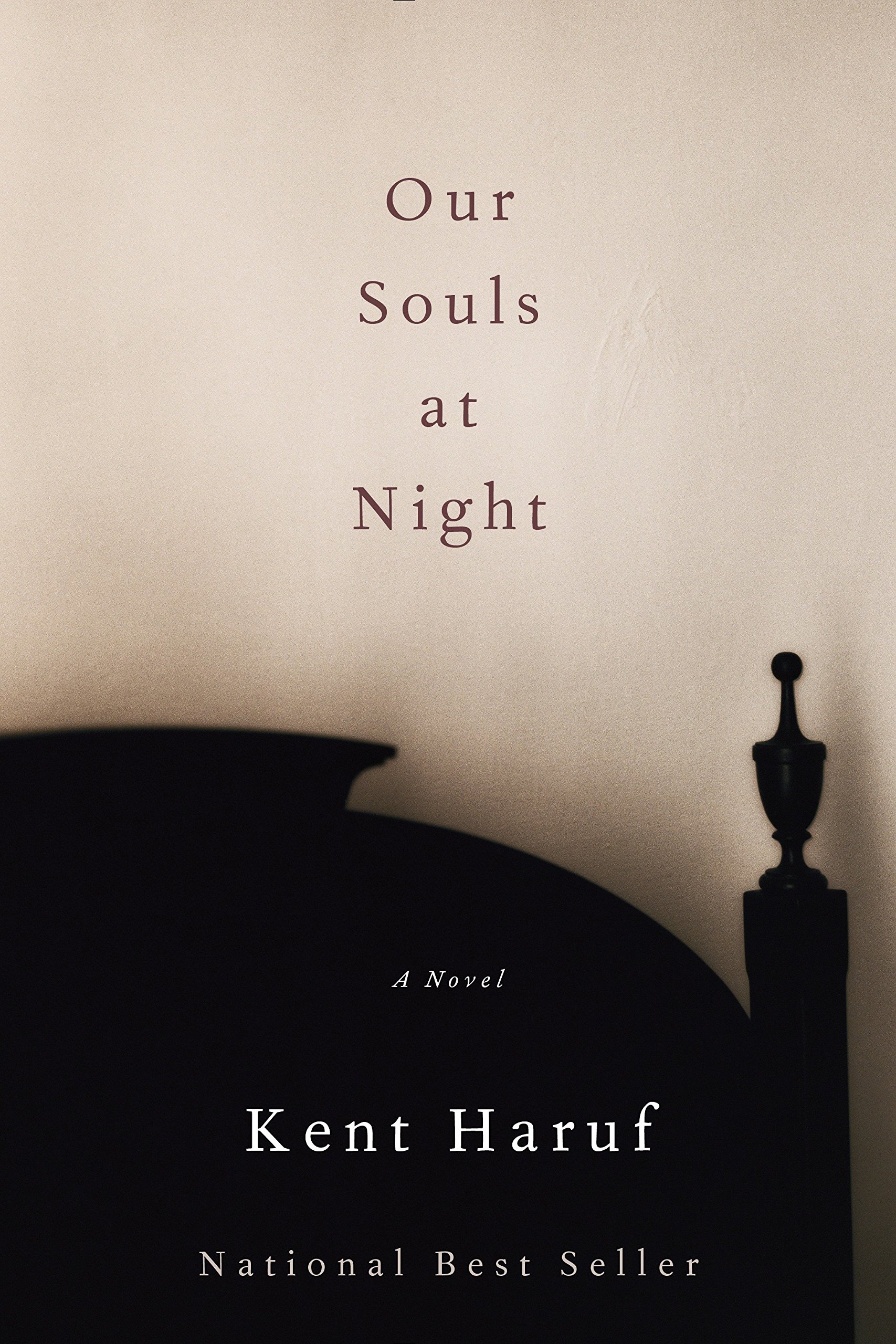
Our Souls at Night by Kent Haruf
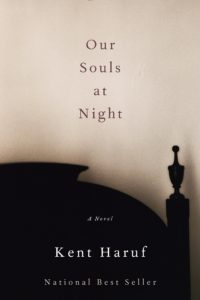 Our Souls at Night is a beautiful, hopeful book – but alas, not everyone’s cup of tea.
 Set in a small town in Colorado, Louis and Addie are neighbors, both in their 70’s and both widowed. They know each other, chat when they see each other — just neighbors of the same age.
The book opens with Addie visiting Louis and proposing they spend their lonely nights together – sleeping in the same bed, companionship, no sex, also with the hope they will both be able to sleep better.
The characters Louis and Addie unfold naturally through their nightly conversations telling about their lives—the happy and sad moments, their regrets, the unfulfilled dreams. They discuss their late spouses and their children. They talk about life. But most of all, they find comfort in each other’s company. They are achingly human in their loneliness and need for companionship and they ignore what the townspeople have to say about their arrangement.
When Addie’s troubled grandson comes for the summer, their relationship deepens (yes, that’s just what it means) as they give the little boy a special summer filled with softball games, overnight camping, and the responsibility of his first dog.
Many readers are put off by Mr. Haruf’s spare writing style – his lack of quotation marks and sometimes clipped dialogue. But I admire his deceptively simple language which conveys complicated relationships, heartbreak, and humor. Every word is essential. There is nothing extra. Our Souls at Night uses elegant, almost poetic, prose to move the story forward quickly — it can be read in one evening — yet there’s a leisurely sense of time.
The ending is sad and, for me, a bit unsettling as Addie is portrayed as a capable woman who isn’t afraid to make her own choices, yet she conceded to her controlling son, and gave up a relationship that was bringing joy to her life. But then again, Our Souls at Night is all about humans, their frailties, and the way life really is.
All Mr. Haruf’s books are worth reading and re-reading on so many levels, for their simplicity and accessibility — but especially their literary qualities, an unfortunately rare combination. You know you have read “literature” when you have read Haruf, but the experience is effortless.
Netflix made a film based on this novel starring Jane Fonda and Robert Redford, and after you’ve read the book it’s well worth watching — these two actors do a wonderful job of capturing the characters and their relationship.
Trailer HERE
Sadly, this was Mr. Haruf’s last book as he passed away in 2014.
-
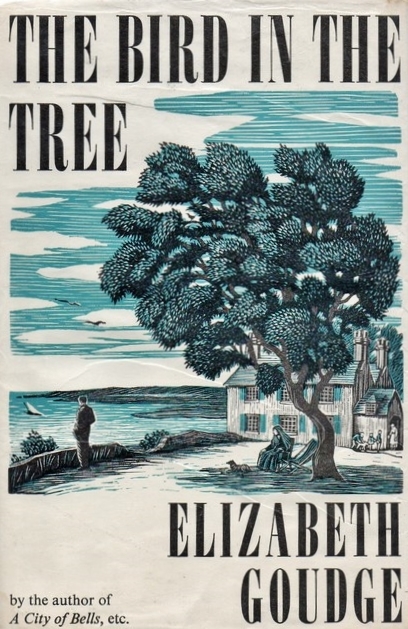
The Bird in the Tree by Elizabeth Goudge
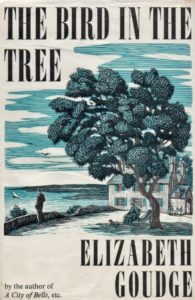
“Pick up an Elizabeth Goudge novel and from the first page you will feel your shoulders drop.”
The above quote comes from from Cornflower Books, one of my favorite book blogs. Cornflower hails from somewhere in Northern England and her two blogs are filled with the joy of books such as this, but also gardening, knitting, cooking and art — a kindred spirit. Click above or on the blog list to the left to see for yourself.
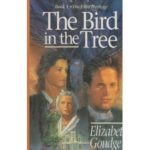 Based on Cornflower’s review and in a desperate mood for an old-fashioned read, I got The Bird in the Tree –with this dreadful cover — from the library. (I much prefer the vintage cover above).
Elizabeth Goudge is a British writer, probably best known for her novel Green Dolphin Street (nope, haven’t read it). The Bird in the Tree is set in 1938 and is the first in a trilogy about the Eliot family and their beloved home, Damerosehay on the Hampshire coast.
Nothing better than a British house setting I thought as I opened the book, trying not to form images of the characters from the tacky 1980’s cover.
The first thing to strike this reader is that Ms. Goudge is verbose. She obviously loved nature and takes pages to describe the beauty in her settings — from the gardens, to the sunsets, grand water views, and even the individual birds.
Soon, however, as the quote above predicted, my shoulders lowered and I relaxed into the slow rhythm and realized I was enjoying some very nice writing.
Early in the novel there’s a flashback to when Lucilla and her young grandson first discover the house that would become Damerosehay. The descriptions (there’s pages of them) of the abandoned home and its gardens makes for some enchanting reading. Here’s just a taste:
…for it was such a garden as neither of them had seen before. It was a wild, crazy garden, the kind of garden in which the sleeping beauty and her court lays sleeping for a hundred years. Once it had been planted with orderly care and neatness, but now all the flowers and trees and bushes had gone mad together with a sort of jubilant madness that was one of the loveliest things Lucilla had ever seem. The rose trees, bright with their new green leaves, were running riot everywhere, climbing up over the old wall, festooning themselves over the cherry trees and oak trees, cherry trees to the east and oaks to the west that grew in the tangle of wild grass that had once been lawns and flowerbeds …
Lucilla,with the help of her children, purchase the house and it is transformed into the warm and beautiful place she wants as a safe haven for her children, their children and generations beyond.
Lucilla and her family are far from perfect. The characters are revealed through both their actions and innermost thoughts and thus, we discover the Eliots share heartbreak and wounds — not to mention the art of manipulation and resentment — all bubbling just beneath the surface. There’s an ill-advised love affair that threatens the Eliot family relations. Some past secrets are revealed and others stay – well secret. But mostly this is a novel about people and a home they love.
Lucilla’s son Hilary (don’t you just love British names) although the least clever of the Elliot family, turns out to be the happiest, in his role as village vicar:
…Fairhaven liked to hear the [church] bell tolling out every morning, sounding through the winter darkness as though to tell them that the night was over or ringing through the spring and summer birdsong like another bird calling in the sky. The ungodly, rousing from sleep, set their watches by this bell, and the godly whilst also setting their watches, remembered that, at this hour Hilary was praying for them. They were glad of that, for they liked Hilary.
Hilary as expected does give deliver advice and counsel, but it’s nothing compared to the morale high ground voiced by Lucilla and her long time ladies maid, Ellen (yes, there’s a lady’s maid). I shook my head in amusement and dismay at their self assurance when weighing in on other people lives.
But in the end, the Eliots love each other and while they suffer from an excess of contemplation, they are good people who do the right thing – and yes, there’s a neatly-tied-up-fairly-happy ending.
Old fashioned, overly sentimental and, at times, melodramatic — The Bird in the Tree was just what the doctor, or in this case, Cornflower Books recommended – I felt better having read it.
The second in this series – Pilgrim’s Inn is on my list for the next time I’m in need of a restorative read.
-
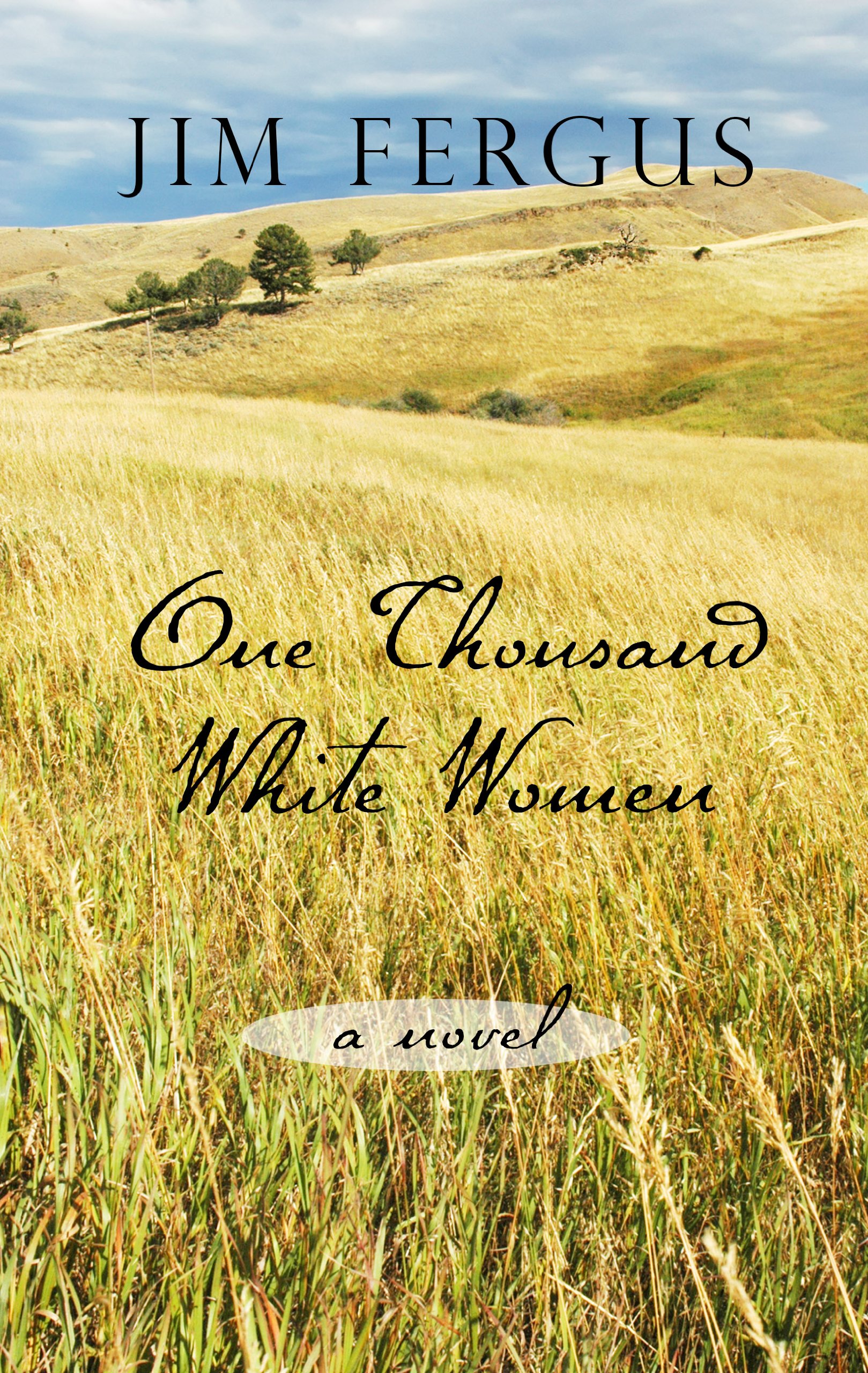
One Thousand White Women by Jim Fergus
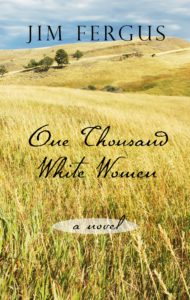 This book has languished on my shelf for years, and for some reason the other day I decided to give it a try…and got lost in it for days.
I didn’t just read this book — I inhabited it.
Published back in 1998 (which may be how long I’ve had it), One Thousand White Women is a fictional re-imagining of a true event. In the author’s note, Mr. Fergus writes that he came across an interesting historical record. In 1854 at a peace conference, a Cheyenne chief made a request to trade white women for horses. The Cheyennes astutely saw the future and were looking for a peaceful solution. The women would become brides and their children would allow easier assimilation into the white man’s society. The request was soundly rejected by the US government.
But, Mr. Fergus wondered, what if it did happen? What if the government agreed to this absurd proposal and sent white women to marry into the Cheyenne tribe? The result is this wonderful and devastating book.
The novel imagines that the government recruited women volunteers from brothels and institutions under a so-called BFI (Brides for Indians) program to “assimilate the heathens”. One Thousand White Women centers on May Dodd whose story is told through her journals and letters.
May Dodd comes from a prominent Chicago family. When she runs off with a common laborer and has two children out of wedlock, her influential father has her committed to an insane asylum and has taken her children away to educate properly. With nothing left to lose, May volunteers for the program:
Frankly, from the way I have been treated by the so-called civilized people in my life, I rather look forward to residency among the savages.
And so we’re off with the first trainload of white women bound for the Great Plains and their new lives as brides of the Cheyenne nation. On the train are a troupe of vulnerable women and these supporting characters start out predictably stereotypical. We have Irish twins out to scam everyone, a fallen Southern belle (who hates blacks and uses the N word), a large homely Swiss woman — well the list goes on. I must admit, here the writing became clunky. But as the novel goes on, we learn each woman has their own reasons to want to start new lives. During their long journey the women get to know each other, reveal their various sad backgrounds, and as Fort Laramie draws closer, they grow more frightened and are drawn closer.
Eventually, they reach Fort Laramie where they are told to take only what they can carry and continue their journey on horseback. Once they arrive at the Cheyenne camp, there are nowhere near 1,000 women, merely 40-50 total and the women question their decision.
So what is our position then — officially speaking? Are we nothing more than sacrificial lambs? An interesting, but unsuccessful political experiment? Missionaries stranded in the line of duty? Or perhaps easiest to explain, white women gone astray, taking up with savages of our own volition?
After they are left behind, the women inevitably have to adapt to the camp and its inhabitants. They are eventually paired off with Cheyenne men and wedding plans are made. May is pleased to marry the chief, Little Wolf, some of the other women are less fortunate. But all make the best of the situation.
And here is where I fell headlong into the wonderful descriptions of the challenges, beauty and even the drudgery of daily life with the Cheyenne. The wild landscape, hunting for game, bathing in ponds, cozy teepees, and the Cheyenne wedding ceremonies. But all is not idyllic, there are battles with other tribes, violent rapes (yes that’s plural), and the Cheyenne’s first experience with whisky (not good). Mr. Fergus has done some fine research on 19th century native American culture, and his writing shows both compassion and insight.
There’s a poignant turning point when, after six months, the women return with their husbands and tribe to visit Fort Laramie. Wearing deerskin dresses and many now pregnant, they are not welcomed but rather met with revulsion and horror by the residents. They now look, act, and smell like squaws and bear no resemblance to the white women they once were.
How strange to recall that six months ago we departed Fort Laramie as anxious white women entering the wilderness for the first time; and now, perhaps equally anxious, we leave as squaws returning home. I realized anew as we rode into the cold north wind on this morning that my own commitment had been forever sealed by the new heart that beats in my belly; that I could not have remained even if I so wished.
Some readers may have trouble with the plausibility of this story and many other reviewers found One Thousand White Women ludicrous. My only quibble was the modern day insights and actions that leaked into the journals and letters of what was supposed to be a typical 19th century woman. There were even some thoughts on global warming, which I doubt was on the minds of anyone living in the late 1800’s.
But still, I found One Thousand White Women captivating and completely different. I often forgot reality and the fact that I was reading a novel. I was living in a different world — in a different time. A stay-up-late adventure story filled with action, humor, romance, insight and beauty.
BookBarmy Warning: there is graphic sex and violence – this is not a book for the faint of heart or prude. Nonetheless, I’m passing it on to my mother – as she is neither.
-
A Reflection
A moment of reflection~~
I was so very fortunate to have gone to high school with boys who, while far from perfect, were brought up to respect girls, didn’t take advantage and understood—no matter the circumstances, party drunk or not ~ that NO means NO.
Many of those boys are still friends and one very special one, I married.

-
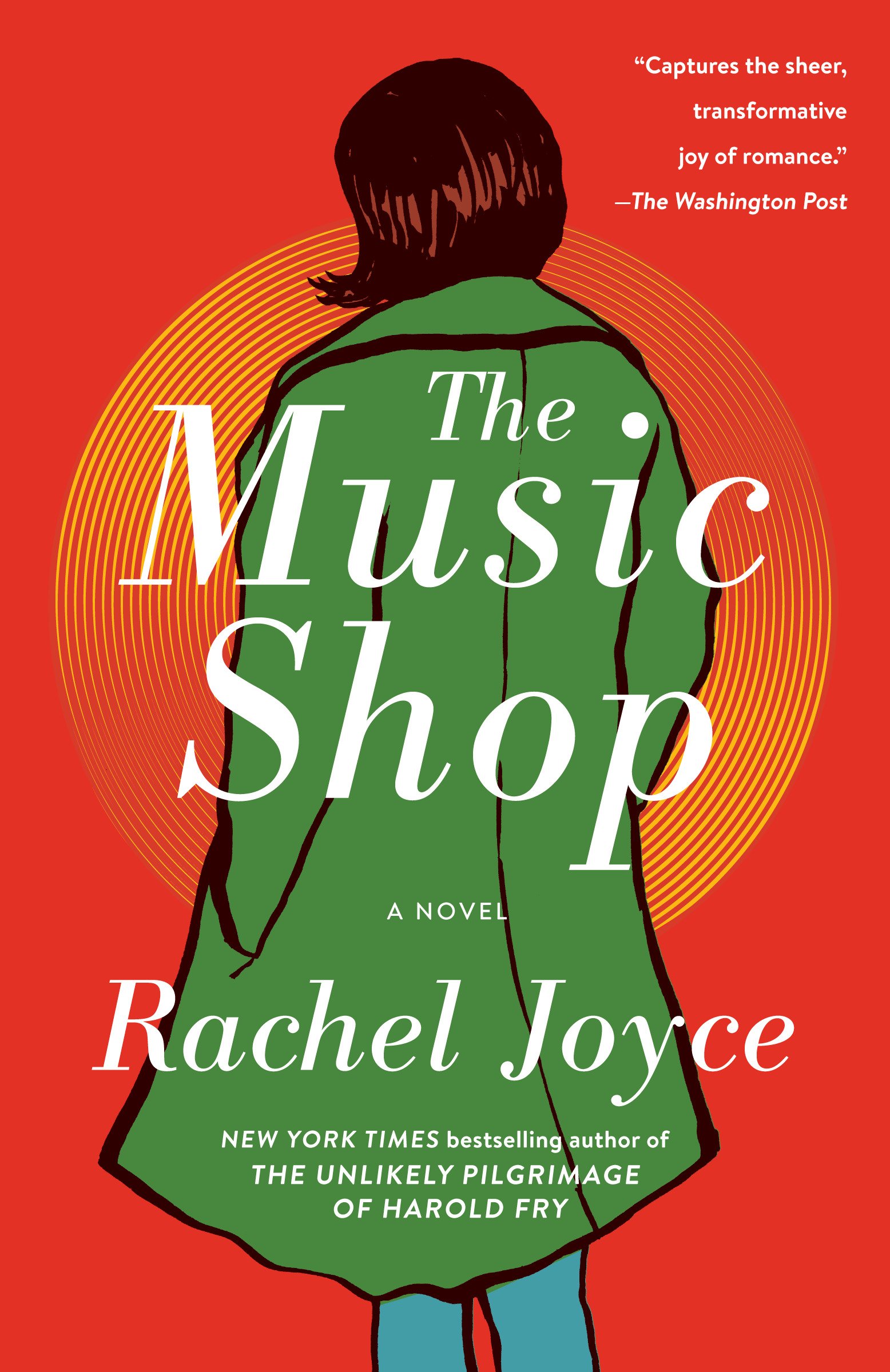
The Music Shop by Rachel Joyce
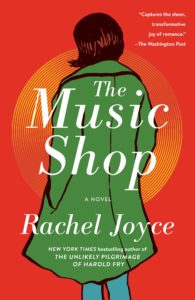 I’m re-posting this review, because I found a copy of this gem in one of my little free libraries — and decided to re-read it the other night. Maybe it was just my mood, but I enjoyed it just as much – if not more – with the second reading. The Music Shop is deceptive novel, seemingly simple — but actually delves deep to celebrate the joy and comfort of music and the kindness of friends. Perhaps a reminder we all need.
Right up there with my love of books and reading — is a love of music. Music of all sorts really — from jazz to classical, early choral to classic rock. There are CDs and records aplenty in the cupboards and I nerd out creating Spotify playlists for both entertaining and my quiet reading times. There’s most always music playing in our house (with the exception of football season).
So when The Music Shop came to me, I was jazzed (sorry). Not only because it was from the author that wrote THIS, but also because it had been highly touted by other book bloggers.
It’s 1988 in a provincial town in England, and down on Unity Street is a dingy music shop run by the shy, socially awkward Frank.
There was once a music shop. From the outside it looked like any shop, in any backstreet. It had no name above the door. No record display in the window. There was just a homemade poster stuck to the glass. FOR THE MUSIC YOU NEED!! EVERYONE WELCOME!! WE ONLY SELL VINYL!!”
Unity Street also boasts a pub and six shops facing a row of Victorian houses. The neighborhood is slowly deteriorating as shops face economic decay and reluctantly sell out to developers. We’re introduced to the cast of characters on Unity Street — a grim tattoo artist, a recovering alcoholic ex-priest who runs a religious gift shop, a hand-holding twin brother team of undertakers, a grumpy tea-shop waitress, the overly-enthusiastic adolescent music shop assistant, and of course, Frank, forty, single and living above his music shop. This band of motley neighbors and shop owners are somehow endearing – as they care and help each other.
Frank is somewhat of a music savant — he can sense the music that will help those who come into the music shop searching for some sort of solace in a record.
Frank could not play music, he could not read a score, he had no practical knowledge whatsoever, but when he sat in front of a customer and truly listened, he heard a kind of song.
His shop was permanently occupied by people who would otherwise be roaming the streets or weeping in bedsits.
Frank made listening booths from old wardrobes:
[these booths] Frank had made himself from a pair of matching Victorian wardrobes of incredible magnitude he had spotted on a skip. He had sawn off the feet, removed the hanging rails and sets of drawers, and drilled small holes to connect each one with cable to his turntable. Frank had found two armchairs small enough to fit inside, but comfortable. He had even polished the wood until it gleamed like black gloss paint, revealing a delicate inlay in the doors of mother-of-pearl birds and flowers.
I can just imagine listening to music cocooned is such loveliness. Chapters start with music titles, so as I was reading The Music Shop, I would play the exact music. And because this book is all about music — The Washington Post called it “an unabashedly sentimental tribute to the healing power of great songs”, The Music Shop has its own soundtrack. I will link the music where I can throughout, making this an interactive review and will give you the entire playlist at the end — no charge.
For Maud (the tattooist), Frank recommends Samuel Barber’s Adagio for Strings, eight minutes of music that convinces her that while her life is not that great, or even fair, it may be worth living anyhow. (One of my favorite pieces of music ever, always brings tears to my eyes.)
For a groom whose bride cheated on him, Frank pulls out one of Aretha’s early albums and puts him in the listening booth to hear one song — Oh No Not My Baby
Frank’s unconventional and troubled mother, Peg taught him about music and the book flashes back to a younger Frank on the floor listening to records with his mother. Just a couple of my favorite passages:
if you listen, the world changes. It’s like falling in love. Only no one gets hurt.
This is the record that will change history,’ said Peg. ‘Why?’ She blew a plume of smoke towards a tea-coloured patch on the ceiling. ‘Because it takes music to a whole new place. Miles Davis booked all the best players but they had hardly any idea what they were going to play. He gave them outlines, told them to improvise, and they played as if the music was sitting right with them in the studio. One day everyone will have Kind of Blue. Even the people who don’t like jazz will have it.’
But wait, there is a plot in The Music Shop. One day, Ilse, a mysterious German woman faints outside the music shop and while Frank and his assistant come to her aid, Frank falls in love with her.
Ilse falls for Frank as well, but neither are ready or willing to show their feelings yet. Ilse asks Frank to teach her about music and they meet every week in the tea shop (with the grumpy waitress) and Frank talks and talks about music. Not knowing how to express his love, he instead shows his heart through his love of music.
He was perfectly fine with emotions, so long as they belonged to other people.
Franks tells her of Pérotin a 12th century European Composer.
Once you’ve heard Beata viscera, you’ll never forget it. It’s just a single human voice but it feels like stepping onto a bird’s back. The moment it starts, you’re flying. It takes you up, it swoops you down, and then it lifts you so high you’re a pinprick in the sky. But if you close your eyes and really listen, it holds you safe the whole way. Until I heard [it] I had no idea human beings could be so beautiful.
There’s a hidden identity, a misunderstanding, Ilse flees back to Germany and it appears Frank has lost the love of his life – or has he? Meanwhile, the neighbors and shop owners must fight developers who want to take over Unity Street. The threat of gentrification looks inevitable and Frank’s beloved shop may have to close. Broken hearted Frank no longer cares – or does he? You’ll have to read the book to find out — no spoilers here.
Where Ms. Joyce really shines is in her literary ability to bring music to life — all forms of music. The solace and joy of music. Why we listen and why we need music in our lives. But most importantly — how music can change a life and perhaps even save one.
The silence at the beginning of a piece of music is always different from the silence at the end.
As you may have surmised, this is not Dostoevsky, it’s a simple plot, but with a great deal of heart. The Music Shop is a book you’ll read with a smile. This is the type of book I love reading and I suspect you will too.
We can tackle The Brothers Karamazov later.
Complete soundtrack:
A digital review copy was provided by Random House via Netgalley
-
The Wonky Donkey
 What’s this?
A children’s book on Book Barmy?
Just watch this lovely Scottish lady reading the book to her grandson…
I’ll wait right here. Turn the sound up. And be sure to watch to the end.
Didn’t that just make you smile?
This video is all over the web right now. I decided to see if I could find a copy of this hysterical book for some favorite parents and grandparents.
Obviously, everyone else had the same idea — it’s out of stock and a few grubby folks with used copies are asking $500!
I imagine the publisher is furiously reprinting The Wonky Donkey as we speak. I’ll be buying multiple copies…
-
The Great British Baking Show Returns

As I previously confessed, I’ve hardly any books to tell you about.
And now that I have some free time to catch up on my reading…what am I doing instead?
Yup — The Great British Baking Show is back as of August 31st.
This new season is packaged as Season 5 in the United States (airing on Netflix), but aired as Season 8 in England. It’s the first season after the show’s move from BBC to the British Channel 4 (a head scratching move for many of us). It’s also the first season with the new lineup of hosts and judges (Noel is a creative casting choice to be sure):

(Noel Fielding, Sandi Toksvig, Paul Hollywood and Prue Leith.)
I’ve watched the first two episodes and I can happily report to all you other GBBS fans out there — that the spirit of the show is intact. (Although I miss Mary Berry…)
This charming baking show phenom remains as kind and warm as ever, and the first episode features some of the most incredible cakes in the show’s history.
I’m as hooked as the first time around, which is a puzzlement, as I’m a reluctant (and rather average) baker, at best. Husband is much better – his apple pie is amazing.
What is it about this show? For me, it’s a combination of the eccentric contestants — representing a wide range of both UK class and geography, the tension while they create their masterpieces under time constraints, and the ever-polite British ability to maintain a stiff upper lip while simultaneously laughing at themselves.
And then there’s always the small (or large) disaster…

Don’t worry, I’ll be back to my books again soon, as I won’t have the TV for long, football season is starting
Until then…I’m watching The Great British Baking Show