-
Normal service will resume shortly
-
Colonial Williamsburg
Sorry for the radio silence here at Book Barmy, but we’ve been traveling again, our itchy feet never keep us down on the farm for long.
We’re back from Virginia (very sobering area — the Trump signs were astoundingly prevalent. Please vote folks), where we took a side trip to one of our favorite places ever ~~ Colonial Williamsburg.
We spent our honeymoon there many, many years ago — although even back then, it was still considered Colonial Williamsburg ~~ we’re not that old.
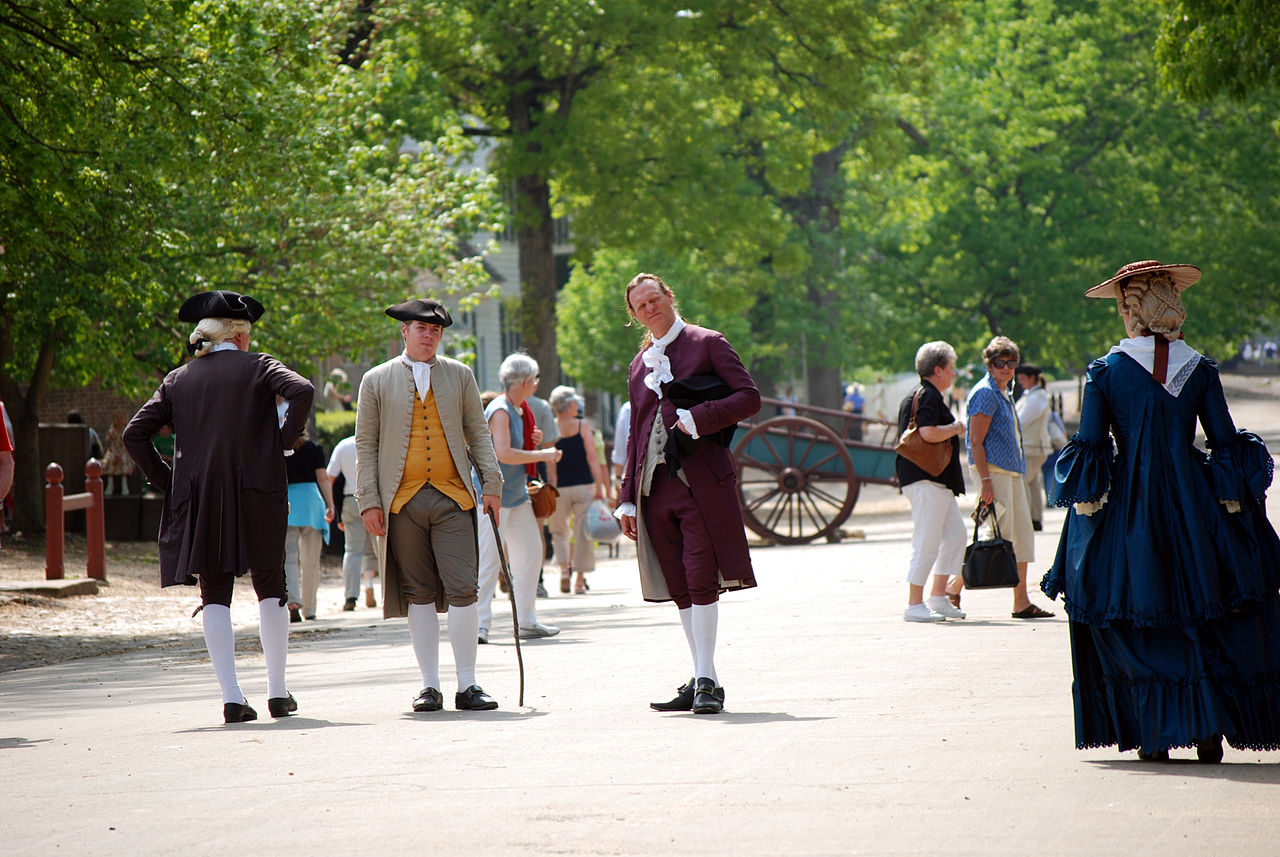
In case you’ve never been to this living museum – it is unlike any other. It doesn’t feel contrived or corny – it really does recreate the eighteenth century, when Williamsburg was, for a time, the center of government, education and culture for the Virginia Colony .
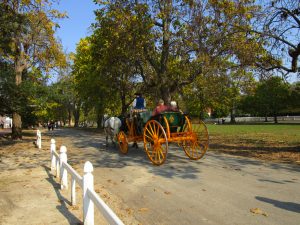
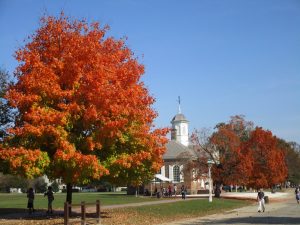
It was here that George Washington, Thomas Jefferson, Patrick Henry and others reluctantly maintained the forms of British government and later helped adapt its best bits to the needs of the newly formed United States. Sorry I geeked out there for a moment ~~ end of history lesson. Can you tell I love this place?
The historic area has many original buildings as well as reconstructed ones, including period shops, taverns, the courthouse and Governor’s palace. The interpreters are true re-enactors and speak in period grammar and phrases. They represent period notables, as well as the common residents of Williamsburg – including slaves, gardeners, cooks, etc.

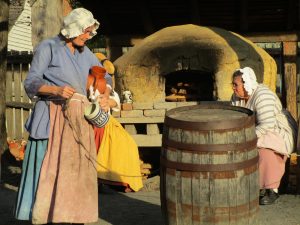
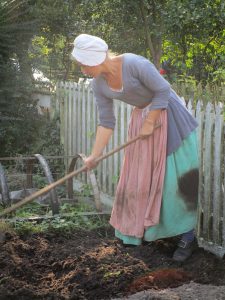
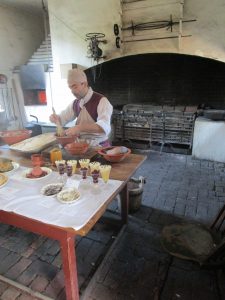



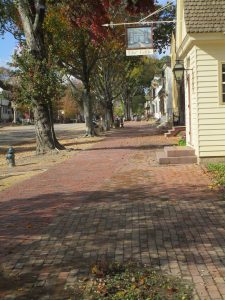
It’s a wonderful experience just to wander and feel like one has traveled back in time. Walking the brick sidewalks and exploring the little gardens behind the buildings.

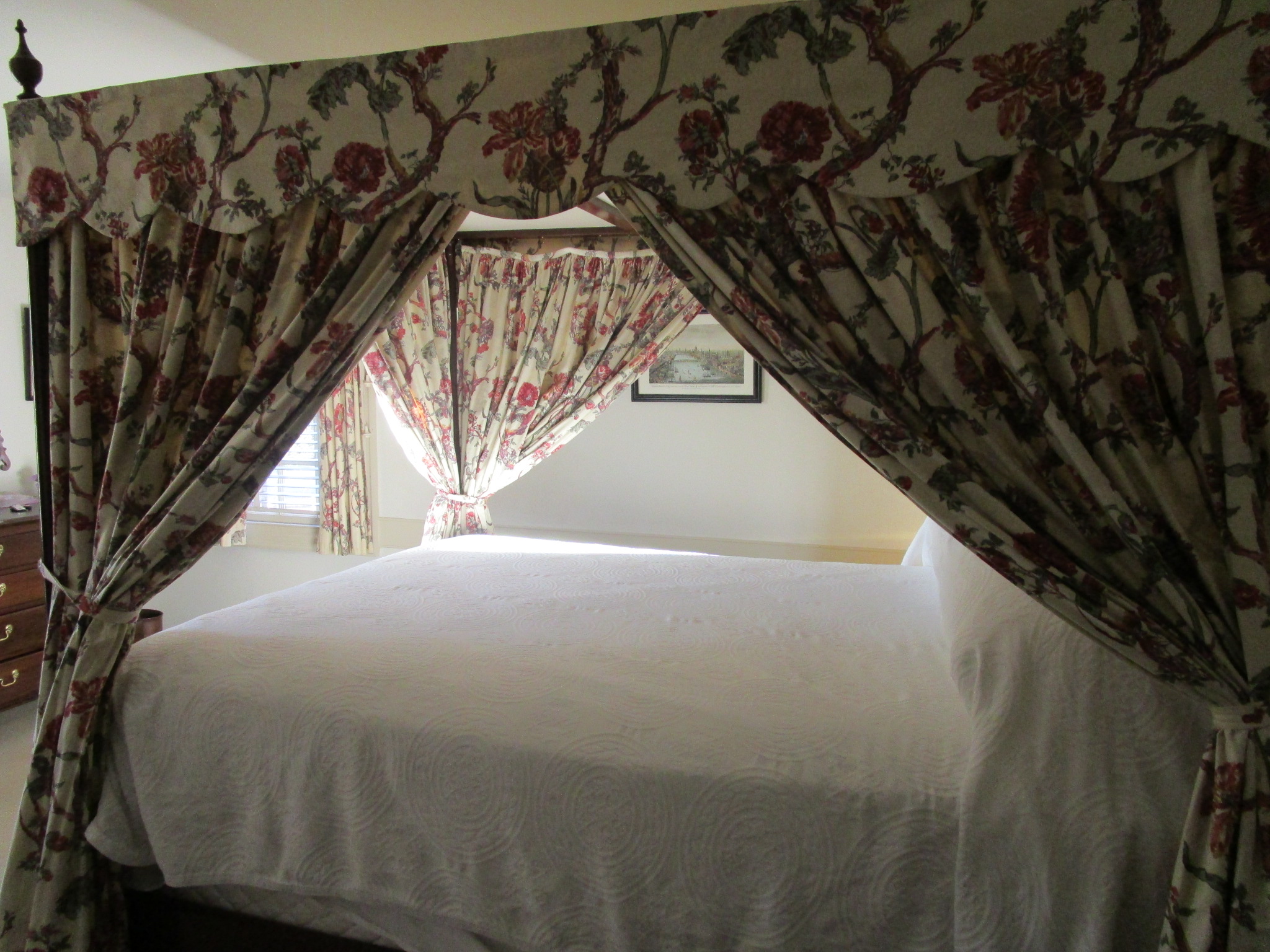
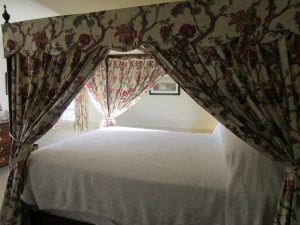 But best of all, you may choose to stay in a colonial house…so you can sleep like this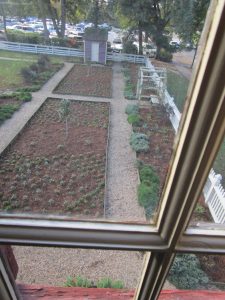
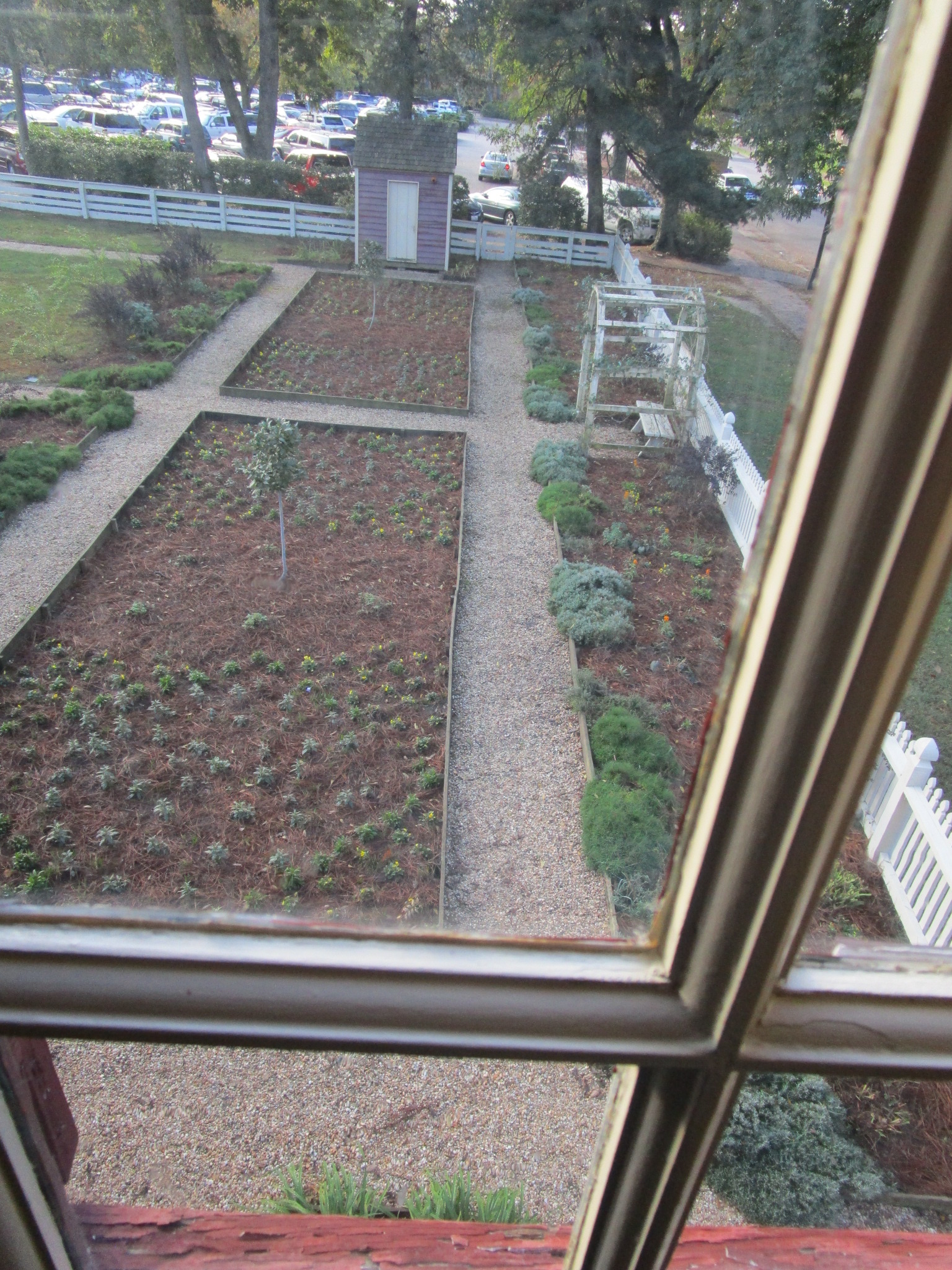
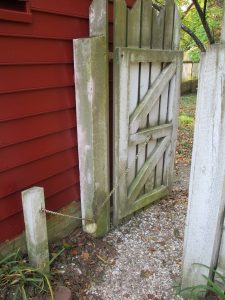
With your very own garden view
And for the food (you knew that subject would come up didn’t you?), the four taverns serve period-based fare – candlelight only, if you please, and a minstrel to entertain while you eat.
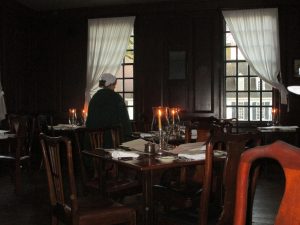
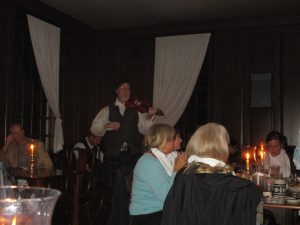
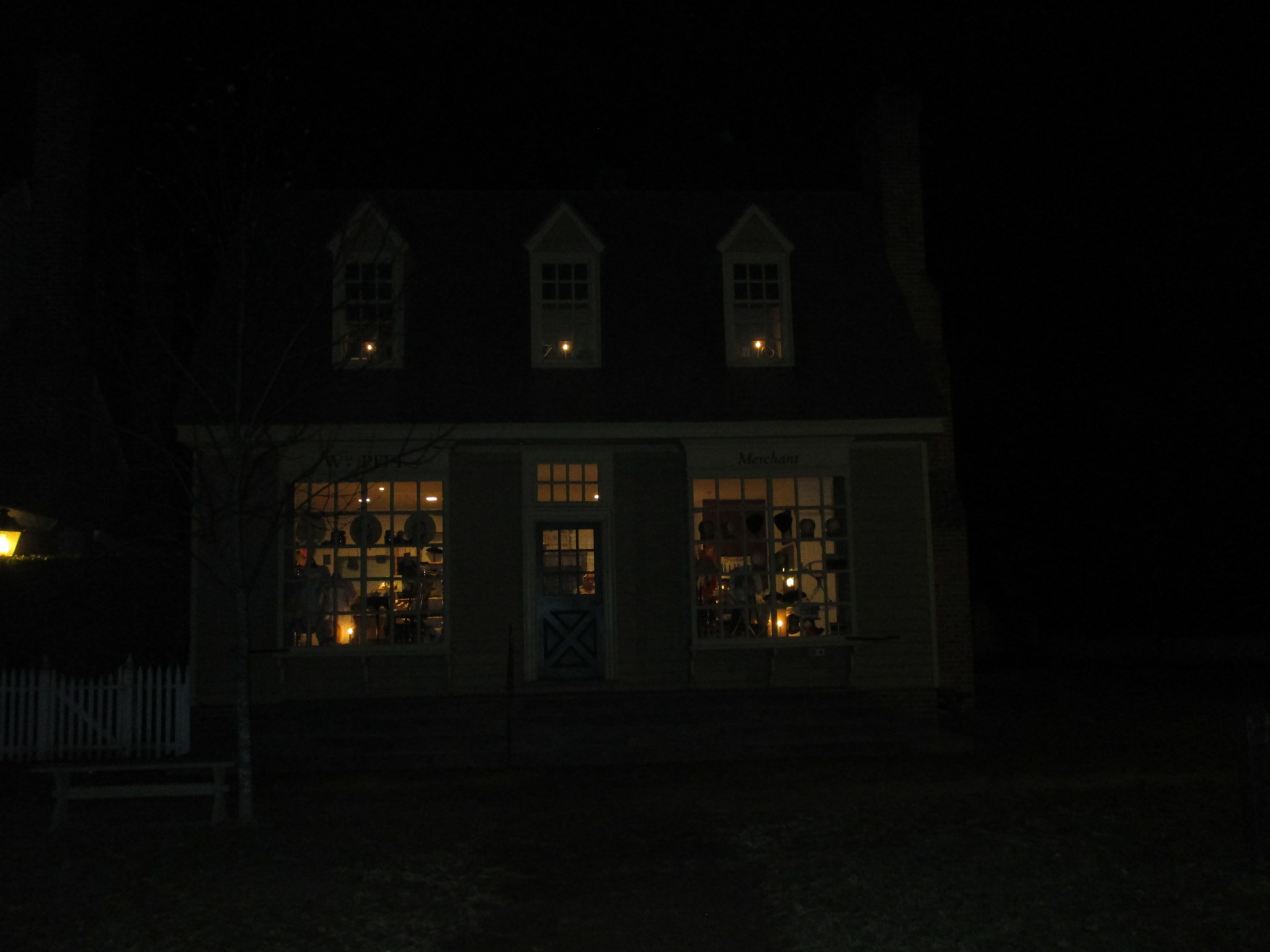
Afterwards, you slowly wander back to your colonial home with lights twinkling in the windows and you swear you’ve gone back in time.
(Click to make bigger and better see the candlelit windows.)
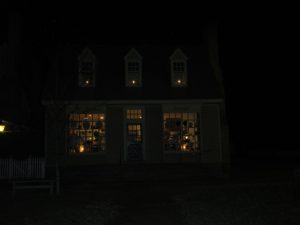
Have I enticed you to go to Williamsburg? If so, more information HERE.
Books will return to Book Barmy in the coming days. I read a strange, but interesting, book and am halfway through a time travel novel. So that should keep you coming back.
-
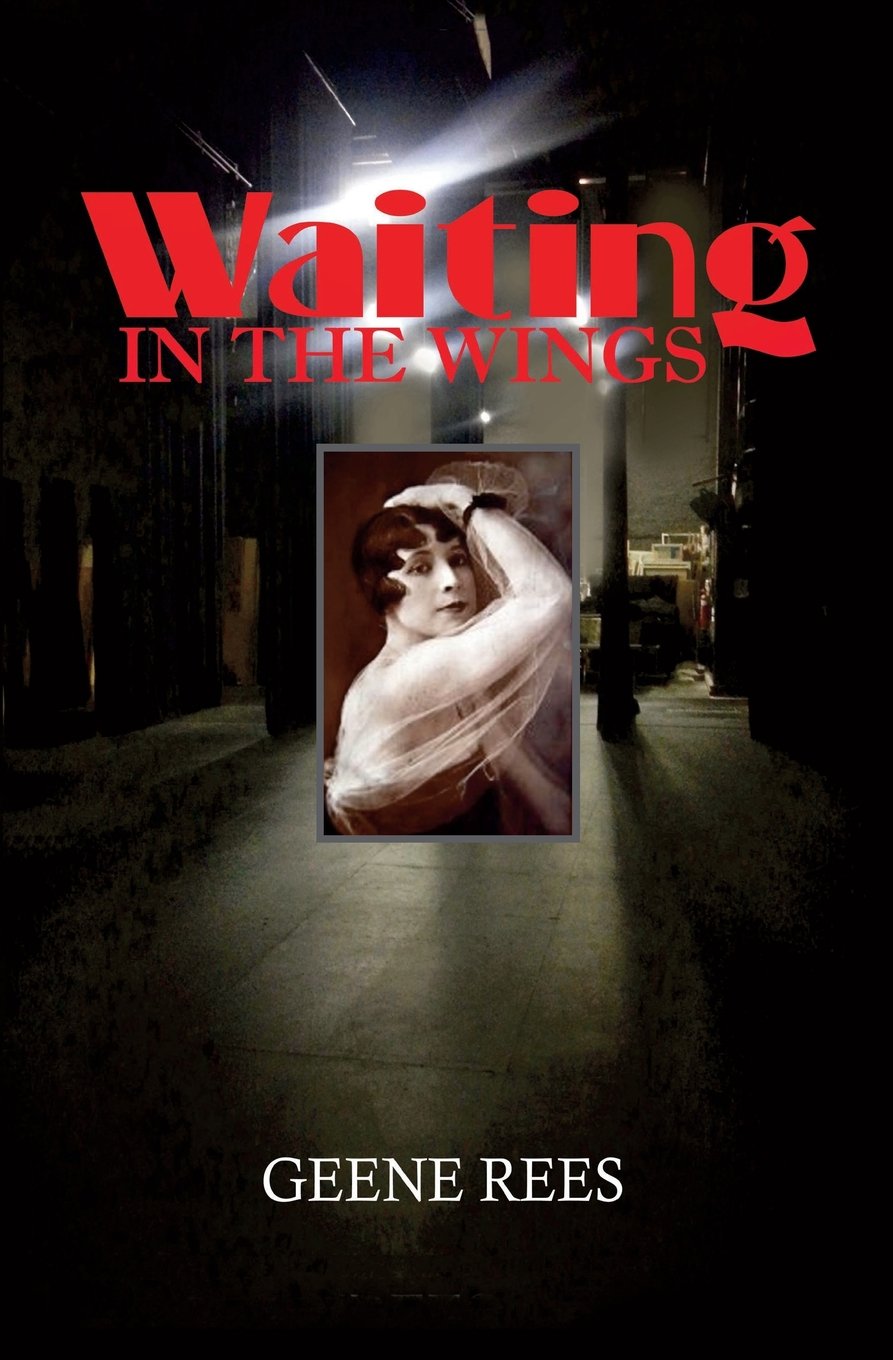
Waiting in the Wings by Geene Reese
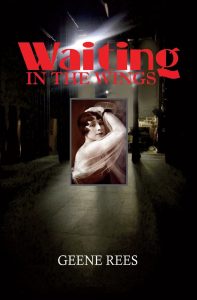
Waiting in the Wings, by Geene Reese
Even though I’ve lived in San Francisco for 35 years, I never tire of its physical beauty, architecture, diverse culture, and most of all, this city’s colorful, and often, disreputable history.
So, I was very excited to receive Waiting in the Wings, a historical novel set in prohibition-era San Francisco and based on the true story of the author’s great aunt.
From the introduction: Hidden in a compartment of my grandmother’s bottom dresser drawer was an old scrapbook. Pressed inside were photographs of a beautiful young woman and hundreds of newspaper clippings about vaudeville shows and the movie industry. This, is how I learned about my great aunt Ruby Adams.
This is no dry historical biography, in just the first pages, both Ruby, a beautiful, spunky vaudeville performer, and 1920’s era San Francisco sparkle to life. For a San Franciscan, the opening chapter is pure delight as we walk the sidewalks of the city with Ruby — leaving the original St. Francis Hotel, crossing street-car-crowded Market Street, and into the historic Strand theater. On our way, doormen greet her and others smile in delight –everyone knows Ruby and her delightful vaudeville review.
This is a time of transition for vaudeville theater, as the moving picture industry is starting to encroach. Ruby, with her striking looks, is contemplating a move to moving pictures, but still gaily performs her vaudeville routine in the historic theater where she practically grew up.
We join Ruby as she prepares for her nightly performance, observing both the back stage workings and the show performance itself. We are also with Ruby, that fateful evening, when she is injured in a back stage accident.
Ruby’s injuries are extensive and the accident, upon investigation, reveals negligence. Her career over, Ruby files a lawsuit…and here Waiting in the Wings takes a compelling turn. Ms. Reese takes us into the corruption and prevailing attitudes of the time, with unscrupulous lawyers and shady dealings behind the scenes.
At this point in the novel, some non-San Franciscans may get bogged down with the name dropping. And yes, there are numerous names to keep track of — greedy politicians, questionable judges, and shady lawyers. Many of these names are still famous here today — Spreckles, Newsom, Davis –and, while I found it rough going at times, it was still fascinating.
Throughout it all, Ruby is resilient and carries on with unflagging spirit. There is romance as Ruby is buoyed through the ordeal by the affection of quirky, but lovable, speakeasy owner “Coffee Dan”.
This story of legal shenanigans and “death by a thousand delays” moves ahead with the help of actual newspaper clippings (with photos) and snippets of court documents. I won’t spoil the outcome, except to say, the case ends up in Superior Court. I found Waiting in the Wings fascinating and compulsive. I had to keep reading to find out what happens to our brave Ruby Adams.
It is clear that Ms. Reese did an enormous amount of research. This gives Waiting in the Wings pitch perfect realism — from the jargon and dialogue of the era, to the weather, the newspapers of the time, even the popular boxed candy gifts of the era (some still in business today).
But, most strikingly, this realism allows the reader a time capsule view of 1920’s San Francisco — with lovingly re-created scenes that pull from our city’s rich history, buildings, diverse neighborhoods and the never-ending, conga line of eccentric and questionable characters — nothing much has changed.
A copy of the book was provided by the author, in exchange for a honest review.
-
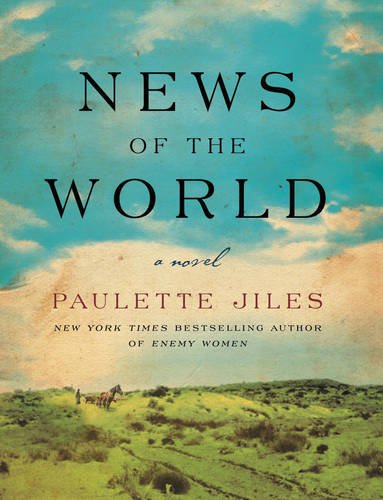
News of the World by Paulette Jiles
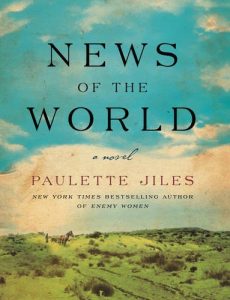 News of the World
by Paulette Jiles
You may remember THIS post, where I had just finished an exceptional book but still in proof/advanced reader’s format. It’s been driving me slightly crazy, but I had to keep silent as the original publication date (March) had been pushed back to October.
Today News of the World is released and I can finally tell you about what other reviewers are calling a “gem” of a book. And I agree wholeheartedly, News of the World is just that — a “must have” gem.
This short novel (200 pages) is set just after the Civil War in 1870’s Texas. Captain Jefferson Kyle Kidd is a widower in his seventies who fought in two wars. A former printer, the captain enjoys a vagabond existence as a news reader. He travels to small towns in Texas, reading the news from a wide range of newspapers. His audiences, who either can’t read or don’t have access to the newspapers Kidd orders from around the world, pay a dime admission to hear the news from as far away as London or New York.
The Captain is mindful about what he reads, sometimes skimming over politics or post Civil War uncertainty, and always ends his readings with a fascinating or exotic tale.
One evening the Captain is approached by a freed slave who is traveling with an orphaned German-American girl. Now 10 years old, Johanna was taken captive at age six, by the Kiowa during a raid during which her parents and sister were slaughtered. Now, four years later, she has been sold by the Kiowa to the army for a few blankets and some old silverware. The child must somehow be returned to her uncle and aunt who live 400 miles away near San Antonio. The freed slave, a black man, is reluctant to be traveling with a white girl child through territory still reeling from the aftermath of the Civil War. Kidd accepts the monumental sum of $50 to take the girl back to her relatives and he plans his news readings to follow a route that will eventually take them to San Antonio.
Thus begins a journey through the beautifully described Texas hill country. The relationship between the Captain and the reluctant, Kiowa speaking Johanna grows close and protective as they journey towards their destination. She calls him “Kep-dun” and he teaches her English name which they agree will be pronounced “Chohenna”. She distastes shoes and grapples with the many layers of woman’s dress of the time. The aging Captain, meanwhile is trying to protect them from marauding Indians, cowboys and rove soldiers while simultaneously showing her how to eat food with utensils and to use a gun.
There are harrowing attacks, harsh weather and long boring days in a wagon and while their journey is suspenseful and often amusing — it is mostly heartwarming as they start to form an unlikely affection for each other.
News of the World is chocked full of details — of horses, weapons, dress, and society’s attitudes at the time — but rather than weigh down the story, these details bring it alive for the reader.
With Johanna, Ms. Jiles beautifully renders the trauma and readjustment of children captured and adopted by Native Americans. And Captain Kidd is one of the finest western characters ever written — reminiscent of Lonesome Dove or True Grit.
I especially savored Captain Kidd’s newspaper readings which are filled with fascinating (there’s that word again) historical references of the time, from arctic explorers to the politics of Hamilton and Davis.
This is historical fiction at its best, with a riveting story line, memorable characters, and writing that is graceful and spare. And if you’re like me, you need a few moments to compose yourself after the ending.
News of the World is up for the National Book Award and is at your independent bookstore today. Highly recommended.
An Advanced Readers Copy was provided by William Morrow, a division of Harper Collins publishers.
-
In the Woods by Tana French

Years ago, I used to devour those quick, cozy, connect-the-dots mysteries, often reading nothing else for months on end. Then, suddenly, I ground to halt, having grown tired of the often predictable plots and one-dimensional characters. I vowed to only read mysteries that were well written, with intelligent plots and fascinating characters.
I voiced my new resolution and high standards to my bookgroup at the time and was quickly introduced to a range of authors including Deborah Crombie, Elizabeth George, and Peter Robinson On my own, sans bookgroup, I’ve since discovered Louise Penny, Kate Atkinson, and Susan Hill. So, my mystery reading days are back in full swing.
Thanks to a friend’s urging, I’ve just discovered a new series and author — Tana French. I must have been under a rock, because In The Woods (her first in the series) was published in 2007. I was aware of this book, having seen it over the years. But, look at that cover — doesn’t it look like a horror filled, psychological thriller? Shame on me for judging a book by its cover.
In the Woods immediately pulls you in, the terrifically written prologue sets the stage and puts the reader into a carefree summer day in a 1984 suburb of Dublin with three children playing in the woods.
When the children don’t return home, only one child, Adam Robert Ryan, is found catatonic, remembering nothing but his shoes are soaked with blood. Now twenty years later, Ryan, going only by Adam Ryan, is a detective for the Dublin Murder Squad. No one knows of his connection with the 1984 incident. A young girl is found murdered in the very same woods and Ryan finds himself in his old hometown which triggers memories of what happened on that tragic day.
In the Woods is narrated by Detective Ryan and Ms. French has given him a complex voice – taunted by the past, torn up with survivors guilt and the hard, cool viewpoint of a detective.
What I warn you to remember is that I am a detective. This is my job, and you don’t go into it — or, if you do, you don’t last — without some natural affinity for its priorities and demands. What I am telling you, before you begin my story, is this — two things: I crave truth. And I lie.
Detective Ryan and his partner from the Dublin murder squad, Cassie Maadox, begin their gentle but relentless investigation into the death of young Katy Devlin. Their relationship is intricately developed and compassionate.
How can I ever make you understand Cassie and me? I would have to take you there, walk you down every path our secret shared geography. The truism says it’s against all the odds for a straight man and woman to be real friends, platonic friends; we rolled thirteen, threw down five aces and ran away giggling. She was the summertime cousin out of storybooks, the one you taught to swim at some midge-humming lake and pestered with tadpoles down her swimsuit, with whom you practiced first kisses on a heather hillside and laughed about it years later…
Ms. French deftly weaves back and forth between the two plots and it’s fascinating to see if two murders relate or are a mere coincidence. The interrogation scenes are some of the best parts of this debut;
It becomes second nature, interrogation; it seeps into your blood until, no matter how stunned or exhausted or excited your are, this remains unchanged: the polite professional tone, the clean, relentless march as each answer unfolds into question after new question.
There is rich atmosphere, from the Irish weather;
It was your basic Irish summer day, irritatingly coy, all sun and skidding clouds and jackknifing breeze, ready at any second to make an effortless leap into bucketing rain or blazing sun or both.
To the murdered girl’s autopsy;
I thought of the old superstition that the soul lingers near the body for a few days, bewildered and unsure
In the Woods is atmospheric and engrossing, with richly drawn characters and some lovely detailed writing. Hard to fathom that this is Ms. French’s first novel.
I read most of the day – couldn’t put it down. The ending does not tie up all the loose ends but I’m hoping the next in this intelligent series will start to resolve some of the questions.
Out of my way folks — got to get to the library for the next one, The Likeness.
Warning, the crime(s) are graphic and do involve child rape.
-
The Light Between Oceans by M.L. Stedman
Some people have this problem…

I never do, I always — always race to read the book before seeing the film. I even avoid the trailers as I don’t want the character images in my head shattered by the Hollywood portrayal.
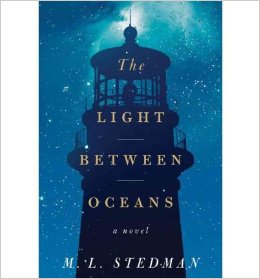 The Light Between Oceans is a enthralling tale, capturing me from this first line:
On the day of the miracle, Isabel was kneeling at the cliff’s edge, tending the small, newly made driftwood cross,
This is a debut novel by M.L. Stedman, who was born and raised in Western Australia. Her knowledge and descriptions of the coast of Australia are beautifully rendered. There’s even a map at the beginning. (I love me a map with a novel). The author has also done her homework on light houses — but I’m getting ahead of myself.
Tom Sherbourne has miraculously survived World War I, but only just. Still shattered, he is hired to keep the lighthouse on Janus, an island off the coast of Australia. As the sole inhabitant of the tiny island, he finds comfort with the precision and routine of manning the lighthouse;
Stick to the solid. To the brass fittings which had to be polished, the glass which had to be cleaned. Getting the oil in, keeping the cogs moving, topping up the mercury to let the light glide. He gripped each like a rung of a ladder, by which to haul himself back to the knowable; back to his life.
But then during a break on the mainland, he falls in love with Isabel, they marry and return to the island to run the lighthouse together. The chapter where he shows Isabel around the lighthouse and explains how it works is pure magic with lovely descriptive writing. Isabel sees the lighthouse as…”a palace of prisms, like a beehive made of glass”.
At this point in the story I believe the reader should adapt what is called a willing suspension of disbelief. Isabel and Tom have suffered two miscarriages and tragically, a third stillbirth.
A few weeks later, a canoe washes ashore containing a dead man and a live baby girl. Tom wants to report the dead man and take the baby to the mainland to find her family — but Isabel begs him to keep the child. He reluctantly agrees and this begins the cycle of consequences.
Thus, the suspension of belief – I kept reading, entranced but amazed at their actions. They bury the man and keep the baby. Both Tom and Isabel fall completely in love with the little girl they name Lucy. When they found Lucy, all that was with her was a beautiful silver rattle. There is no other identification.
Do they wonder about the baby’s grieving family on the mainland? Don’t they want to know the circumstances of the man’s death, not to mention his identity? Aren’t they concerned by the fact that they have broken the law? The couple suspend all rational actions and thoughts, and they blithely build their idyllic life on the island, with their magic baby.
Now dear readers, we’re at the middle of the novel and this is where my willingness to suspend belief almost became a willingness to suspend reading. But, I had to carry on, keenly interested to know the outcome for our little family on the island.
Now we read through redundant circles of Tom grappling with his love and loyalty to Isabel and his sense of morality of what they have done We experience the anguish and consequences of the decisions made, and not made. We meet the real mother and discover how nothing is purely right or wrong — all beautifully written but overwrought. In the back of my mind I kept thinking, “This would make a great film”.
The second half of the book is stoked with pathos and emotions on full power. And the ending, though probably right and ultimately quite moving, leaps over many of the key events – leaving much for the reader to question.
I gave my copy of The Light Between Oceans to a departing house guest and decided to only say, “this will be a great plane book” – which I am positive it will be.
Because, despite my criticisms, I was smitten by this best-seller and I kept reading to the end. I’m sure it will make a lovely, tear jerking, Hallmark sort of film — not to mention, a very successful new author.
If you want to see the film trailer before reading this novel you can see it HERE.
-
Shameless Plug – The Big Book Sale
On a more cheery note today…

It’s that time of year again. The Friends of the San Francisco Public Library Big Book Sale. It began several days ago with unloading books and filling a large pier down at Fort Mason with over a half a million books & media.
Here’s a time lapse video of a previous sale’s set up. Watch with your sound turned on. That’s a lot of books.
If you live in the Bay Area, tonight is our Member Preview Sale & Reception – we open the doors to members for a sneak peek — complete with wine & food!
The sale opens to the public tomorrow and goes until Sunday, 10 AM – 6 PM each day. All items are only $3 and under.
It’s not too late to attend tonight’s preview – you can become a member of The Friends of the San Francisco Public Library at our Will Call table beginning at 2 PM.
More information HERE
-
Very sad news…
If, like me, you’re a fan of Louise Penny ~ there is sad news tonight.
Her beloved husband, Michael passed away. He suffered from dementia and his long good-bye is gently over.
Here is her eloquent and simple farewell,
Michael passed away last night, at home, at peace, with love. “It’s not so much that his heart stopped, as that he’d finally given it all away.” Surprised by joy.
I harbor no hubris that Ms. Penny has ever visited Book Barmy, but I hope you, my loyal readers, will join me in sending our collective comfort out into the universe for her.
Thank you, Ms. Penny for sharing your journey with your comrade and partner, Michael. You wrote of your love with honesty and grace.
May peace slowly come to you, even as your grief ebbs and flows, and may his light be all that remains.
Surprised by joy…
News release from CBC HERE
-
A Change in Altitude ~ part two
Having just started to feel better, and with a renewed ability to breath, I realized I hadn’t posted some other tidbits about our non-hiking trip to the Eastern Sierras.
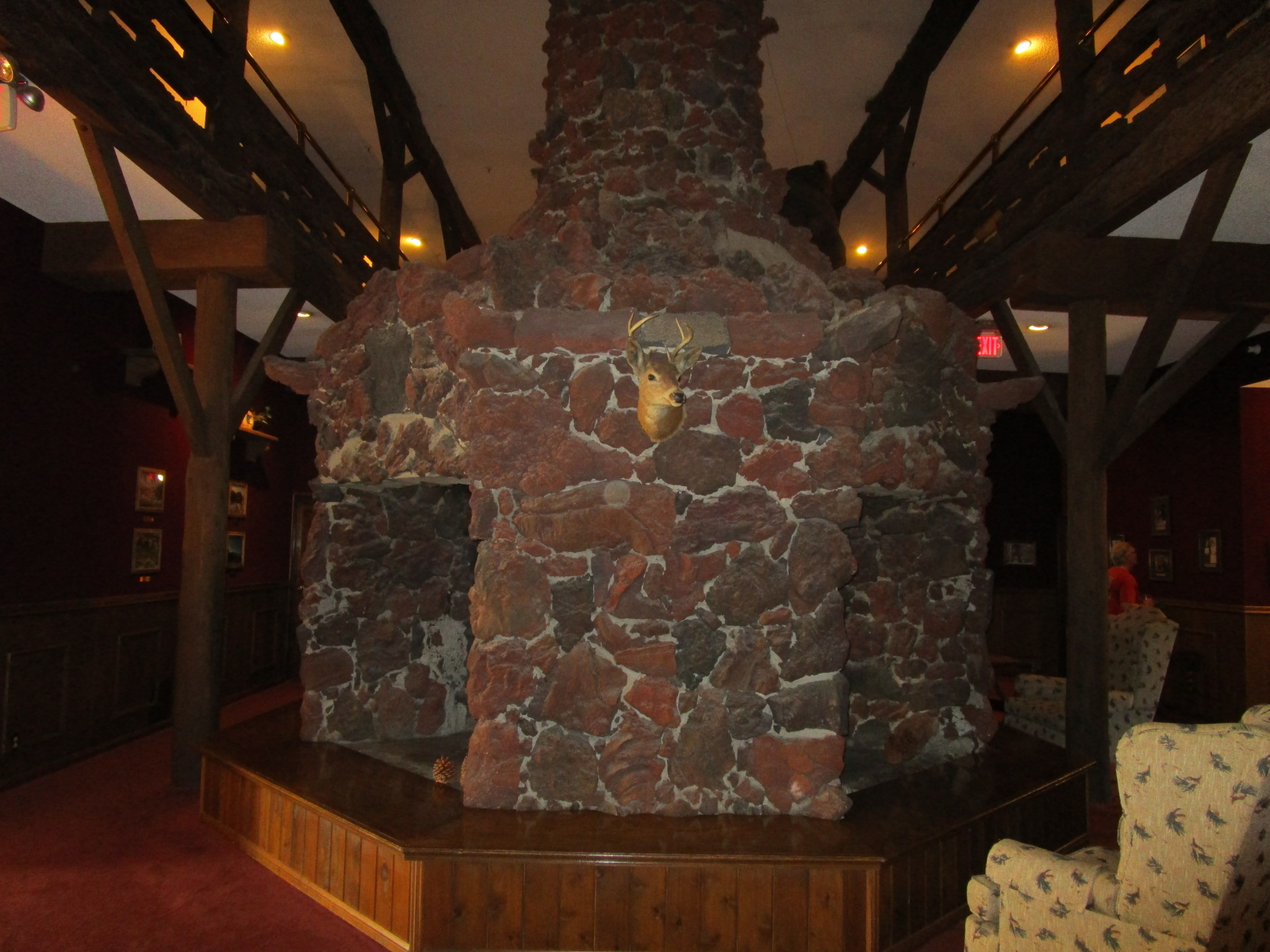
We stayed in the historic Heidelberg Inn which boasts an impressive open-sided fireplace in the lobby…imagine this in the winter with a roaring fire and cup of cocoa…yumm.
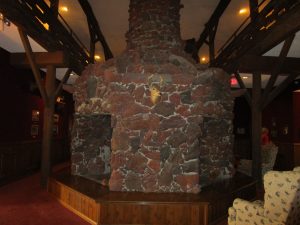
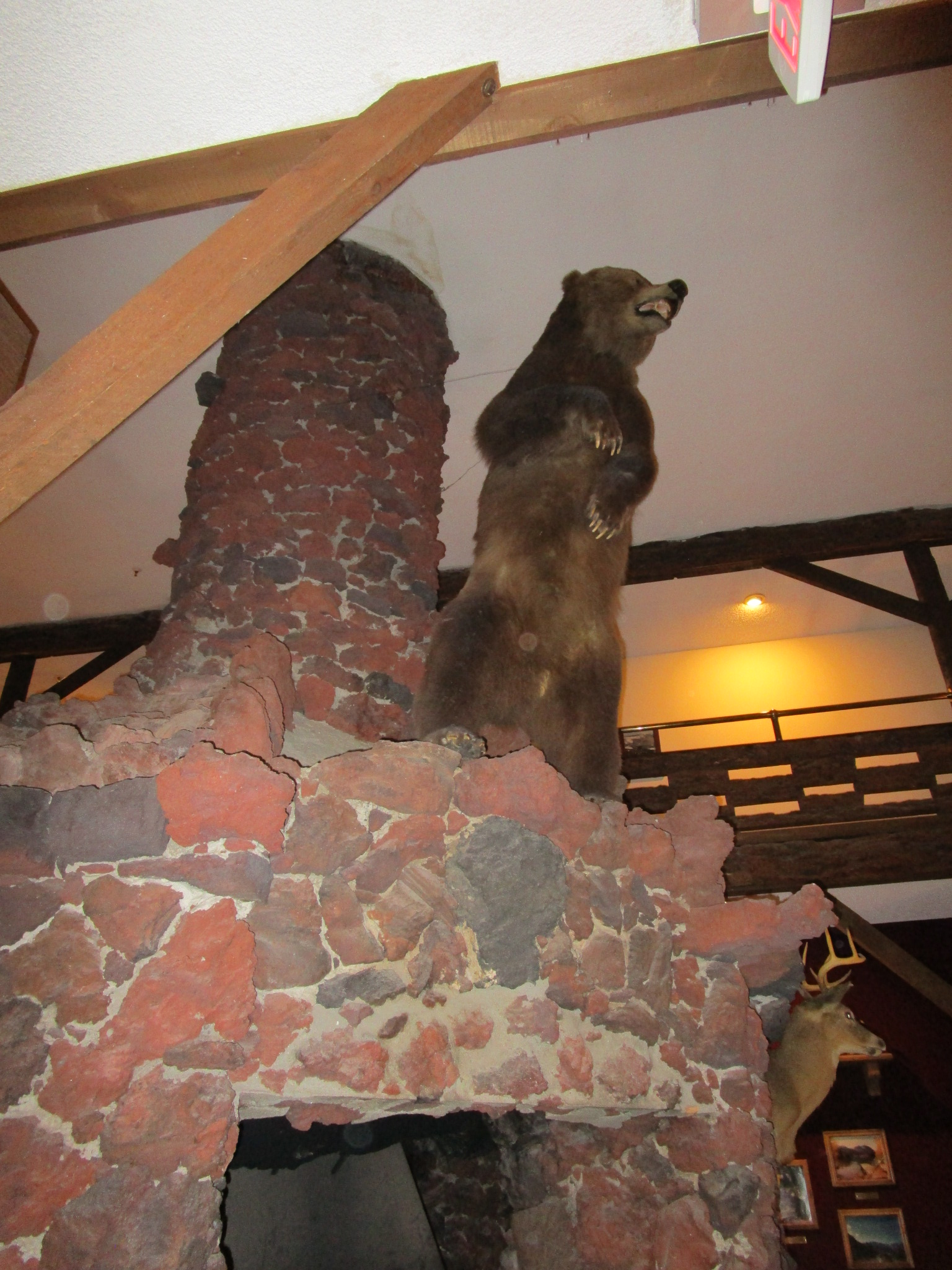
Many films in the 1930’s to 40’s were filmed here including Road to Utopia with Bob Hope. They say the bear on top of the lobby fireplace, has been there just as long. I must say, he was a little creepy coming up the stairs at night.
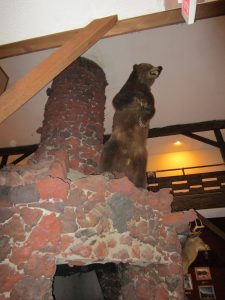
The Inn also has a great sense of humor…

I also didn’t share other photos of our hiking adventures – our first day out and then our
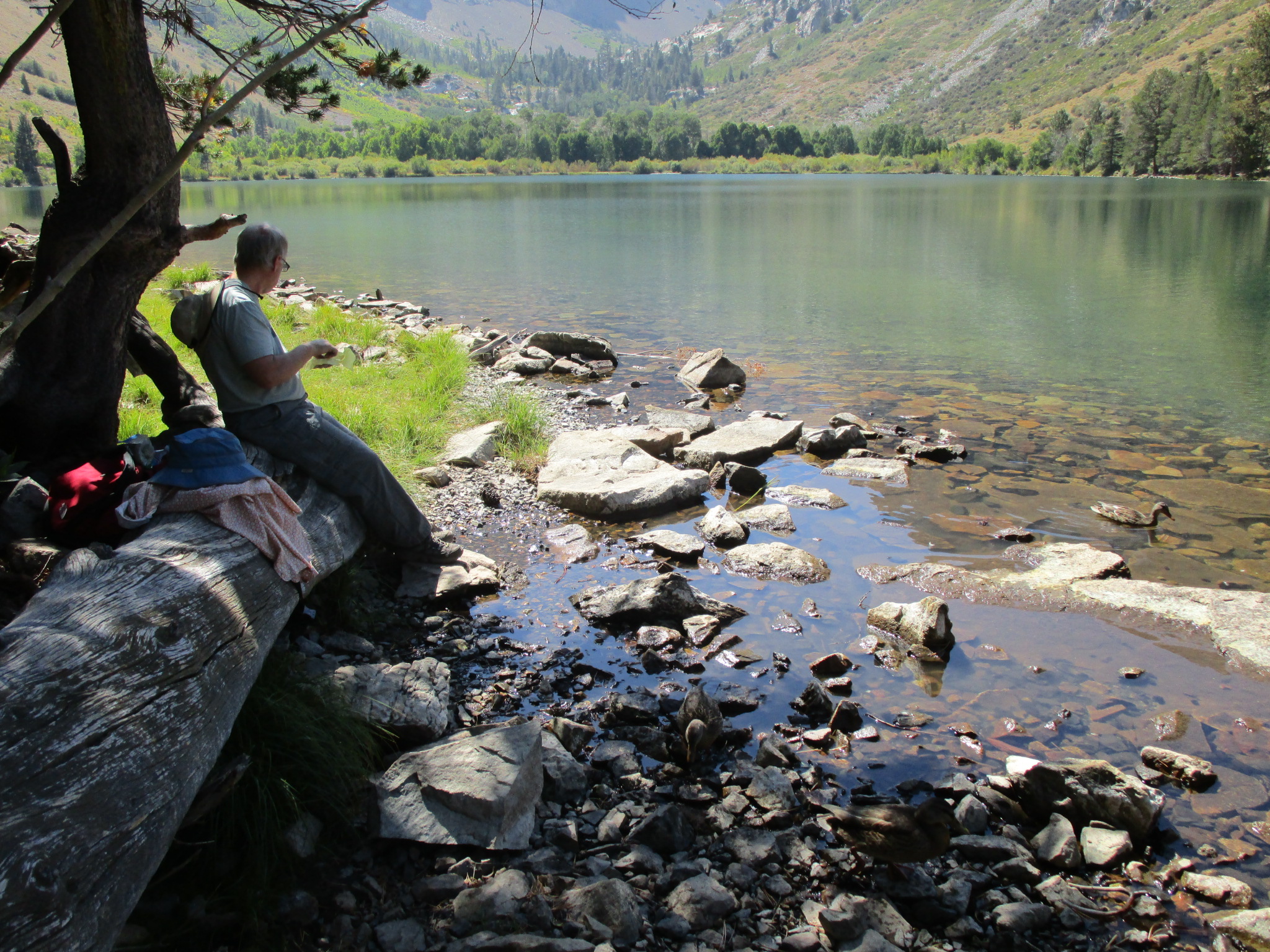
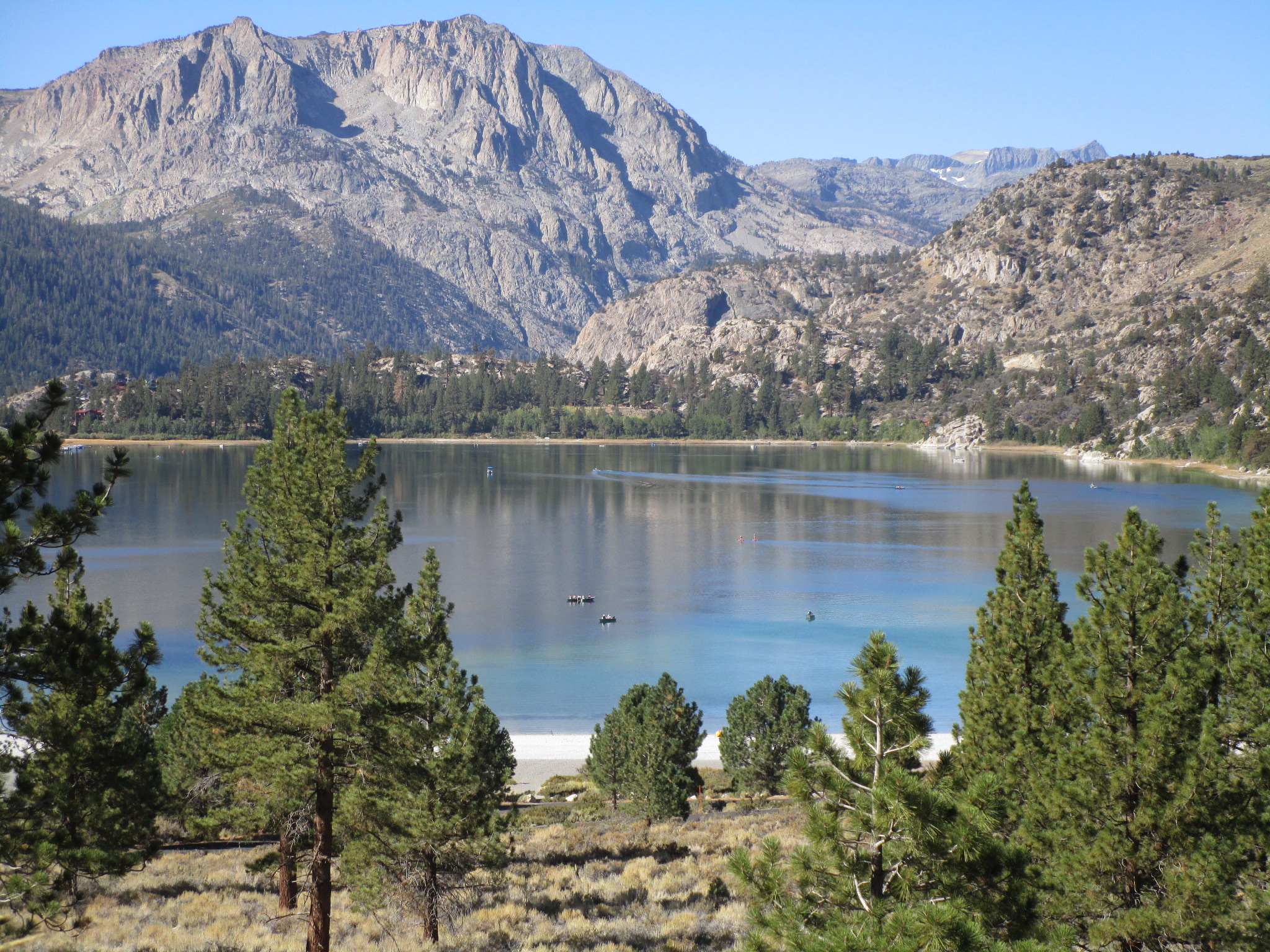
forced marchhike around the lake. Now that my head has cleared, I realize from looking at these photos that it was a lovely area, hot with no oxygen, but a very nice place to be. Evidence below:

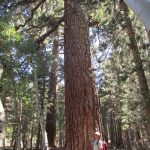


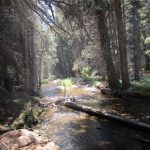
Maybe Husband is right, next time take two weeks…
Over and out…
-
A change in altitude …
Husband and I just returned from a week up in the Eastern Sierras, namely, a place called June Lake.
 Pretty right?
What you don’t see is the 8,500 foot altitude. We live at sea level, a few blocks from the ocean, so we expect to spend our first day acclimating.
From experience we’ve learned to take it easy that first day, wander around the area, taking short walks, gulping both water and oxygen.
Day 2 – we decide on a 4 1/2 mile round trip hike up (yes up!) to a hidden lake. The trail is described as moderate with a only a few steep grades. We agree it’s a perfect first hike. As we hiked we both realize something is wrong, we have sore throats, pounding headaches, and we are coughing loud enough to scare away wildlife sightings. I unearth our first aid kit from the pack and we gulp down aspirin and carry on.
A pretty hike, complete with visiting ducks for lunch —
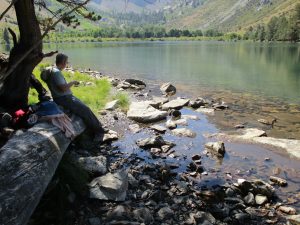 but we are feeling poorly and stumble gratefully back down to our car. We have an early dinner and crawl into bed. We are unable to sleep, probably because we are unable to breath.
We finally admit, uh oh — we both caught colds.
I root through our seldom used travel medicine bag (we never get sick) and find two desiccated cough drops and some Sudaphed that expired in 2014. We throw caution to wind and gamely use both. (Note to self, perhaps it’s time to update said medicine bag.)
Day 3 – We slowly make our way through breakfast, heavy on the orange juice. We are staying here and thankfully have a little kitchen.
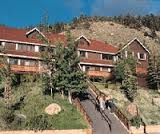 But, even our home base is in a plot against us – with an impressive amount of gasp-inducing stairs and no elevator.
We drive into the closest big town which boasts a Rite Aid with ski resort prices. We buy outrageously expensive (but unexpired) cold medicine and head back.
Day 4 – We do nothing, oxygen deprivation is serious, consider calling for emergency helicopter evacuation, but solider on drinking liquids, blowing our noses, napping and watching mindless daytime television.
We have a lovely view of the lake from our little apartment — but realize gazing at the view actually makes us feel worse.
Day 5 – Cabin fever has proven more serious than our colds, so we drive around and visit some little lakes that we can walk in and out of — never far from the car, water and Kleenex. Because we are able to breath a bit better today, we gamely decide to take a short hike tomorrow.
Day 6 – Husband gets up early and wanders down to the lake, upon returning, he declares that a hike around the lake would be perfect. A flat, nice, easy afternoon stroll. Did I mention we’re still at 8,500 ft? Well, I’m mentioning it.
So we set out. And it’s nice, we are actually able to talk, breathe and walk all at the same time. We watch a bald eagle careening in the blue sky and start to feel human again.
 Dun Dun Doh…we come upon a huge rock face that is blocking our lovely little stroll around the lake. No problem says Husband, we’ll just go around.
So we clamber straight up this rock face until we find a service road and follow it until we can get back down to the lake.
Did I mention it’s 95 degrees and there’s no shade? Well, I’m mentioning it…
The lake continues to beckon, but we just can’t get back down to it for a least another mile on the service road. Back down at the lake, we make our way around until — drat — again rocks. Climbing back up now to the main road into town…another mile of hot tarmac until we can find our way back down to the lake again.
Did I mention, one half of our intrepid hiking party is an Eagle Scout and the other half is not amused? Well, I’m mentioning it.
We stagger into the lake’s marina, where Husband has a beer, and while I’d hoped for an icy cold Margarita, I settle for an ice tea. (I’ve discovered in these fishing towns the adult beverage of choice is beer, beer or beer. Trust me on this one, never order the house white wine.)
Thus restored, we climb the endless steps to our apartment.
Day 7 – Wake up feeling great, sun is shining, sky is blue and it’s time to pack and head home. On the drive back, Husband suggests “maybe next time we come for two weeks – that way we’ll have more time to get acclimated!”
Did I mention the other half is not amused?