Hopeful Thanksgiving

So a little story to tell.  I was working at the bookstore yesterday and it was slow – being the day before Thanksgiving and all.  When in came Penny (not her real name) and her stalwart mom.  If you don’t remember Penny you can read about her HERE.

It was raining, and Penny had on a bright yellow rain slicker and red polka dot rain boots. She’s grown up since I last wrote about her…her hair is longer and she, of course, is taller – but she still has style.

She’s too old now for the children’s art class next door…she’s in school so I don’t see her as much.  But her mom will occasionally bring her in after school gets out.   Her mother explained that this was a school holiday but Penny insisted on coming in just to talk to me.  Mom escaped to get a coffee and browse books on her own.   I took a break and Penny and I sat down at one of our tables to chat.

Many months ago I had bought Penny a copy of The Secret Garden and gave it to her telling her it was one of my favorite books.  Penny wanted to come in just to tell me she’d just finished it and how much she liked it.  I asked her if it would be alright with her if I wrote up her review of The Secret Garden on my blog – she said yes.  (Of course, Penny knew what a blog was. I was silly to ask.  Even the very young know everything about computers and the internet it seems. Her mom is an occasional BookBarmy follower and said she will show this to her.)
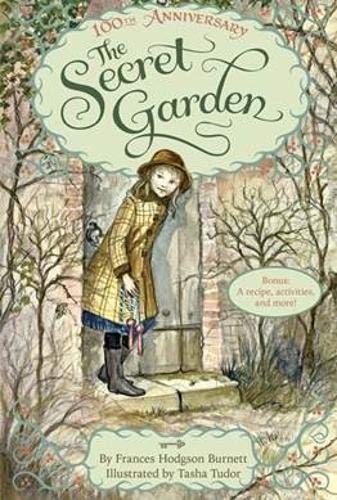
Penny’s Review of The Secret Garden

(I took notes, but this is a bit paraphrased)

It  was a very long book with lots of chapters, but me and my Dad read a bit most every night and then I couldn’t wait, so I ended up reading the rest on my own.  I didn’t like Mary at first because she was mean — Dad said it was because she was spoiled and used to her old home with servants.

But then she got nicer once she found the secret garden.

I really liked the secret garden behind a wall and how Dick (en) helped fix up the garden…and how all the animals love him. I also like when Mary and Dick (en) help the other boy (Colin) learn to walk in the garden and how they surprised everyone when he got out of his wheelchair.  Mary ends up liking her Uncle and starts getting happy.  I just really liked the story.  It was a nicer story than Harry Potter which gets scary sometimes.

Then I asked her what she would say to end her review and she had to think for a bit–

(Penny’s quite serious when it comes to reading)

and she responded ~~ this part is verbatim

I think the book is full of hope.  All through the book I was hoping that the garden grows back.  I hoped that the boy in the wheelchair will walk again and that Mary will be happy.

There you go folks – out of the mouth of a special young girl – it’s all about Hope
Happy Hopeful Thanksgiving

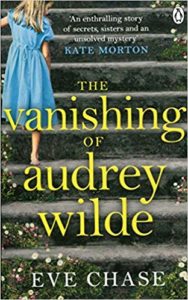
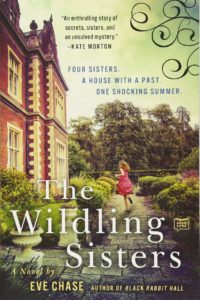
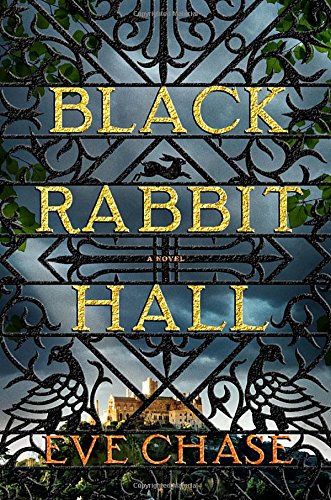
Black Rabbit Hall by Eve Chase

I wanted to read something creepy and Gothic over Halloween and found Black Rabbit Hall, which the publisher sent to me ages ago. 

I know publishers want their advanced readers to actually read the book close to the publication date, but I, alas, tend to read as the mood strikes me — even if it takes three years.  (Sorry G.P. Putnam’s Sons.)

I was sucked in by the blurb – as I am a big fan of Kate Morton


For fans of Kate Morton and Sarah Waters, here’s a magnetic debut novel of wrenching family secrets, forbidden love, and heartbreaking loss housed within the grand Gothic manor of Black Rabbit Hall.

Black Rabbit Hall is the Cornish county estate of the Alton family, who come every summer to get away from London. It’s the summer in the late 1960’s and American, Nancy Alton and her wealthy English husband are enjoying the summer with their four children.  Teenager, Amber and her twin brother Toby are especially close and can read each others’ minds. One very happy family, until tragedy strikes.  Soon the four Alton children are trying to find their way in the world after a tragic accident.

Forward in time to 30 years later, and Lorna is looking at wedding venues with her fiance Jon. She has a vague memory of visiting Black Rabbit Hall years ago with her mother. Lorna had read that Black Rabbit Hall was now a bed and breakfast. But, they discover in contrast to it’s glory days, Black Rabbit Hall is now run down and dilapidated. It is occupied by a cantankerous old woman who has secrets and a housekeeper who has lived her whole life in the mansion — setting the stage for this Gothic tale.   Jon tries convince Lorna to forget about this creepy manor home, however, she’s obsessed with both the tragic history of the Alton’s and the feeling that she somehow fits into their story. What is it about Black Rabbit Hall that draws her?

I won’t reveal any more of the plot — no spoilers here.  Just let me say these two crossing story-lines unwind to reveal twisty family secrets, tragic loss, betrayal, and illicit love.

N.B. It seems many of the books I’ve read have alternating voices in alternating times. I should be getting sick of this literary device — but nooo, not yet.

Ms. Chase has created a delicious Gothic tale – a crumbling old mansion filled with the fragments of its past glory, overgrown gardens, clocks that won’t tell the correct time, shadowed woods, dark secrets, ghostly happenings, a wicked stepmother— all adding up to a wonderful debut novel. 

I found myself quickly turning the pages to find what would happen to Amber and Lorna. Black Rabbit Hall is nicely written, with great character development — the greatest character of all being the Hall itself.

Black Rabbit Hall pulled me in and I was totally absorbed.   I had a hard time setting it aside for either the trick or treaters or even later – the temptation of the remaining Reese’s Peanut Butter Cups ~~ a true testament to such a good read.

Since this debut,  Ms. Chase has written two other novels – both now on my TBR list.

A digital advanced readers copy of Black Rabbit Hall was kindly provided by G.P. Putnam’s Sons via NetGalley.

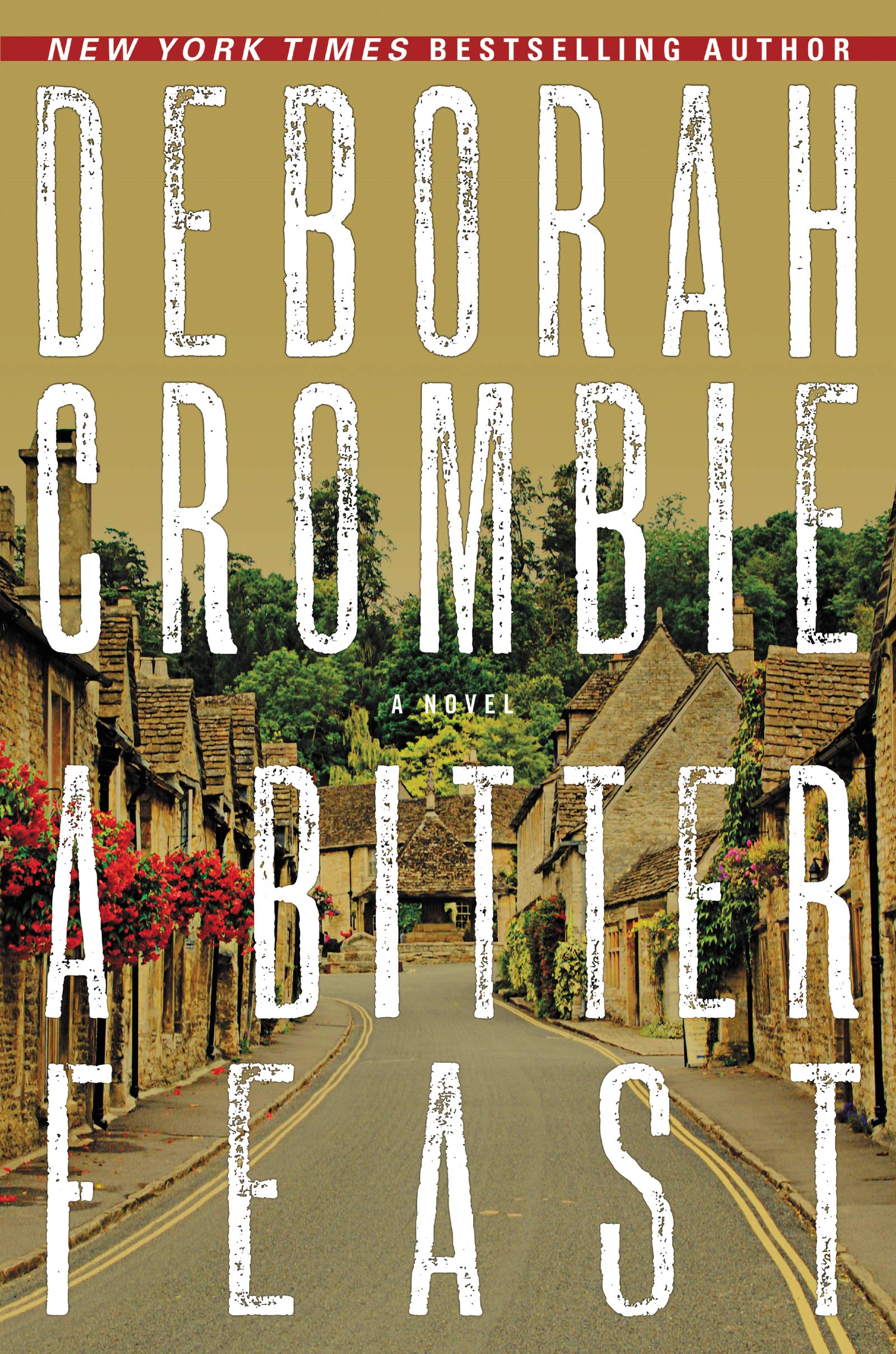
A Bitter Feast by Deborah Crombie

It’s a well known Book Barmy fact that Deborah Crombie writes one of my favorite mystery series.  My gushing affection for her novels is documented in past posts HERE.

This rainy morning with a nice cup of tea, I finished the latest, just released series installment — A Bitter Feast.

As the book opens, Ms. Crombie takes the London-based police team of Duncan Kincaid and Gemma James on an idyllic escape to the English Cotswolds.  With their children and fellow police detective, Doug, all are invited to spend a restful weekend in the village of Lower Slaughter. 

A village called Slaughter? Well played Ms. Crombie — what could possibly go wrong?   Actually it’s a double entendre — Slaughter comes from the Old English word ‘slothre’ meaning muddy place.  Just part of the wonderfully sly writing style Ms. Crombie brings to all her books.

A Bitter Feast starts off slowly with all the elements of a cozy mystery –  a picturesque village, a warm English pub, and the lovely manor house to which Melody has invited her fellow police crowd to stay for the weekend.  The manor house has a spectacular garden, the pub boasts a wonderful chef, and there’s a sense of tranquility around Duncan and Gemma’s getaway to the Cotswolds.

But, as to be expected when there’s an assembly of police officers — their restful holiday soon goes awry with car wrecks, murders, poisonings, and illicit village affairs.

But, here’s what separates A Bitter Feast (and all Ms. Crombie’s novels) from traditional cozy mysteries — her sly (there’s that word again) introduction of simple details that become vital later in the story.  Only later does the reader realize that clues were being scattered while the characters stroll in the garden or are enjoying a delicious meal. 

As always, Ms. Crombie’s characters are well-developed, as they have been over the course of the series. All my favorite characters are here, I know them well.  But interestingly, Ms. Crombie puts both Duncan and Gemma somewhat in the background (after all they’re on holiday remember?) and lets others to take the lead in the investigations of the crimes befalling Lower Slaughter.  Melody’s upper class background comes into full spotlight as we are introduced to her titled parents and manor house.  Especially interesting was to see Duncan’s 15 year old Kit acting well beyond his years and stepping into adulthood.

After the somewhat bleak tone of her previous novel, A Bitter Feast has a more cheerful atmosphere — the murders and poisonings notwithstanding.  No seriously, it was lovely to join everyone at cozy pub in the evenings, to partake in a charity luncheon on the magnificent grounds of the manor house, and to look on as children played with dogs on the lawns.

But don’t be seduced by the lovely setting with its quaint cottages and gardens.  There is always a overshadowing — a quaint and cheerful cottage during the daylight becomes creepy and sinister at night. A meticulously maintained showstopper garden could be the source for a poisonous substance.  Nothing is as is a idyllic as it seems.

The food — oh did I mention the food?  The food dishes are described in luscious detail and the inside of the house restaurant scenes are fascinating.  Ms. Crombie has long said she chose England as her setting, so she could go every year to do research for her series.  In A Bitter Feast, she obviously took much pleasure in exploring food and the restaurant scene.  The descriptions of how a Michelin star restaurant menu is created, one painstaking dish at a time, is some of her best writing ever.

So entranced by the setting, I Googled Lower Slaughter and here’s a video of its beauty HERE.

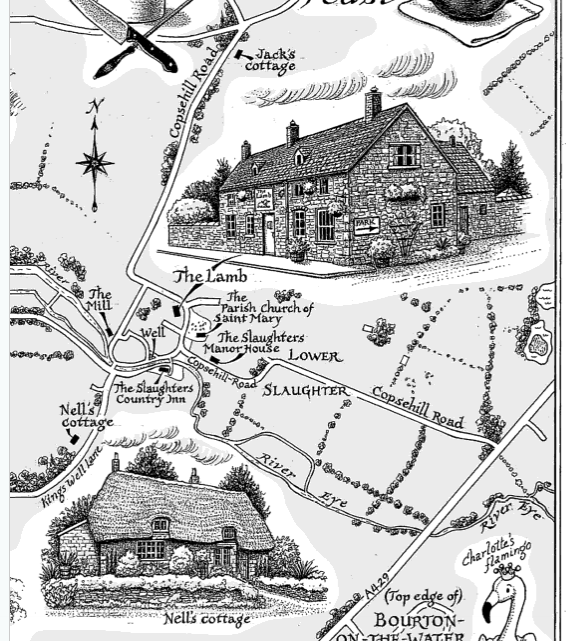
A Bitter Feast is a purely wonderful, chunky book and well worth buying in hardcover right now.  As is custom, Ms. Crombie and her publishers include a hand drawn map of the setting on the flyleaf (hardcover only – worth the price alone).  Here’s just a sample:


As you can tell, I highly recommend any of Ms. Crombie’s series, but A Bitter Feast has to be one of my favorites so far.

Now comes the hard part – waiting for the next one. 

Many thanks to Harper Collins for providing an advanced readers copy.


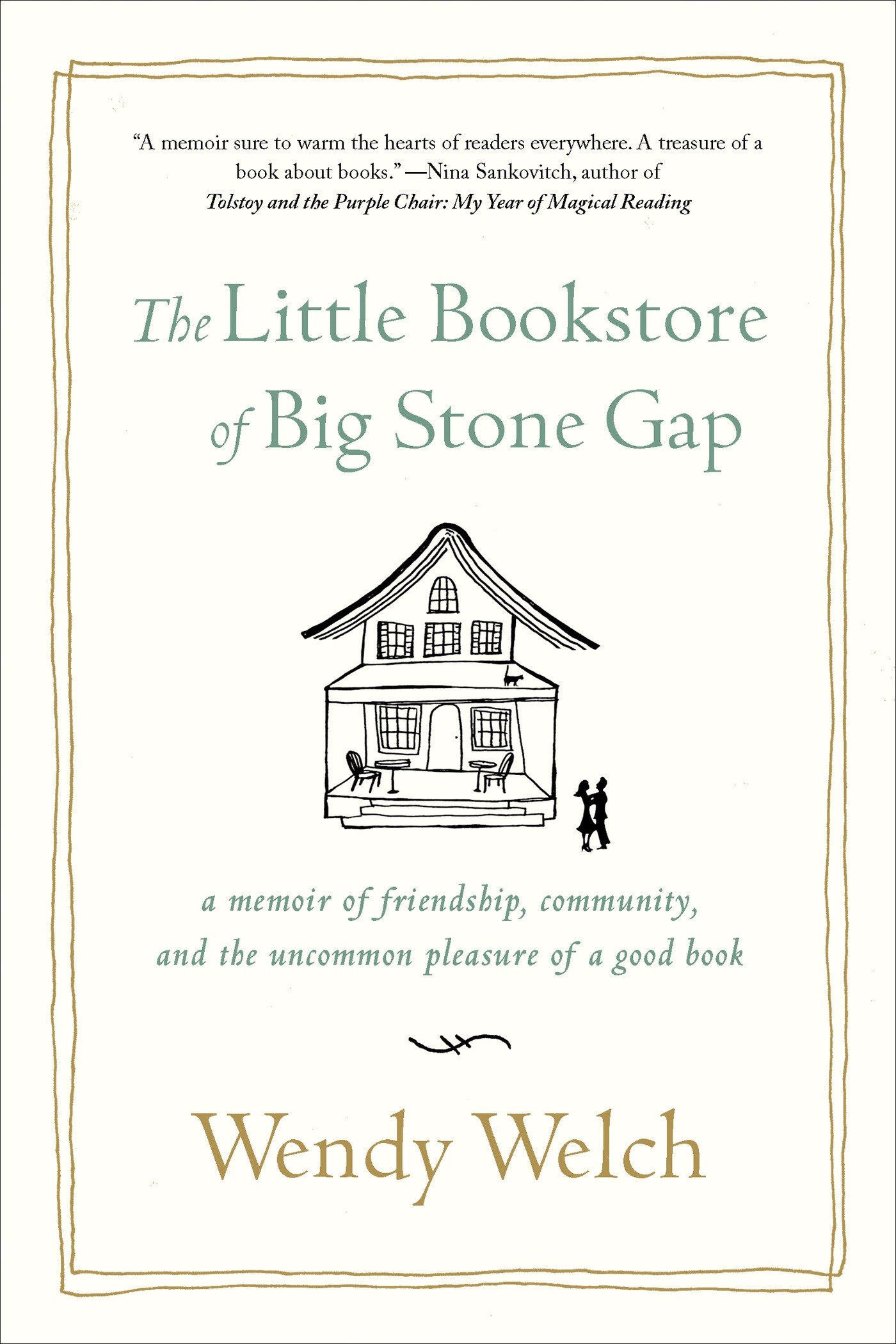
The Little Bookstore of Big Stone Gap

Wendy Welch and her Scottish husband, Jack Beck, impulsively bought a huge Victorian home in the town of Big Stone Gap, Virginia, with the intent of transforming it into a used bookstore.

Unfortunately, they had much working against them. Big Stone Gap is not exactly welcoming to strangers and its economically depressed state does not make it an ideal business location. Additionally it didn’t help that they lacked a business plan or even any books to start with. 

The couple remained undaunted and The Little Bookstore recounts their struggles and experiences as they build their beloved used bookstore and a readers’ community around the store.

I’ve dreamed of it — My Very Own Bookstore, and appropriately, this book has lived on my shelf for years. I grabbed it to re-read, as I’m currently traveling in the area, and their Big Stone Gap, Virginia bookstore — called Lonesome Pine Used Books — is on my itinerary.  (Have convinced Husband it will be a nice drive, we can stop for a nice lunch, and it’s really not at all out of the way.  Husband nodded and remained silent — after 40 years, he’s on to me.)

But back to the book, The Little Bookstore is a pleasant, breezy memoir of opening a bookstore in a small town and working really hard, learning on the fly, and caring enough about books and people to go from newcomers (or ‘Come-from-Aways’) to an integral part of a community.

The author writes about the economically depressed area, the isolation of the community and especially how becoming part of such a community is sometimes hard work and sometimes serendipity. 

Yet upon re-reading, I noticed that while Ms. Welch obviously has great heart — she loves her store, her books, and the many cats and dogs she rescues — yet, she sometimes treads into meanness with passive-aggressive observations about Big Stone Gap’s sometimes small-minded inhabitants.  Perhaps this is due to the endless struggle the couple face as they try to make the bookstore a success both financially and socially.

That little niggle aside, this charming book is chocked full of little treasures of humor, social insight, literary observations, and an over-arching love of books and book people. Certainly a must-read memoir for anyone who ever dreamed of running a bookstore or just loves them.


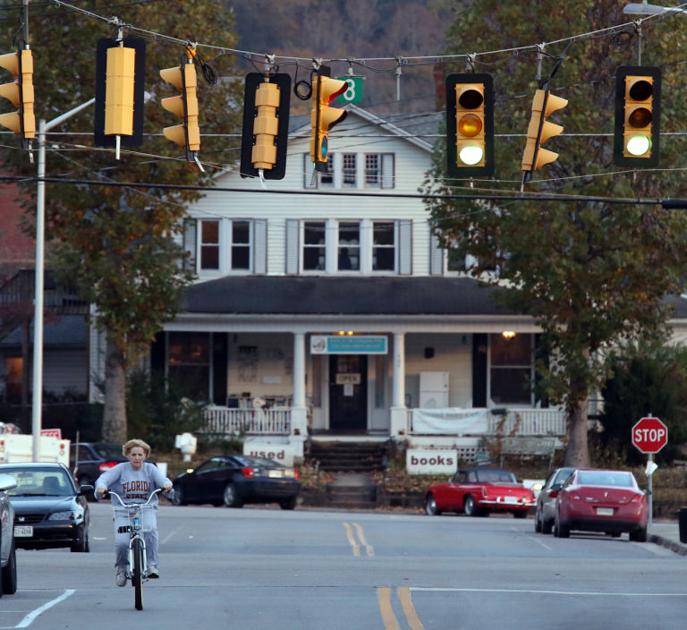
My plans to visit Lonesome Pine Books, are in shatters.  Sadly, Wendy and Jack closed it down in July.  Sighh ~~here’s  photo of the now-closed shop:

You can read more about Wendy, Jack and the bookstore on their blog HERE.

Another tidbit, Big Stone Gap is the hometown of the author, Adriana Trigiani, whose first novel novel of the same name was made into a film back in 2015. The bookstore makes a cameo appearance– Trailer HERE.

Downton Abbey ~ The Film

Yes, I’ve done it.  I’ve seen the Downton Abbey film — not once, but twice*

And I have to tell you I thought it just wonderful.

It was just grand to see it on a big film screen.

A close-up view of the dresses (sigh),

the interiors (whoa),

and the table settings (gasp).


And, while there are several story lines to keep the viewer intrigued, Julian Fellows has made Downton Abbey, in all its splendor, the star of the film.

And what was most encouraging was that the film leaves room for another potential series (oh please, please).  

But, if not, the film has tied things up beautifully.

I’m okay either way.

If you’re a fan of the Downton Abbey series, please go see this film – on the big screen.


* I was fortunate to be invited by two different groups of friends.

Library score…


I woke up to a beautiful morning, made even better by the notice that my latest hold was ready at my local library branch – Score!  I was out the door, walking over as their doors opened.

Longtime Book Barmy followers may have noticed this is the first year I haven’t been able to preview Louise Penny’s latest installment.


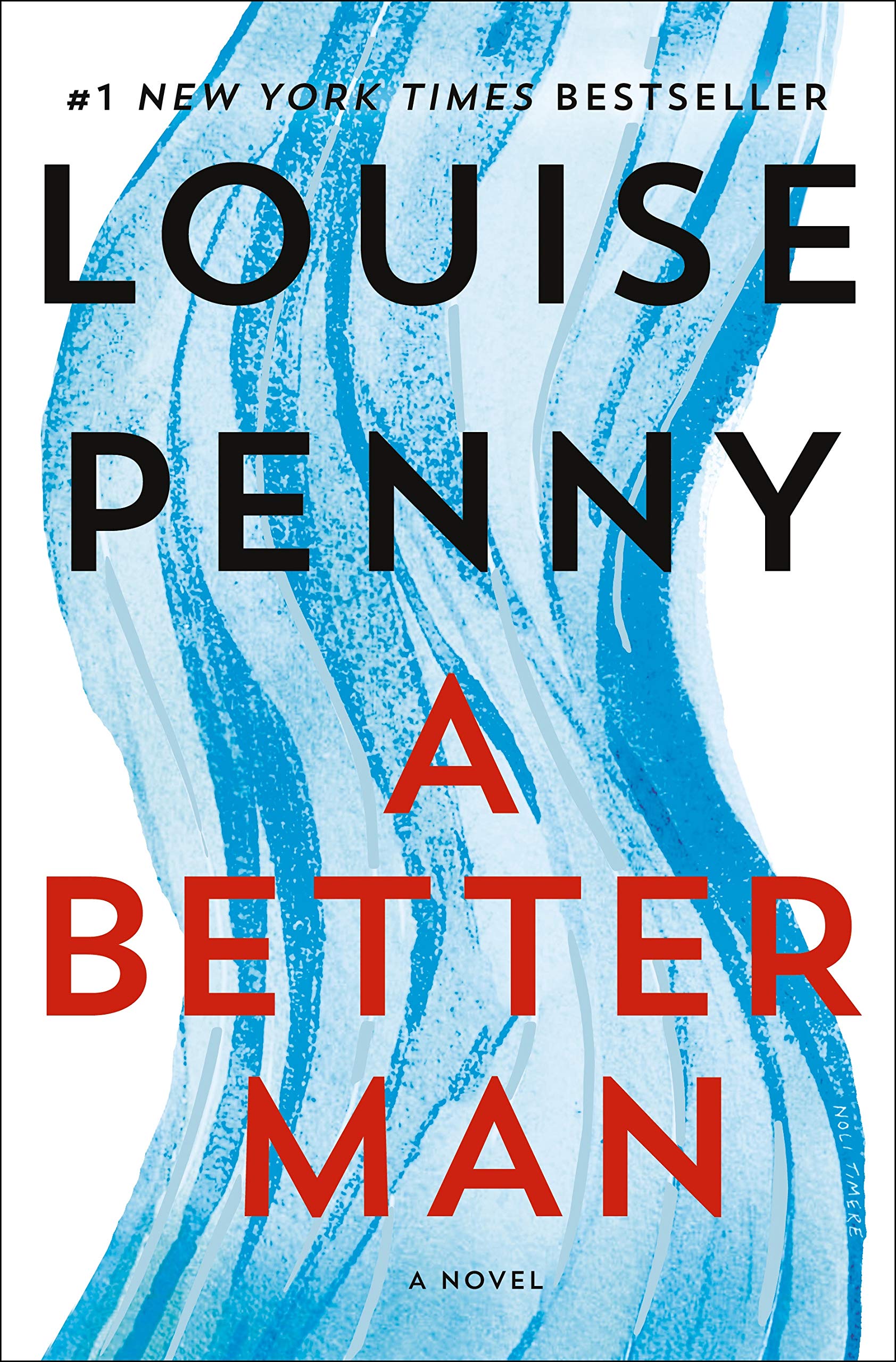
Sadly, I am no longer one of Ms. Penny’s advanced readers.  I was denied an early copy of this, her newest book,  A Better Man.

I’m trying to be a grown up about this and must come to grips with the obvious —  Ms. Penny’s books are immediate best-sellers without the support of my little Barmy book blog.

Husband gamely tried to cheer me up by pointing out that I did come up quickly on the long waiting list for the library book – but I’m still pouting ~~


You all understand — don’t you??


I’m sure to cheer up when I start reading A Better Man tonight…


p.s. It probably wouldn’t have killed me to actually purchase a copy

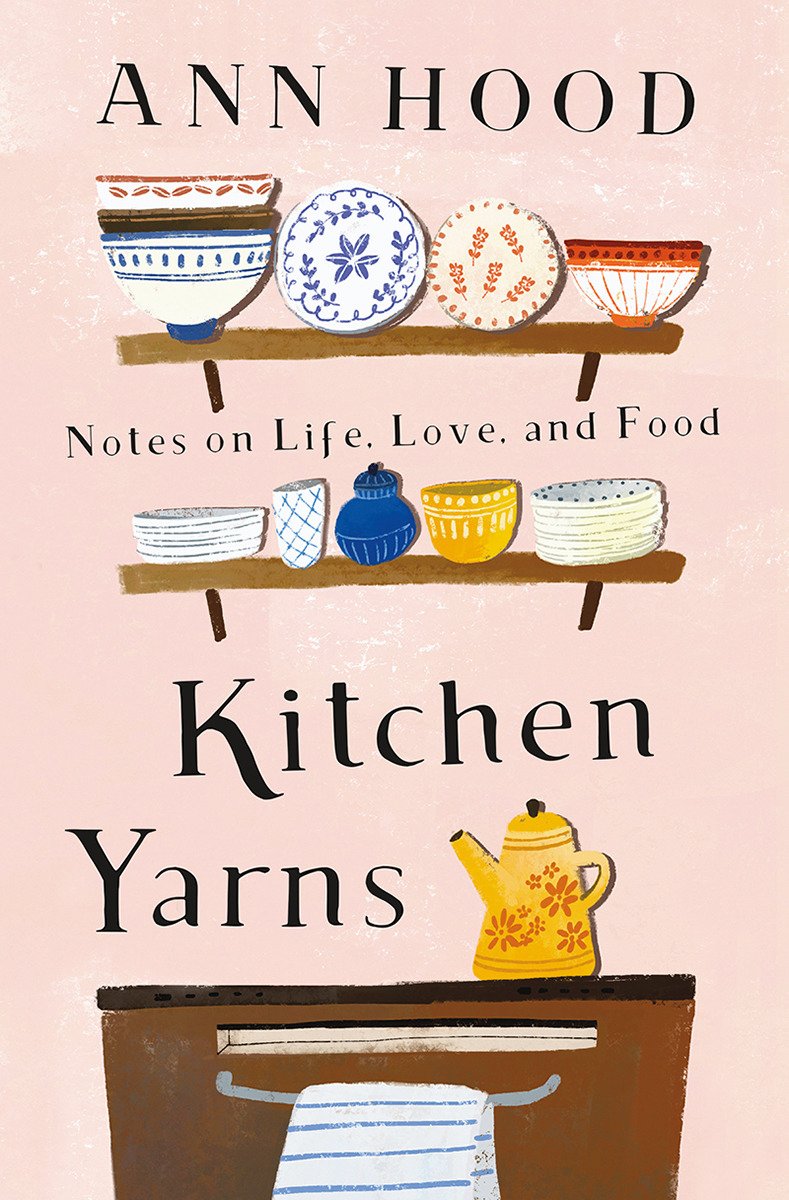
Kitchen Yarns by Ann Hood

If you’ve not read Ann Hood, you’re missing out on an author with insight and humor.  Kitchen Yarns – Notes on Life, Love, and Food is a great place to start.

This is not your normal (often pedantic) genre of culinary literature, this is a heartfelt memoir of Ms. Hood’s life told through twenty-seven essays, each accompanied by a recipe.  From a happy childhood, through failed marriages, then a happy one, and two tragic deaths — each essay is told through the context of a favorite dish or meal.

Ms. Hood’s essays feel as if you were chatting with a friend and you are sharing her memories, her beloved family, her funny stories, and of course her favorite recipes.

Within the pages of Kitchen Yarns, you’ll find antidotes of joy and sometimes of great sadness, but there’s always the comfort and import of family and friends gathered together with good food prepared and shared with love.

I knew I was in simpatico when Ms. Hood makes references to her friend Laurie Colwin one of my favorite foodie writers and novelist — as well as, the Silver Palate Cookbook — still one of my favorites – from the 80’s.

Did I mention that these essays are often fun?   In Carbonara Quest, she experiments with variations of this seemingly simple, but deviously difficult dish in an effort to fill her lonely nights as a flight attendant.

When she writes about her daughter who died suddenly at age 5, it wasn’t maudlin, but so truthful and full of love that I had to make the recipe for Grace’s Cheesy Potatoes that very night.

There is one tiny drawback.  Many of these essays had appeared in other publications, such as Gourmet magazine, and this makes for an sometimes stilted structure/flow.  Mentions of family members, recipes, and parts of Ms. Hood’s past were introduced and re-introduced throughout. We read about her Mama Rose’s meatballs several times and the description of Ann’s brothers passing is repeated almost verbatim in a later essay.

Again a small criticism, as I found this a warm and easy book to sink into.  Kitchen Yarns is filled with beautiful language and comforting descriptions of food.

Yes, I do plan to try some of her recipes in my kitchen:  including, but not limited to – Peach Pie, Green Herb Sauce, the above mentioned Cheesy Potatoes and Laurie Colwin’s Tomato pie.

An advanced readers copy was kindly provided by W. W. Norton & Co.


If you’re not a foodie, you could also try Ms. Hood’s lovely memoir on reading and books Morningstar: Growing Up with Books.

I also recommend her amazing first novel Somewhere Off the Coast of Maine

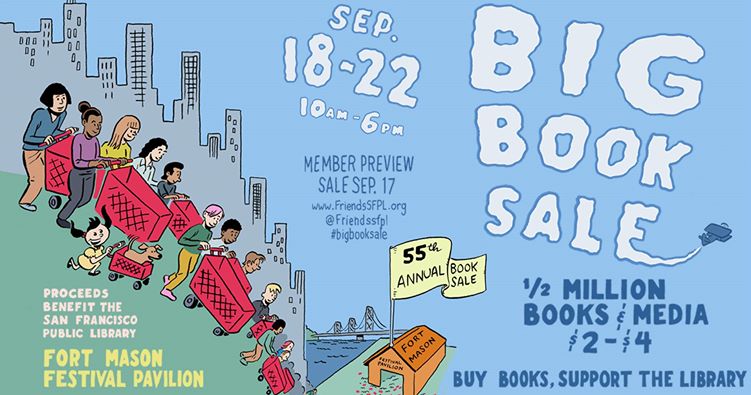
It really should be called the Enormous Book Sale

It’s that time of year again.

The Big – that’s 1/2 million Books – Sale


September 18-22, 2019 10 AM – 6 PM
Friends Member Preview: Tuesday, September 17, 4-8 PM

The Friends of the San Francisco Public Library invite you to the 55th annual big book sale!  Every year the Fort Mason Festival Pavilion overflows with book shoppers at the Big Book Sale, an iconic San Francisco tradition.

The sale opens to the public on Wednesday morning through Sunday. On Sunday, all books will be sold for just $1. All sections will be restocked daily with new and exciting finds; there will be no shortage of great titles.

This sale features over 1/2 a million books priced between$2-$4 and attracts over 10,000 book lovers from the Bay Area and beyond.

Every year, there are amazing stories of people finding exciting books during the sale. One year someone found a hardcover first edition of To Kill a Mockingbird and bought it for just two dollars. You’ll never know what you’ll find!

No question, I’ll be there volunteering and, much to Husband’s dismay, book shopping too!

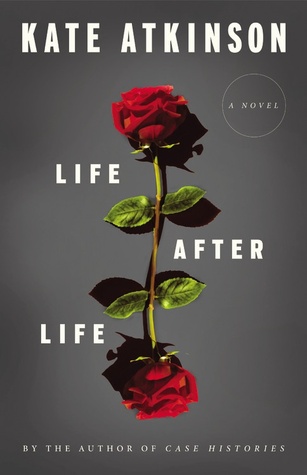
Life After Life by Kate Atkinson

My other corking* good vacation book was Life After Life by Kate Atkinson.

Ursula Todd is born on a stormy winter night in 1911. Because of the snow storm the midwife doesn’t make it on time to deliver the baby, so the baby dies. End of story.

Not quite.

Life After Life, as the title implies, is all about  ‘do overs’.  Ursula is born again and this time she survives. But only for a few days. So the ‘do over’ button is pressed again. And again, and again, and again. And in a real twist, these lives aren’t at all  linear.  In one life Ursula may live into her twenties, the next life, she only lives until her teens. Then, we’re moved forward to another life when she’s in her thirties. Then, we go back to when she’s still a schoolgirl. 

Each time Ursula retains something from her prior life, a forewarning, something that could change the future outcome of events, perhaps even history.  We are introduced to characters who go unexplained until later.  Little images and scenes come back later with greater meaning and you nod your head as you recognize the significance after all.

Crazy and confusing right? 

Trust me it’s actually not. 

Yes, Life After Life is an unusual book, and if you’re like me it will take a few chapters to get into the perplexing style — but once once you settle in — it’s an amazing read.   You have to be willing to recalibrate and I often had to flip back to see when and where I was (For that reason alone, I recommend reading this in physical book form, it would be hard to navigate in e-book format).  Once the pace of the book becomes familiar, you won’t be able to put it down. 

Ms. Atkinson is a sophisticated writer with an impressive vocabulary and uses bits of Latin, French phrases, and entire paragraphs written in German (sometimes loosely translated, sometimes not at all).  She also references obscure books and quotes philosophers such as Nietzsche and Camus.  But please don’t let this dissuade you — Life After Life is not overly intellectual — trust me I got most of it and I don’t have a PhD — just a good dictionary.  Here’s an example (I’ve provided the definition):

Time isn’t circular,’ she said to Dr. Kellet.  ‘It’s like a … palimpsest.
‘Oh dear,’ he said. ‘That sounds vexing.’
‘And memories are sometimes in the future.’

 Ahh, I can hear you saying that’s the oldest premise ever (thinking Groundhog Day aren’t you?), but trust me dear Barmy readers, Ms. Atkinson’s imagination and creativity takes Life After Life to a whole new level.  She goes an unusual route to show that our character and choices don’t matter much either way. At times, Ursula gets killed in the exact same place and in the same way whether she’s a coward or a hero; a British secretary or high level civil servant; or even a German hausfrau. 

There is an impending feeling of dread as we wait to see what happens next to poor Ursula, but this is interspersed with humor and tenderness — mixing poignancy with a wry insights.  What I found most fascinating was this book took me everywhere from country village life, to 1960’s London, the Blitz and even (and somewhat unbelievably) Hitler’s Berchtesgaden.

There is literary genius in the manipulated narrative, but at its heart, Life After Life is simply a wonderful story, with many, many layers, tipped upside down and strewn about.  This book still has me thinking about possibilities and the role both choice and chance play in our lives.

In true appreciation, this goes on the keeper shelf for a second read.

—————————————————————————————————————————-

*Corking:  A British term:  extremely fine —often used as an intensive, especially before good — I had a corking good time.

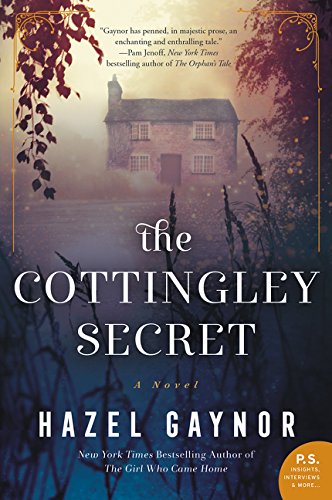
The Cottingley Secret by Hazel Gaynor

Hello all.

I read two corking vacation books – both were long, involved, and wonderful.

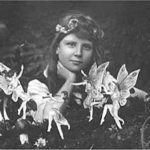
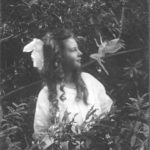
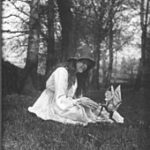
The first, The Cottingley Secret is a rather clever fictional take on the famous true story of the Cottingley fairies. Back in 1917, when photography was still fairly basic and people were less cynical, two young girls took photos of fairies they claimed played at the bottom of their garden.  The public was fascinated and divided on whether the photos were real or a hoax.

The novel opens in  2017 with Olivia who works as a bookbinder in London and is engaged to a man she knows is not right for her. After her mother died when Olivia was young, she was raised by her grandparents in Ireland where her grandfather owned a secondhand bookshop.  Now her beloved grandfather has died, leaving her the family cottage and his beloved shop.  She heads back to Ireland to see to the bookshop and check on her grandmother, who’s living in an assisted living home, suffering from Alzheimer’s.

Just before her grandfather died, he sent her a manuscript — ‘Notes On a Fairy Tale’  by Frances Griffiths — a family heirloom that’s been handed down to the women in her family over the years.  Olivia pulls it out to take with her to Ireland and begins reading.

Via the manuscript, we go back in time and learn about nine-year-old Frances Griffiths and her mother—both newly arrived in the UK from South Africa in 1917.  They are staying with Frances’ aunt and 16 year old cousin Elise in the village of Cottingley in West Yorkshire, while Frances’ father is fighting in WWI.

The cousins played together beside the beck (stream) at the bottom of the garden, much to both mother’s annoyance, because they often came back with muddy feet and wet clothes. Frances and Elsie said they only went to the beck to see the fairies:

I know that the best time to see them is in that perfect hour before sunset when the sun sinks low on the horizon like a ripe peach and sends shafts of gold bursting through the trees. The ‘in between.’ I call it. No longer day, not yet night; some other place and time when magic hangs in the air and the light plays tricks on the eye. You might easily miss the flash of violet and emerald, but I see their misty forms among the flowers and leaves. I know my patience will be rewarded if I watch and listen. If I believe.

To try an prove their story, Elsie borrows her father’s camera.  The resulting photographs allegedly captured images of fairies and the girls think the matter settled within the family.  But a few years later, the photos come to the attention of author, Sir Arthur Conan Doyle, who featured the story in a 1920 issue of  ‘The Strand Magazine’.  Because the renowned Arthur Conan Doyle was convinced that the photographs were proof that fairies existed, the story gained wide coverage and interest.   The girls are thrust into the limelight and the photos are scrutinized and tested  — experts hoping to prove a hoax.

Meanwhile we follow Olivia as she starts to appreciate the slower pace of the seaside village and begins to feel at home. The bookshop has brought back wonderful memories and she is rediscovers her love of reading books, not just binding them.  The manuscript has given her a magical piece of history that connects the Cottingley fairy photographs to the mother she lost when she was young – possibly with a hint of fairy magic.  She begins to reassess her life and decides to stay and manage the bookstore, unable to bring herself to sell it — also she has made friends with a widow and his young daughter — who happily believes in fairies.   Olivia herself is experiencing some strange occurrences with fairies appearing in her dreams and unexplained flowers being left by her bed.

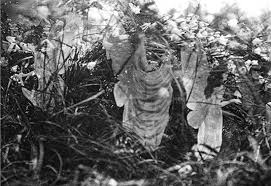
I won’t give away any more of the plot but I have since done a few Google searches on the Cottingley fairies. It’s an amazing story that captured the public’s imagination for decades.  After years of Frances and Elsie sticking to their story of the fairy photographs being real, they finally revealed in the 1970’s that the photos were faked — they used cut out paintings of fairies drawn by Elsie and used hat pins to pin them to the ground.  All except for the last photo which they’ve claimed was the only real photograph out of all of the pictures they took over the years.

Here are the original photographs from 1917:


And the one photo claimed to be of real fairies.


With today’s photo-shopped images it is hard to believe that once people saw photos as truth.. But then again, this was a time right after WWI when people wanted desperately to believe in the possibility of fairies and spirits

The Cottingley Secret is a book of imagination and make-believe made even more fascinating because it’s based on the true tale behind two young girls and their fairy friends.  At the end of the book, Ms. Gaynor shows us the actual photos with her own author narrative and there’s even a letter from Frances Griffiths’ daughter – delightful.

I finished this book with a smile on my face.

I’ll close with my favorite quote from the book:

“There is more to every photograph than what we see-more to the story than the one the camera captures on the plate. You have to look behind the picture to discover the truth.”


Advanced readers copy provided by Harper Collins via LibraryThing.

Thank you