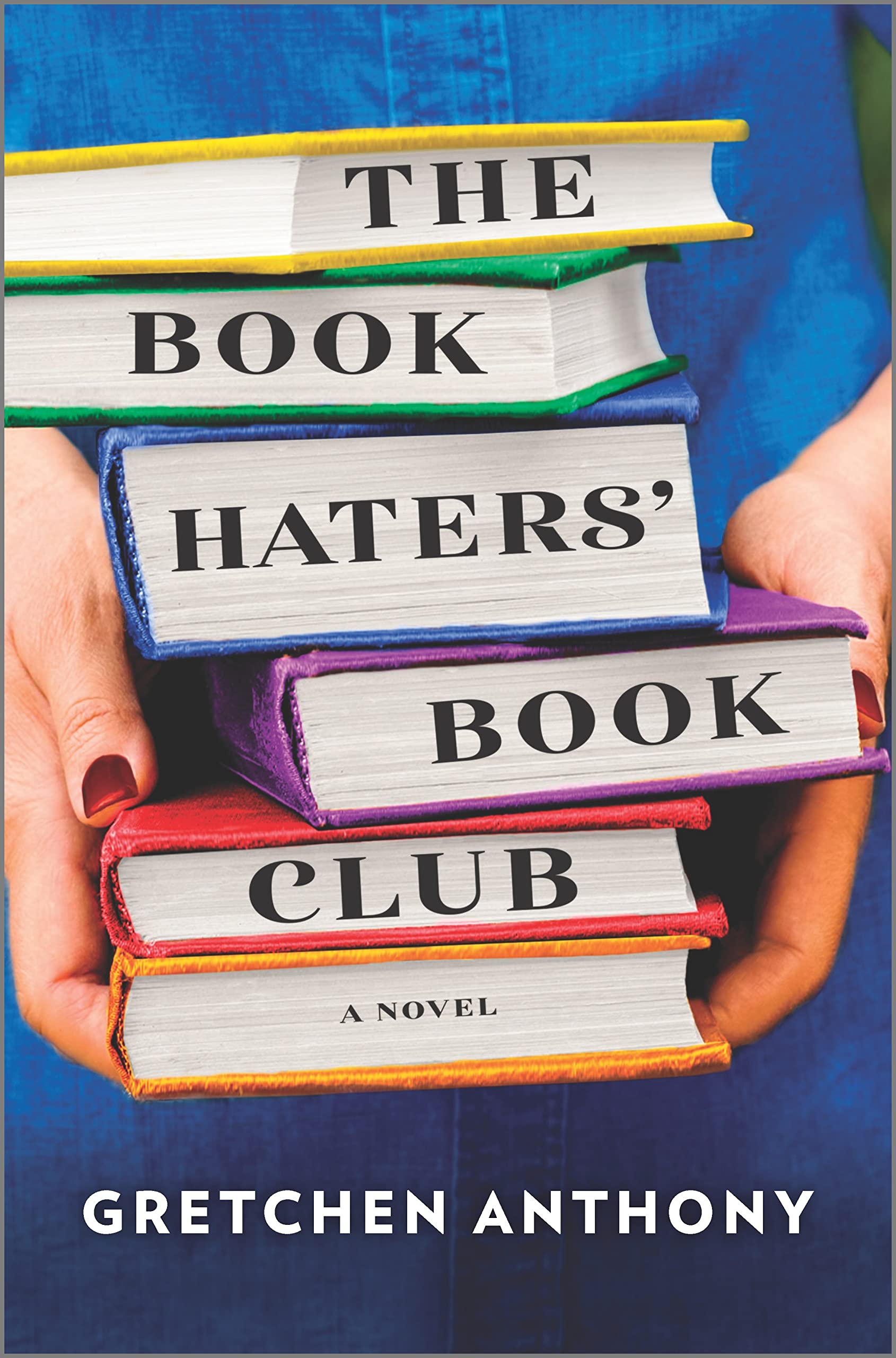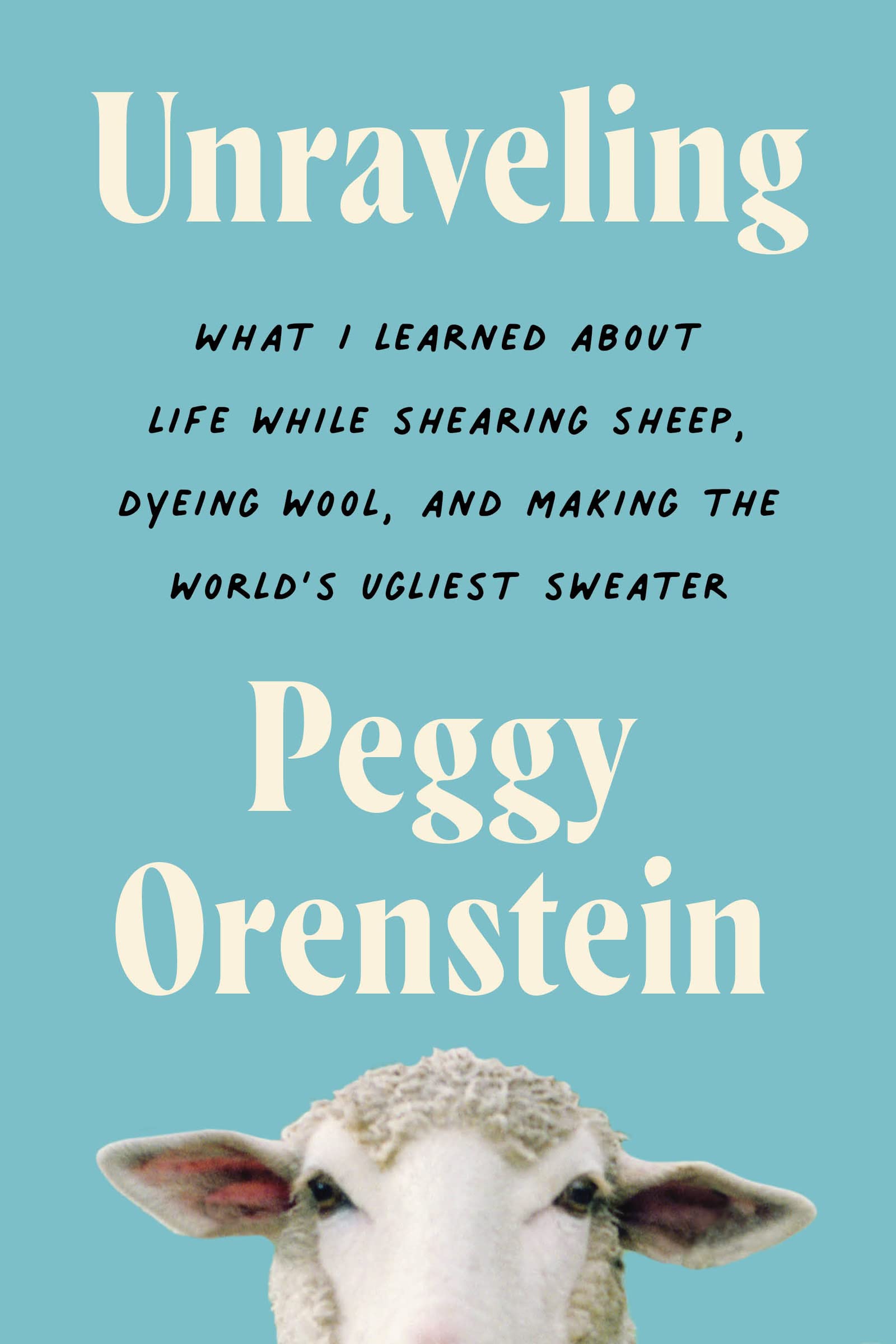
Where Coyotes Howl by Sandra Dallas

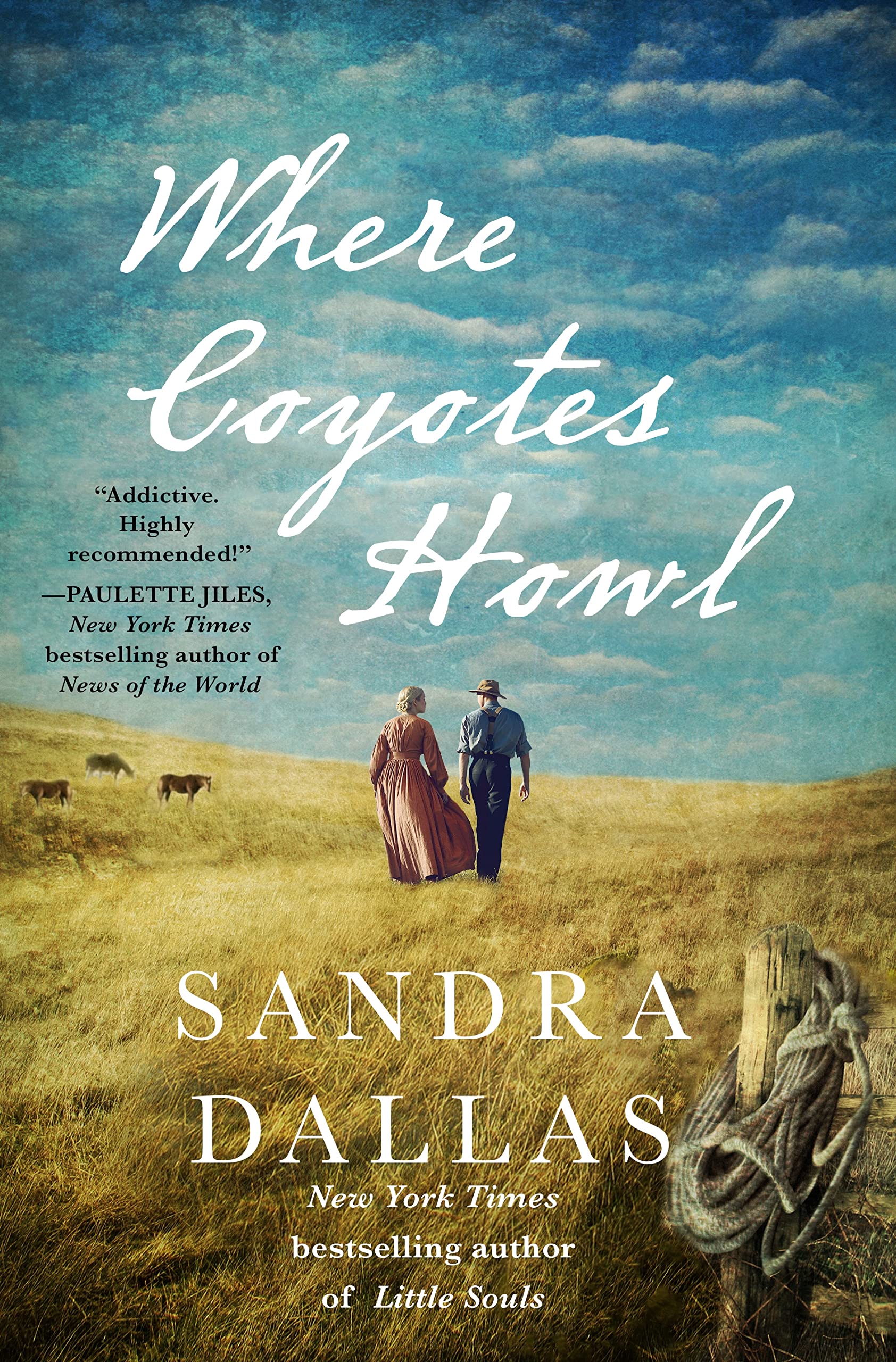
You may remember my earlier post about Ms. Dallas. I mentioned that I had read an advanced reading copy of her latest novel- Where Coyotes Howl. Well, it’s just been published, so now I can talk about it.

Ellen has accepted the post of the new schoolteacher in Wallace, a tiny Wyoming town in 1916. A monumental change from the big city she comes from– characterized by dusty streets, desolate surroundings, and seedy-looking men lounging under a tree “stove-up cowboys down on their luck”. She finds a room in a run-down shack with a poor woman and her abusive husband. Things are looking pretty grim for Ellen.

Until she meets Charlie – a young cowboy who is working on a nearby ranch. He is a good man and they begin to court and soon married.

Charlie owns a bit of land so he builds her a house made of wood because she abhors snakes which live in regular sod houses on the prairie.

Let me stop here for a moment, because I have to admit I don’t read romance and at this point in the novel it appears – whoops, this is indeed a tale of love – okay a love story – but stick with me, this is no Hallmark story.

Ellen leaves her teaching post, because living on the prairie requires that she keep the household going while Charlie is at the ranch.

It’s a full time, no more like 24/7, job. Keeping the snow from coming inside the house as the wooden structure couldn’t keep out the storms, and with water brought in barrels from a mile away were only a few of the challenges Ellen faces every day – not withstanding, the constant lonely nighttime howling of coyotes.

Ellen forms friendships with other women both in town and on the prairie, and these woman are just as strong as Ellen as they keep their husband’s land, cattle, and children sustained amidst the isolation and challenges.

Once again, as with all the other Ms. Dallas novels I’ve read, I became totally absorbed in this poignant, yet tragic story of two people’s lives during the early years of settlement in the west. Charlie and Ellen experience horrific weather, tragedies and extreme travails. But they survive – bound together by the love they had for each other.

The novel really shines with the descriptions of the landscape, the isolation, and severe hardship, but also the understanding and care for those facing even harder times. The sense of community was inspirational and I found their losses and those of their neighbors just heart breaking.

Where Coyotes Howl is highly recommended as absorbing historical fiction — but it’s really more than that. It’s also part western, and yes, part love story — but mostly it’s a full and gripping tale of early America and the struggles of it’s settlers.

Many thanks to St. Martin’s Press for an advanced digital review copy via Netgally.

The Sandcastle Girls by Chris Bohjalian

Here at Book Barmy headquarters, we are thrilled when a friend gives us a book they enjoyed, especially when it comes with their review and backstory.

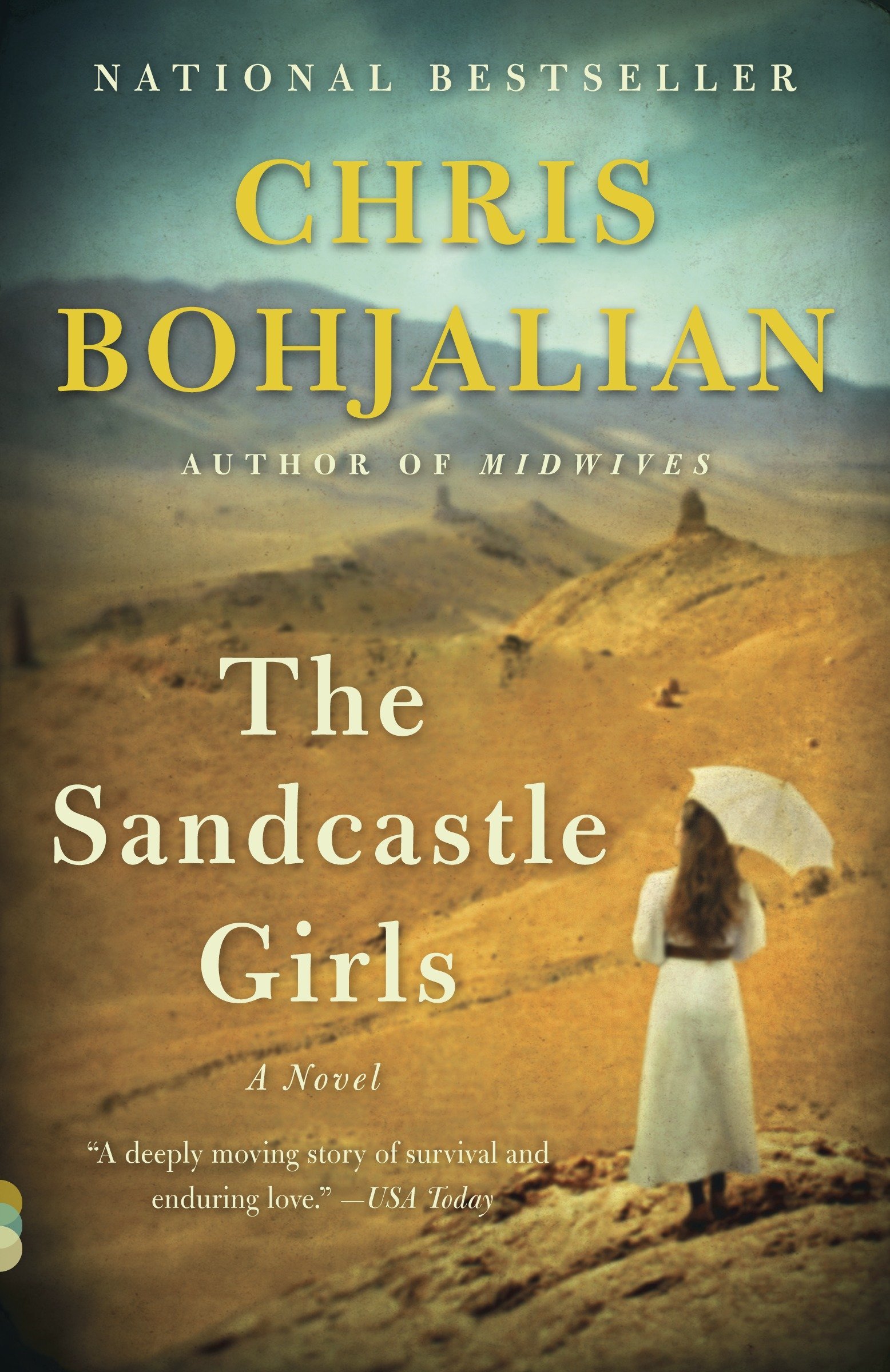
Such was the case with The Sandcastle Girls. My friend included a note with the book which told of her friendship with with a daughter of Armenian immigrants and how this story is about a little-known chapter of Middle-Eastern history.

Mr. Bohjalian has taken this little known, but horrific piece of history — the killing of thousands of Armenians by Turks in 1915, and used it as the backdrop for a love story of two very different people who meet in Aleppo (modern-day Syria) — the Ottoman Empire during World War I.

Aleppo served as a way-station for refugees who had already been marched through the desert with no food or water. Americans, Brits and others, including some Muslims, ministered to them and tried to save lives during the refugees’ brief respite before they were marched out into the desert yet again – to a camp which almost guaranteed their eventual deaths. In Aleppo, Elizabeth Endicott, is a young, wealthy woman from Boston who, with her father, is administering aid to the refugees. She falls in love with Armen Petrosian, an Armenian engineer searching for his wife and infant daughter who have been rounded up by the Turks.

The Sandcastle Girls interweaves of the story of Elizabeth and her father Silas, along with others in Syria to aid the refugees along with the secondary story of their granddaughter Laura who is researching information about her grandparents.

In the early pages of this novel, Laura sets the stage for this undiscovered story of her grand-parents:

Nineteen-fifteen is the year of the Slaughter You Know Next to Nothing About. If you are not Armenian, you probably know little about the deportations and the massacres: the death of a million and a half civilians. Meds Yeghern. The great crime. It’s not taught in school, and it’s not the sort of thing most of us read before going to bed. And yet to understand my grandparents, some basics would help. (Imagine and oversized paperback book with a black-and-yellow cover. The Armenian Genocide for Dummies.)

Through vivid detail the author takes us to the dry, harsh deserts of death, and into the protected circle of the American compound in Aleppo. From there we are brought back to America, and the pieces of the family puzzle come together through long forgotten details, sadness, love and finally understanding.

Mr. Bohjalian gives us a well-paced story line with his characters’ stories and their relationships. However, I found that the sections detailing the actual history of war, were interesting, but slow reading — I had to force myself to carry on and often put it away to read something else.

That is not the only reason why it has taken me so long to finish this book, this is a difficult and oftentimes disturbing book about the atrocities and horrors of this great crime — a genocide that is still impossible to discuss in today’s Turkey, where denial is the rule.

In a burst of resolution the other evening, I finally finished it and have to say The Sandcastle Girls is well worth reading even with the troubling content. Such historical fiction like Mr. Bohjalian’s is important – because it reaches readers like myself who learn of the past through stories told.

N.B. I wish I were a reader of history tomes, I want to be, but the David McCulloughs sit on my shelf, unread to this day. Maybe, like poetry, I will venture in…

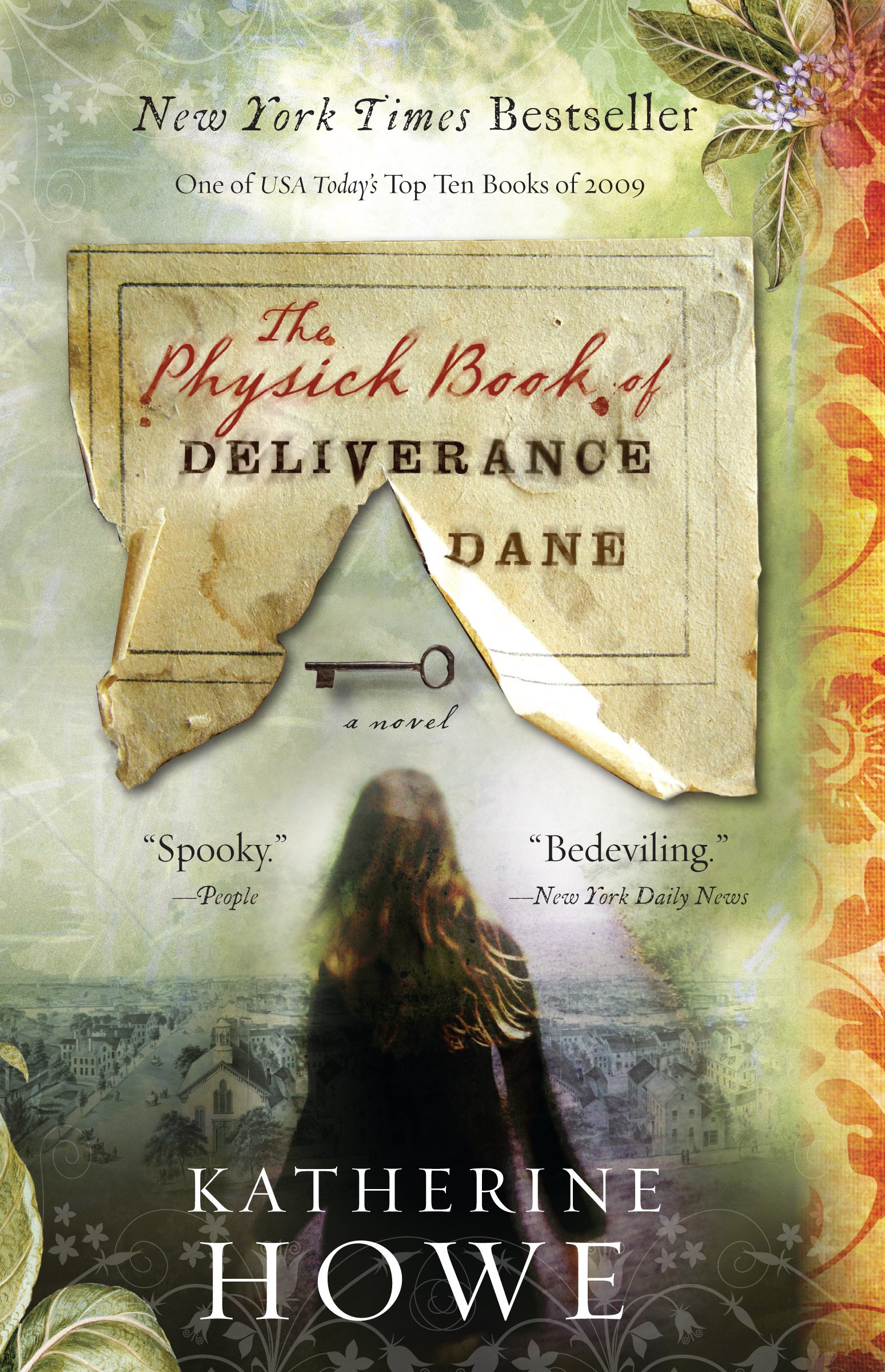
The Physick Book of Deliverance Dane

This book has been on my shelf for years, I pulled it down the other day, trying to remember where I got it (I can’t). and decided to give it a go.

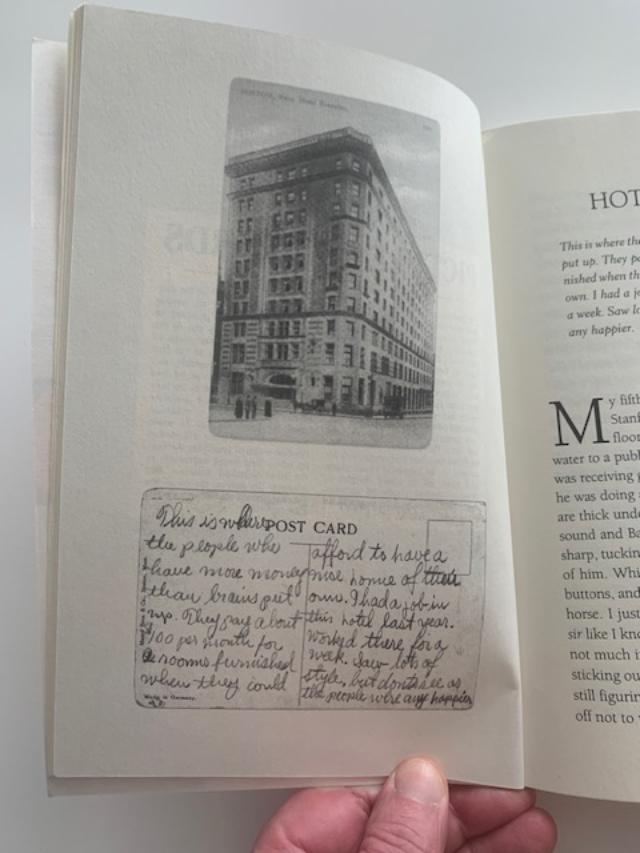
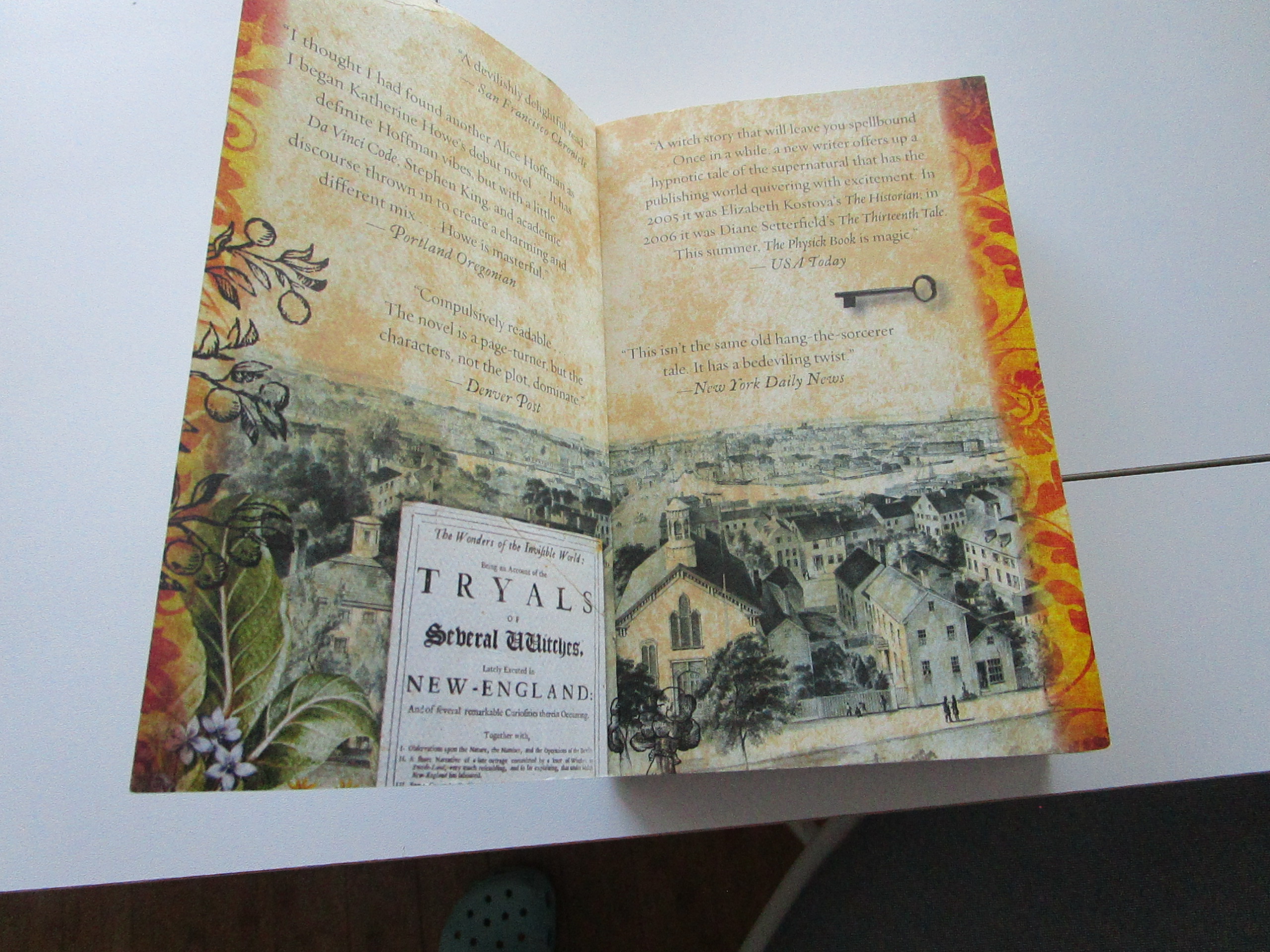
Its a beautifully printed book with deckled edges and a stylish cover with an illustration of colonial Salem, Massachusetts inside. One of those books that is a pleasure to have in the hand.

From the book blurb:

Harvard graduate student Connie Goodwin needs to spend her summer doing research for her doctoral dissertation. But when her mother asks her to handle the sale of Connie’s grandmother’s abandoned home near Salem, she can’t refuse. As she is drawn deeper into the mysteries of the family house, Connie discovers an ancient key within a seventeenth-century Bible. The key contains a yellowing fragment of parchment with a name written upon it: Deliverance Dane. This discovery launches Connie on a quest–to find out who this woman was and to unearth a rare artifact of singular power: a physick book, its pages a secret repository for lost knowledge.

I loved the concept of a physick book (a book of herbal remedies aka a spellbook) being uncovered in modern times with flashbacks to the Salem Witch trials of 1692. There’s intrigue — stir in sinister people who want to acquire the book, and you’ve got a potential of a historical mystery adventure to enjoy.

The author, Katherine Howe, is descended from an accused witch in Salem and had another relation who died there — so she is ideally qualified to create such a story.

I gobbled up the beginning — the set up was intriguing, an old crumbling house, Connie, a PhD student doing research on the Salem witch trials, and discovering the story of Deliverance Dane, an herbal healer in Salem, 1692 — who, of course was suspected of being a witch.

Then just over 100 pages, the plot become light-weight and the book ventures into a romance. Connie meets and falls for Sam, a colonial preservationist and his work could have been a fascinating component to her research – but instead he is a shallow, undeveloped character.

Also annoying, while Connie is searching for the psysick book the clues become blatantly obvious. This reader found it hard to believe that an American colonial history PhD candidate wouldn’t be oblivious to these clues and be much further ahead in her quest. Then as I was still turning the pages, I laughed out loud when Connie has the revelation that her real name was Constance. Did she really not know the origins of her nickname of Connie?
Ms. Howe’s attempts to have some of the characters speak with a Boston accent are fingernails-on-a-chalk-board irritating. And the house — the crumbling house — well Connie doesn’t do anything to clean up this vermin infested house – yet she seems to keep living in it throughout.

Even with all these faults, I did find the chapters about Deliverance and her ordeal in early Salem interesting. Those parts of the book give a picture of the harshness of colonial life, and the level of ignorance and superstition that prevailed.

Full disclosure, I did not finish this book which I really wanted to like, but it just fell apart for me. The Psysick Book of Deliverance Dane was published back in 2009 and is the author’s first novel with first-novel flaws. I admire any author’s struggles to write, complete, and finally get a book published. Ms. Howe has since written several other novels since this one — it seems to me she has potential. I may try a more recent book to see how she has grown as a writer.


The Jam Jar Lifeboat by Kay Ryan

The other rainy evening I decided to peruse my sparse collection of poetry books with a goal of introducing more poetry into my other reading.

You see, I’m not a poetry reader, I often don’t understand it — at all. The Jam Jar Lifeboat is an exception. I went to see Ms. Ryan read from this collection shortly after she was named Poet Laureate of the United States (!) in 2008. I found her heart-warming and funny.

The Jam Jar Lifeboat and Other Novelties Exposed is a strange, yet humorous poetry collection. Each of the fifteen poems are Ms. Ryan’s response to a randomly selected entry in Ripley’s Believe It or Not!. Playful and darkly witty, they explore the oddities of life.

“The Walking Stick Insect” is one of my favorite:

The Walking Stick Insect — of South America often loses an antenna or leg – but always grows a new appendage. Often nature makes a mistake and a new antenna grows where the leg was lost. (Ripley’s Believe It or Not!)

Eventually the

most accident-prone

or war- weary

walking sticks

are entirely

reduced to antenna

with which they

pick their way

sensitively,

appalled by

everything’s

intensity

I remember this collection of poems very well and they made me smile then and once again during my re-reading that rainy night. As an added bonus, the poems are accompanied by delightful full color illustrations by Carl Dern.

In case you’re wondering about the title — one of poems in this collection is based off another Ripley’s tidbit about a man who invented a jam jar life boat which instantly sank the first time – you’ll just have to read it.

Ms. Ryan held the U.S. Poet Laureate position for two terms, using the appointment to champion community colleges like the one in Marin County where she teaches.

Ms. Ryan helps us see the miraculous in the every-day. These poems bring the freaky, outlandish and extreme down to earth with Ryan’s signature pith and wit. Her poems are funny and winsome — and most importantly very accessible. This slim volume may be hard to find, but every library should have a copy — somewhere — The Jam Jar Lifeboat is well worth searching out.

N.B. The other poet I find accessible is anything by Mary Oliver – I’ve only dabbled into the two of her books in my tiny collection, so have decided to read this one — could be my gateway into reading more poetry.

Any one have other suggestions for accessible poetry for a fledgling?

Sandra Dallas

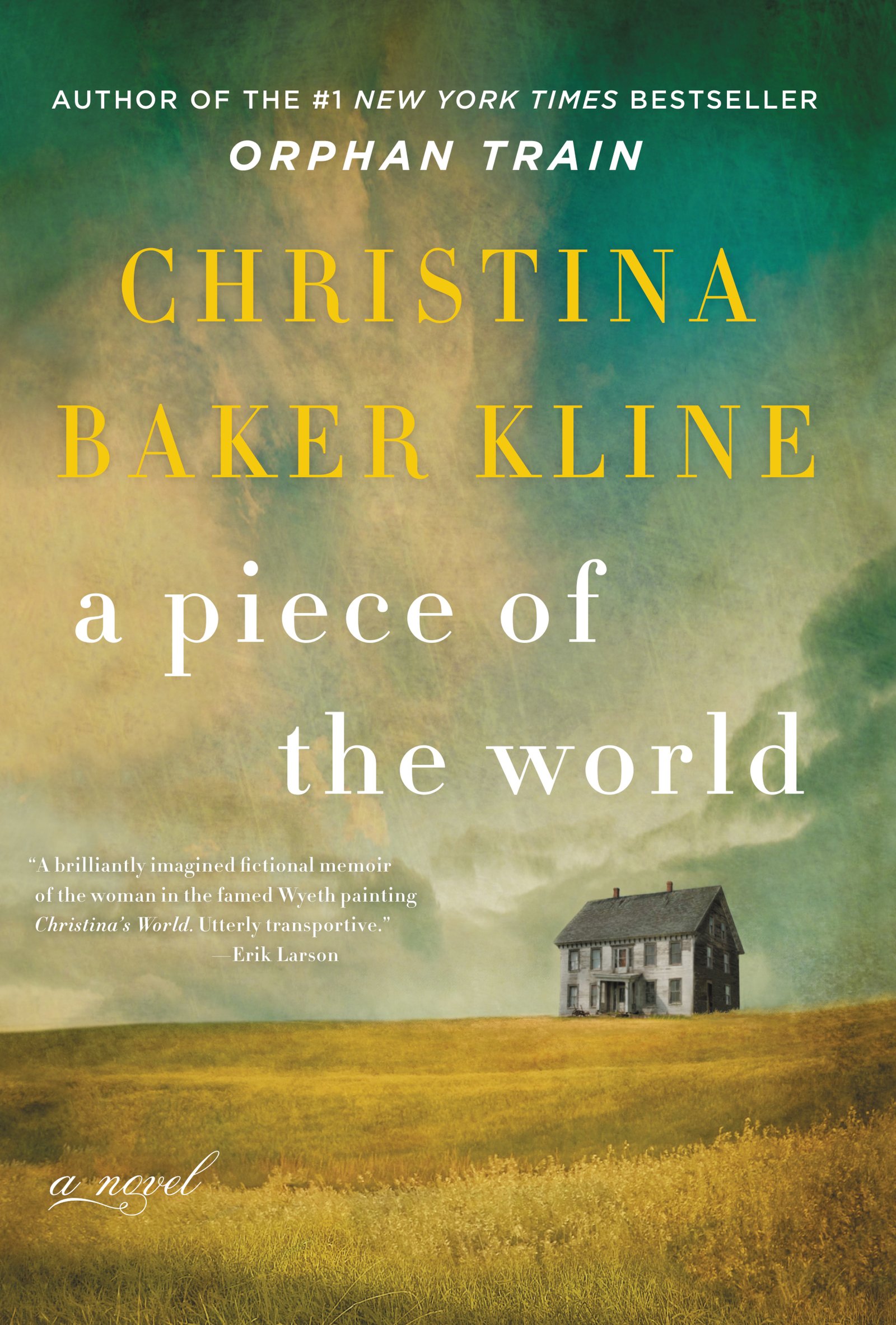
You may remember my post about kicking my attitude out of funk with some reading of the trials and struggles of the women who settled the West. That got me thinking about the author Sandra Dallas. If you don’t know about Ms. Dallas and you like historical novels — you should try and find any of her books.

My favorite of hers is one that holds a place of honor on my shelves and I recently re-read it for, I think, the third time.

The Diary of Mattie Spenser by Sandra Dallas


Newly weds Mattie and Luke are traveling in a covered wagon to build a home in the Colorado Territory. They settle in this new frontier, which is so isolated and bleak that it drove many women, and a few men, to madness.
We read of their hardships — Indian attacks, isolation, no plumbing or electricity not to mention, no doctors or medicine. Mattie finds solace in her private journal, where she records the joys and frustrations not just of frontier life, but also of a new marriage to a handsome but distant stranger. This novel is told in the form of her diary entries – a writing style I have a particular fondness for — as with epistolary novels.

Mattie is a woman of extraordinary virtues — she is decent, educated, kind and capable, and she accepts her bridegroom’s choices and the old-fashioned concept of helpmate.

Ms. Dallas is the former Denver bureau chief for Business Week magazine and lives in Denver, Colorado. She is known for her extensive research, so her readers can truly inhabit and understand the time and the place in which she sets her stories. Like all of Ms. Dallas’ novels, this story pivots on a terrible secret. I must admit that each time I read The Diary of Mattie Spenser, I am still surprised and a little troubled with this secret and how the diary ends. Without giving anything away, I will tell you Mattie’s tough decision highlights how far women have — okay, may have — come in terms of both rights and freedoms within society.

And once again, I felt lucky as I read this saga safe in my warm home, under the light of a good lamp.

The Diary of Mattie Spenser is a wonderful book that I have re-read yet again and will likely read again — and if you’re like me it will stay with you for years.

~~~~~~~~~~~~~~~~~~~~~~~~~~~~~~~~~~~~~~~~~~~~~~~~

Westering Women by Sandra Dallas

Now because I hadn’t had enough reading about strong women settling the West, I dived into another Sandra Dallas last week and finished it this morning over a cup of tea.

It’s February, 1852, and all around Chicago, Maggie sees postings soliciting “eligible women” to travel to the gold mines of California. A young seamstress with a small daughter, she has nothing to lose. Thus begins the tale of wagon train of women headed to a new life. They were to find husbands among the miners who had been lured to California by the prospect of gold. Led by two ministers, this wagon train of women would make an arduous two thousand mile trek. Sometimes riding but more often walking (sometime barefoot) each woman is escaping a past, finding themselves, their strength, their fortitude in an unforgiving culture of 19th century patriarchy. It was a journey that not all would complete, but it would make the women eventually band together as sisters.

Westering Women is aimed towards a young adult audience. And I don’t know if this was why it was not my favorite of Ms. Dallas books. Still, I found it riveting enough to finish and it was a quick read. A plus when reading young adult books.

A digital review copy was kindly provided by St. Martin’s Press via NetGalley

~~~~~~~~~~~~~~~~~~~~~~~~~~~~~~~~~~~~~~~~~~~~~~~~~~

Ms. Dallas has also written novels set in the 1930’s Mississippi, the Kansas dust bowl, as well as a few set during the Civil War. I’m not usually a fan of what is termed ‘women’s fiction’ and yes, women are always the central force in her novels — but these are different, she writes of women’s struggles, their deep reservoirs of strength, and the all-important friendships with other strong women of the time.

Here’s some of the titles I’ve read over the years.

~~~~~~~~~~~~~~~~~~~~~~~~~~~~~~~~~~~~~~~~~~~~~~~~

But wait there’s more

Thanks again to St. Martin’s press, I also have a proof copy of Ms. Dallas’s newest book, Where Coyotes Howl, which will be published in April. I’ve read the publicity blurb and it sounds great.

Can I take another harrowing, yet uplifting story of women settling the West?

Why, yes, I think I can – there is just something about this author and her writing – I can’t stop…

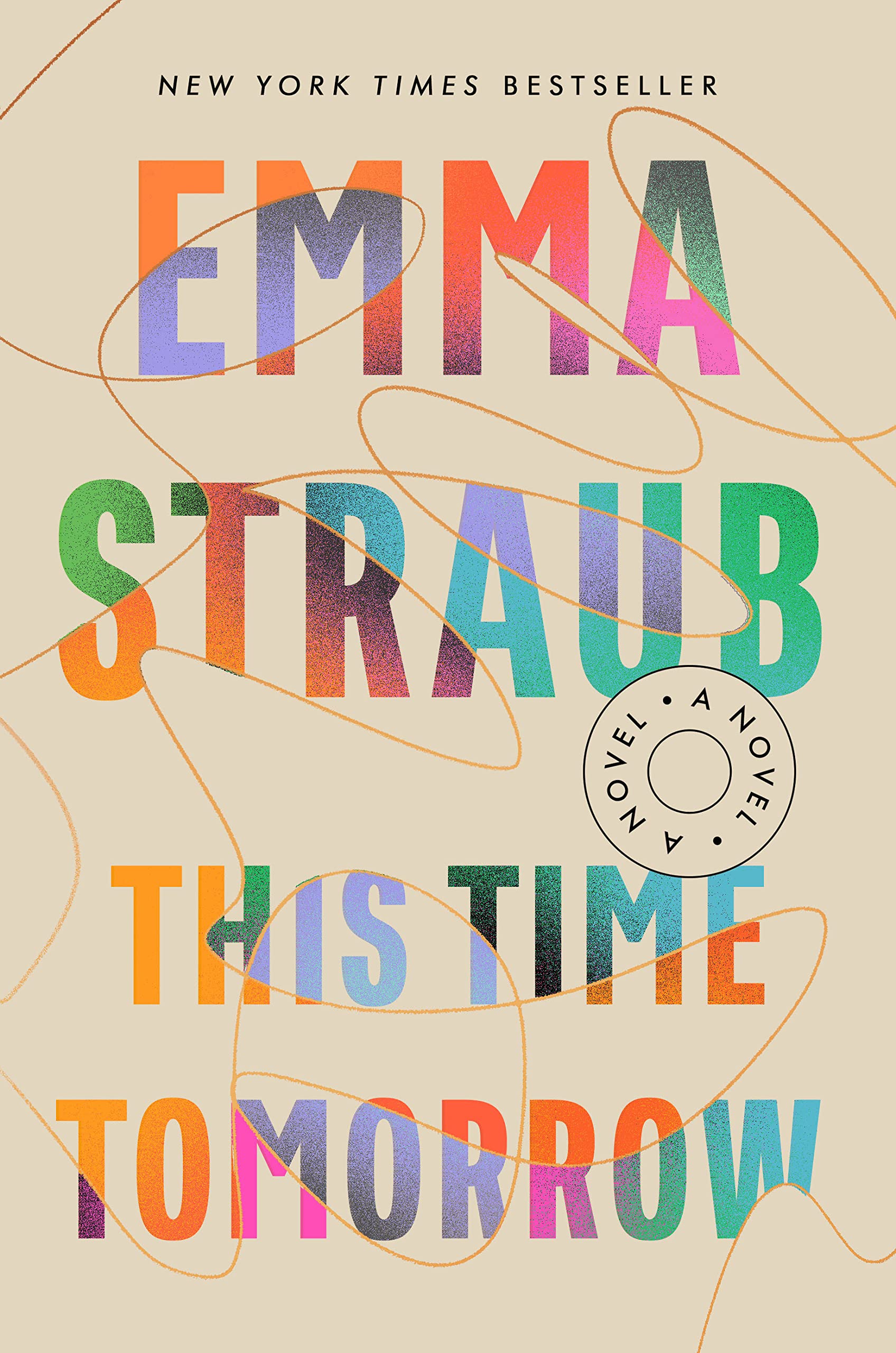
In case you want to pre-order it – here’s the cover. I’ll review it properly closer to publication.

A World of Curiosities by Louise Penny

Every time I start a new Louise Penny book, I promise myself I will read it slowly and savor each and every sentence, but I usually devour them in one or two long reads.

However, with A World of Curiosities, it has taken me forever. My mistake. I bought it on publication day at the end of November, and then Thanksgiving arrived and I had to put it aside several times, then it was the holidays and I had many other things to do, including (as usual) knitting gifts while watching Christmas movies. In short, I was way too distracted.

I only recently picked it up again, having made it almost half-way through and decided I wanted to remind myself of the beginning. I started it again, and this time, read it in great big chunks of time, during our recent storms.

I am so glad I started it over as this is one of Ms. Penny’s best-plotted mysteries and filled with many intricacies and story lines.

The story opens with Jean-Guy Beauvoir and Armand Gamache’s first meeting at a crime scene and the beginning of their mutual bond. Ms. Penny doesn’t just use this as a prequel. Instead, this origin story becomes the jumping-off point for the current-day mystery — and what a mystery.

As I read along, I kept thinking of what Gamache says to Jean-Guy during their first encounter – There is always another story. There is more than meets the eye.

The story moves to a combined commemoration and graduation ceremony at the École Polytechnique Montreal. The engineering university was the actual scene one of the worst tragedies in Canadian history: the Montreal Massacre in 1989. A horrific mass killing of female engineering students by a man who separated the male students from the women, and told the men to leave. Outraged by women moving into what was a formerly male-only domain of engineering — he shot all the female students he could find.

In addition to reminding readers of this terrible crime, the scene also serves to introduce two important new characters of this entry in the series, Harriet Landers and Fiona Arsenault, who both graduate as engineers during the ceremony. We are also introduced to Sam Arsenault, who alarms and frightens Gamache.

Upon viewing Three Pines from a rooftop, the recent engineering graduate, Harriet points out an odd part of one of the village’s buildings, and decides there must be a hidden room in Myrna’s loft above her bookstore. And when opened up, the room uncovers many secrets from the past and a huge montage canvas which mimics the famous The Paston Treasure — an oil painting that serves as a historically rare record of a cabinet of treasures in British collecting.

The actual Paston Treasure

The painting has a multitude of worrying hidden messages and puzzles that alarm and alert Gamache to an old foe intent on destroying everything and everyone Gamache holds dear.

And that’s about all I can tell you about A World of Curiosities without revealing too much. Suffice it to say, there are two different and often dark story lines – resulting in the search for a lunatic. The last few chapters are filled with such tension and bombshells, at times, I forgot to breathe.

Don’t worry Book Barmy friends, we still have Three Pines; the wonderful food, the serene bench overlooking the village, the grouchy poet, Ruth and her foul-mouthed duck, Rosa, the therapist Myrna, the artist Clara and, of course, Olivier and Gabri — all with their support of each other and a strong sense of community.

What the village in the valley offered was a place to heal. It offered company and companionship, in life and at the end of life. It offered a surefire cure for loneliness.

Ms. Penny always envelopes her readers in a world of knowledge — a world of curiosities, if you will –as she brings art and music, poetry and history into the story. For example, we learn that the École Polytechnique gives its graduates rings made made from the metal remains of the first Québec Bridge which collapsed in 1907, killing eighty-six workers. It was a catastrophic failure of engineering. The rings were made to remind engineers of that disaster, and the consequences of what they do.

Over the course of the Three Pines series, we’ve watched as Gamache uncovered the worst in society. But this time, he has to uncover and examine the worst in himself, as well confront as his deepest fears.

Like all Ms. Penny’s series, A World of Curiosities is never “just” a mystery novel — but rather an artful balance of suspense, combined with thoughtful human insights — along with social and moral issues.

The main reason I read this series is each one always brings up questions of morality, forgiveness, fear, courage and acts of human decency, which in the end, are the true messages of hope in life, and which we all too often miss.

Ms. Penny, you continue to amaze. Still your biggest fan.

Rebecca by Daphne Du Maurier

A few weeks back, searching my shelves for something appropriate for season, I pulled down my copy of Rebecca and realized I never actually read the book (shameful, Book Barmy).

I have, however, watched every film adaptation out there over the years.

The original by Alfred Hitchcock.

My favorite version from PBS, featuring Diana Rigg as the ominous Mrs. Danvers.

And, even the newest film adaptation on Netflix.

~~~~~~~~~~~~~~~~~~~~~~~~~~~~~~~~~~~~~~~~~~~~~~~~~~~~~~~~~~~~~~~~~~~~

But here I have this beautiful copy of Rebecca, which a British friend sent me years ago –back when postal prices made it affordable to ship things across the oceans.

So I settled in to finally read Rebecca. A classic, gothic, spooky tale without any of monsters or gore on which modern thrillers rely. (I’m not keen on monsters or gore, having never recovered from the one and only Stephen King novel I read as a teenager.)

You fine readers have probably already read Rebecca, or like me have seen a film adaption, so I won’t spend too much time recapping the familiar plot.

Our unnamed narrator is an inexperienced and insecure girl (and she is just a girl) with a limited future – unless serving as a companion to an overbearing busybody by the name of Mrs. Van Hopper could be called a promising prospect. So when the handsome, mysterious and wealthy Maxim de Winter seems to take an interest and offers a much more enticing alternative – that of being his wife – what is a girl to do but accept? The honeymoon at an end, the newly married couple returns to Manderley, Max de Winter’s estate. The newly minted Mrs. de Winter arrives at Manderley with nervous excitement. She is well aware of her shortcomings. She is too shy, too young, too trusting, and though she is pretty she can not compete with the legendary first wife — the beautiful Rebecca de Winter, who seems to haunt not only the estate itself, but the characters as well.

Where our narrator is both immature and naïve, Maxim is complicated and divided. Her happiness becomes dependent on his smiles, her misery decided by a harsh word. Thanks to their age difference, he’s forgotten what this is like, how raw and all-consuming first love can be, and he’s careless with her feelings because of it. Unlike the films, the wonderful writing intensifies Maxim’s callousness, and as he takes complete advantage of her throughout, I despised him from the point of his introduction.

One of the guilty pleasures of a good gothic novel is the description of a magnificent old house, so precise and rich in detail that you can fantasize about how delightful–or how scary–living in such a mansion might be. Manderly is such a place, which comes alive for the reader, and it’s particularly intriguing to have it described by our narrator who is experiencing it for the first time. Manderley is a major character in this novel — a living, breathing entity. The descriptions of this magnificent place were so masterfully crafted, I felt as if I were right there with Mrs. de Winter, as she attempts to master her new role.

Daphne du Maurier on the staircase at Menabilly

Daphne Du Maurier actually based Manderley on an estate she rented, complete with the portrait on the stairs and with the odd name of Menabilly.

Appropriately, I finished Rebecca on Halloween night and it is indeed a classic gothic. We have mystery, intrigue, deception, twists, turns, misunderstandings, accusations, threats, and creepy characters that make the hairs on the back of your neck stand on end.

A woman, a man, another woman’s shadow; a landscape, a house, a hidden history. These six elements have formed the gothic novel from Jane Eyre, to Wuthering Heights, and the more recent The Thirteenth Tale.

Rebecca is unique to the genre, as in it Daphne du Maurier has simplified and organized these six elements, which emphasizes the gothic, and enriches the ambiguity of the estate, the story, and the characters.

Today as I write this, I am still in the trance of reading a great classic, and it has me wanting more – more gothic (maybe Jane Eyre?) and definitely more Daphne du Maurier.

Please, please you must read Rebecca – available at your local library.

Don’t wait like I did.

The Curious Incident of the Dog in the Night-time

After reading Eleanor Oliphant, I was reminded of this favorite read by Mark Haddon. If I remember correctly, I read it in two nights and, like Eleanor, this novel is told in the first person by Christopher, a high functioning autistic teen in Britain. (actually its called Asperger’s Syndrome or high-functioning autism).

The book starts on the night that Christopher finds the neighborhood dog, Wellington, dead on Mrs. Shears front lawn, an event that he is later blamed and questioned about. He determines that he has to find out who murdered Wellington and the life that he thought he knew and was comfortable with swiftly begins to unravel.

Christopher has been protected and raised by his calming father following his mother’s apparent death, but he will now be pushed out of his comfort zone, and onto an seemingly impossible journey. He rides buses, ventures into crowded places, all while unabashedly always telling the truth.

People say that you always have to tell the truth. But they do not mean this because you are not allowed to tell old people that they are old and you are not allowed to tell people if they smell funny or if a grown-up has made a fart. And you are not allowed to say, “I don’t like you,” unless that person has been horrible to you.

You’ll chuckle as Christopher tries to solve the murder of Wellington. His favorite detective is Sherlock Holmes so he knows the difference between a real clue and a red herring. He uses his superior skills of analysis to matter-of-factually investigate the crime, while he vividly describes how he goes about the world and the level of detail that he observes. One of my favorite and most memorial moment is when Christopher explains how seeing five red cars equals a really good day, a little quirk I picked up myself during my long commutes to work.

The book isn’t really a mystery about the death of a dog, it’s more about the amusing and insightful perceptions — as Christopher shows us how he doesn’t understand some things, like facial expressions, but is brilliant at turning everyday problems into mathematical solutions – you see math is his favorite thing, But Mr. Haddon doesn’t just tell us that Christopher is intelligent and scientifically talented, he shows us, by having him elegantly rendering beautiful and well-known ideas of mathematics and physics.

Prime numbers are what is left when you have taken all the patterns away. I think prime numbers are like life. They are very logical but you could never work out the rules, even if you spent all your time thinking about them

Christopher uses logic, intellect and most of all, courage to solve two mysteries and find his way in a confusing and sometimes overwhelming world. Yes, I said two mysteries, the other is finding his mother who he was lead to believe had died – but I won’t say any more.

The reader encounters British figures of speech, like “losing one’s rag” (losing one’s temper), or “having a pig of a day,”(a difficult day) or “take-away chips.” (French Fries). Such metaphors confuse Christopher because he sees the world as black and white, facts and lies. His brain works in precise terms, like “I stepped back two meters” or he wore “brown shoes that have approximately 60 tiny circular holes in each of them.

Mr. Haddon brilliantly captures the mindset and ideas of an individual with autism and expresses it in a way readers can relate to. His point of view makes autism real as you see every part of the world through Christopher’s eyes — which is just magic.

What I loved about The Curious Incident is that it also illuminates how very different and yet beautiful human mindsets can be. Whereas some focus on feelings, others enjoy literature, and still others find comfort in numbers and facts, things that are measurable — like Christopher. The novel doesn’t flinch from also revealing the inescapable cage a handicapped child and his parents must endure, finding little help except for whatever resources they can find within themselves and if lucky, in the community.

A Curious Incident is many things – at once simple– and yet deep — it is often hilarious and at the same time a little sad as well. But mostly, it is a magical and fascinating read which I highly recommend.

I want to close this post with a thank you to Angela Lansbury who died yesterday at 96.

Highly acclaimed for her works on stage and film, I have to send out my personal gratitude for the Murder She Wrote series.

Not only did I never miss an episode when it was first airing, I now secretly indulge in late night re-runs all over again.

Without calling attention to herself, during the run of this series, Ms. Lansbury made it a practice to hire guest actors who were older and not working as much. This allowed them to earn the union points they needed to have insurance and pensions.

Eleanor Oliphant is Completely Fine by Gail Honeyman

This novel has been around for awhile, but I never got to it. So, when looking through my library wish list — (because you know I don’t have any of my own books to read) — I realized I had added this novel way back in 2018. So decided it was time to give it a try.

Eleanor Oliphant is 29, works as a finance clerk in Glasgow, has no friends or social contacts and is both eccentric and opinionated. Written in the first person, the novel begins with Eleanor’s day to day life and her unfiltered description of herself and everyone she meets. She is an introvert, who doesn’t fit in at work and is very uncomfortable in social situations. On the weekends she drinks alone, does difficult cross word puzzles, and seldom speaks to anyone — hers is a solitary and lonely lifestyle.

It wasn’t that I needed anyone. I was, as I had mentioned, perfectly fine.

She’s oblivious to how her actions appear to those around her and blames any awkwardness on the other person. Her private thoughts are witty, and often harsh judgements, about everything and everyone. Eleanor lacks both filters and self-awareness — so ends up saying things out loud that most of us wouldn’t dream of saying.

As you read this novel, if you’re like me, you’ll start to feel protective of Eleanor as she bumbles her way through the world in odd clothes and her sensible Velcro closure shoes.

I’d tried so hard, but something about me just didn’t fit. There was, it seemed, no Eleanor-shaped social hole for me to slot into.

Through out the book, Eleanor’s troubled past is revealed little by little, and the reader starts to realize that Eleanor Oliphant is Not Completely Fine.

Eleanor’s metamorphosis begins when an old man collapses in the street and, with her co-worker Raymond, they help and befriend him. She is soon visiting the old man in the hospital and becomes fond of Raymond, despite a fantasy crush on a singer in a local theater. She decides to step up her game, having her hair colored and styled, buying a new outfit (with non-Velcro shoes), and even submits to a makeup demonstration at department store. Eleanor finds the experience both exasperating and exciting.

Was this how it worked, then, successful social integration? Was it really that simple? Wear some lipstick, go to the hair dressers and alternate the clothes you wear? Someone ought to write a book, or at least an explanatory pamphlet, and pass the information on.

Most importantly she starts therapy, which as you can imagine is not a pleasant experience for our Eleanor. Her private thoughts about her therapist are both catty and funny. But, little by little, she confides bits and pieces of her past to the therapist and they form an uneasy but important bond.

I raced through this book, wanting things to go well for Eleanor and wanting to see what was going to happen to her next. Ms. Honeyman has created a character both fierce and independent yet also breathtakingly vulnerable. In one sentence her inner dialogue states:

I have always taken great pride in managing my life alone. I’m a sole survivor – I’m Eleanor Oliphant

Only later in the chapter to lament:

I could not solve the puzzle of me.

The author, Gail Honeyman said:

It’s a story of the transformational power of small acts of kindness. She wrote Eleanor’s life, as a person who has been knocked off kilter by an unnamed childhood horror which she can only recall from her sense of, before and after, and although she’s had a fairly catastrophic start in life, Eleanor is still the agent of her own life. She goes on to say that she didn’t want to write her as a victim, and didn’t want her to be self-pitying either. She tried to leave space in the narrative, so the reader could feel those feelings on her behalf.

Eleanor Oliphant is Completely Fine gifts the reader with a character who will stick with you long after the novel is finished. I found Eleanor funny yet sad – smart yet naive.

It’s a wonderful exploration of how socialization can be effortless for most, while at the same time, cringe-worthily awkward for those who are different. I am fortunate to be in the former group, but I know those who fall into the latter. After reading this novel, I feel a greater understanding and empathy — as if I have walked a mile in their sensible Velcro shoes.

Fun with the Queen

This will be my last post about her majesty, I promise. I want to share a few books that poke fun at the Queen – one, not so gently. Read on, I’ll explain ~~

The Uncommon Reader by Alan Bennett

Quite by accident, the Queen of England stumbles upon the bookmobile that visits Buckingham Palace each week. To be polite, she checks a book out from the traveling library and what follows is a charming story in which HRH develops quite an obsession with books and sends the palace into an uproar.

With her new love of reading, neither she nor eventually England will ever be quite the same in this quietly humorous short novel. The Queen discovers Jean Genet, Nancy Mitford, E. M. Forster, Emily Dickinson, Alice Munro, Proust, Charles Dickens, Dostoevsky. She has difficulty with Jane Austen because that writer is so concerned with social distinctions. Ar first, she is put off by the verbosity of Henry James(something she has in common with any reader I have ever known) and I have to agree with her question:

Am I alone in wanting to give Henry James a good talking to?

The Queen’s newfound love of reading quickly concerns both the royal household and her staff. She’s no longer interested in her duties and has started arriving late to engagements (even Parliament). And like all readers, the Queen often laments about her full days of meetings, wishing instead she could be at home reading. She perfects reading in her coach, keeping the book below the window level so as to maintain the royal wave as she travels.

She eventually comes to question the prescribed order of her world and loses patience with the routines of the monarchy. With her reading, she gains a new widening perspective which soon leads to surprising (and very funny) consequences for the country at large.

The Uncommon Reader pokes gentle fun at the proper behavior and protocol at the palace. Mr. Bennett encapsulates, in a subtle and clever way, the isolation and insularity of a royal’s life. This short novella, imagines that the Queen discovers a way to break out of the bubble with the joy of reading.


Mrs. Queen Takes the Train by William Kuhn

A very similar novel, in both tone and style – with a mimic cover.

Mr. Kuhn even refers to the Bennett novel:

“‘Did you read the one about The Queen becoming a reader?’ said the woman in spectacles to the young man at her side.`I did enjoy that one. So funny. And of course, being a reader myself, I liked that side of it.’”

From the back cover:

After decades of service and years of watching her family’s troubles splashed across the tabloids, Britain’s Queen is beginning to feel her age. She needs some proper cheering up. An unexpected opportunity offers her relief: an impromptu visit to a place that holds happy memories—the former royal yacht, Britannia, now moored near Edinburgh. Hidden beneath a skull-emblazoned hoodie, the limber Elizabeth (thank goodness for yoga) walks out of Buckingham Palace into the freedom of a rainy London day and heads for King’s Cross to catch a train to Scotland.

But a characterful cast of royal attendants has discovered her missing. In uneasy alliance a lady-in-waiting, a butler, an equerry, a girl from the stables, a dresser, and a clerk from the shop that supplies Her Majesty’s cheese set out to find her and bring her back before her absence becomes a national scandal.

Mrs. Queen Takes the Train abounds with dry, British humor and witty social commentary.  Mr. Kuhn tackles homelessness, terrorism, race relations, and mental illness.   What I found fascinating was how the author gave the Queen a human side (she does yoga and attempts a computer) but still maintains the respectful dignity due a British monarch. You can read my full review of this delightful little novel HERE

Death at Buckingham Palace by C. C. Benison

I read this years ago, back when I was working 60+ hours a week, and at the end of the day, my mind was mush. In those days, I would turn to light, cozy mysteries to relax me to sleep at night.

Death at Buckingham Palace starts with the Queen literally tripping over a dead body in the palace and an unlikely housemaid Jane Bee works with the Queen to uncover secrets of the highest order. The time period is a few years after the Queen’s “annus horribilis” and before the death of Princess Diana. Lots of humor (footmen streaking naked through the palace), upstairs and downstairs drama, a film crew doing a documentary on life at the palace, and plenty of red herrings for Jane to sort through. A fun look inside the palace (there’s even a map of the layout) and tongue-in-cheek humor.

I’ve kept this little paperback all these years, which means I meant to re-read it – I do remember really enjoying it. There are two more in this “Her Majesty Investigates” series – Death at Sandringham House and Death at Windsor Castle.

C. C. Benison is the nom de plume for the Canadian award-winning author Doug Whiteway…who under the same pseudonym also wrote the father Christmas series, which includes Twelve Drummers Drumming, Eleven Pipers Piping, Ten Lords A-Leaping — well you get the drift. I admit I read at least one of those, as well – back when I devoured cozy mysteries to unwind.

The Queen and I by Sue Townsend

Remember at the beginning of this rather long post, I hinted one of these books was not so gentle when having fun with the Queen? Well, actually The Queen and I is actually not directly critical of the Queen but of the royal institution itself. It does however, embark on making fun of the Queen trying to become a regular Brit.

What if anti-monarchists win the UK election and their first action is to transfer the royal family into low-income housing and told they must live like ordinary Britons? How would they cope and adapt?

This very scenario is explored in this very funny, very British tale by Ms. Townsend. The family is ‘relocated’ to Hellebore Close the missing letters in the street sign leave “Hell Close”), a council estate somewhere up the M1. Elizabeth is assigned a social worker, Phillip gets clinical depression, Charles grows a ponytail and ends up in prison, and Anne starts see a carpet installer named Spiggy.

When it was originally published in 1992 this satire was considered an edgy and irreverent exploration of the role of the monarchy, and it does, indeed, highlight the question of the relevancy and value of the ancient British institution.

I think I’ll re-read The Queen and I, as I remember it was amusingly bittersweet, as well as thought-provoking and insightful. Here’s some of the things I underlined from my first reading:

Upon her first, nervous journey on a bus, the driver quips to the Queen “aw c’mon lassie, let yourself go. You’ve got a face on you like a wet Sunday in Aberdeen.”

Then there is this exchange as they settle into the housing estate:

“Mr Barker, there is no mention of dogs here,” said the Queen.
“One per family,” said Jack.
“Horses?” asked Charles.
“Would you keep a horse in a council house garden?”
“No. Quite. One wasn’t thinking.”
“Clothes aren’t on the list,” said Diana, shyly.
“You won’t be needing much. Just the bare essentials. You won’t be making personal appearances, will you?”
Princess Anne rose and stood next to her father. “Thank God for that! At least something good has come out of this bloody shambles — Are you all right, Pa?”

So, there you go, some fun, light Queen-based humor.

I firmly believe she would approve.