-
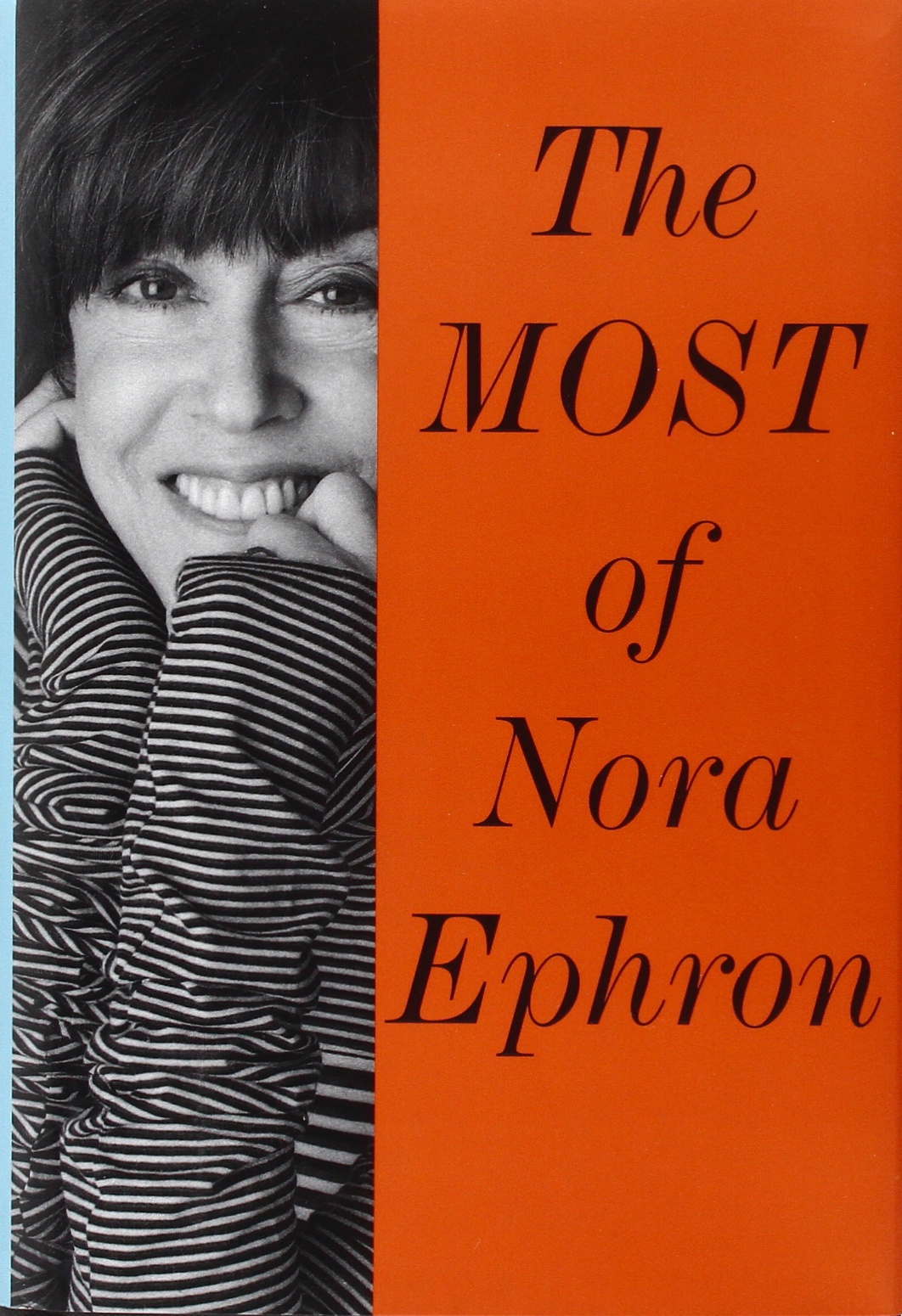
The Most of Nora Ephron
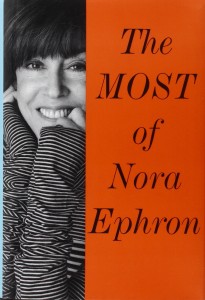 From The New York Times Book Review “Nora Ephron was the person everybody wanted to hang out with, in part because she was funny and charming but more critically because she made the people she was with feel funny and charming . . . She was the one who listened and then finally tossed in the one fabulous line that brought everything together. Her best writing was exactly the same . . . It takes a particular combination of winning voice and brutal candor, of intimacy and objectivity, to turn what happens to you into a story that means something to the wider world . . . The Most of Nora Ephron gives her fans a chance to rummage through her desk . . . This is the kind of collection meant for snacking . . . She would want readers to meander, sampling things they had never tried or bits that look especially tasty. But I was surprised by how satisfying the big chunks are.”
 Nora Ephron died in June of 2012 and her obituary, also by the New York Times is beautifully written HERE
I can’t top either the NY Times review or their obituary, so please bear with me while I uncritically just gush – I love Nora Ephron – always have, always will.
You know the question — which people dead or alive would make up your perfect dinner party. Well Nora was, and is, always on my list. I’ve read almost everything she wrote and adore her films – Sleepless in Seattle , You’ve got Mail and Julie and Julia, just to name a few…
A friend gave me this hefty volume of almost everything Nora Ephron wrote. It’s been next to my reading chair ever since and I’ve been making my way through it little by little.
The volume divides her work by her professions:
The Journalist: Nora’s early essays from the 1970’s and most of which I’d never read before. Her essay Journalism: A Love Story overflows with her delight of landing a position at the Post and the legends she encountered — never jaded or blase – she had found her true passion and was greatly in awe of the profession. The Palm Beach Social Pictorial is a hysterical send-up of a Palm Beach newspaper for which her friend, Liz Smith often wrote a column. Nora recounts sections from the paper – the goings-on-about town, the ladies who lunch wearing diamonds with their tennis whites, the older women with their younger men and then this – “Bill Carter (now UN ambassador to UNICEF) proved he really does love children by bringing his latest airline hostess”.
The Advocate: Includes her inspirational commencement address to Wellesley class of 1996 – contrasting both the sea changes and the backward progression of women’s roles since she attended in 1962. Imploring the class to break the rules and make some trouble on behalf of all women.
The Profiler: It’s well worth reading each and every one of these essays — her intimate and often colorful portrayals of the significant women of her age, including Dorothy Parker, Jan Morris, Helen Gurley Brown and Julie Nixon Eisenhower. Her parody of The Girl with the Dragon Tattoo called Lisbeth Salander, The Girl Who Fixed the Umlaut has been passed around among readers of the best-selling series. If you’ve read any of Stieg Larsson series, you should read the essay HERE (Warning, like Larsson’s books – contains graphic language.)
The Novelist, The Playwright, The Screenwriter: Here this gargantuan book includes the full novel Heartburn, the play Lucky Man and the screenplay When Harry Met Sally. I’ve already read Heartburn, dipped into Lucky Man but could not stick with it and skipped When Harry Met Sally (I couldn’t read it without replaying the film in my head).
The Foodie: Nora appreciated food, the New York restaurant scene and the foodies in her life, but here she has to poke fun at it all. Some of her most giggle-worthy essays are in this section. She reports straight-faced about the Pillsbury Bake Off — which makes the essay all the more funny and she rants about the absurdity of egg-white omelettes.
The Blogger: Nora (see I feel like I can call her just Nora) was a blogger during the Bush/Cheney administration and her blog gave her full license to rant – with humor and political incorrectness. Read it and cringe –or weep depending upon your politics. Her blog also gave her license to finally reveal and confirm the identity of Deep Throat from the Watergate investigation…she self-righteously points out that she knew it all along, but wisely kept her mouth shut.
Personal: This final section is the best with pieces taken from her other (much more lift-able) books of essays – I Feel Bad About My Neck and I Remember Nothing. This section also includes my favorite essay Nora ever produced – called On Rapture, an essay about reading. You can read it HERE on Oprah.com I had this essay ripped out of Oprah’s magazine where it first appeared, and in my reading nook for years. In On Rapture Nora recounts her delight reading The Amazing Adventures of Kavalier & Clay by Michal Chabon which I promptly read and was (like Nora) simply transported away – please add it to your reading list. Another essay in this section, Considering the Alternative talks about death, dying and the loss of her dear friend. “I want to talk to her. I want to have lunch with her. I want her to give me a book she just read and loved. She is my phantom limb, and I can’t believe I’m here without her.” True confession time – a few tears slipped down my cheeks.
The final two essays are lump-in-your-throat reading, as by this time Nora (and only one or two others) knew of her diagnosis.
What I Won’t Miss: Dry skin, Email, Bras, Fox (News), Small Print
What I Will Miss: Waffles, The concept of Waffles, Fireworks, Laughs, My Kids, Dinner with Friends, Pie
I totally enjoyed this book and am very grateful to have it. (The full length novel, screenplay, and play notwithstanding). The Most of Nora Ephron will have its hefty place on my shelves, for awhile at least. I may need to go back and re-read certain essays. Also, I know I’ll be talking with someone and say – “oh but Nora wrote the best essay on that…here let me get it for you”. That’s Nora for you.
If you want the collection of most everything Nora has written and you’ve been lifting weights – then this is the book for you. Otherwise go for her books of her most recent essays I Feel Bad About My Neck and I Remember Nothing.
OK I’m done gushing – I just love Nora Ephron and she would have a place of honor at my imaginary dinner party…along with
Ruth Reichel, John Adams, Julia Child, Eddie Izzard, Deborah Cavendish (the Duchess of Devonshire), Dame Judi Dench, Sir John Gielgud, Paula Poundstone, Molly Ivins, Maryalice Fischer, Pat Conroy, Maggie Smith, Jane Heath Donohue…and others.
My cast of characters may change over time, but Nora will always be on the list.
-
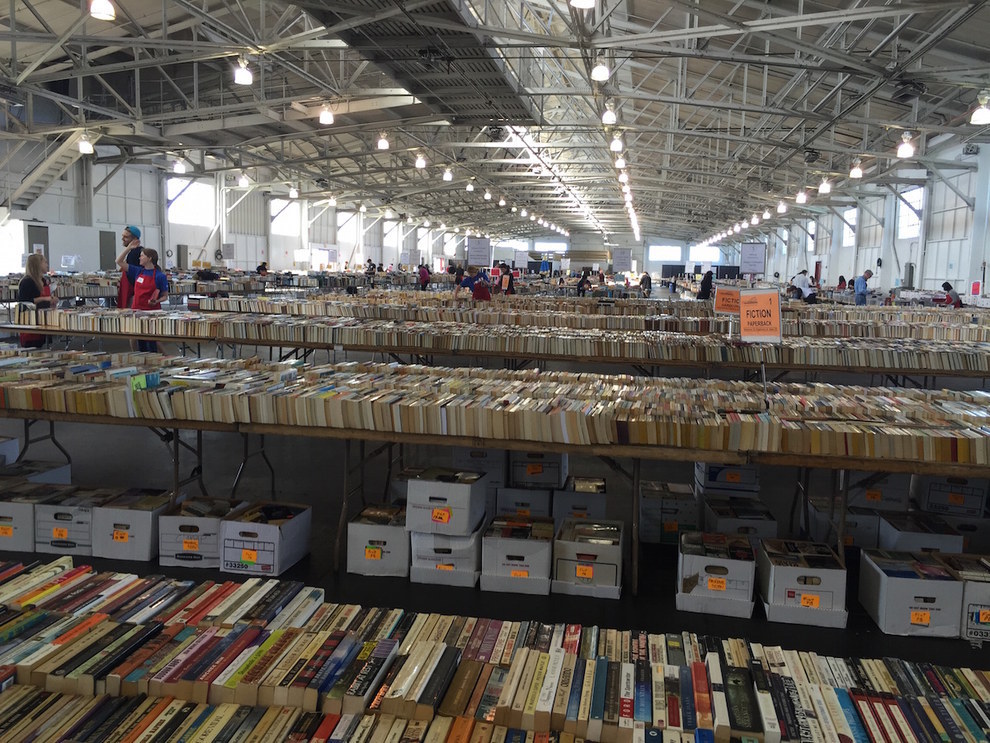
Epic Book Sale!
Started today & runs through Sunday
The Friends of the San Francisco Public Library
Spring Book Sale.
Even Buzzfeed is buzzing about it (sorry)
27 Photos That Prove This Is The Most Epic Book Sale Ever
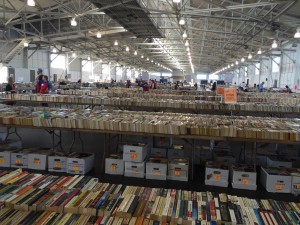
If you love books and live anywhere near San Francisco – make a trip to this massive used book sale.
Click HERE for Photos
-
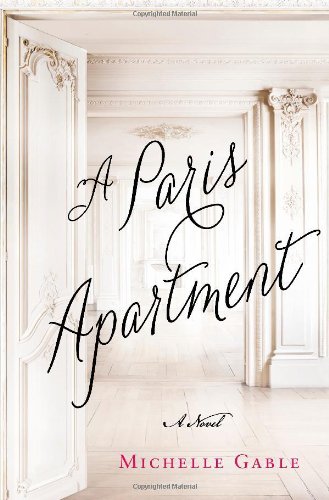
A Paris Apartment by Michelle Gable
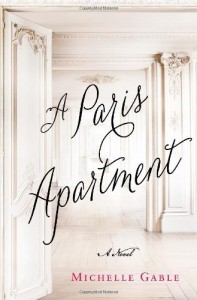 Remember THIS POST? Well readers I finally finished A Paris Apartment, a novel based on the life of Marthe de Florian and her forgotten apartment crammed with antiques and a famous portrait.
I admire any first time author who has the courage and fortitude to keep writing and get a novel (any novel) published, so it is with mixed feelings that I must tell you I tried to look at this debut from several different viewpoints, but there is no getting around my disappointment.
Perhaps I had unrealistically high expectations – what a great story could be told — the unopened apartment, the story behind the painting, Marthe and the time of the Belle Epoque*. Then contrast that with the modern-day story of the antiques experts who must have been agog at the opportunity to research the priceless antiques and delve into Marthe’s journals.
The actual Marthe started out as a bartender at the famous Les Folies Bergères, became an elegant courtesan known for having famous lovers, including a few prime ministers, a French president and the artist Boldini. Marthe left the apartment to her granddaughter, Madame de Florian, who shuttered the apartment and fled Paris at the start of WWII.
So, as you know from the previous post, I was seriously excited to open this book and settle in for a good read.
The chapters alternate between Marthe de Florian’s story told through fictionalized diary entries and April Vogt, a current-day American furniture expert from Sotheby’s who is called to Paris to help prepare the contents of the apartment for auction.
Marthe’s storyline was at times fascinating and the author (thankfully) took much from her actual life — how she created her name, her elegant persona and how she dug herself out of a brothel into high class society during the Bell Epoque. In contrast, the modern day story of April Vogt reads like poorly written chic-lit. I found my self slogging through April’s chapters and only somewhat enjoying Marthe’s.
There is some magical writing – the description of the famous chandelier at Les Folies Bergères is wonderful. The Paris setting(s) are beautifully and deliciously described. However, Ms. Gable stumbles in re-telling Marthe’s story, her diary entries seemed staged and she lets modern day language creep in. Sadly April is completely one-dimensional, so much so that this reader ended up disliking her character and her storyline was so predictable that I found myself imagining other outcomes. The novel borders on the raunchy and is written with such tactlessness that I cringed for the real Marthe de Florian. I found the ending almost ridiculous and in need of major editing – or perhaps, even completely deleted
Sigh — The Paris Apartment gets many 4 and 5 star reviews on both Goodreads and Amazon, so I am in the minority here. (Perhaps you’ll like this novel – go and seek it out if it interests you.)
Unfortunately, I wanted more — more richness, more depth, better writing – not this breezy and shallow version of what in reality must have been a fascinating story. The discovery of the forgotten apartment and its contents, the true life story of Marthe de Florian — they deserve a more intelligent telling
*Belle Epoque (Beautiful Era) was a period in the European history that is conventionally dated as starting in 1871 and ending when WWI began in 1914.
-
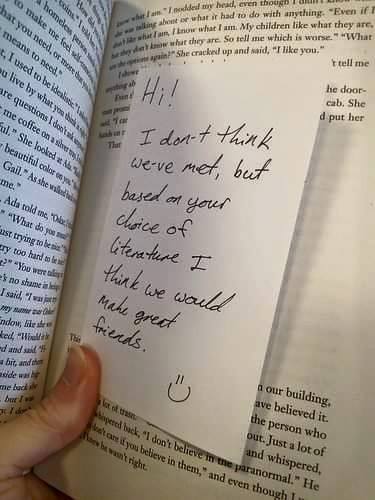
Lost Between The Pages
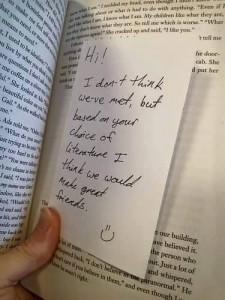
Photo courtesy of Toad Hall Bookstore
As many of you know I volunteer with THIS organization where they allow me to work in their Readers Bookstores, shelving books, helping customers, working the register – all pure bliss for me. When working with used books, it seems there is an unwritten rule that any items left in the books stay with the books. But that doesn’t stop us from examining and commenting on what we find.
There is the expected – bookmarks, airline boarding passes, the store receipt from where the book was purchased and shopping lists. Then there are photographs – seems dangerous to me to use a favorite photo as a bookmark – only to accidentally leave it in the book when you pass it on. Handwritten letters or postcards from loved ones – the voyeur in me always reads them before putting them back in the book with a sad sigh as I’m sure the owner never meant to leave them behind.
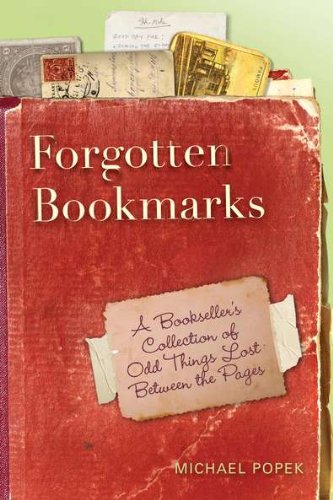
It’s a fascinating subject – things left behind in books –so I must introduce you to Michale Popek who has a wonderful blog aptly named Forgotten Bookmarks. I’ve been a fan since 2007 when Mr. Popek, a bookseller, started his blog to showcase the oddities he found in books.
As his blog header states: “I’m a used and rare bookseller. I buy books from people every day. These are the personal, funny, and weird things I find in those books.”
The blog turned into the book in 2011
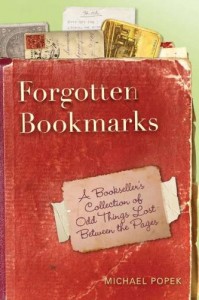 Forgotten Bookmarks by Michael Popek
From the back cover: It’s happened to all of us: we’re reading a book, something interrupts us, and we grab the closest thing at hand to mark our spot. It could be a train ticket, a letter, an advertisement, a photograph, or a four-leaf clover. Eventually the book finds its way into the world-a library, a flea market, other people’s bookshelves, or to a used bookstore. But what becomes of those forgotten bookmarks? What stories could they tell?
A friend gave me a copy of this book as soon as it was released, knowing my penchant for used books and used bookstores — just in time too, because I was about to buy a copy for myself.
The book has full color plates of all the items and is categorized into sections:
- Photographs
- Letters, Cards and Correspondence
- Notes, Poems, Lists and Other Written Ephemera
- Receipts, Invoices, Advertising, and other Official Documents
- The Old Curiosity Shop: From Four-Leaf Clovers to Razor Blades.
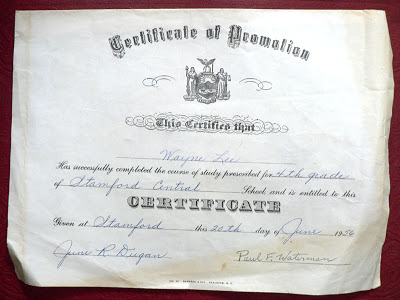
Here’s just a sampling from his collection on the blog — click to view larger or better yet go to his blog HERE:
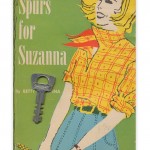
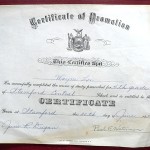
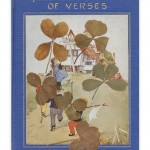
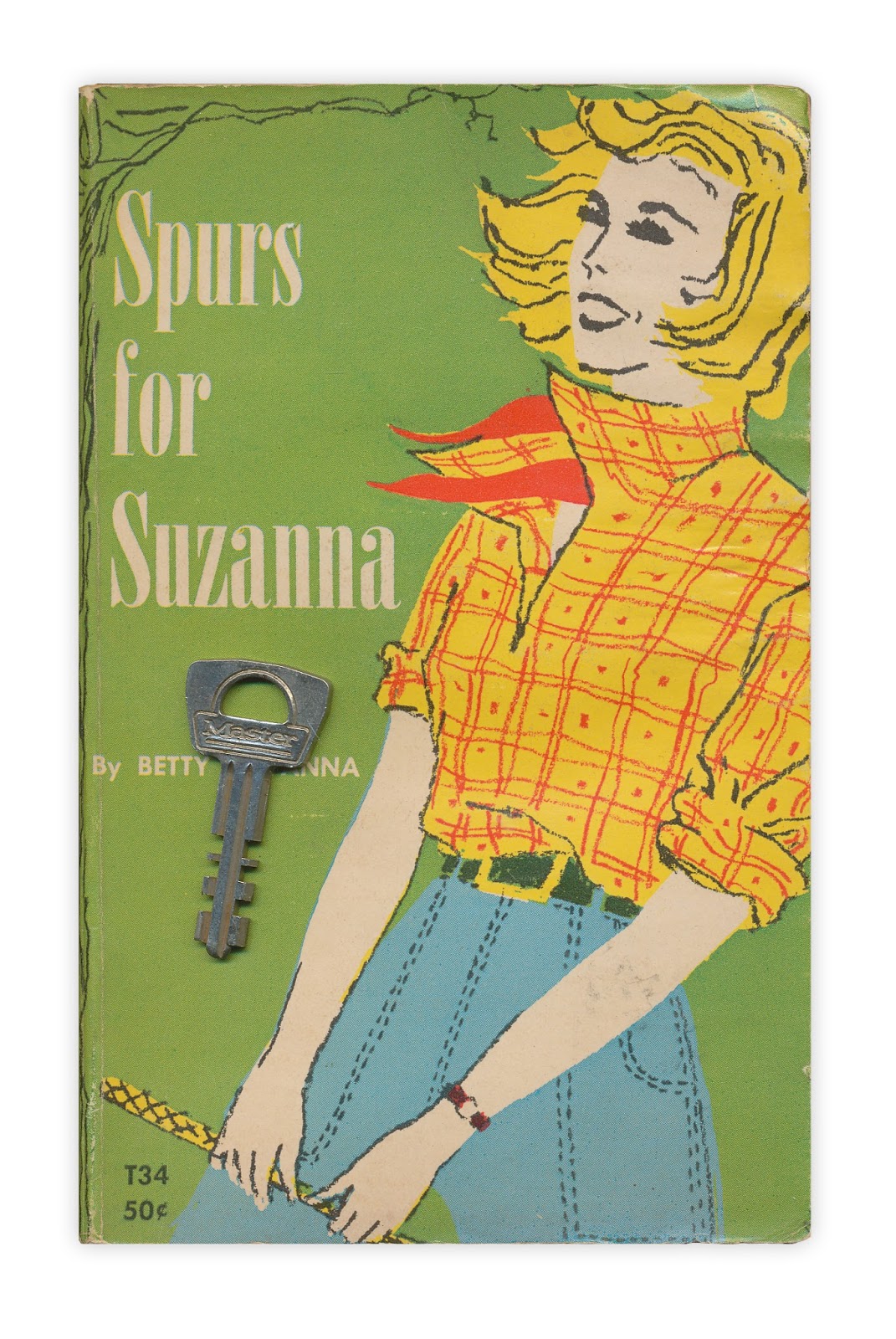
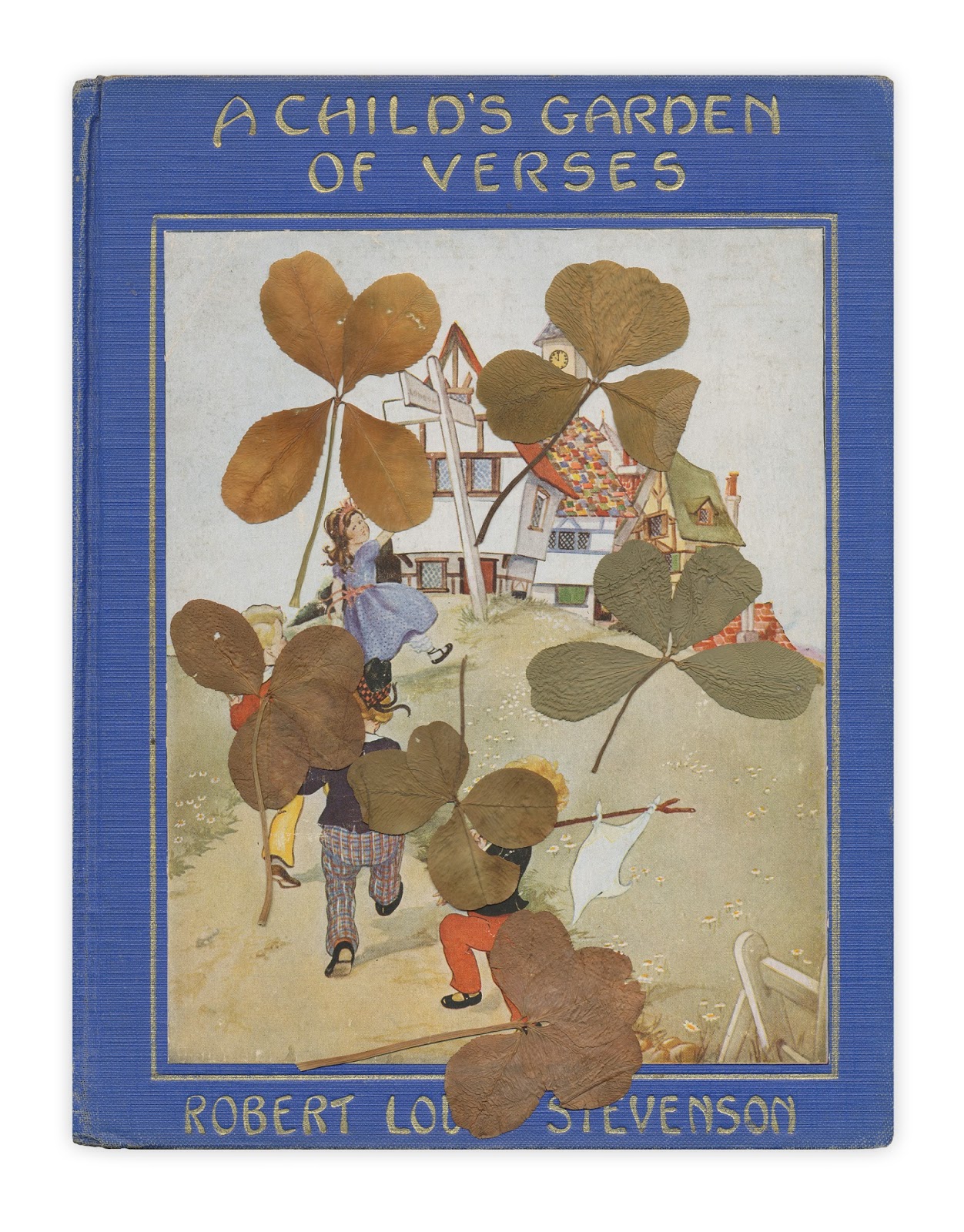
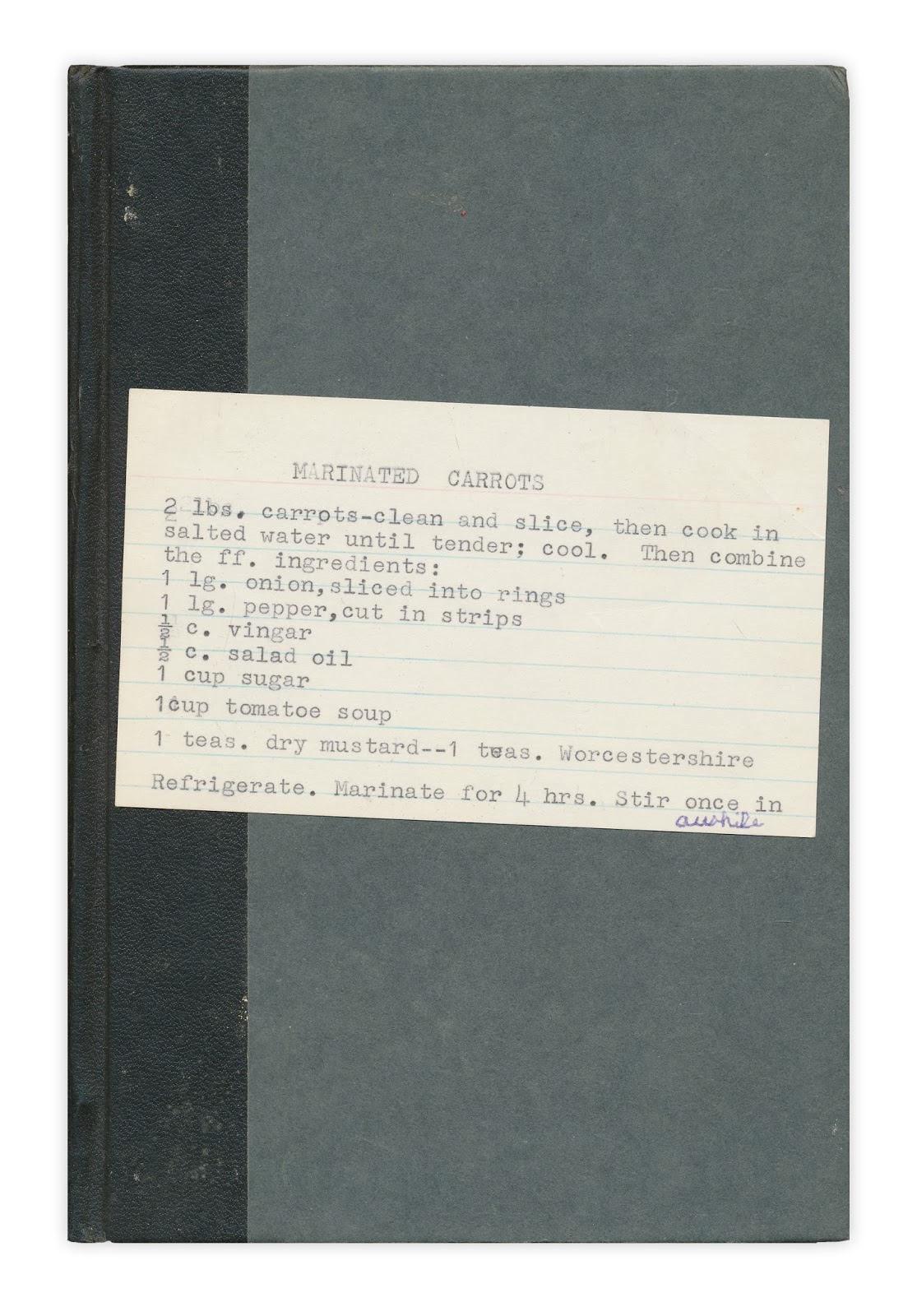
What stories these items have to tell. Is that a teenage girl’s diary key? Imagine a beautiful summer day, the children playing, collecting four leaf clovers and then carefully pressing them into a favorite story book. The last photo above is significant, because Mr. Popek has collected so many recipes that he now has a new book:
![180993415[2]](https://www.bookbarmy.com/wp-content/uploads/2015/03/1809934152-200x300.jpg) Forgotten Recipes By Michael Popek
Forgotten Recipes By Michael PopekA Booksellers Collection of Curious and Wonderful Recipes Forgotten between the Pages.
One of the best things about either the blog or the books is that Mr. Popek has taken the time to transcribe the letters, recipes and other hard-to-read, hand scrawled materials.
So go have fun on his blog or better yet buy his book(s). You’ll enjoy leafing through, imaging the stories behind each “forgotten” bookmark while you take a break from reading. Just as I am doing while I strive to finish THIS BOOK– a very mixed review to follow.- Have you even lost anything by leaving it in a book?
- What’s the most interesting thing you’ve found in book?
-
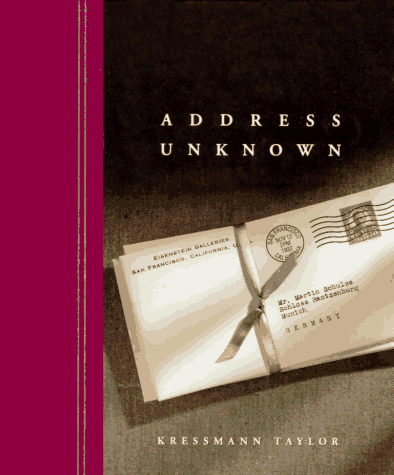
Address Unknown by Kressmann Taylor
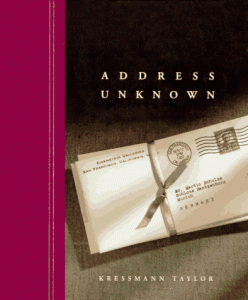 While I’m hunkered down reading THIS, I’ll quickly take a break to tell you about a very important little book. Address Unknown was thrust upon me by one of my favorite bookstore customers – an older Jewish man — insisting it was a vastly important classic. I looked down at the slim volume in my hands and wondered at his statement – how could this be a classic? That night not only did I devour it, I immediately turned back to the beginning and read it again. In the years since, it has a honored place on my bookshelf (right next to 84, Charing Cross Road) and I often pull it down to read it yet again and marvel at the author’s achievement within.
You may think I’ve lost it over here at Book Barmy, as this book is merely 54 pages long (eight of them blank), made up entirely of letters, and it comes with a New York Times hyperbolic blurb “This modern story is perfection itself. It is the most effective indictment of Nazism to appear in fiction.”
Address Unknown was first published in 1938 in Story magazine as a warning for Americans of the true nature of the Nazi menace, Reader’s Digest later reprinted the story and it went into its first world-wide book printing in 1939 — but was banned in Germany.
The book’s afterword, written by Taylor’s son, reveals that the idea for the story came from a small news article: American students visiting Germany wrote home about the Nazi atrocities. Fraternity brothers back in the U.S. thought it would be funny to send them letters making fun of Hitler, and the visiting students wrote back, “Stop it. We’re in danger. These people don’t fool around. You could murder [someone] by writing letters like this”. Thus emerged the idea of the “letter as a weapon”. Kressmann Taylor wanted to write about the truth of what was happening in Nazi Germany — a truth most Americans, including Charles Lindbergh, would not accept, mired in American isolationism.
The letters in Address Unknown span only 16 months and begin in 1932 as a fairly routine correspondence between art gallery owners – one having returned to Germany with his family — the other still in San Francisco holding down the gallery business. They are close friends, their families grew up together and there is much warmth in their early letters. But then the letters turn chilling and then downright menacing. What is most impressive about the construction of this storyline (other than its epistolary structure) is the weight of the time passing between the letters. These long silences say as much as the letters. The ending still makes me sit back and wonder whether what I am feeling is valid or disgusting. How often does that happen? This is the writing craft at its finest.
When Katherine Kressmann Taylor first submitted the story to her editor, he deemed it “too strong to appear under the name of a woman,” and published the work under the name Kressmann Taylor, dropping her first name. She used this name professionally for the rest of her life. Address Unknown was largely forgotten until 1995, when the book was republished to commemorate the 50th anniversary of the liberation of the concentration camps. At that time Kressmann was 91 and she happily spent her remaining years signing copies and giving interviews until her death at 93.
Address Unknown is readily available at your library or local independent bookstore.
-
A Paris Apartment ~~Unlocked
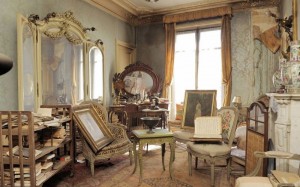 From the Daily Mail, May 2014
Click on photos to view larger.
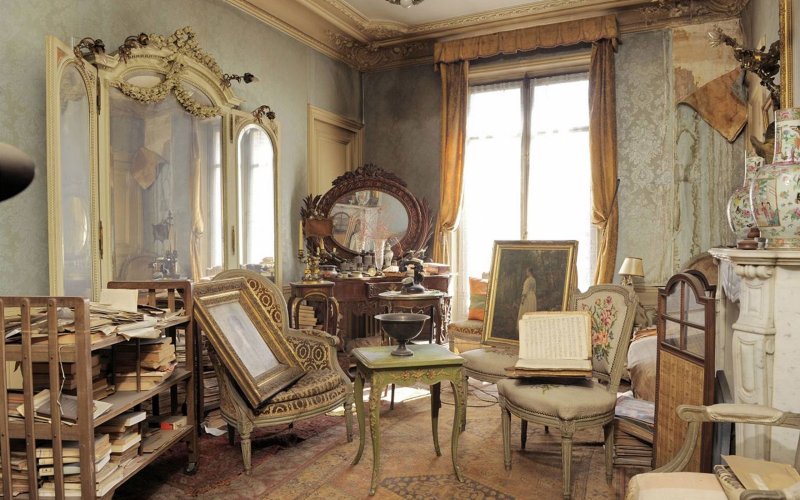
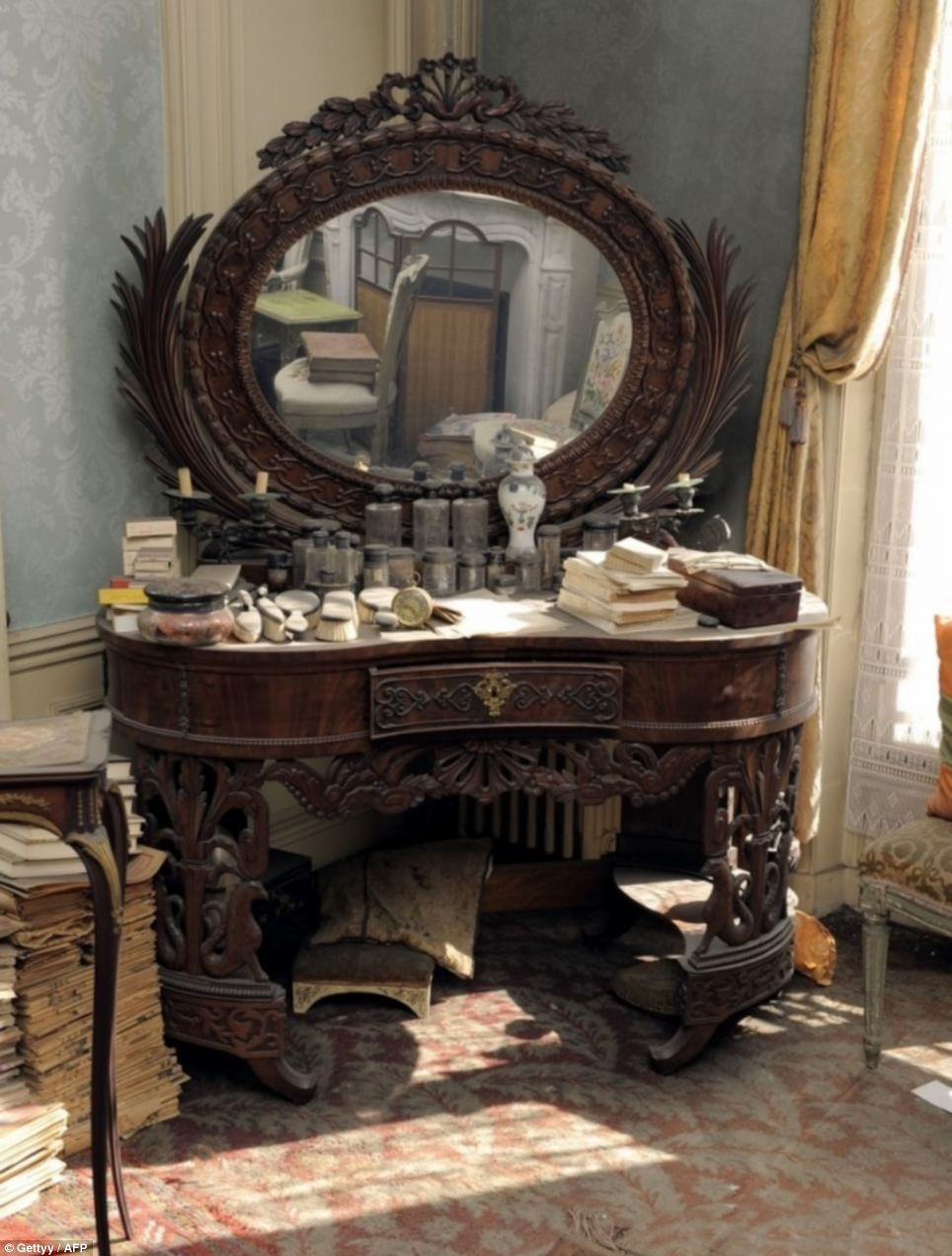
“Caked in dust and full of turn-of-the century treasures, this Paris apartment is like going back in time.
Having lain untouched for seven decades the abandoned home was discovered three years ago after its owner died aged 91.
The woman who owned the flat, a Mrs De Florian, had fled for the south of France before the outbreak of the Second World War.
She never returned and in the 70 years since, it looks like no-one had set foot inside.
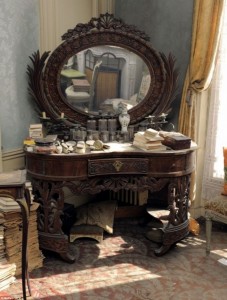
The property was found near a church in the French capital’s 9th arrondissement, between Pigalle red light district and Opera. Experts were tasked with drawing up an inventory of her possessions which included a painting by the 19th century Italian artist Giovanni Boldini.
One expert said it was like stumbling into the castle of Sleeping Beauty, where time had stood still since 1900. ‘There was a smell of old dust,’ said Olivier Choppin-Janvry, who made the discovery.
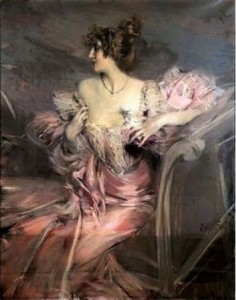
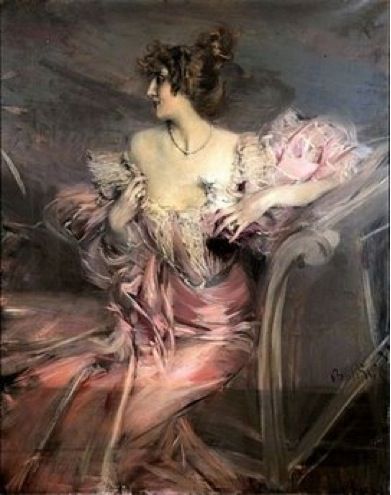
But he said his heart missed a beat when he caught sight of a stunning tableau of a woman in a pink muslin evening dress.
The painting was by Boldini and the subject a beautiful Frenchwoman who turned out to be the artist’s former muse and Mrs de Florian’s grandmother, Marthe de Florian, a beautiful French actress and socialite of the Belle Époque.
When the apartment’s contents were discovered, Boldini’s painting was without a signature and no records of the work were found in reference books to prove it was his. But art experts managed to locate a mention of the work in a memoir by the famed painter’s widow, and they dated the painting to 1898. Their suspicions were confirmed by a stack of love letters found in the apartment that were wrapped in different coloured ribbons and scrawled in the hand of, among others, Boldini and 72nd French Prime Minister George Clemenceau.”
If this fantastical tale of a shuttered apartment, a glamorous turn-of-the-century socialite, and a long-lost masterpiece sounds like something out of a novel, then you won’t be surprised to discover it has become the foundation of one.
Look what I started reading last night,
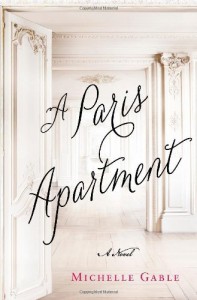
A Paris Apartment by Michelle Gable, is a fictional account of a Sotheby’s furniture specialist who takes refuge in an apartment not dissimilar to that of deFlorian, where she finds secrets in the “letters and journals written by the woman in the painting, documents showing she was more than a renowned courtesan with enviable décolletage.”
I had heard this novel was based upon a real story of an apartment in Paris abandoned for 70 years, so of course had to do the research this morning.
Stay tuned. I’m reading as fast as I can.
HERE is a video about it, but be warned – you must pause during the text as it flashes by too quickly to read.
-
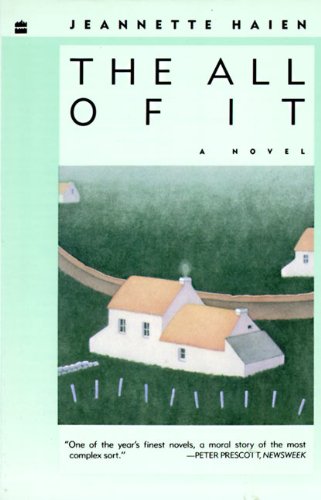
The All Of It by Jeannette Haien
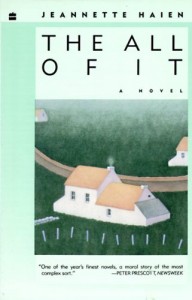 Lately I’ve been reading nothing but Kindle books and needed to feel a real book in my hands. I searched my shelves and found this little volume tucked behind another row of other books. (Oh come on, you do it too, double shelve your books for maximum space.) Anyway, I’d forgotten I had this book, had never read it and apparently purchased it back in 1988 when it was first published in paperback. “Well what ya know?” I muttered to myself.
You see, Ann Patchett single-handedly brought The All Of It back from obscurity and into a new 2011 reprinting. She hand sells this title to customers at her bookstore, Parnassus Books and she raved about it during a NPR interview several years ago. I also remembered a writer friend, who doesn’t read much contemporary fiction had sung the praises of this small novella.
So I sat down to read, two hours later I closed the book and gazed about in a daze. I had been gone, transported by Ms. Haien’s magical writing. And, oh what writing — long sentences that flow flawlessly and dialogue so realistic you actually seem to hear the characters conversations.
Set in Ireland during early 1900’s, Father DeClan is at the bedside of a dying parishioner who is only able to make a partial confession before he dies. So it is left to his widow Enda to tell him “the all of it”.
“I appreciate, Enda, that it’ll be no easier for you to tell than for me to hear”, replies Father DeClan.
“You’ll need to be patient Father,” she qualified.
“I will of course, Enda”
And so it begins — and it’s a complex and beautiful story as Father DeClan’s religious beliefs face off with the hard realities of Enda’s tale of survival. At times both subtle and harsh, The All of It lays bare the complexity of choices made and the consequences of chances taken.
Enda’s tale of hardship and struggle is juxtaposed with Father DeClan salmon fishing on an Irish river bank during a cold and drenching rainstorm. These fishing scenes add another layer of nuance – is it meant to be a metaphor? You will have to decide for yourself, but I found the fishing descriptions allegorical as the Father struggles to fish in an unkind river while trying to understand Enda’s sin.
The characters are complex in this largely dialogue-driven narrative — even the dead husband comes alive during his full life. The Father’s struggles to re-arrange his beliefs, Enda’s lack of shame in her actions — all revealed through dialogue.
The ending is somewhat unresolved, which left me creating possibilities for an ending…mulling it over long after I finished reading. I urge you to find this book at your local bookstore or library and settle down with this short novella, revel in Ms. Haien’s writing and make up your own ending.
-
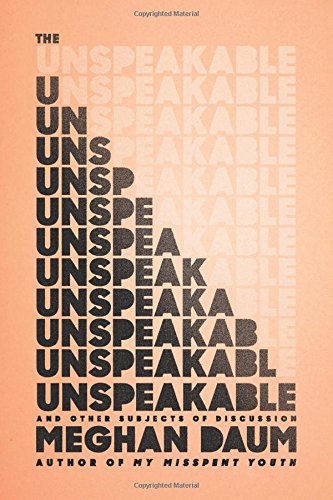
The Unspeakable by Meghan Daum
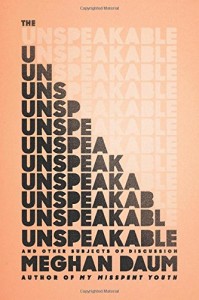 This book of essays has gained some excellent reviews … so I was excited when it was my turn for the Kindle library book.
One reviewer said “Daum is her generation’s Joan Didion.”(Melissa Giannini). I should have clued in to “her” generation’s Joan Didion. I guess I’m in the actual Joan Didion generation – she’s one of my favorite writers. (Slouching Towards Bethlehem is brilliant.)
I also didn’t clue in to the title — “Unspeakable” — which is truly accurate — these essays are beautifully written and some of her writing spoke right to my heart, but too often her writing made me anxiously squirm in my chair — uncomfortable with her uncensored candidness — as if watching a stranger undress or the Maury Povich Show.
Ms. Daum’s subject matter ranges from a coldly sad essay on matricide with harsh observations about her mother — to the weird – playing charades with a group of Hollywood notables including Nicole Kidman.
In “Honorary Dyke” she disguises her slight homophobia as flirting with lesbianism.
The whole scene freaked me out enough to make me realize that I was not a lesbian so much as someone who appreciated a good haircut.
(I realized I was) Biologically straight, culturally lesbian.
See? Uncomfortably funny – I bet you’re hoping none of your gay friends see you giggling at this.
In “Difference Maker” Ms. Daum shares her experience of being both a big sister and a court appointed advocate for a foster child. Her unflinching look at the reality of being a foster teen will break your heart. She paints foster care, and the children within the system, in the harsh cruelty that it is. Did you know there are ‘adoption fairs’ where foster children have 5 minutes per couple to plead why they should be adopted? She nails it by calling this a barbaric form of speed dating.
Ms. Daum likes to show off her incredible vocabulary using words such as opprobrium, quotidian and hypnagogic. Click to get the definitions – I had to to.
Happily, her writing is often thoughtful and quietly disarming. For me, her writing shines when she explores aging and evolving.
How did I get to be middle-aged without actually growing up?
I had not yet figured out that life is mostly an exercise in being something other than what we used to be while remaining fundamentally — and sometimes maddeningly – who we are.
To grow up and get to know yourself is primarily an exercise in taking things off the table.
Her thoughts on women’s culture are noteworthy, as in this precise take on the media
…all the crap in the media that suggests that not only are women a special interest group, they’re a group whose primary interest is themselves.
With great beauty, Ms. Daum reveals her uncertainty about getting married (she does) and her choice to remain child free (which she is). But as I read her thoughtful angst over these major life decisions – I found her both immature and apologetic — as if seeking our approval for her choices.
Our conversations and our sleep would remain uninterrupted. Our lives would remain our own. Whether that was fundamentally sad or fundamentally exquisite, we’d probably never be sure. But who can be sure of such things? And what so great about being sure anyway?
Unspeakable can be light and funny in parts, as in when Ms. Daum talks about not having the least interest in food or the “foodie” movement.
Once or twice my husband has suggested we take a cooking class together. From my reaction, you would think he’d proposed that we volunteer to pick up trash alongside the highway.
And her secret desire to live at Downton Abbey:
More likely, I’d be dreaming of living at Downton Abbey. Flu epidemics and abysmal women’s rights aside, I often think living in a Jacobethan mansion in the early twentieth century and having my meals cooked and served by professionals would suit me just fine. That’s pretty preposterous, however. In reality it would be a nightmare. In reality I would be so intimidated by the servants and so awkward in their presence that the relief of not having to cook would be dwarfed by the pressure to make polite conversation. I’d end up taking dinner in my bedroom every night, like a grieving widow or an unseemly visiting artist.
The final essay, Diary of a Coma recounts her infection with a deadly virus and she takes us step by tedious step through her symptoms and misdiagnosis and eventually being put into a medically induced coma. Not for the queasy this, but nonetheless she contemplates her life, her judgmental tendencies, her shortsightedness and selfishness and vows to be a better person. But in the end she knows she can’t be a better person — in fact she won’t even try — she will, in the end, remain the same person. Her thoughts even as she faces death remain painfully unsentimental.
In summary, I read this collection of essays in uncomfortable but stunned disbelief – at Ms. Daum’s audacity, her often flawless writing, her shameless self-absorption — but most of all at her bravery – writing and exposing her uniquely own “unspeakable” mind.
-
And now ~~A Tuesday Art Break
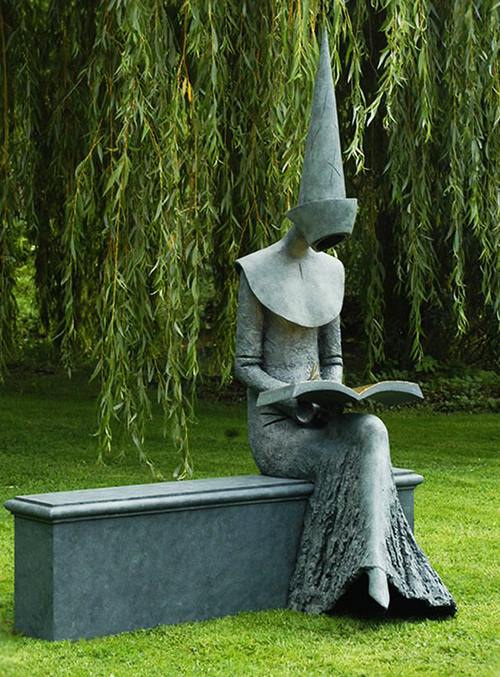
“Reading Chaucer” by Philip Jackson
Isn’t she lovely? I used to have a postcard of this sculpture and I could gaze upon it for hours. I sent the postcard to a good friend, but by chance, I just tripped across the image again on the internet.
It’s by the famous British artist, Philip Jackson. This is from a 2012 exhibition at Chichester Cathedral. You can see a quick video of the exhibit HERE. I find his works hauntingly beautiful and thought I would share. This is my favorite of his works but see what you think, you can see his pieces HERE.
+++++++++++++++++++++++++++++++
In other news, and with apologies to my frozen East Coast readers, I have been busy in the garden – planting first crop of lettuce, spinach, chard and feeding my roses.

But I am reading two library books – both non-fiction
THIS
and THIS.
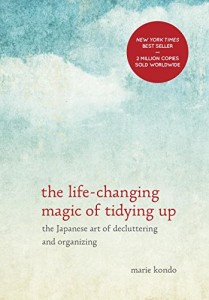
So stay tuned.
-
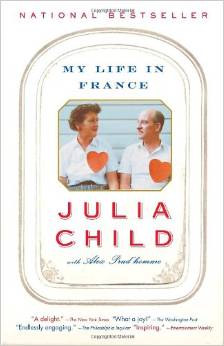
My Life in France by Julia Child
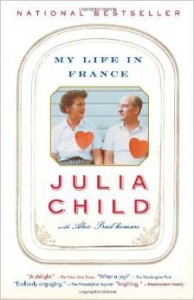 Last night, I happened upon Julie and Julia on HBO. Although I have seen the film several times, I couldn’t help watching it again. It’s a fun, but limited portrayal of Julia Child’s early years in France. The sadly departed Nora Ephron based her screenplay on two memoirs — Julie and Julia by Julie Powell and My Life in France by Julia Child.
Skip Julie Powell’s memoir (I found it insipid) but if; 1) you adore food and travel, 2) own at least a few cookbooks (maybe one of which is Julia Child’s Mastering the Art of French Cooking), or 3) need to escape your own, perhaps routine, life for a more exciting one in post WWII France — then get your winter-weary self to your local bookstore or library and get a copy* of My Life In France. You’ll thank me later.
Julia kept notes and letters, and in the last years of her life, she began to shape this book with her grandnephew Alex Prud’homme. The result is a brilliant journey with Julia Child — to read this book is to be right with her in France — tasting the food, smelling the baking bread, walking on the French cobblestones and embracing it all with Julia’s delight and gusto. This is an engaging story of Julia’s early isolation in a foreign country that at once confused but enthralled her, and she faces these challenges with self-deprecation and charming self-confidence.
There is, of course, an abundance of French food. But there is also hard work — from her struggles with learning French to outright chauvinism at the male-dominated Corden Bleu cooking school where Julia finally gains admittance. You get a wonderful glimpse into the private lives of Julia and Paul and their remarkable marriage. She tells of “making do” in post war France, of having to initially cook on a hot plate (this will not do!), spotty electrical service and need to shop at individual markets for each meal’s provisions. There is a sober side to her memoir as she and Paul deal with an erroneous McCarthy investigation as a result of his OSS work.
Her struggles during the creation of her infamous two volume cookbook Mastering the Art of French Cooking (which shot to the best seller lists after the release of the Julie and Julia film) are fascinating as Julia painstakingly tests, re-tests and then tests again countless recipes. The perfectionism in the development of her mayonnaise recipe caused me to crack open my copy of the cookbook just to read the recipe. (I have plans to attempt it one of these days.) The differences between flour in France versus America causes great concern for an worthy cross-Atlantic baguette recipe. She tells of the early troubles with the massive two-volume Mastering the Art of French Cooking — from the many titles considered to publisher rejects and her co-authors dramas.
Julia Child embraced all these experiences – good and bad – as part of a remarkable journey and she clearly loved everyone who accompanied her along the way. This is not just a book about food, this is a book brimming with life — full of passion, wisdom and creation. One can learn a lot from such a well lived life. I hang on to my own copy of My Life In France for gloomy times and a quick dip into its chapters restores my faith in life as an exciting adventure.
*Make sure your copy has Paul’s photographs throughout – they are a treasure.
![180993415[2]](https://www.bookbarmy.com/wp-content/uploads/2015/03/1809934152.jpg)