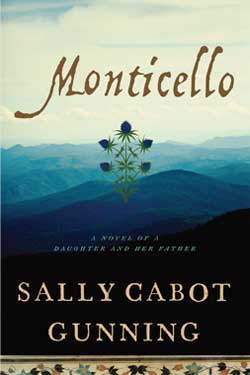
Monticello by Sally Cabot Gunning

I hope you will forgive me, but I will quote a professional review which captures perfectly, the book I just finished — Monticello by Sally Cabot Gunning.

“A brilliant exploration of what it meant to be a slave owner in antebellum Virginia where farming depended on slaves, and their presence in the household gave them an intimacy with family members that could be both comforting and threatening. This story of Thomas Jefferson’s devoted daughter, the indomitable Martha Jefferson Randolph, helps us understand all the complexities and contradictions endured by Martha and her family as they struggle with their consciences and responsibilities toward their families, their plantations, and the people who work for them. Highly recommended as an engrossing tale of a strong woman in tumultuous times, with deftly interwoven historical details that make her trials all the more authentic.”
— Library Journal

Historical fiction fascinates me, but only when the author doesn’t stray too far from actual events.  Ms. Gunning based this historical novel on actual correspondence between Thomas Jefferson and his eldest daughter Martha. The author says:

As soon as I came across a letter the fourteen year-old Martha Jefferson wrote: “I wish with all my soul that the poor Negroes were all freed . . .” I was hooked.  I read all of Martha’s letters to her father and his to her.

The book follows Martha Jefferson Reynolds, her revered father Thomas Jefferson, and their families as they live their lives and make history at Monticello during the late 1700’s to early 1800’s.

Martha adores her father and wishes nothing more than to work with him to build and manage the Monticello plantation.  But her relationship with her father is complicated not only by the entire issue of slaves, but the intimacy between her father the coddled slave, Sally Hemings.

While this strained relationship with her father is crucial to her life, the majority of the book is devoted to her difficult marriage. Martha marries Tom Randolph and over the years, gives birth to 12 (yes 12!) children.  Martha and Tom struggle.  Tom is often depressed and their financial failures and dependence on Thomas Jefferson further threatens their marriage.

(One reviewer pointed out that Thomas Mann Randolph is portrayed unfairly as a weak, paranoid alcoholic who lived as a parasite on the goodwill of Thomas Jefferson. Despite the fact he served in both houses of the Virginia Assembly, became a Congressman and then Governor of Virginia.)

Monticello plays a wonderful backdrop in this novel.  Nestled in the beautiful Blue Ridge Mountains, we see how the gardens were treasured.  How Jefferson experimented with crops and imported plant seeds. Descriptions of the clothing, home furnishings, and architectural details of Monticello allows the reader to see it as a true home where Jefferson escaped his political worries and thrived.

But we can’t escape the fact that Monticello was a working plantation with slaves.  And, even though Thomas Jefferson spoke out against the institution of slavery, at the same time he owned slaves of his own – and fathered numerous children with one of the them (Sally Hemings).  

Monticello (the book) gives insight into this Jeffersonian paradox, and what is today, totally incomprehensible.  We see plantation life in all its light and darkness, not to mention the usually caring, but sometimes cruel human interaction of slave and master.

Through Martha’s eyes we see Thomas Jefferson as a beloved father, an architect of our constitution, a renaissance man, and an intellectual.  But most importantly, we also see him as just a man, like any other man in any other time period — struggling with the political tsunamis and conflicting morals of his time.

I was thoroughly lost in the pages of  Monticello and had trouble putting it down.  When I did have to stop reading, (you know meals, sleep, showering, those pesky interruptions) it took me a bit to clear my mind and return to current day life.

Monticello is one of my favorite historic sights and you must visit, but in the meantime you can see Jefferson’s library HERE.  (It’s swoon-worthy)


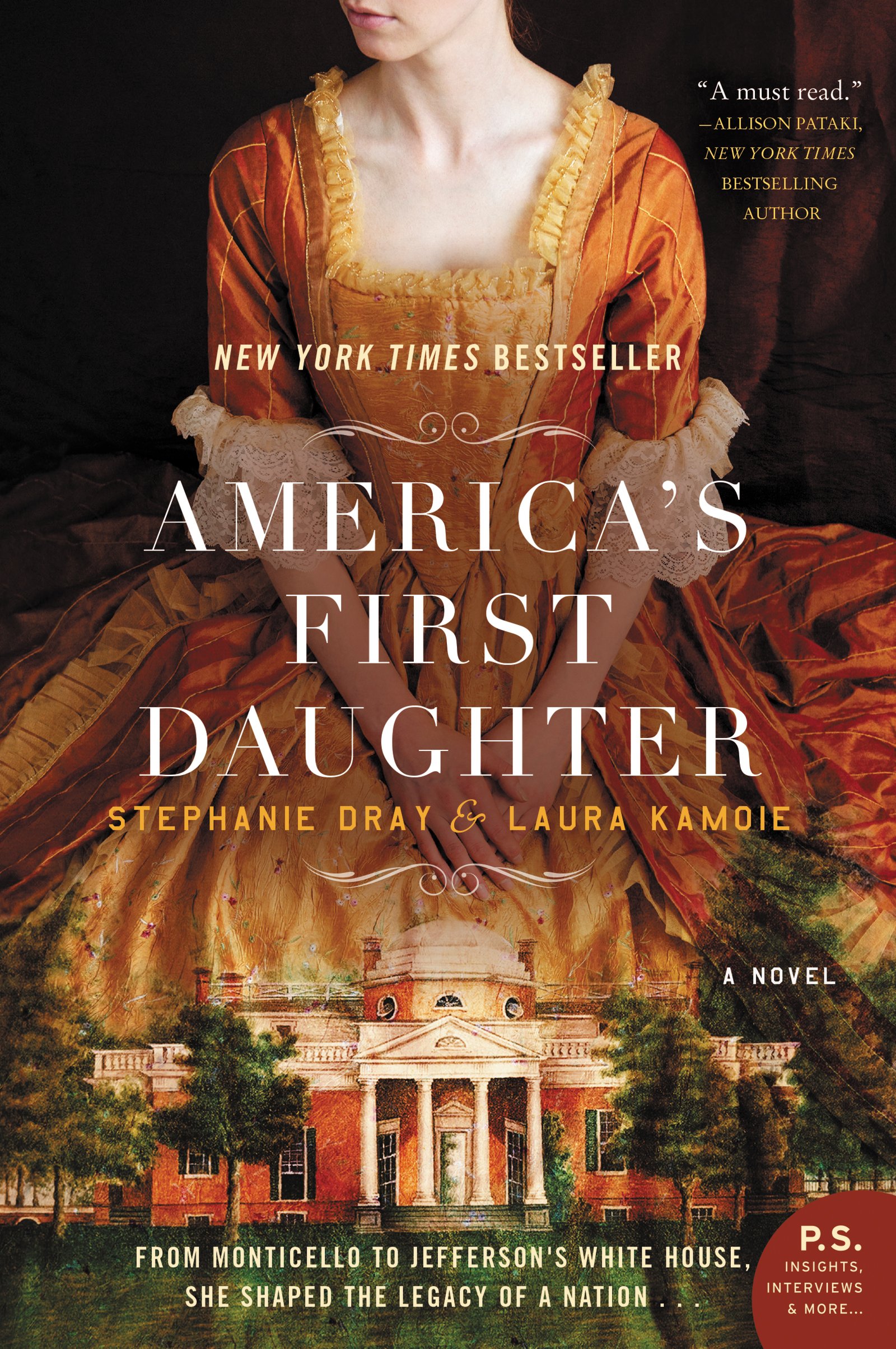
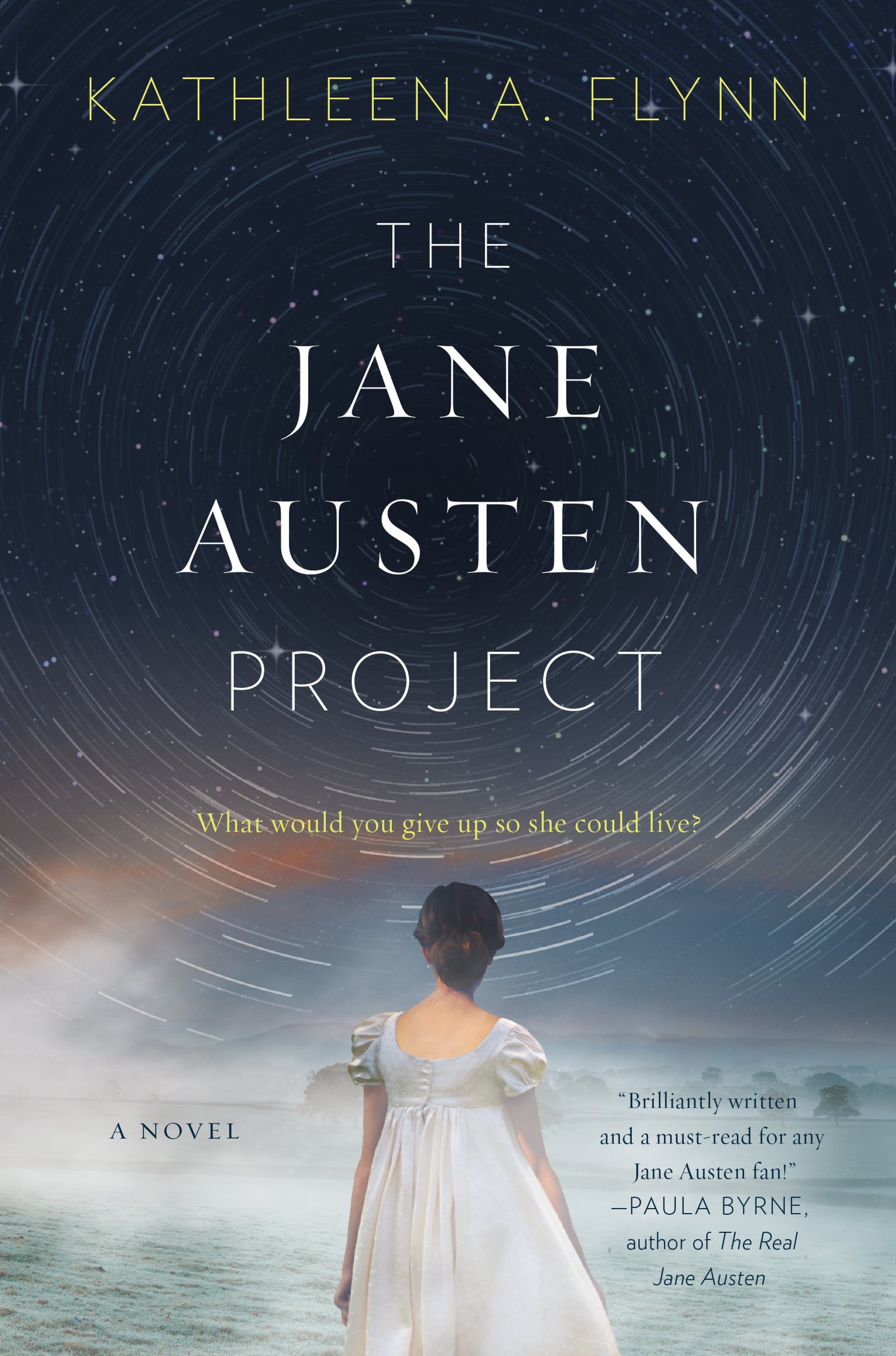
N.B.  The day after I finished this book, I purchased this other novel about Martha Jefferson.  It was my birthday, I’d hurt my back and I didn’t need any more excuses — and so it goes.  Another Jefferson read awaits me.


Save

Save

Save

Save

Save

Save

Save

Save

Save

Save

Save

Save

Save

Save

Save

Save

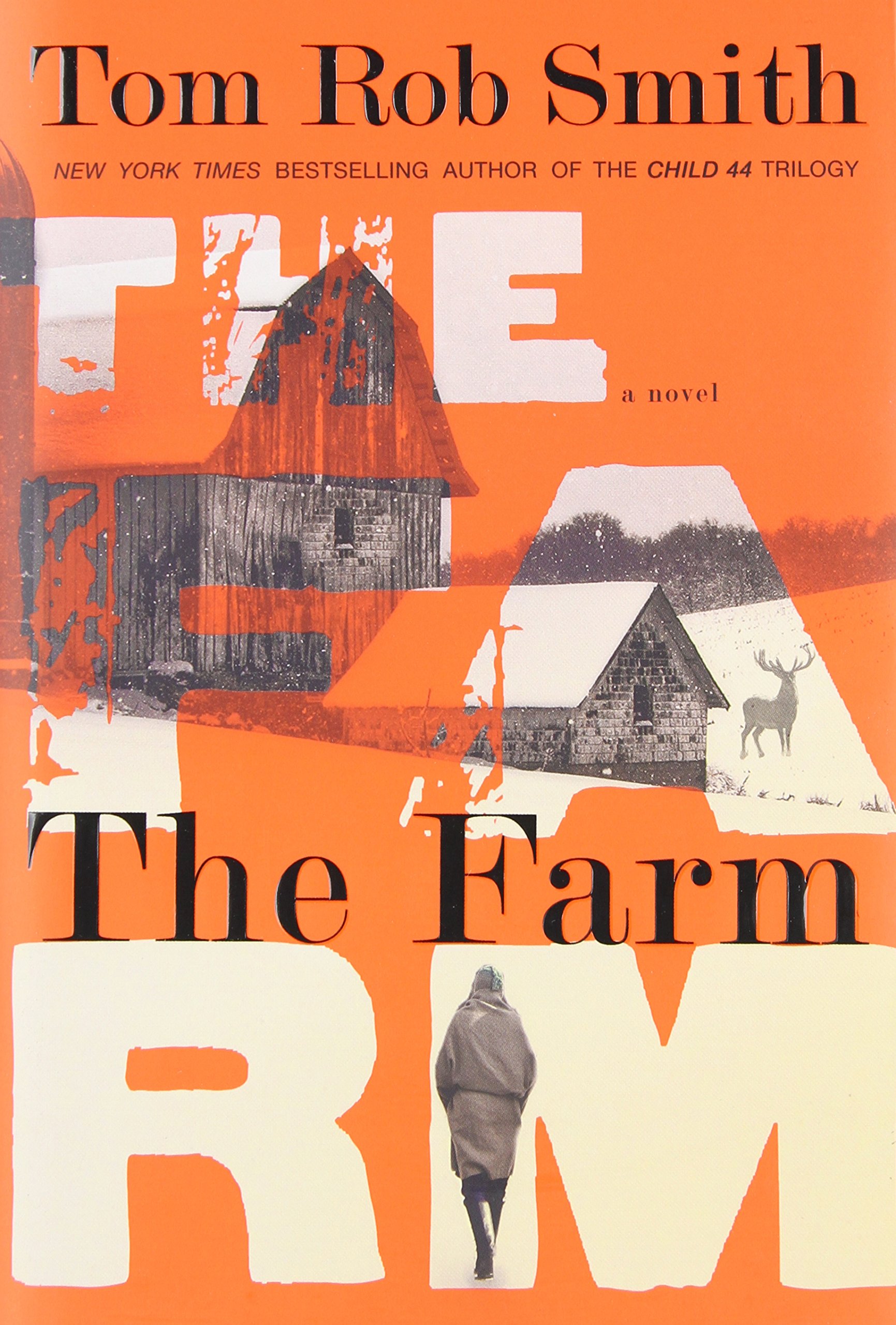
The Farm by Tom Rob Smith

For some reason, I’ve been on a dark(ish) thriller reading binge and remembered I had this best seller waiting for me on my Kindle.

A couple of years ago, Mr. Smith was interviewed on NPR where he described his family’s real life crisis which was the genesis for The Farm.

From the interview introduction:  In the spring of 2009, British author Tom Rob Smith received a disturbing phone call from his father. “And he was crying,” Smith tells NPR’s David Greene. “He never cries. And he said to me, ‘You’ve got to come to Sweden. Your mom has suffered a psychotic episode, and she’s in an asylum.’ ” Then, Smith’s mother called. She had just been released from the psychiatric hospital in Sweden, and she said everything his father had told him was a lie.

The Farm is about a couple who, like Mr. Smith’s actual parents, retire to the idyllic Swedish countryside.  As the novel unfolds, Tilde the mother, has just recently been released from a mental ward and she is carefully and methodically telling her story to her son Daniel.   She reveals puzzling circumstances — how she, and his father Chris, moved to the farm, not to fulfill their dreams, but because they had gone bankrupt, losing all their investments in a  real estate scheme.  Tilde’s story gets darker and more irrational, the crimes she’s witnessed, the conspiracies around her, and how she has been deemed a madwoman.

Tilde’s story is filled with fear and paranoia– sprinkled with some Scandinavian evil (including some shiver-worthy Nordic troll fairy stories). Tilde is a true unreliable narrator  –or is she? How much is true and how much is imagined?  Why was she admitted for psychiatric observation, and was it justified? 

 “Paranoia might be a mental illness–or a means of survival.”

All these questions and more will whisper in the back of your head as you read The Farm. At first, I didn’t know what to make of the odd structure of this book, but it gradually caught me up in its web.  

The plot does not unfold in real time and there are stories within stories, but Mr. Smith does not let this get confusing.  It’s fast paced, suspenseful, and often smart.

“The people you think you have known all your life can be completely different, for different reasons that you have never known anything about.”

But I had some problems with The Farm.  The first was Tilde’s voice.  She is supposedly “telling” the story throughout the book, but Mr. Smith gives her sometimes unrealistic dialogue.  No one speaks like this:    “He was trying to soothe me as if I were a startled horse.” or   “As he emerged from the gloom of his underground lair.”  In the same vein, I just grew tired of the  singularity of Tilde’s voice —  it goes on for over 200 pages.  Mr. Smith breaks it up with Daniel’s point of view, but not nearly enough to prevent the story line from occasionally becoming snooze-worthy.

I hoped that finding the truth to this story was going to be tricky and astonishing, but sadly, I found the ending abrupt and obtuse.  As if the author couldn’t figure out how to work out the truth and so just closed the novel with a final incomprehensible chapter.  But then again, maybe life isn’t meant to be so neatly packaged.

The Farm is a suspenseful thriller, but with an unsettling ending – perhaps this is the author’s intent.

I think I’ll take a break from these dark thrillers for a bit.


A digital advanced readers copy was provided by Grand Central Publishing via Netgalley.

Save

Save

Save

Save

Save

Save

Save

Save

Save

Save

Save

Save

Save

Save

Save

Save

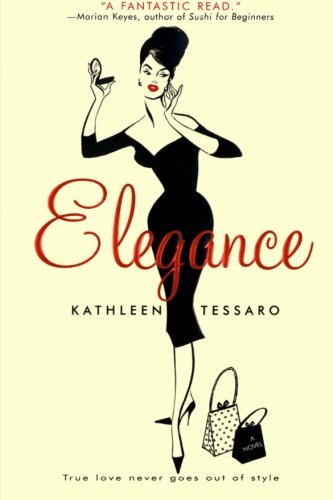
Elegance by Kathleen Tessaro

I have always admired Audrey-Hepburn-like-elegance, but alas, my body and temperament opt for comfort.  Once, on a daily basis, I achieved tailored and professional — but never elegant.

This appreciation for long necks and sleek evening dresses must have caused me to acquire this book.  I found it during my January book clean out and stacked it on my bedside table, unsure, but vowing to give it my 50 page audition.

The other night I picked up Elegance, and was surprised to find myself chuckling at this cute concoction.  I’m not a fan of chic lit, but the premise is clever.

The author actually found a book in a second-hand store called “Elegance: A Complete Guide for Every Woman Who wants to Be Well and Properly Dressed on All Occasions” written by Genevieve Antoine Dariaux in 1964. Ms. Tassaro, with permission from Dariaux, wrote this novel based on her find.  See?  Clever right?

The novel uses the advice from Dariaux at the start of each chapter, such as this from the opening:

What is elegance?  It is a sort of harmony that rather resembles beauty with the difference that the latter is more often a gift of nature and the former a result of art.  If I may be permitted to use a high sounding word for such a minor art.  I would say that to transform a plain woman in to an elegant one is my mission in life.

Our protagonist, Louise, either heeds or disregards this out-dated (and often derivative) advice as she contemplates her own disastrous life.

Louise is an imperfectly real character. Her past is filled with eating issues, difficult parents, failed relationships, and a lackluster career.

Her marriage is over:

It’s been months now – months of conversations, arguments, silences, tears.  We have ‘given it one more week’ again and again and again.  It’s like trying to amputate a limb with spoon.

Louise is not getting anything from her therapy sessions:

[Therapists] always want to know why; there’s not a lot of difference between a therapist and a four-year old.

She doesn’t have any close girlfriends to talk to, she’s lost, and can’t pinpoint what she really wants.

Then one day Louise finds Dariaux‘s slim volume in a London used bookshop.  I just have to share this lovely passage ~~ hail comrade!:

My husband claims I have an unhealthy obsession with secondhand bookshops. That I spend too much time daydreaming altogether. But either you intrinsically understand the attraction of searching for hidden treasure amongst rows of dusty shelves or you don’t; it’s a passion, bordering on a spiritual illness, which cannot be explained to the unaffected.

With Dariaux’s self help book, Louise begins to change herself and her life — much goes well, some does not.  She applies a self-tanning cream which turns her orange just before a job interview.  Louise unwittingly invests a small fortune at a department store makeup counter and discovers fine lingerie.

Louise not only adapts to high heels, she starts opening up to those around her, breaking out of her shell.  She dumps her soul-sucking therapist.  She leaves her husband.  Friendships are formed and she even lands a new job.  In one of my favorite chapters, Louse is invited to a typical English country house weekend, which is described in delicious detail – from the village names to the parlor room games in the evening.

Louise comes into herself and her life — but it is not a fairy tale ending.  It’s as imperfect and real as she is.  Turns out yes, elegance has it’s rewards but also a price.

Elegance makes for a fun evening, like sharing ice cream straight from the carton with a good friend.  A light and fluffy break from those dark thrillers (I’ve had enough of those for a bit) or the nightly news.


Genevieve Antoine Dariaux’s 1964 original advice volume is still in print and available – see more HERE

Elegance is Ms. Tassaro‘s first novel, published in 2003 and she has since had several best sellers in the same realm.  See her books HERE.

Save

Save

Save

Save

Save

Save

Save

Save

Save

Save

Shelter by Jung Yun

This debut novel opens with a suburban family struggling with debt. Kyung and his wife, with their young son, are financially underwater – they owe more on their house than it is worth, their credit cards are maxed out, and the bills have been pilling up for months.

Their sense of want was always more powerful than their sense of reason.

Kyung and his parents came to the United States from Korea when he was small.  But as an adult, Kyung has been estranged from his family for years, and is unwilling to ask them for help, despite the fact they are wealthy and live in an ultra-exclusive neighborhood just up the hill.

As the book opens, Kyung and his Irish-American wife, Gillian are showing their home to a realtor, who is less than enthusiastic about the probability of a good sale.

It is here, right in the first chapter, that Ms. Yun rips this typical-seen-it-before plot open and twists it into a completely unexpected direction.

As the realtor is explaining the less than ideal prospects for their home sale, they suddenly see Kyung’s mother wandering, naked and beaten, in their back yard — crying and babbling in her native Korean.

Whoa — didn’t see that coming.

I don’t want to give too much away about this compelling, but unsettling story line.   There are many layers and deep issues within Shelter that must be read in context and first-hand.  So, very carefully I will tell you a bit more, just to entice you to read this well crafted, but brooding novel.

The estranged family is thrust together in the wake of a violent attack on Kyung’s parents.  They must live together – in Kyung’s tiny, over-mortgaged home.

Tensions quickly surface, there are old resentments, generational mistrust, and the guilt of wanting, but not being able to –forgive.  Ms. Yun stirs this together with cultural dynamics, family secrets and the pressure of immigrants wanting to be American at any cost.

Ms. Yun has delivered not only a driving, suspenseful plot but also an exploration of the complexities of family, the immigrant experience, domestic violence, and the grace of forgiveness.

I warn you, Shelter is not a lighthearted read, but at the same time, I found it utterly compelling and finished it in two days.

Shelter is well worth your time.  Upon finishing, you’ll be sad, but this complex and beautifully rendered novel will stick with you, as there is much to contemplate and consider.

And isn’t that why we read?  For these occasional gems that stay with us long after we’ve closed the last page.


A digital advanced readers copy was provided by Picador Publishing via Netgalley in 2016.

Save

Save

Save

Save

Save

Save

Save

Save

Save

Save

Save

Save

Before the Fall by Noah Hawley


The Book Barmy reading list has adapted to the past couple of months of endless rain and a bout with the flu.  I gravitated toward thrillers, wanting plot driven, hold your attention type escapism – as if I were on a long, mind-numbing plane trip

As with Dark Matter, Mr. Hawley, the author of Before the Fall is an award winning television writer, most famous for the strange but compelling series Fargo, so I hoped I was in for gripping story line.

Before the Fall bit me hard from the start and didn’t let go.

A private jet crashes minutes after departing Martha’s Vineyard.   Just two passengers survive, an artist and a 4 year old boy. With J.J., the boy in tow secured to a seat cushion, the middle-aged painter Scott Burroughs swims across the ocean to the Long Island shore.  Turns out Scott is an accomplished swimmer, inspired as a young boy witnessing Jack LaLane swim from Alcatraz to San Francisco.

The mystery of why the plane crashed is told by weaving together the crash investigation and the survivors aftermath with the backstories of the deceased passengers and crew members. The flight recorder reveals nothing amiss with the plane and it is decided that the crash was due sabotage.  A classic locked room mystery, but up in the air.  The mystery is unwrapped by revealing each character’s personal history and point of view.

The deceased include a financier facing federal indictment and his clueless wife; the head of a Fox-like cable news network with his wife and child; an Israeli bodyguard haunted by war;  a career pilot; a hotshot co-pilot; and a flight attendant in her own life crisis.

In the aftermath of the crash, Mr. Hawley gives center stage to Bill Cunningham the larger-than-life newscaster for the cable news network. He makes the story of the plane crash and the network’s lost leader tabloid news — by asking leading questions, ignoring the facts, assuming the worst, and using illegal means to get information.

It was fascinating to see how the news was no longer the facts of what happened, it became a “story” presented to make the headlines and grab audience numbers.  I cringed as Cunningham digs into the personal life of the hero, Scott Burroughs, using a hacker to monitor his private activities, which Cunningham then announces in his news broadcasts. 

All this a thinly veiled, yet very relevant stab at tabloid media and Fox news

Cunningham was the angry white man people invited into their living rooms to call bullshit at the world . . . who told us what we wanted to hear, which was that the reason we were losing out in life was not that we were losers, but that someone was reaching into our pockets, our companies, our country and taking what was rightfully ours.

[He appealed to] the people who had been searching their whole lives for someone to say out loud what they’d always felt in their hearts.

Just when the mystery of the downed plane seems connected to the corrupt financier, or perhaps the mysterious bodyguard — no no, it must be connected to the news network somehow– the story line shifts to the characters’ blurred boundaries and questionable pasts. The characters, are after all, just humans – fraught with guilt, frailties, and unresolved resentments.

In the end, it’s not money or power, but human vulnerabilities which drive our actions. 


Before the Fall reads like a film — it was a fast paced, entertaining and exciting thriller.   And what do you know?  Sony Pictures has acquired the rights to the story.


A digital advanced readers copy was provided by Grand Central Publishing via Netgalley.

Save

Save

Save

Save

Save

Save

Save

Save

Save

Save

The Portable Veblen by Elizabeth McKenzie

The Portable Veblen was a National Book Award nominee, a Bailey’s prize finalist and talked about on NPR.  I found I had an advance copy — and gave it try…especially after reading the book’s publicity blurbs.

“A delightfully cockeyed love story that enfolds two splendidly dysfunctional families and a winningly persistent squirrel.”

“No matter how many novels you’ve read, it’s safe to say you’ve never read a novel like The Portable Veblen.”


The main character, Veblen Amundsen-Howda was named after Thorstein Veblen, an early twentieth century economist who despised corporations, materialism, and the consumer class  – a sort of Norwegian Henry Thoureau.

Okay, once I had that figured out, I carried on reading. 

Our Veblen is plagued by a hypochondriac, verbally abusive mother. Her father is in a mental institution. There’s a stepfather who suffers from PTS.  And Veblen herself has a bizarre obsession with squirrels.  She talks to squirrels, convinced they’re the only ones who care and understand her life situation.

A few more chapters and we discover that Veblen bites her own arm in times of stress, there’s a strangulation attempt, and the final straw — attempted humor around the abuse of a disabled child.

Had there been a fire in the fireplace I would have burned the thing* — so instead I threw The Portable Veblen on the floor in disgust.

I was forewarned that there would be family dysfunction – (see the blurbs above)… 

But these characters go beyond dysfunctional — they are nasty pieces of work and season ticket holders on the crazy train.


And, my friends, child abuse is never, ever funny.


* When I was a little girl, there was a famous incident in which, disgusted with what he was reading, my grandfather threw the errant book across the room into the fireplace.

Had we had a fire that evening —

I Would Have Done The Same.

Save

Save

Save

Save

Save

Save

Save

Save

Save

Save

Save

Save

Save

Save

Save

Save

The Diver’s Clothes Lie Empty by Vendela Vida

It’s every travelers nightmare ~~ jet lagged, tired, disorientated, and at your most vulnerable ~~ you’re robbed. This is exactly what happens to a nameless American woman in the unconventional novel, The Diver’s Clothes Lie Empty.

While checking into her disappointing hotel in Casablanca, her backpack, holding her wallet, passport, computer, and all her money, is stolen while her back is turned.

(Let me stop here to say I heard Vendela Vida –don’t you love her name?–interviewed on Fresh Air  — the author got the idea for this novel after her own experience of being robbed in a foreign country.)

The police investigating the theft are blatantly incompetent, perhaps in on the theft, and in the end return a backpack, but it’s not hers.  It contains another woman’s wallet, money, passport, and (still working) credit cards.

While she is understandably panicked by the crime, she realizes she is also strangely free to become anyone she wants to be.  Our nameless narrator takes the backpack and assumes the new identity.

Little by little, during this slim little novel, we are given her backstory  An ugly divorce and a betrayal by her twin, allows us to understand why she escaped to Morocco and her need to create new personas.

The novel is written in second person singular (i.e.: you)

“You know who you are; other people do not need to.”

This voice is actually more intimate than the first person singular, as if we are co-inhabiting each new identity.  She is recruited to play a famous actress’s stand-in for a film being filmed in Casablanca, she substitutes for the actress on a dreaded date with an older gentlemen, and even meets Patti Smith.

Ms. Vida describes the details of our narrator’s experiences through all the senses — we feel the heat, smell the traffic exhaust, but most impressive are the scene descriptions — almost as if they were stage sets:

“…(you) enter an enormous lobby.  Its sofas are mocha colored and deep and plush.  The kind of sofas that are easy to relax into, and difficult to rise from. White orchids are staged artfully throughout the lobby and Lauryn Hill must pulses softly through the speakers.  Everyone is dressed as though going to a business meeting in London or an upscale lunch in New York.  No one is dressed as though they are in Morocco…”

Smart and witty, The Diver’s Clothes Lie Empty, explores the possibility of freeing ourselves from the shackles of our identity. How easily appearances, and identities, can be changed. What happens when we choose to become a creation of our own making? When we are able to fully escape our past history?

This is not a travel novel, but rather a reflection on reinvention, lying, and an endless world of possibilities. Shedding her painful past, our narrator restyles herself through several new personas, and finds a surrealistic new freedom on her journey.

The title, by the way, is from a Rumi poem, of the same name which ends,

“Your hidden self is blood in those, those veins that are lute strings that make ocean music, not the sad edge of surf, but the sound of no shore.”

Similarly, Ms. Vida leaves the ending open to the endless possibilities of having “no shore” ~~  as our character assumes yet another identity, but this time, with a hint of future happiness.

An appropriate ending for such a wonderfully unconventional and affecting story.


Vendela Vida, a San Francisco resident, is the co-founder of the literary magazine The Believer. Her husband, Dave Eggers, founded the literary journal McSweeney’s and the wonderful San Francisco literacy project 826 Valencia.

An advanced readers copy was provided by Harper Collins Publishers back in 2015.

Save

Save

Save

Save

Save

Save

Save

Save

Save

Save

Save

Save

Save

Save

Save

Save

Save

Save

Save

Save

Save

Save

Save

Save

Save

Reading in Bed by Sue Gee

I will spare you the details, but I’ve been unwell.  The upside was permission to remain pajama clad and read in bed (in between some epic catatonic naps).

But what to read?  I knew I wasn’t up for any Booker prize titles, and reading my Kindle gave me a headache.  Then I remembered I had the perfect book for this predicament – Reading in Bed by Sue Gee.

After unearthing it from my shelves and  with dutiful tea service provided by Husband, I snuggled in.

One of my favorite British book bloggers Cornflower Books has long recommended anything by Sue Gee.  She had me with this statement:

All (her) books are of quality and integrity – they are not showy, not gimmicky, they are perfect examples, I think, of what it means for a writer to be artist and craftsman in equal measure. (The image above is from her blog post.)

The book opens with long time friends Dido and Georgia as they depart the infamous Hay-on Wye book festival (on my bucket list), and as they make their separate ways home their thoughts and frailties emerge and, in this way, Ms. Gee introduces her readers to her central characters.

Two upper middle class Oxford couples, share not only a life-long friendship but also a mutual appreciation of art, classical music, architecture,  summer holidays together, – and especially literature: 

“Dido and Jeffrey, Georgia and Henry… had reading at the heart of everything, touching and defining everything, a ceaseless inner life so rich it’s hard to say where life and literature begin and end.”

Then death took one half of a partnership. Georgia, widowed a year, is alone with daughter Chloe nearby. Dido, comfortably secure and settled,  secretly revels in her seemingly perfect life and husband:

(Her new book) “Justin Cartwright, The Promise of Happiness, just what she needs.  She slips off her dressing gown, pulls back the covers.  She’s tucked up, her specs on her nose, the pillows just right.  She settles into chapter one, is turning page six by the time Jeffrey joins her, fresh from a shower.  ‘Hello, my darling.’  ‘Hi’, Jeffrey reaches for his own books, put on his specs.  They settle down.  Dido is restored.  What sweet companionship is this, to read, to sleep, to lie night after night against the man you love – still love after all these years.  Poor Georgia.”

I’ll admit Reading in Bed is formulaic, it doesn’t demand much from a reader, but the characters are multi-faceted, intelligent, well developed and flawed  — and I cared desperately for each of them.  There’s narrow expectations for their children, resulting in the inevitable problems, an eccentric cousin who is loosing her mind, infidelity, illness, and building new beginnings — in other words Ms. Gee has beautifully rendered a  well-lived, and loved, set of lives filled with problems, sorrows and joy.

Because I’m an admitted Anglophile, what I (and probably only I) enjoyed most about this British book, was just that — its wonderful, unapologetic, not trying to be anything else — British-ness.  The book captures drinking tea in rose filled gardens, shopping in the village, and posh N1 London drinks by a fireplace.  There are references to BBC4 shows (the Archers), the Brits keen walking (hiking) outings, and Knickerbocker glories (ice cream sundaes).

Reading a book about women of my same age, with similar views, with my shared love of literature, and so British-ily described was just what the doctor ordered.  I’m feeling much better and now I’ve got a new author to follow!

N.B. Ms. Gee’s book are published in the UK, and are only available to us Yanks in their British editions.  You can order HERE.

Save

Save

Save

Save

Save

Save

Save

Save

Save

Save

Save

Dark Matter by Blake Crouch

Dark Matter by Blake Crouch


I would never have expected this to be my first read of the new year.  In truth, I never would have opened this sci-fi thriller, except for a favorite bookstore customer.

He’s an older gentleman (OK, not that much older) who brings in his once read, bestseller hardbacks to donate — we love patrons like this.  Often, he’ll press one into my hands and recommend I read it before donating. His reading tastes run to spy thrillers and political intrigue, so I usually take a look but then put them in the donation box after he’s left.

This time, however, I opened Dark Matter and sat down at the register to give it a try — half an hour later, customers were clearing their throats and uttering plaintive “excuse me”s to get my attention.

I took it home, read very late into the night and then finished it the next (luckily, rainy) morning.

It’s going to be tough to tell you about Dark Matter without spoiling it.

Suffice it to say ….

This is the story of Jason who has a pretty great life, a wife, a son, a comfortable home. He has regrets, a lackluster career, missed opportunities, but overall, he’s content. Walking home, after meeting a friend at a bar, he is abducted and, just before he is injected with a serum, is asked;  “Are you happy with your life?”.  

He wakes to find his family gone. Not dead, not abducted, but gone — they never existed.  His home isn’t where it should be, his life as he knew it, never was.  Dark Matter is the tale of Jason trying to get back to the life he so loves.

Like most of us, only after this loss does Jason fully realize that he has (whoops had) everything he could ever want.  The power of this love, the anguish of the loss, and his journey to find his (now) lost life is the premise of Dark Matter.

But, that makes the story sound simple and it’s anything but.  There’s quantum physics (there’s even a reference to Schrödinger’s cat, which my scientist sister had to explain to me). There are parallel universes (yes that’s plural). And there’s dark matter:

Most astrophysicists believe that the force holding stars and galaxies together—the thing that makes our whole universe work—comes from a theoretical substance we can’t measure or observe directly. Something they call dark matter.

Mr. Crouch writes for television* and his style reflects that medium.  The writing simple but powerful.

He also writes in very short sentences.

And fragments.

Like this.

So, you see.

Why it is a quick read.

The other reason Dark Matter is a quick read is that it is ruthlessly compelling.  Just when you think you got it, and you know where the book is going –  Mr. Crouch hurdles you in whole new direction.  I found myself empathizing with poor Jason throughout his quest to get his life back, imagining his turmoil, his loss as my own.

No one tells you it’s all about to change, to be taken away. There’s no proximity alert, no indication that you’re standing on the precipice. And maybe that’s what makes tragedy so tragic. Not just what happens, but how it happens: a sucker punch that comes at you out of nowhere, when you’re least expecting. No time to flinch or brace.

I’m sure you can tell that Dark Matter surprised me.  At first appearance this is a sci-fi thriller — in the style of Patterson or Koonz.  But the story line is insightful, human and will cause the reader to contemplate their own life and their choices.  It’s the Road Not Taken – on a whole new level.

It’s terrifying when you consider that every thought we have, every choice we could possibly make, creates a new world.

Yes, Dark Matter is an adrenaline-fueled thriller, a keep you up all night page turner, but what keeps it from being a cliche is Jason  — an authentic, faithful and heart-warming hero, or should I say heroes? – (whoops enough said).

Well, I didn’t see that coming, my first book of the new year – way — way outside of my reading comfort zone and, much to my surprise I fell hard for this book.  It’s high entertainment with a heart.


*Mr. Crouch is the creator/writer behind one of my favorite TV series Good Behavior, as well as Wayward Pines (which I don’t know)


Save

Save

Save

Save

Save

Save

Save

Save

Save

Save

Save

Save

Save

Save

Take me away…

I’m guessing you may be in the mood to escape and, as it just so happens, I have some reading recommendations to take you away for a  bit                      (you’re quite welcome).

Taking you away to one of my favorite guilty reading pleasures – Time Travel.

Now don’t scoff, this genre is tricky – one false move and the novel is relegated to those dusty bookstore shelves of either fantasy or science fiction.

Accomplished authors convince the reader that time travel is not only credible, but enticingly possible.  Like watching a magician perform or a classic Disney movie  — the reader is happily ensconced between reality and make believe. Bring it on, I say — bring it on.


And so, without further ado, my favorite time travel tales…

A Connecticut Yankee in King Arthur’s Court, by Mark Twain (Samuel L. Clemens)


s-l1600Near, and dear to my heart, this was my introduction to time travel, aged 12, sitting on the floor of my grandfather’s library, this book spread open in front of me.

In 1889, a practical Yankee is hit on the head and wakes up in England — in the year 528.  He fools the inhabitants of the time into thinking that he is a magician and becomes Sir Boss of the Round Table.  The Yankee believes that he is the saving grace for the people of Camelot, using capitalism as his means to set them free. The societal commentary and satire was above my head during that first reading.  But upon adult re-reading, the lampooning of social class institutions and of inherited rank is pure Twain — witty (but sobering) sarcasm.

r-l1600

Here’s my cherished original copy from my grandfather’s library.


~~~~~~~~~~~~~~~~~~~~~~~~~~~~~~~~~~~~~~~~~


wrinklesA Wrinkle in Time by Madeleine L’Engle

I also read this as a young girl and have re-read it several times since. A Wrinkle in Time is written for young adults but can be enjoyed at any age.  Winner of the 1963 Newbery award, it spins a captivating tale, which opens (wait for it) on a dark and stormy night.  Meg Murray, her little brother Charles Wallace, and their mother are having a midnight snack when an unearthly stranger appears at their door.  He claims to have been blown off course, and goes on to tell them that there is such a thing as a ‘tesseract’, or a wrinkle in time.  Meg’s father had been experimenting with time-travel when he suddenly disappeared.  Meg, Charles Wallace, and their friend Calvin venture to outwit the forces of evil as they search through space for their father.  Pure fantasy, pure delight.

~~~~~~~~~~~~~~~~~~~~~~~~~~~~~~~~~~~~~~~~~~~~~~~


finneysTime and Again by Jack Finney

When asked about my all time favorite books —  Time and Again has a permanent place on that list. I have bought and given away many copies of this book over the years.

In 1970, Simon Morley, an advertising sketch artist, is approached by U.S. Army to participate in a secret government project, which involves — in case you haven’t been paying attention here — yes, time travel.

Simon or ‘Si’, as he’s called, jumps at the chance to leave his twentieth-century existence and step into 1882 New York City.  Aside from his thirst for experience, he has good reason to return to the past—his girlfriend Kate has a curious, half-burned letter dated from that year, which holds a mystery about her lineage.  But when Si begins to fall in love with a woman he meets in the past, he will be forced to choose between two worlds—forever.

What sets this classic time travel novel apart from any other is the detail, the exquisite illustrations and curated photographs.  Mr. Finney’s highly detailed descriptions bring the period to life –  from the interior of the Dakota residence to the often pock-marked faces of the people, unprotected (as they were then) from small pox.

Warning, these descriptions may slow you down, but that’s fine, as this is a book to be read slowly and richly savored.

~~~~~~~~~~~~~~~~~~~~~~~~~~~~~~~~~~~~~~~~~~~~~~~~


8165y22bnllKindred by Octavia E. Butler

Equal parts time travel and slave narrative, this novel is still as popular as it was when it was first published in 1979.

Often studied as high school required reading, Kindred is the first-person account of a young African-American  writer, Dana, who finds herself shuttled between her California home in 1976 and a pre-Civil War Maryland plantation. There she meets her ancestors: a spoiled, self-destructive white slave owner and the proud black freewoman he has forced into slavery and concubinage (I checked, yes, that’s a word…). As her journeys into the past become longer, Dana becomes intimately entangled with the plantation community, making difficult compromises to survive slavery and to ensure her existence in her own time.

~~~~~~~~~~~~~~~~~~~~~~~~~~~~~~~~~~~~~~~~


5153jkewj9lThe Time Traveler’s Wife by Audrey Niffenegger

A highly imaginative novel in which the author has combined time travel with the intricacies of love, marriage, children, sickness, loss, joy and sorrow.

Henry is a time traveler, although not by choice. A genetic mutation causes him to spontaneously travel through time without warning and he finds himself in the past or future, usually at a time or place of importance in his life.  Clare, his wife has been with him through most all his time travels, and his various life stages.  She waits for each of his visits throughout the years until they can meet in real time.  Together they hold fast to their love and attempt to have some semblance of a normal life.

This is a complex story, and even with Henry shuttling back and forth in every chapter, the author deftly keeps the plot clear, compelling and, at times heartbreaking. But, as the Washington Post said, this is
“ a love that works despite all travails and impediments.”

~~~~~~~~~~~~~~~~~~~~~~~~~~~~~~~~~~~~~~~~~~~~~


41zn3vr2v5lA Murder in Time by Julie McElwain

I just finished my most recent time travel read the other night.  Kendra is a tough FBI agent who goes rouge in order to assassinate the killer who brought down half her FBI team mates.  She pursues the killer to Aldrich Castle in England and hides in a stair well only to emerge still in the same castle  — but in regency-era 1815.

Mistaken for a lady’s maid hired to help with weekend guests, Kendra is forced to quickly adapt to the time period until she can figure out how she got there; and, more importantly, how to get back home. However, after the body of a young girl is found on the grounds of the county estate, she starts to feel there’s some purpose to her bizarre circumstances. Stripped of her twenty-first century FBI tools, Kendra must use her wits alone in order to unmask a cunning serial killer.

Pure entertainment with enough action and adventure to keep the reader entertained.  Kendra, and her bad-ass self, turn the 19th century on its ear.

A digital review copy was provided by Pegasus Books via NetGalley

~~~~~~~~~~~~~~~~~~~~~~~~~~~~~~~~~~~~~


So, dear Book Barmy readers, choose any of these books to take you away — away from your worries to these wonderful tales of other times — and other places.

Save

Save

Save

Save

Save

Save

Save

Save

Save

Save

Save

Save

Save

Save

Save

Save

Save

Save

Save

Save

Save

Save

Save

Save

Save

Save