I damaged my new knee. It was going so well — PT, walking two to three miles a few times a week. Going everywhere I wanted with no pain ~~ then wham and Damn. Stepping off a city bus, not noticing the step was quite high from the curb — stepped down hard and twisted that poor knee.
After more X-rays and doctor’s appointments, the good news is that the knee is badly bruised (ouch) but no further surgery is required. Just rest the poor knee, ice, and elevate for two-three weeks. Then, it’s back to starting my PT exercises all over again (I know!). I’m back to using a cane, hobbling around in pretty intense pain, and being very – very grumpy. Don’t feel too sorry for me, poor Husband is staying way of out my range.
So what am I doing? I finished a book about a group of people who walk across England – talk about irony.
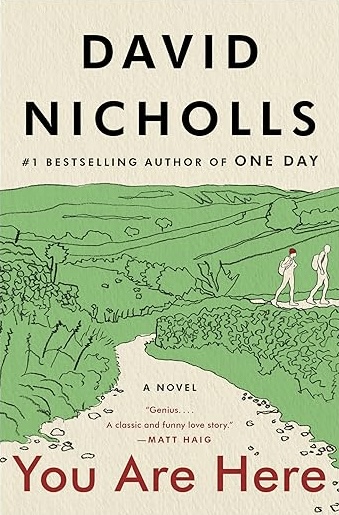
You are Here by David Nicholls
Us, by Mr. Nicholls was a favorite novel — completely unexpected – subtle, bittersweet, and unflinchingly honest. So When You are Here came up my library wish list…I grabbed it.
Geography teacher, Michael, had been planning a solo walking trip across northern England — an epic ten-day trek, all alone.
But when his fellow teacher, Cleo, turns it into a group event, he reluctantly agrees to lead the walking trip – yes, you read that right – across England. Michael is just separated from his wife and recovering from being mugged –and Cleo thought he could use some company.
She invites several other people including Marnie, a divorced copy editor who works from home and really doesn’t want to do any of this — she’d rather stay home with her manuscripts and predictable schedule. Marnie has no long distance walking experience, but in a fit of enthusiasm purchases all new equipment, boots, and walking clothes.
We follow this group as they walk each day and spend nights at various inns and pubs. Soon the weather turns foul, and one by one the others drop out and go home. We are left with just Michael and Marnie who are both not easy to be around and used to finding solace in their own isolated lives. Walking together through rain and wind — and neither of them can think of anything worse. Until, of course, they discover exactly what they’ve been looking for.
Now, now don’t leave me — this isn’t a sappy romance. It’s witty, clever, fun with lots of sarcasm and humor threaded in and the characters are truly authentic. The landscape and setting are beautifully described and, fair warning, Michael, being a geography teacher, does like to explain the landscape maybe a little too fully.
As the pair make their way through the hills and valleys, we discover Marnie is practically agoraphobic, so for her to be on this walk, is amazing.
—a book was something she could pull around and over herself, like a quilt.
While Michael, who didn’t want to be divorced, is having a hard time adjusting to his solitude and an empty house
Not an introvert, just an extrovert who had lost the knack.
Marnie and Michael felt like real people and people I wanted to spend time with. I could feel myself right there with them, tending blisters, getting drenched, cussing and lashing out, but also getting into deep conversations that never arise in their normal lives. We see how each stands in the way of a shared happy ending. Mr. Nicholls uses the walking as a device to deconstruct and then reconstruct the characters. They open up to each other and discover that maybe they don’t need to be alone.
You are Here is a distinctly British novel, it plunges the reader into the English countryside, the ancient walking paths, the damp pubs and, most of all, the fortitude of these British walkers who are accomplishing more than just a very long walk across England. I found this to be a beautiful novel, sensitive, witty, and with a kind and gentle viewpoint towards us endlessly messy and clueless humans.
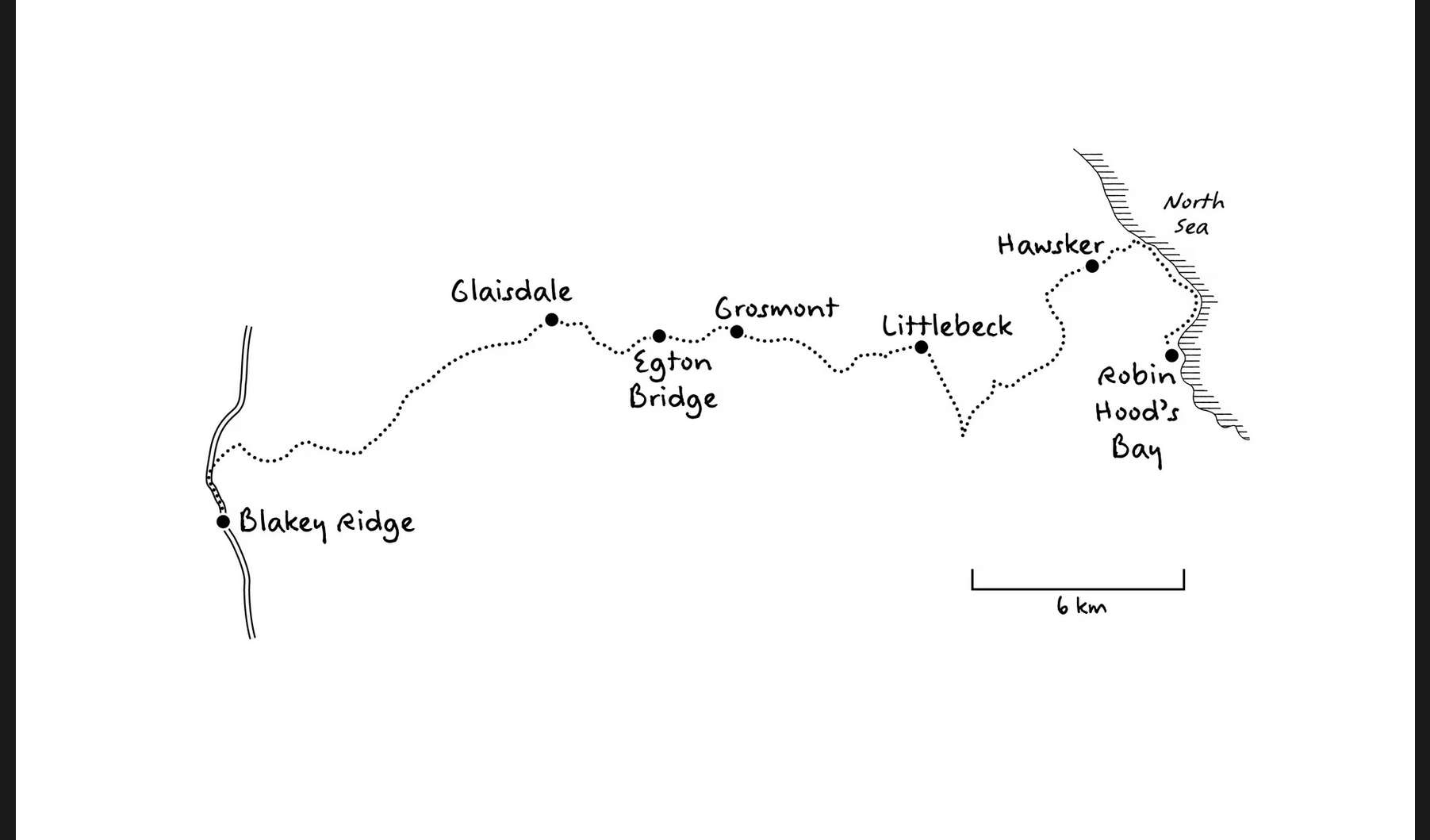
N.B. A great bonus in any book –maps of their journey.
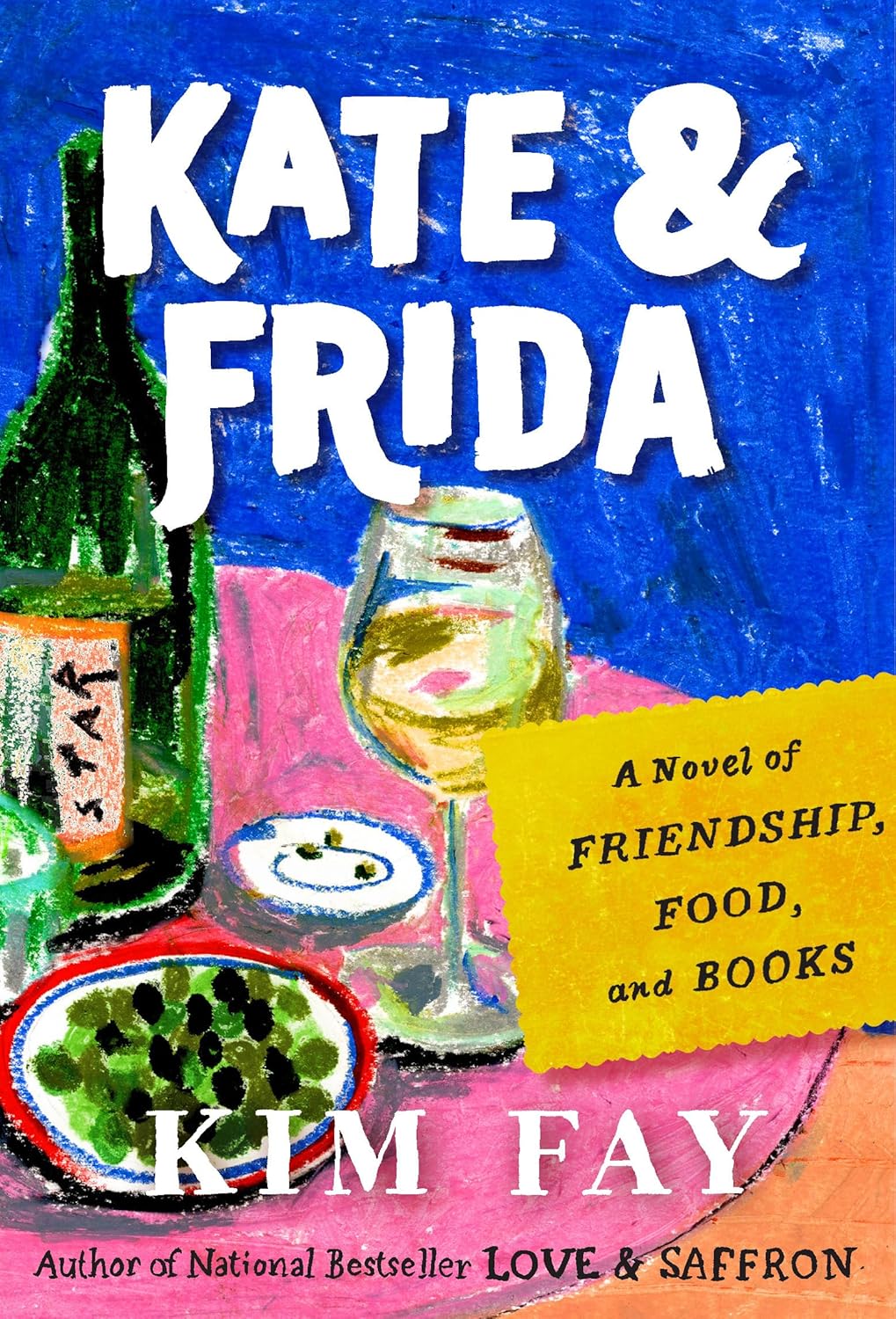
When the publisher offered me an early reader’s copy of Kate & Frida, I jumped at the chance to read another book by Kim Fay. I totally enjoyed her previous epistolary novel, Love & Saffron.
This second epistolary novel begins with an inquiry from Paris to a bookshop in Seattle in the 90s. Twenty-something Frida Rodriguez is living in Paris, relishing the city’s cuisine and seeking her future as a war correspondent. She writes to a bookshop in Seattle (thinly disguised as the wonderful Elliot Bay Books where the author once worked) to inquire about a book, but receives more than just her requested book. She gets a nice letter from Kate who works at the bookstore and an aspiring author.
They begin to correspond and tell each other about their lives and things happening around them. Kate tells Frieda she seems to be experiencing terrible panic attacks. Frida tells Kate she desperately wants to become a war correspondent, but fears she won’t be good at it.
Kate is falling in love with a coworker who is a serious writer, continues to struggle with panic attacks, all while her dearly loved grandfather begins to have issues. Meanwhile Frida gets an assignment in Bosnia, where she sees and experiences the horrible atrocities firsthand, especially the destruction and civilian casualties – and is haunted by the impact on one little girl.
Frida writes up her experiences and sends them to Kate to see if they are any good. This part of the novel is the hardest to read and also to put down. Most memorable are the scenes where, even within the chaos of war, the citizens find joy in everyday life and food.
Kate and Frida give each other advice; they let each other vent. Through the most tumultuous years of their young lives—personally and globally—they sustain each other as they learn the necessity of embracing joy, especially through our darkest hours.
There are delicious descriptions of food and food writing, including one of my favorite authors — Laurie Colwin and M.F.K. Fisher’s writings – both worth looking up at your local library or bookstore.
I very much enjoyed Kate and Frida set in the 90’s, the last years before the internet changed everything. Their struggles and their growing friendship propel the story, which moves along at a nice pace. True confession, it could must be my age, but the characters seemed very immature, and it lacked the wisdom and insights of the more mature voices from Love & Saffron.
I realized when I finished this novel, I had experienced the power and comfort of a true friendship which expanded the horizons of two young women– gave them confidence and helped them find solace, love, and, most importantly, themselves.
N.B. The author’s notes are a must read…as it gives background on the author’s own exposure with the Bosnian war, her love of food writing, and being a young bookseller.
I wrote this novel from my heart to my younger self. The self I was in my early twenties in the early 1990’s, working at the Elliott Bay Book Company in Seattle, living on my own for the very first time in a little brick-walled loft apartment, devouring books I’s never heard of before — discovering the world.
An advanced reading copy was kindly provided by Penguin Group/Putnam via Netgalley.
Dear Book Barmy Blog, I’ve been neglecting you and a very poor blogger these days. It’s not that I haven’t been reading – I have, but I just haven’t gotten around to updating my reads here. My apologies, you are one of my favorite things, and I pledge to do better.
A good friend recommended this British novel, saying she really enjoyed it and it was a nice escape from everything going on now. She knows me pretty well, so I quickly requested it from the library (only available as a printed book which was a nice break from my Kindle reading — ahhh, printed books.)
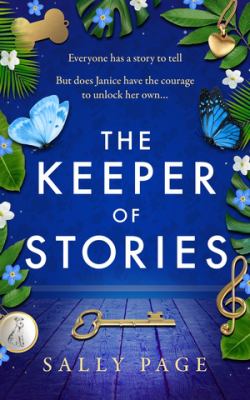
The novel introduces Janice, who is an exceptional cleaner, and also a collector of stories which she gathers wherever she goes, riding the bus, going to the laundromat, and especially the people she works for. In the gathering of these stories, Janice has developed a unique insight into the community around her.
She can’t recall what started her collection. Maybe it was in a fragment of conversation overheard as she cleaned a sink? Before long (as she dusted a sitting room or defrosted a fridge) she noticed people were telling her their stories. Perhaps they always had done, but now it is different, now the stories are reaching out to her and she gathers them to her…
The novel then moves to her group of clients, and what a wonderful group of characters. There’s Geordie, an opera singer, grieving Fiona and her son Adam, Mrs. YeahYeahYeah, and her husband Mr. NoNoNotNow whose off-putting qualities are redeemed by their smart-ass fox terrier Dacius. Janice delights in taking Dacius on long walks – one of her only escapes – Dacius is a character in his own right, with snarky opinions and a very foul mouth – yes, a dog who cusses.
Through Mr NoNoNotNow (otherwise known as Tiberius, I kid you not) Janice starts cleaning for his 90- year-old mother, Mrs. B, a shrewd and tricky woman. who happens to quite simply marvelous. While Janice cleans for Mrs B – – Mrs. B relates an ongoing story of a character named ‘Becky’, telling the story in bits and pieces each visit (the story is a clear adaptation of Vanity Fair). Mrs. B is no fool and knows there is more to Janice than meets the eye. What is she hiding? After all, doesn’t everyone have a story to tell? But Janice is clear: she is the keeper of stories, she doesn’t have a story to tell. At least, not one she can share — yet.
Janice is suffering from a no-good husband who flits from job to job, and finally admitted to using all their savings on a cleaning product pyramid scheme. This is final excuse Janice needs to pack up and leave him.
She wants to ask if he’s having an affair but doesn’t know how to say it without sounding hopeful.
Once Janice finally leaves her husband, Geordie lets her live in his house while he’s away and Mrs. B finally gets her to open up, which results in Janice having a major breakdown – which was powerfully written and had me holding my breath. Mrs. B comforts her with soup, a bed for the night, and more stories of Becky. There’s a sweet romance for Janice and I found myself rooting for her happy ending.
I did quite of bit of note taking, here are some of my favorite quotes:
‘Those people, the quiet people, seem to have more important things to say.’
‘She wonders if the story of life is a tragic comedy or a comic tragedy.’
From Mrs. B when putting her affairs in order – ‘should I fall from my perch’.
The Keeper of Stories was a slow burn, and sometimes the stories dragged a bit, especially Mrs. B’s tales of Becky, but in the end, this was just the life-affirming, hopeful fiction I needed. It restored my faith in human nature even with all its flaws and inconsistencies. (Thanks for the recommendation NS.)
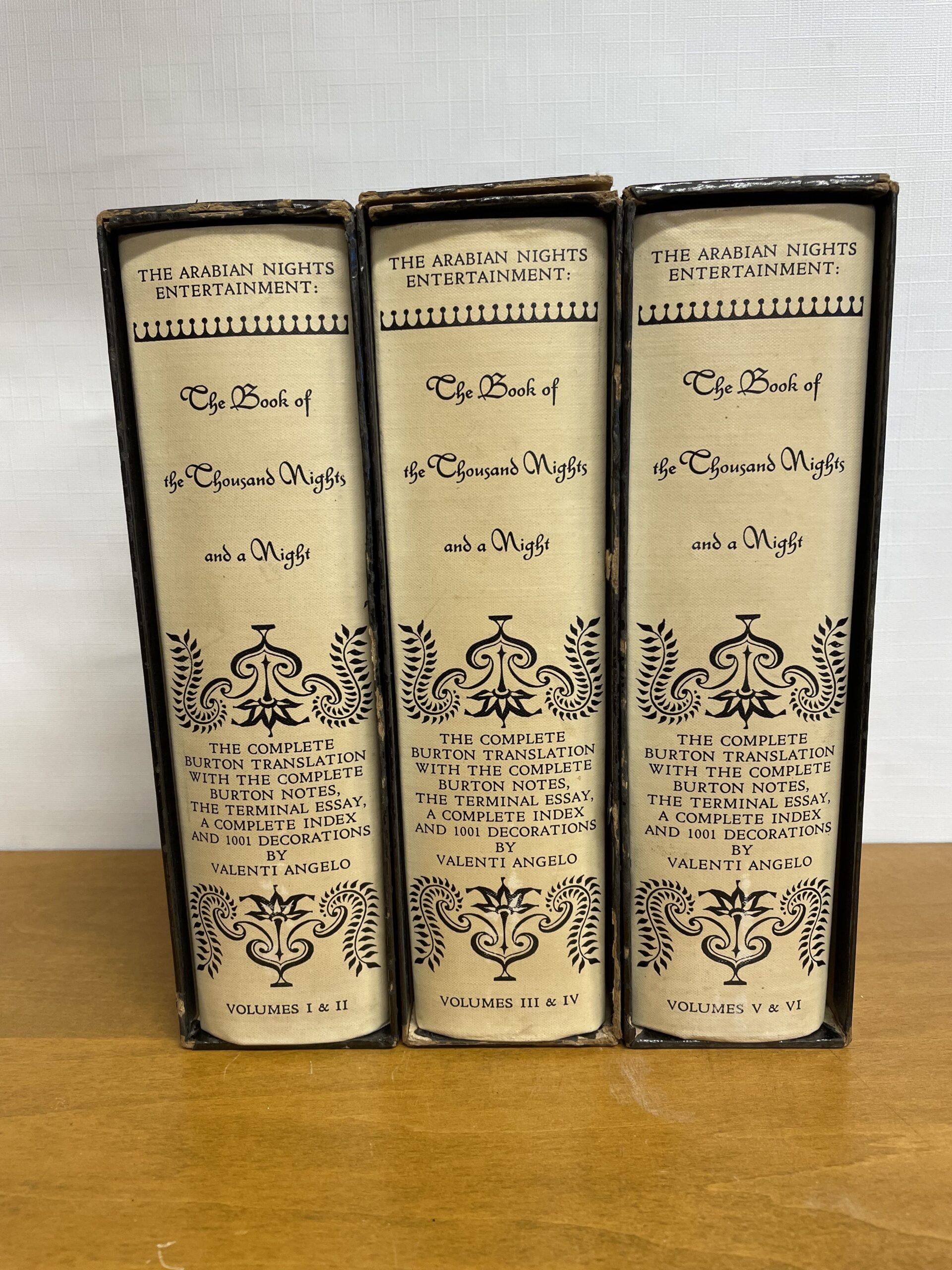
N.B. Upon finishing this book, I decided that I finally need to read Vanity Fair, and there are references to the ultimate story within a story — Arabian Nights.
I read bits and bobs of my grandfather’s editions as a teen. I have his set and cracked one open the other night, and was easily taken in by the clever Scheherazade who, as a new bride to the vengeful King Shahryar, tells him captivating tales each night, leaving them unfinished to delay her execution. I will definitely will be dipping into this again.
I am reading, or rather trying to read, three different books and none of them have grabbed me as yet. And so I flip around from tome to tome hoping to settle into a groove, but so far, nothing. I am not alarmed, this happens sometimes and I know my reading will turn a corner.
In the meantime, a friend and Book Barmy follower asked me about Barbara Kingsolver and had I read her latest, award-winning novel, Demon Copperhead? Alas, I had to reply no, but explained Ms. Kingsolver is is one of my favorite authors. This intrepid reader asked, then why no reviews of her books on your blog?
Say what? I scrolled and searched this blog top to bottom and, she was right, nothing about Ms. Kingsolver anywhere! It’s time to correct this oversight right now.
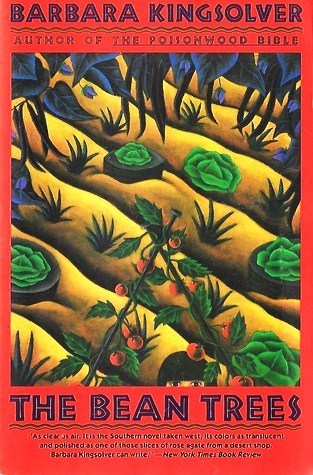
The Bean Trees
This is Ms. Kingsolver’s debut novel which I read when first published way back in 1988, but its story is still clear in my mind. The Bean Trees tells the story of an improbable heroine named Marietta Greer. Marietta grew up being raised by a single mother in a small town in Kentucky. After high school and working in the town’s small hospital for 5 years, Marietta decides to take a road trip with an eye to settling somewhere else. Along the way, she stops at a diner for dinner. Coming out to her car afterwards, she finds a native American baby wrapped up in a blanket placed on her car seat. The baby’s aunt talks tearfully with her, begging Marietta to take the baby. The baby’s mother is dead and the father seems threatening. Under these circumstances, Marietta reluctantly accepts the baby and drives away. She names the child Turtle and gives herself a new name as well (Taylor). Together they travel to the outskirts of Tucson, where her car breaks down and they find themselves at an auto repair shop called Jesus Is Lord Used Tires which also happens to be a sanctuary for Central American refugees.
Here Taylor meets a pair pair of elderly ladies who watch over the children and another older woman who rescues Guatemalan refugees. She becomes part of this family of new friends and establishes a sense of home in this new location. It turns out, given her past abuse, Turtle needs all the love and support they can give her.
This is a impactful story of how a nurturing environment lets a child flourish. And at its heart, The Bean Trees is a most memorable novel about love and friendship, abandonment and belonging, and the discovery of surprising connections and heart in apparently empty places.
Pigs in Heaven
The sequel to The Bean Trees continues the story of Turtle and her adoptive mother Taylor. It opens with them living together in Tucson along with Taylor’s boyfriend. It’s a life that is not the most perfect of environments. They barely make ends meet, and although Taylor does her best, her income is limited. But she gives Turtle a great deal of love, and along with her boyfriend, they make up a family. Turtle seems happy, and after years of being mute, she’s learned to talk, and all seems to be going well.
Unfortunately, Cherokee attorney Annawake Fourkiller accidentally discovers the existence of 6-year-old Turtle, and learns that Taylor had illegally adopted Turtle outside the Cherokee nation. Annawake wants to rectify this problem, because she making the case that Turtle needs to be raised by the Cherokee. Taylor, wants to protect her child.
Turtle and Taylor flee their home and the boyfriend in Tucson, and are on the run. They live from motel room to motel room, eating what they can afford. It gets to a point where Taylor does not know what to do next, in fear that she and Turtle will be discovered and eventually Turtle will be taken away from her. Yet, she wonders if what she is doing to Turtle is the right thing to do. When Alice Greer, Taylor’s mother, gets involved, the story takes a surprising turn, and soon Turtle’s biological family gets involved as well. I was glued to the book, wanting to know whether Taylor gets to keep Turtle, or is told to hand over the child to the Cherokee Nation. Pigs in Heaven gives us a fictionalized glimpse into the past and present realities of Native American people
Prodigal Summer
This is perhaps my favorite of Ms. Kingsolver’s novels. I happened to read it at a difficult time in my life, it captured my complete attention and I struggled to put it down for those pesky things that interrupt reading like working, eating, sleeping.
Prodigal Summer tells the story of three sets of characters living in the Appalachians in Virginia. Ms. Kingsolver gives these stories environmental themes starting with “Predators” which follows Deanna, a Forest Preserve ranger who lives alone in a small cabin high up Zebulon Mountain. She unexpectedly begins a romance with a roaming coyote poacher, although Deanna is working to protect a hidden den of coyotes. Next is “Moth Love” about newly married Lusa and her adjustment to life on her husband’s family farm and the unruly family that comes along with it. Finally there is “Old Chestnuts” which focuses on Garnett and Nannie, two elder folks who have lived next door to each other their whole lives. Their cantankerous relationship eventually arrives at mutual understanding and a unique sense of harmony.
The characters vividly jump off the page, and their stories and voices griped this reader all the way through. There are clear themes running through the book reflecting Ms. Kingsolver’s in depth knowledge of biology, farming, and evolution. The danger of man destroying earth’s creatures because of a domino effect, an exposition on crop insecticides and the devastating results.
Now I’ve just gone and made this book sound boring — but trust me, Prodigal Summer is anything but — it’s quietly gripping and life affirming. I loved the pure joy that shines through the pages. The contagious adoration, for nature — from top predators to insects, to extinct trees and blossoming weeds
A stellar story, a love-song to nature and life. I came away liking coyotes and grieving the American chestnut.
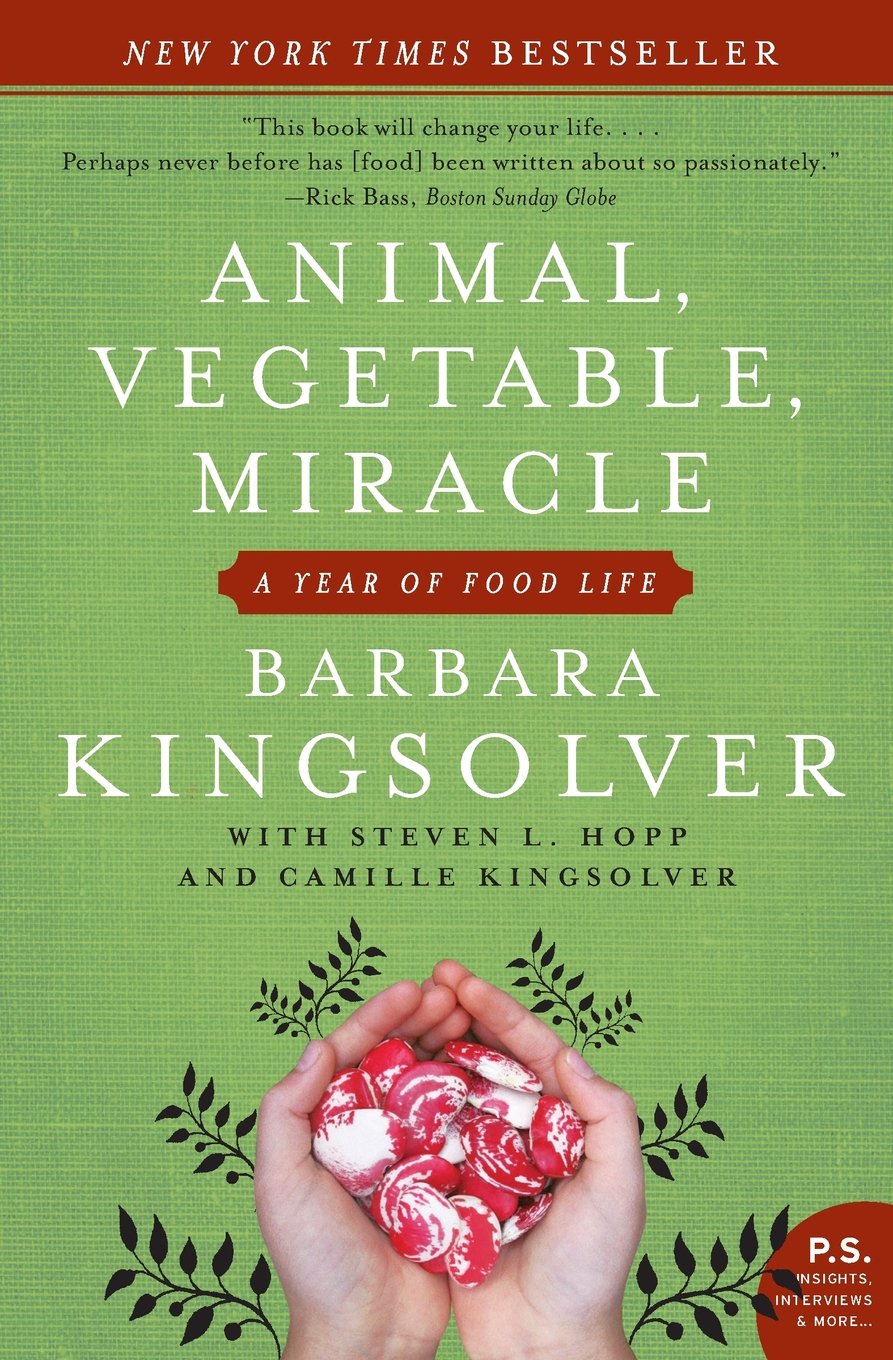
Animal, Vegetable, Miracle
This is a memoir which covers a year in which Ms. Kingsolver and her family spent eating only food they had either grown themselves or purchased from local farmers personally known to them. The author’s skill as a storyteller shines through, and there are some wonderful sections as she relates their adventures plotting how to foist some of their bumper zucchini harvest off on unsuspecting neighbors and how they helped their new turkeys re-learn the lost art of natural copulation.
I learned quite a bit about food and gardening, such as the biological secrets of root vegetables. Her chapter on asparagus helped me understand why the tough, road-hardened variety found in stores is only a pale shadow of an just-picked organically grown stalk. Her description of the succulent morels (almost) made me want to take up mushroom hunting (a high risk venture I fear) and I was greatly impressed on how this mild-mannered novelist “harvests” her chickens at home.
On the down side, Ms. Kingsolver’s memoir is laced with a rather heavy dose of preaching. The first part of this book is particularly thick with commentary on the evils of our current food system. She points out again (and again!) how much better food can taste when it hasn’t been subject to the rigors of corporate food production. More than once, I found myself slogging through sections that left me feeling guilty about some of the food in my kitchen…but, as I kept reading I was inspired to adopt some of her suggestions. Her sweet-potato quesadilla is a regular recipe on our menu and I still have to try her dried-tomato pesto.
Despite the meandering and Ms. Kingsolver’s need to argue every counter-point, I came away impressed and inspired by her strongest narrative: how a renewed connection to food transformed her family and their relationship with the community. By purchasing your neighbors food, you can help with the fossil fuel problem and keep their farm in business. Small yet significant gestures such as buying milk or eggs from the same family in your area keeps them in business and is a huge step in the right direction.
(As I write this we have just returned from out local farmer’s market with some lovely strawberries).
Flight Behavior
Thirteen years ago, this novel tackled climate change – before it became the current crisis we hear about every day. Dellarobia Turnbow a young Appalachian woman, is a restless farm wife who gave up her own plans when she accidentally became pregnant at seventeen. Now, after a decade on a failing farm, she has settled for permanent disappointment but seeks momentary escape through an obsessive flirtation with a younger man. As she hikes up a mountain road behind her house to a secret tryst, she encounters a shocking sight: a silent, forested valley filled with what looks like a lake of fire. She sees it as a sign from God that she should return to the farm and resurrect her marriage.
Actually, what Dellarobia witnessed was a swarm of Monarch butterflies, which normally winter in Mexico, but moved to her small town because of environmental changes. A lepidopterist (don’t you love that word?) comes to study them, and teaches Dellarobia about these butterflies and how the whole population of Monarchs could be in danger of extinction. This highlights her boredom with her husband and her desire for something bigger.
The book is partly a treatise on the dire consequences of climate change, and uses the fictional Feathertown, Appalachian people, as a counterpoint – those who tend to reject scientific explanations for changes in nature, regarding them as God’s will.
Flight Behavior didn’t have a strong plot in the usual sense, but the characters were interesting and the dangers of climate change were boldly drawn. It’s not my favorite of Ms. Kingsolver’s books, but it’s well-written and worth reading.
One of the things I most admire about Ms. Kingsolver is how unique her books are from one another. She creates unforgettable, deeply drawn characters in compelling situations, all while delving into varying, and important, cultural and environmental themes. I always come away smarter and impressed — no — wowed by her writing.
I just took a break, because I remembered I had another of Ms. Kingsolver’s novels on my shelf – unread. Maybe this is the book I will finally settle upon.
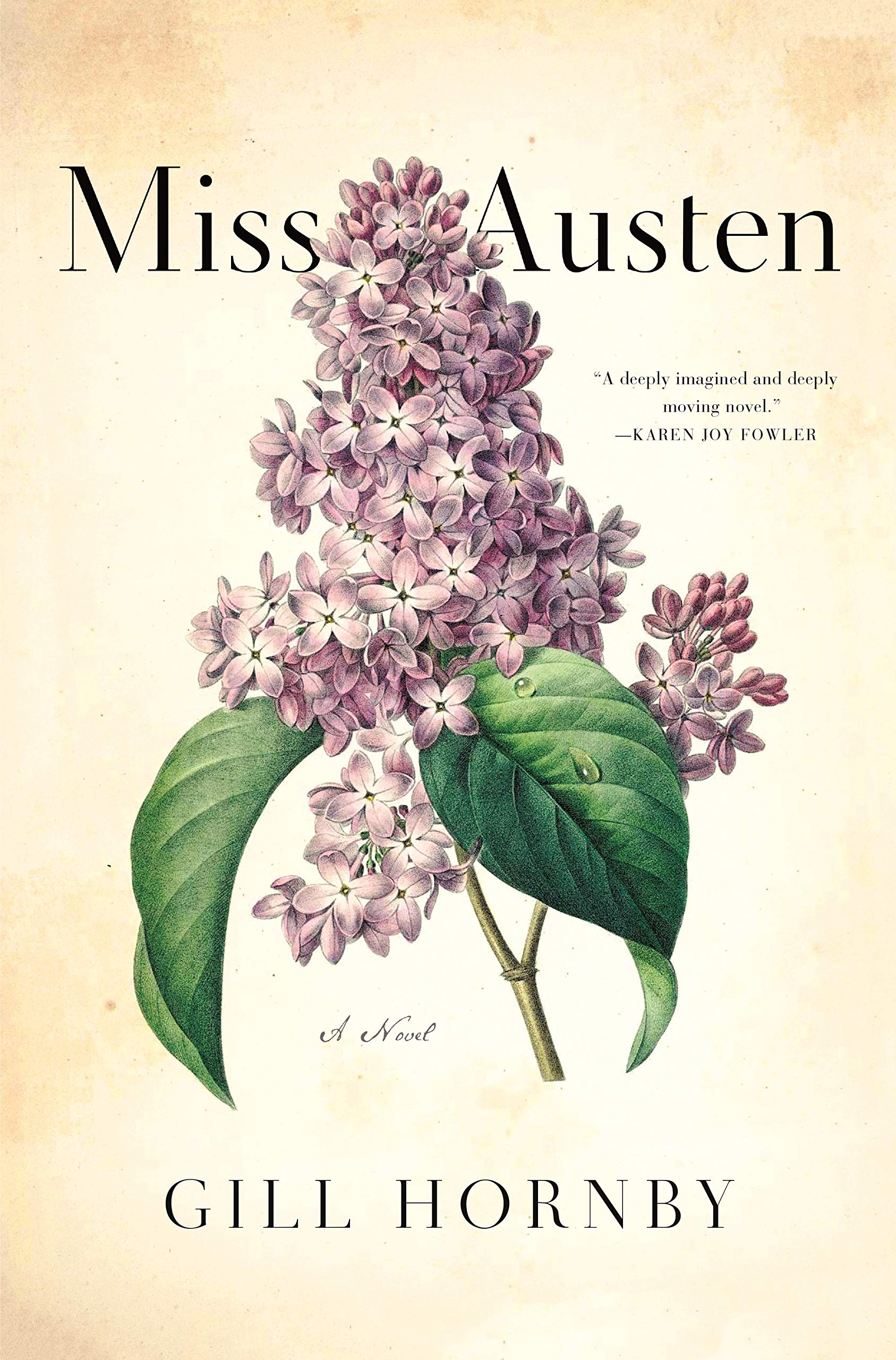
Set your recorders – the Miss Austen series starts on PBS Masterpiece Sunday night.
If you remember, I really got involved in the lovely book. Miss Austen is the untold story of the most important person in Jane’s life — her sister Cassandra and is interwoven with Jane’s brilliantly re-imagined lost letters. You may read more about the book and the storyline HERE.
This PBS adaptation looks very promising – HERE is the trailer.
I have this, by the same author, waiting for me on my shelves. This one is based on a real-life person, Anne Sharp, governess to Jane Austen’s niece from 1804 to 1806, and a close friend to Jane. The details come from a diary kept by the Fanny, Jane’s favorite niece. Should be a fascinating window on the Austen family.
So now you know where I will be Sunday evening with cup of tea in hand — Masterpiece on PBS.
We all may need to start donating to our local PBS stations — based on today’s announcement.
A donation I will happily make, despite the reason.
Full disclosure, I’m in an enticing reading relationship with this French author.
I recently finished another of his — The Reader’s Room, and I enjoyed it so much I immediately checked this one out from the library.
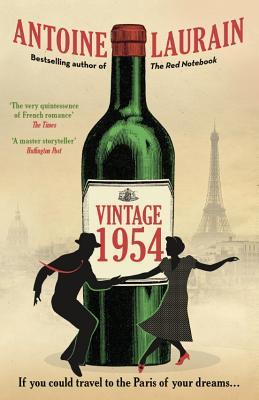
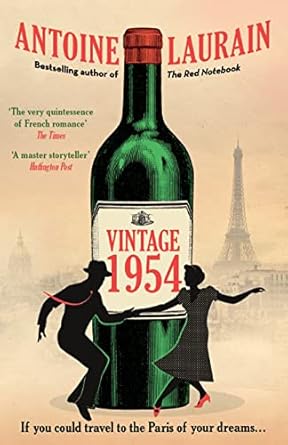
It’s 2017 and Hubert Larnaudie invites some of his neighbors in his apartment in Paris to share a bottle of 1954 Beaujolais. To his great astonishment, he and three others—porcelain restorer Magalie, bartender Julien, and American visitor Bob—awake the next morning in 1954 Paris.
The four encounter all the fascinations of old Paris—bistros on every corner, fruit and vegetable carts, lampposts, unfiltered cigarettes, and lots of celebrities—and it’s a delightful adventure for them all as they explore the city and their favorite places back in time.
Hubert seeks out his grandfather and learns that his story was rather different to the one told by the family, and he learns something that could be very useful in 2017.
Julien goes to the the famous Harry’s bar where he works in present day 2017 and meets the founder – Harry MacElhone. He then proceeds to impress him and his customers by creating a wonderful new cocktail.
Magalie goes to the haberdashery where she clandestinely buys some thread from the grandmother who had brought her up and who she misses terribly.
Bob explores Paris as he had always intended to do on his holiday, and he is the only one able to exchange money using his American dollars to buy the Francs used in 1954.
They all go and enjoy a visit to the original Les Halles, where handcarts with provisions were the order of the day. Les Halles would be razed to the ground just 14 years later.
It was lovely to move through the city with them, and to spot many notable figures who were in Paris in 1954. I won’t name them all — Salvador Dali Edith Piaf to name a couple — but I must share one other encounter:
Still thinking out how his new cocktail would turn out, Julien paid little attention to the couple who had come in and sat down at the bar. They were discussing the dress the woman would have to wear for the preview of a film in New York. Her elegant companion smiles, ‘Just two more fittings, Audrey, I promise.’
‘I’m counting on you, Hubert. This film is important to me and it’s also important to do justice to your creations,’ replied the young girl in delightfully accented French.
Julien turned to look, and froze. The young girl with the short hair and dark eyes smiled at him and asked, ‘What is that pretty purple drink?’
It turns out that the time-traveling bottle of wine was from a vineyard where, in 1954 a UFO sighting was reported, and the wine had been bottled that summer.
Julien went on. “When the flying saucer flew over, it changed the Saint-Antoine wine and since then whoever drinks it will go back to 1954. It’s been proven by an eminent scientist.”
After meeting this scientist who researched a connection between UFO sightings and time travel, they decided to go back to the vineyard to be there at the exact time of the sighting. While waiting they fish for their dinner in the river that flows through the quiet vineyard (using the thread Magalie had purchased from her grandmother) there is this passage:
The bucolic scene seemed far removed from the city and the world and they all felt as though they had found the essence of life: humans were not meant to sit in an office chair answering emails, or checking their bank accounts on a screen, or reading about world events on their phones. Humans had lived for millennia in nature experiencing its beauty, taming it to take from it the resources needed for survival, as other species did. Building shelter, hunting, fishing, and sewing, they had taken their place in the spherical ecosystem spinning in nothingness that we call Earth. At some point, it had all become rather complicated.
I know, Vintage 1954 requires a large suspension of disbelief, and yes, it’s far-fetched, but M. Laurain creates such fun characters and is such a gifted storyteller, that I hope you’ll forget what you believe and go along for the ride.
(And truly readers, aren’t we already having to suspend belief every day with the news out of Washington?)
I won’t give away the ending, which falls just a bit short. While Vintage 1954 is not perfect, it’s a delightful confection, and just so much darn fun!
My affair with M. Laurain continues with my next read of his, The Red Notebook.
Big shout out and my admiration for the translator, Jane Aitken, her work is seamless — one never feels as if they are reading a translated novel.
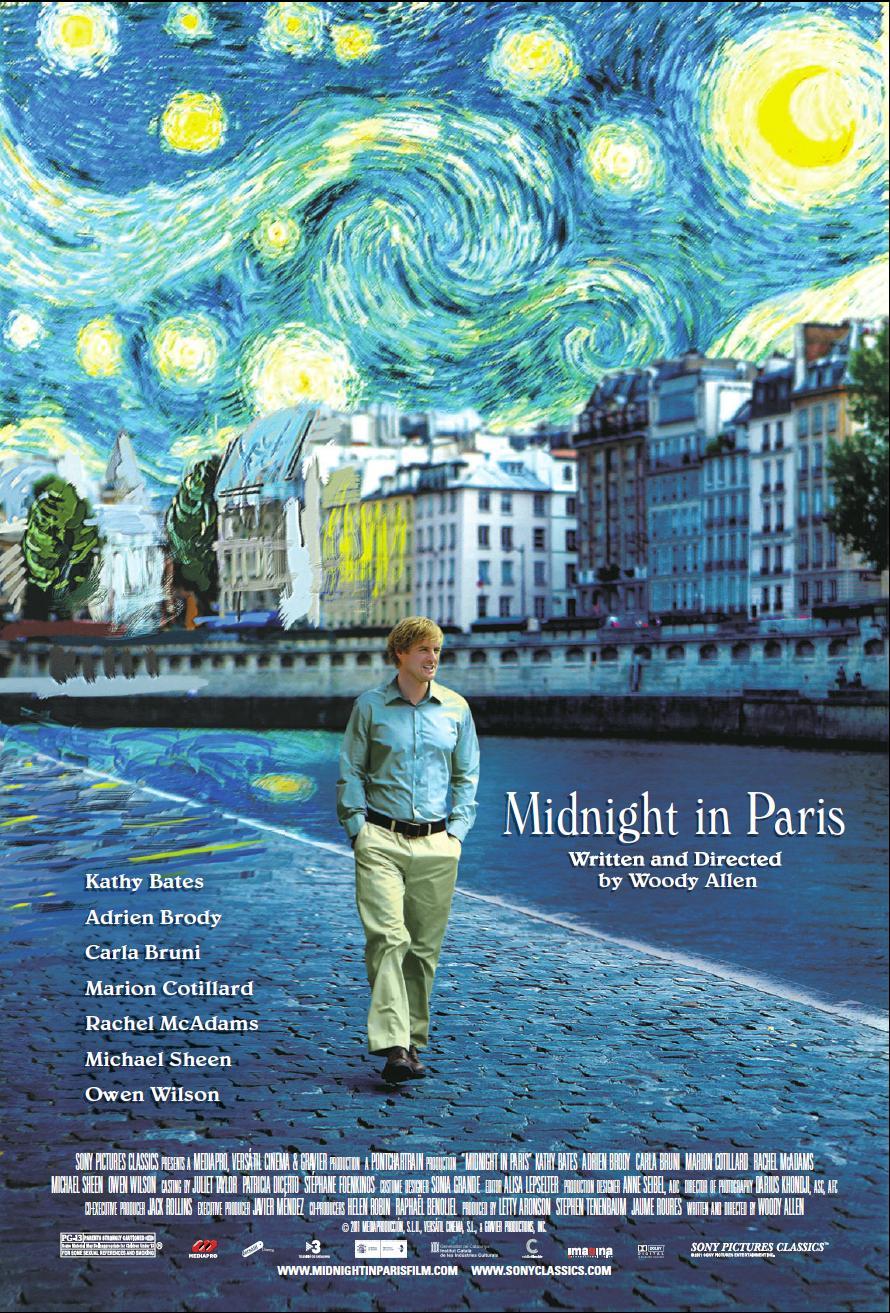
Vintage 1954 reminded me of one of my favorite films – Midnight In Paris. Suggested viewing with a glass of normal wine.
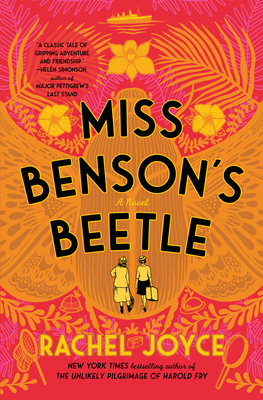
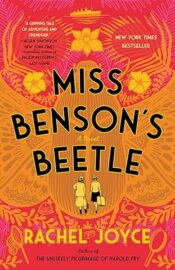
What a fun read! It starts with this opening line “When Margery was ten, she fell in love with a beetle”.
Marjorie Benson is a large middle-aged spinster — proper, reserved, self-conscious, and both physically and socially awkward. The story begins with Marjorie trying to teach her class of unruly, disruptive girls. They pass around a drawing which makes fun of her appearance. Humiliated, she walks out of the school, but only after stealing a pair of boots.
She decides to fulfill her lifetime dream of finding and proving the existence of a rumored golden beetle in the jungles of the remote New Caledonia Island and to present her discovery to the Natural History Museum. Out of necessity, Margery advertises for an assistant to accompany her to this faraway island. The first two applicants were found unsuitable. A third woman was hired but later backed out.
This left Enid Pretty, dressed in a tight pink suit, wearing pom-pom sandals, and with hair dyed a bright yellow — she also seems quite unsuitable. However, Enid is enthusiastic about the expedition and pleads to be Marjorie’s assistant. She doesn’t even have a passport and knows nothing about beetles, but time is short so Marjorie reluctantly agrees that Enid accompany her on this journey of exploration.
Together these two British women find themselves drawn into a wild and crazy cross-ocean adventure that defies all expectations. Their unlikely friendship builds over time — one step at a time, and is a marvelous tale of the transformative power of friendship.
There are some glorious descriptions of the journey and especially of New Caledonia — you feel like you are hacking through undergrowth with these women as they blaze a trial in search of the elusive golden beetle.
She smelled the sweet air, she heard the orchestra of birds and insects, and far away the ocean; she saw the red flowers like two hands in prayer, the vast kauri trees.
This is not only a wonderful adventure story, it’s also a journey of self-discovery and the freedom of women to rediscover themselves at various seasons of life. Marge and Enid’s friendship allows them to love the best parts of themselves.
The truest friendships are those that allow us to step out of the confines of what we once were, and to realize instead what we might be.
Miss Benson’s Beetle has every ingredient I seek in a novel – adventure, humor, suspense, tension, and moments of beauty – all with wonderful characters experiencing a life changing and exciting new journeys.
An advanced reading copy was kindly provided by The Dial Press via Netgalley.
Ms. Joyce has also written one my favorite books – The Music Shop – also highly recommended.
Mr. Laurain is a French author who wrote The President’s Hat which I enjoyed very much. Turns out The Reader’s Room is just as clever and fun.
This short novel tells a big story. With a tragic past, Violaine, has transformed herself into a senior literary agent at a Paris publishing house. Her career is full — finding new literary talent, feting existing authors, and attending glamorous cocktail parties.
On her way back from a visit to a U.S. author (Stephen King, no less) her plane crashes. When she awakes from being in a coma after the crash, things begin getting strange.
She has lost much of her memory, she sees and can hold conversations with Marcel Proust, and one of her debut crime novels “Sugar Flowers” is up for France’s highest literary prize, but the author can’t be found. Even more concerning, people are getting murdered directly copying this crime novel and the police are investigating.
As Violaine’s memory starts to return, she discovers she has some very strange secrets including an uncomfortable link to the book. Is there a connection between Violaine, the author, and the crimes?
This short mystery book is just 176 pages and is beautifully translated so the sly humor and acerbic French wit are not lost. Mr. Laurain brings his characters alive with just a few elegant lines and tells their stories in just a few pages — concise with not a word wasted
I enjoyed this well crafted novel and its literary mystery — and hey, wouldn’t it be lovely to converse with Marcel Proust?
An advanced readers copy was kindly provided (a few years ago) by Gallic Books Ltd.
And look at this – I just checked out another of his novels from the library…already enjoying it. A group go wine tasting and get transported back to 1954 Paris – should be really fun.
I think I must be the only bibliophile on the planet who didn’t care for this novel centered around a bookseller and his bookstore in Cape Cod.
A. J. Fikry, the bookseller, has lost his wife, drinks to excess, and is falling apart. The plot introduces two characters — a publisher’s rep who challenges his state of affairs and then an abandoned child, who A. J. Fikry, takes in and eventually adopts – so contrived, I shook my head.
The story then ventures into romantic melodrama and the writing seemed aimed to a young adult reader. By the time I turned the last page, I needed a walk to clear my head from the cutesy schmaltz, and that’s when I dropped my copy off at a little free library for someone else to try.
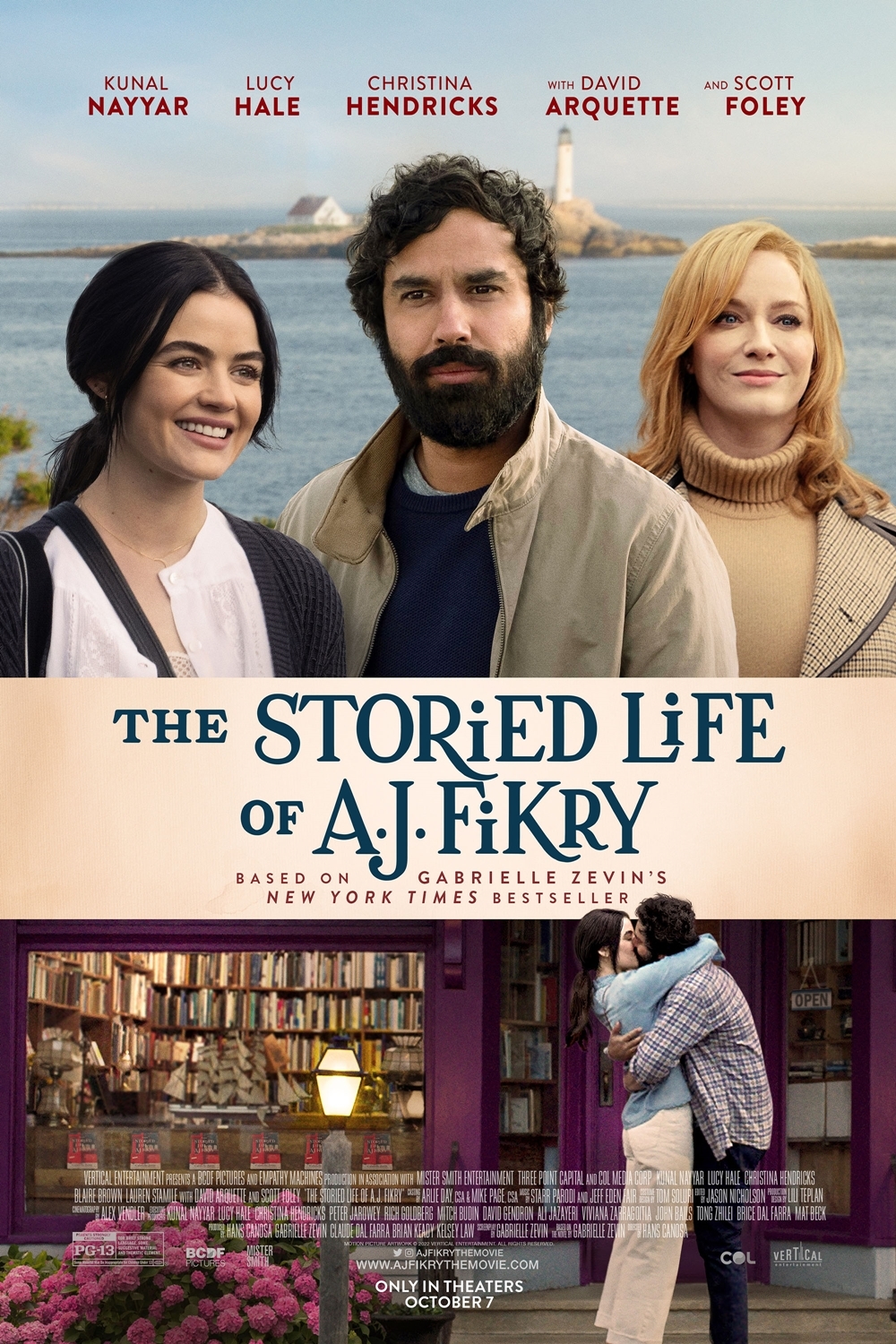
I never bothered you all with a thumbs down review of The Storied Life of A. J. Fikry but now there’s a Netflix film adaption on Netflix — so I think attention must be paid and a warning must be issued.
The other night I decided maybe, just maybe, the film will be an improvement on the book, and so settled in to give it a try.
All I can say is I will never get back that hour and three-quarters of my life I wasted watching the film (not forgetting the hours spent reading the book) – it was terrible. The bookshop was digitally rendered, the characters were so one-dimensional, they could have been artificially created, and the dialog was even worse than the book.
So fair warning – spend your time elsewhere. So many better books and films out there.
Luckily, I’m reading these two books (yes, I often read two books at once).
They are very different, but both excellent so far.