Two Books by Ann Patchett

As you know, Ann Patchett is one of my favorite authors, as evidenced HERE and HERE. So of course, I read her most recent essay collection, These Precious Days. I’ve grown to enjoy reading essays, especially when written by an author I admire.

From the very first essay, I was highlighting passages — how Ann feels most vulnerable when carrying her fictional characters around in her head as she is writing her novels.

And, her essays written during the pandemic had me nodding in agreement.

Most of the writers and artists I know were made for sheltering in place. The world asks us to engage, and for the most part we can, but given the choice, we’d rather stay home.

Ann Patchett and her fathers

Another essay that will stay with me for a long time was written about her three fathers — her biological father and her two stepfathers. She expounds on their three very different personalities and relationships with her. The way she describes the group photo she orchestrated with the three of them made me smile, and her antidotes about each of them left me sad, but nonetheless, feeling good.

Ms. Patchett writes about writing, her books, and how she’s obsessed with making sure her book covers are exactly the way she envisions them. (More on that in the review below.)

But most poignantly, she writes about two important friendships — with lifelong friend Talia, and her new friend Sooki.  Her friendship with Sooki — the topic of the title essay — was especially moving. Ms. Patchett tells of reading an advance copy of Tom Hanks’ book Uncommon Type, and how she loved it and wrote a review for the publication. Then she was invited to interview Tom Hanks, himself. That’s where she met Sooki Tom’s assistant— and the two became close email friends. And then, Sooki was diagnosed with pancreatic cancer. 

Ann sprung into action because she could. Her husband, Karl, a doctor, connected Sooki with a clinical trial, and she moved in with Ann and Karl during her treatments. Near strangers, but not strangers at all. It’s always remarkable to me how two souls find one another and connect. 

For as many times as the horrible thing happens, a thousand times in every day the horrible thing passes us by.

And then this quote I read and re-read shaking my head at Ms. Patchett’s insight…

The trouble with good fortune is that we tend to equate it with personal goodness, so that if things are going well for us and less well for others, it’s assumed they must have done something to have brought that misfortune on themselves while we must have worked harder to avoid it. We speak of ourselves as being blessed, but what can that mean except that others are not blessed […] It is our responsibility to care for one another, to create fairness in the face of unfairness and find equality where none may have existed in the past.

If there is a theme to These Precious Days — it’s all about hope and finding a way through the darkest times — and doing so with ferocity, understanding, openness, and love.

Reading this book made me feel like the world is not actually such a horrible place, because there are dear friends and good people everywhere – they just don’t make the headlines.
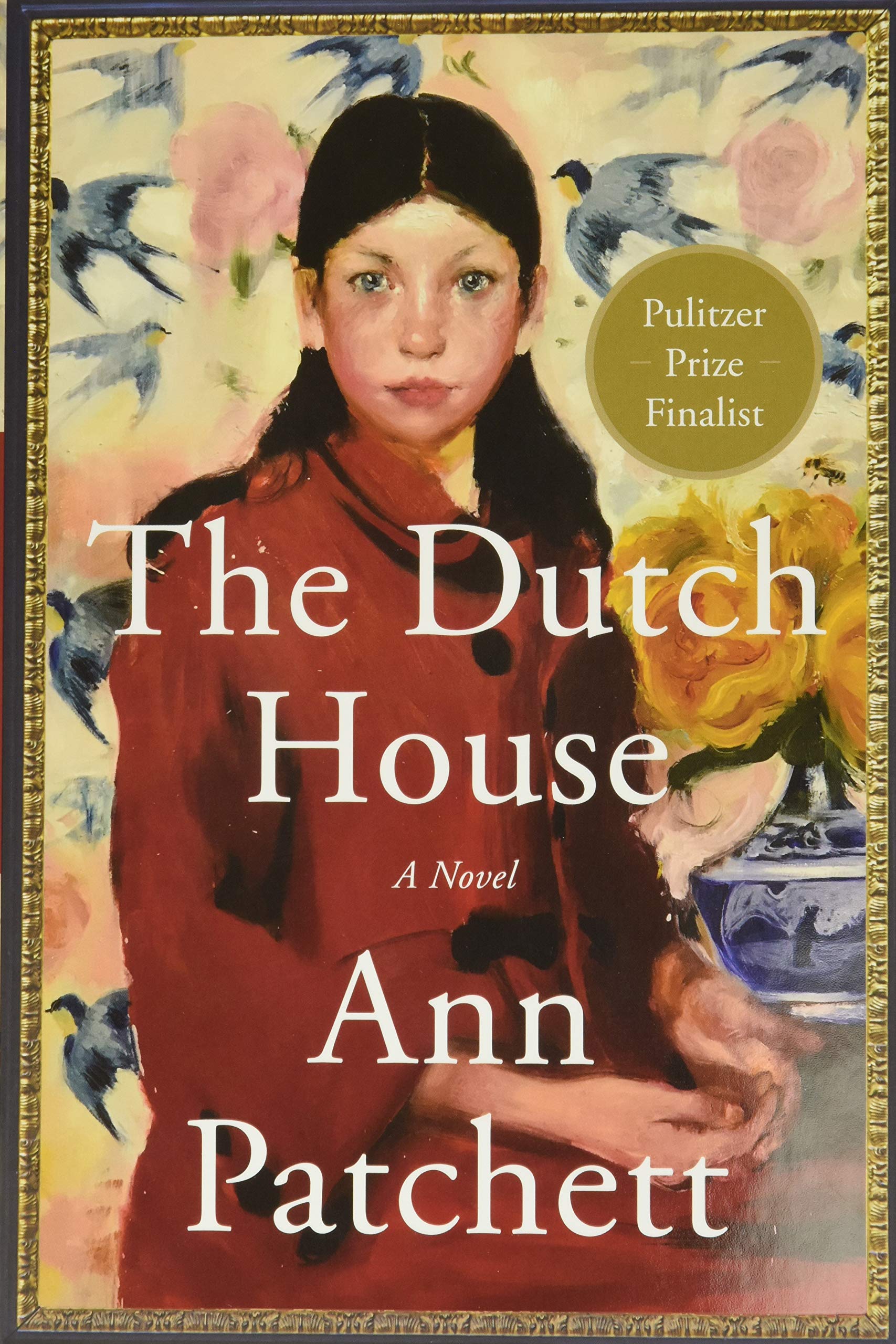
The next Ann Patchett I read was The Dutch House. The very kind publishers sent me a digital advance readers copy several months (whoops) several years ago, but I had forgotten about this book. That is, until I read about the author’s long journey to find and eventually create this cover art (in one of her essays reviewed above).

But first I’ll tell you about the plot.

The Dutch House is located just outside of Pennsylvania and is a grand home with lovely large windows, a stately facade, and, beautiful interiors. Maeve and Danny Conroy live there with their father. We learn that the father very much wanted this house and quickly purchased it when the previous (Dutch) owners died. Their mother is no longer around (we learn why later on) and now they have the proverbial stepmother, who has her own two daughters. When their father dies, the house becomes part of a painful tug of war… Maeve and Danny are stripped of all their inheritance and thrown out their Dutch House. At this point, the family secrets start tumbling out.

This sudden life change means the brother and sister need each other even more. The book follows them through five decades. As they became adults, I grew more attached to them; and was invested in the choices they made and cringed (more than once) at their behavior.

This novel is as much a story of the house itself as it is of the people who inhabit it. The story line encompasses several generations of the Conroy family as they deal with issues that many of us face during our lifetimes – difficulty communicating within the family, sickness and health, economic concerns, step parenting, sibling relationships, and what it means to feel at home where you are and within yourself. And the sumptuous Dutch House is a fully developed character in its own right.

The dining room ceiling was painted a shade of blue both deep and intense, and was covered in intricate configurations of carved leaves that had been painted gold, or, more accurately, the leaves had been gilded. The gilt leaves were arranged in flourishes which were surrounded by circles of gilt leaves within squares of gilt leaves. The ceiling was more in keeping with Versailles than Eastern Pennsylvania, and when I was a child I found it mortifying. Maeve and my father and I made a point of keeping our eyes on our plates during dinner.

Ultimately, this is a story about how a brother and sister’s love for each other transcends circumstances that would cause others to break.

We had made a fetish out of our misfortune, fallen in love with it. I was sickened to realize we’d kept it going for so long.

The Dutch House is slow burn and the reader is never totally sure where the story is going. There is no dramatic or climatic ending. The writing is gorgeous, and I enjoyed the sense of place and the brother and sister’s characters were fully realized. But, truth be told, I thought this was not one of Ms. Patchett’s best works – there was too much wallowing — too much dysfunction.

N.B. The cover for The Dutch House was described in one the author’s essays in My Precious Days. The novel describes a portrait of Maeve which hangs in the Dutch House. For months, Ms. Patchett and her publishers searched find the right art work — without success. So Ms. Patchett sent the manuscript to an artist friend which resulted in this cover painting. All agreed instantly it was perfect and now the actual artwork now hangs in the author’s home.

Harper Perennial kindly provided a digital review copy via Edelweiss.


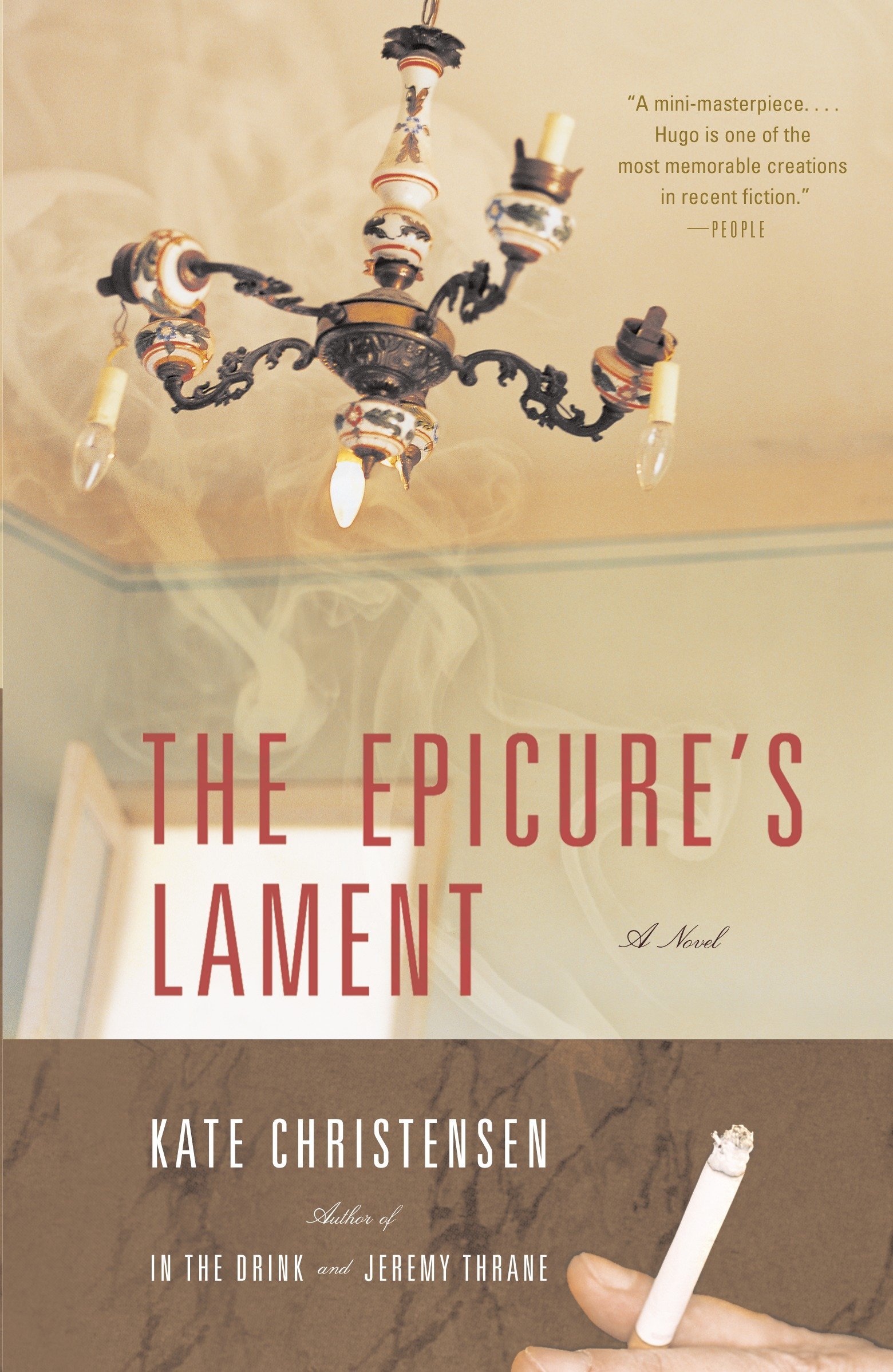
The Epicure’s Lament by Kate Christensen

So they tell me that blogs are over, a thing of the past and I should be using Instagram or videos on YouTube. Well, I’m old stubborn, so I will steadfastly stick with this blog.

However, in an attempt to breathe some new life into Book Barmy, I plan to have a series of guest bloggers. Today is the first in that series — a book review by my smart, well-read, and very funny friend Peter.

Peter and I worked together during the 90’s in high tech. We became good buddies and, as a result, didn’t dare sit next to each other in meetings–which would often result in sarcastic remarks (muttered under our breath) about the idiots around the table and futile attempts to not breakout in uncontrollable laughter.

Thankfully, we’re both now retired and often trade book recommendations. Recently we both started reading the same book – The Epicure’s Lament – Peter finished before me, I got stuck in the middle – so I asked Peter to write a review and he graciously agreed.

Here you go, without further ado, here is Peter.

There are books that start with great glee. Rollicking good fun. Laugh out loud funny. Then the wit wanes. Pages become heavier to turn.  Chortling dwindles. The Epicure’s Lament was such a book for me. 

Kate Christensen is a beautiful writer of elegant, sophisticated prose, and for that the novel has great merit.  Her description of characters and scenes do not tax the imagination. They are full and complete. You instantly know and understand these people and places. 

The main character, Hugo Whittier, is slowly dying of his own doing. He rambles around his family’s rambling Hudson River mansion in solitude until family members begin to encroach.

Fully aware that he is killing himself smoking, he is only interested in all things carnal on his way out. His disdain for anything human is astounding. The dark humor is entertaining for a hundred pages or so then becomes labored and repetitive. It seems like Christensen ran out of plot and reworks story lines again and again to squeeze out some mileage. She also diverts into historical and philosophical sidebars that, while interesting, don’t directly support the story line.

As the novel progresses, Hugo smokes his way to his diagnosed ruin while continually assaulting the people who want to love him. I kept thinking “Alright already, I get it.”  A miscreant and a rascal of the highest order, Hugo Whittier, charming as he may be, stumbles through the story looking forward to the end of it all. 

Unfortunately so does the reader. 

So, do you want to be a guest Book Barmy reviewer? Have you read a great (or not so great) book? Just let me know. I gladly welcome any and all inquiries.

A big thank you to Peter.

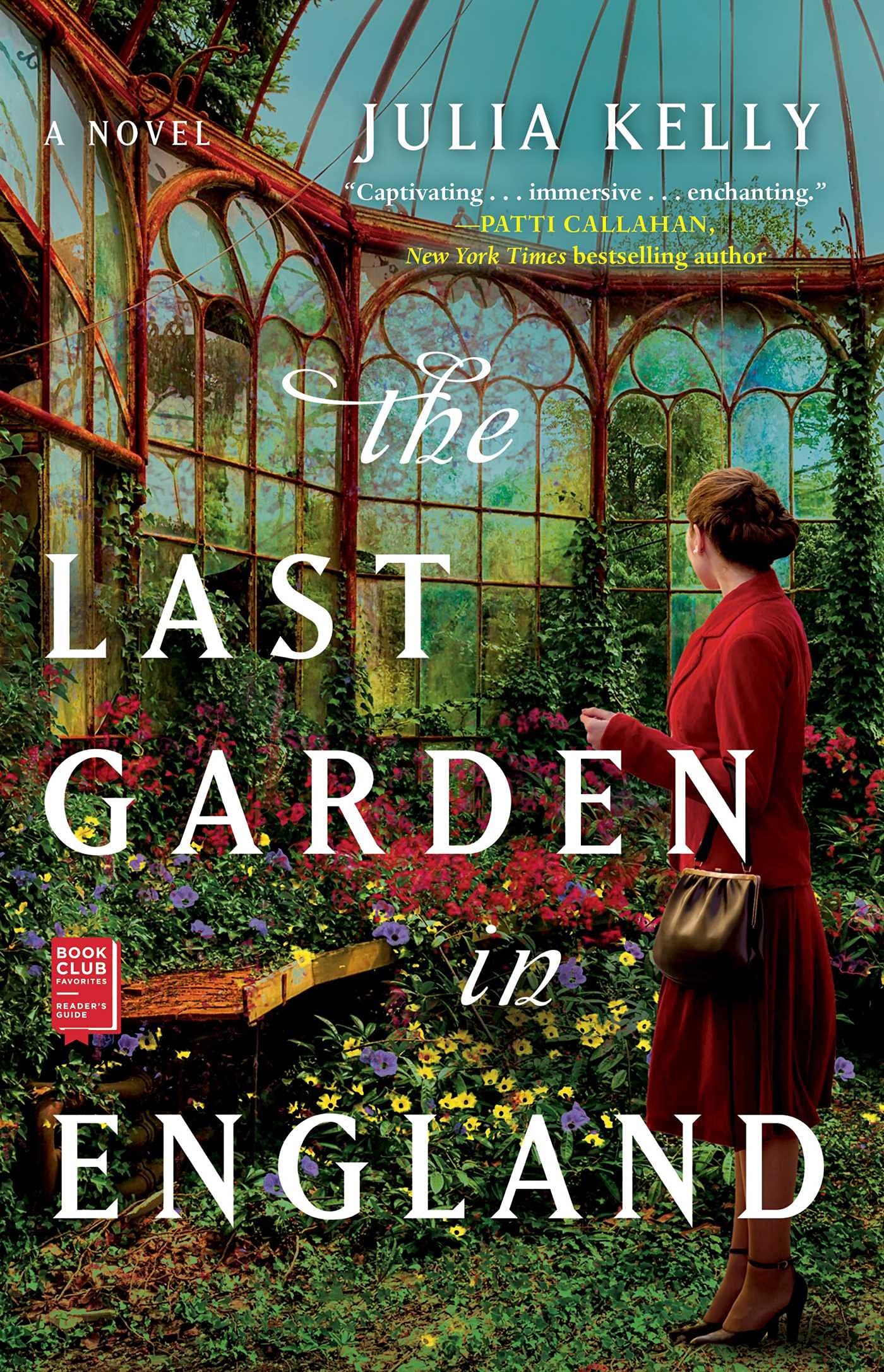
The Last Garden in England by Julia Kelly

Sometimes an un-read book follows you — nay, stalks you. This was the case with The Last Garden In England. The publisher kindly sent me a digital advanced reading copy back in 2020 and I dipped into a few pages and said to myself, ‘why, yes, this is a book I will enjoy”... but put it aside. Then a gardening friend raved about the same book (now published) and said she would give me her copy, I thanked her but said I had already had copy from the publisher. I sat down and read the first chapter, but got busy with the holidays, and abandoned it once again. Then the beautiful physical copy –(just gaze upon that cover) — arrived as a Christmas gift from my sister with a note saying — “this looks like a perfect book for you”.

“Uncle, uncle – I give up”, I said to this book that had been nipping at my heels and opened it with the vow to read it straight through. Which I finally did

The Last Garden in England is historical fiction centering around a garden at the fictional Highbury House estate.

It’s 1907 when Venetia Smith is commissioned to design the estate’s garden. Then during the war in 1944, Highbury House is converted to a convalescent hospital. And, in the present day, Emma Lovett is hired to breath new life into the now long-neglected gardens.

We follow five different women who are connected by the lure and love of this garden garden.

I can hear you now, five women set in set in three different time periods, that sounds complicated. Trust me — it’s not, Ms. Kelly does a fine job in keeping all the characters and time lines not only clear, but compelling.

The gardens come to life and are resurrected through these women and we see how these gardens influenced and connected their lives in very different yet similar ways. The three different time periods each had their own distinctive restrictions and freedoms for each of the women.

I’ll tell you a bit more about the characters and the time periods just to get you hooked.

In 1907, Venetia Smith has made a name for herself as a garden designer to the affluent showing off their wealth with sumptuous country houses. When she is hired to design the gardens of Highbury House, she is determined to make them a triumph, but the gardens, and the people she meets do more – they change her life forever.

During WWII, in 1944, land girl Beth Pedley arrives to work on a farm on the outskirts of the village and she hopes this is a place she can settle. Stella Adderton, on the other hand, is desperate to leave her position as the estate cook to pursue other dreams. And perhaps my favorite character is the widow Diana Symonds, the mistress of the Highbury House who is anxiously trying to cling to her pre-war life even though her home has been transformed into a convalescent hospital for wounded soldiers. But as war threatens the treasured gardens, these three very different women are drawn together by circumstances and secrets.

And in the present day, Emma Lovett, is a landscape designer who specializes in bringing long-neglected gardens back to life. Emma has just been given the opportunity to restore the gardens of the famed Highbury House estate, designed back in 1907 by her hero Venetia Smith. But as Emma dives deeper into the gardens’ past, she begins to uncover long hidden secrets.

Yes, The Last Garden in England is centered on a garden, but this not just any garden. This is an remarkable garden with separate garden rooms — there’s a tea garden, a children’s garden, then a bride’s garden, and my favorite the winter garden. Ms. Kelly gives highly accurate descriptions of the garden itself and the plants within. There are lots of roses, some supposedly bred just for the garden. (I took note to see if any of them actually exist.)

If you go to the authors website HERE, you can see videos and read about the gardens that influenced the writing of the book. Venetia is based on the famous garden designer Gertrude Jekyll. Ms. Kelly even created a map of her imagined Highbury Estate garden.

I admit The Last Garden in England was indeed the perfect book for me. A grand English house, an engaging story, characters I cared about and all tied together with a believable connection through the decades. Ms. Kelly’s rich descriptions of the garden really enriched the story which made this a very appealing read.

I only regret it took me so long to read it, but now just having finished it I realize this was the perfect time with spring arriving and my garden crying for attention.

If you’re like me, and want to be delightfully transported to a country estate garden, I highly recommend this wonderful novel.

Be sure to read the Author’s Note at the end to learn about the people, historical facts and existing gardens that inspired author Julia Kelly.

A digital Advanced Readers Copy was provided by Gallery Books via Netgalley

Missing by Karin Alvtegen

Note: clever planter boxes at base.

I love to go explore the little free libraries in various neighborhoods in the city. This one was one of my latest explorations.

I seldom take home a book, and sometimes leave a paperback or two. But you know me, the inevitable happened and, yes, I found a book that intrigued me so much, it came home with me.

Missing is the U.S. debut of Karin Alvtegen, Sweden’s queen of crime writing and the winner of the Edgar award for best novel of the year. Later when I opened it, I found myself immediately immersed.

The opening scene gripped me and, as cliche as it might sound, the first chapter left me wanting more.

Born into a life of privilege, Sybilla has chosen to live her life homeless in Stockholm. With her thrift shop suit and heels, she often sits at a hotel bar and charms a visiting businessman into paying for her dinner and hotel room. One night she chooses the wrong man and when he’s found dead the next morning she is forced to flee. Now she must hide among the homeless of Stockholm, taking each day as it comes, with just a backpack for her possessions, and constantly on the move.

Of course Sybilla is the prime suspect and her situation only gets worse when more victims are found murdered in a similar manner. Ms. Alvtegen skillfully develops the character of Sybilla by interspersing scenes from her childhood alongside her current life on the run.

Scandinavian mysteries have become popular here in the US, since the Girl with the Dragon Tattoo. I’m not a fan of the stark writing and bleak atmosphere. But Missing spun fast-paced plot, so I keep turning the pages. And I found the somewhat different perspective intriguing, with the story told by Sybilla the hunted suspect and an innocent one at that.

I found myself invested in the Sybilla’s survival on the street and hiding from the police. With dramatic twists and turns, I was unable to figure out the real killer, and why Sybilla left her privileged life, until the last 6 pages.

Ms. Alvtegen also adds in the background of Sybillas long-lost child. Trust me, all three story lines eventually intertwine into completion. Moreover, the motive for the murders was an interesting surprise and the resolution of the mystery made sense and was satisfying.

Missing was an absorbing and suspenseful story which I found somewhat reminiscent of Ruth Rendell’s writing. It was an interesting insight into Swedish society. A mystery, yes, but it’s also a commentary on those who are forced to live on the streets by unforeseen circumstances or by choice.

I have placed Missing back into another free little library, so someone else will get to enjoy this culturally different page-turner that kept me reading until the last page.

Broken Harbor by Tana French

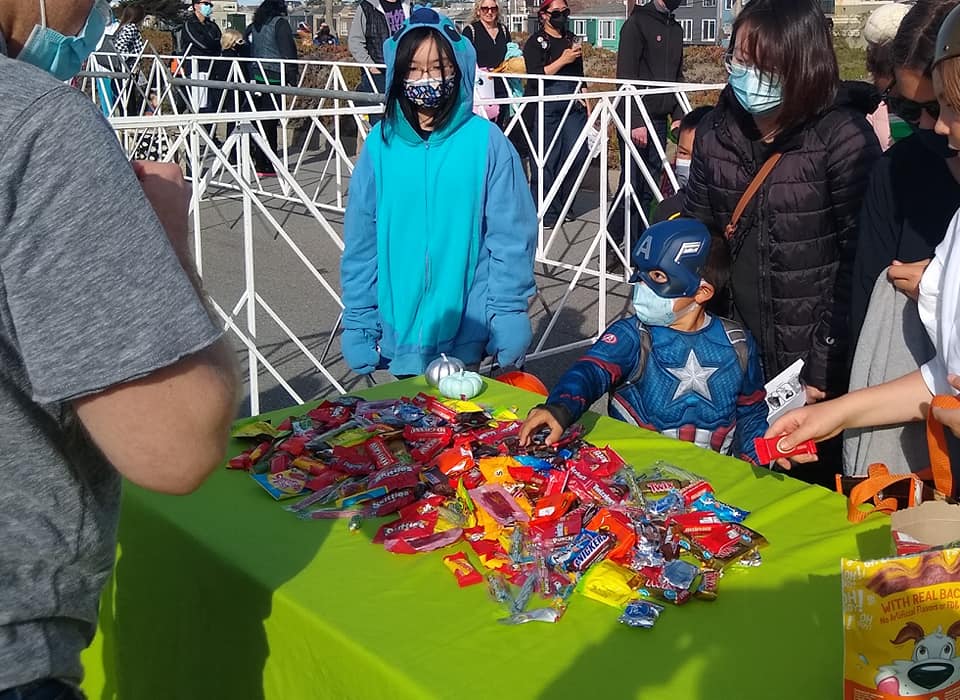
Halloween night at our house. As with every year, we anxiously await trick or treaters, but over the years they have dwindled. And this year, none — even our favorite 5 (no I’m-almost-6!) year old didn’t get to stop by.

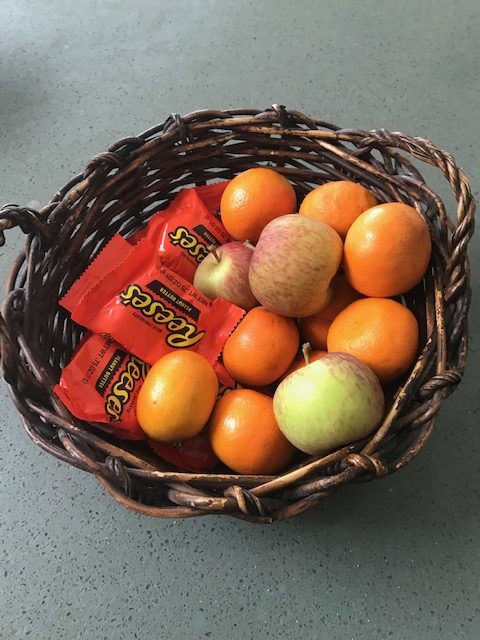
Our basket sat untouched by the front door .

Where was everyone? Down on the beach where the city closed the highway to traffic.

Safe and fun for all involved. No crossing streets, no cars. Tables set up by volunteers, parents, and local groups to serve treats (lots of treats) for the revelers. There were costume parades, pumpkin carving, and a photographer to capture it all. It’s the new, safer, and arguably better Halloween for everyone.

Full disclosure, we were loath to venture into the fray of sugar-frenzied kids and exhausted parents. So, I gathered these photos from our local Facebook page as evidence. (Click each to make larger – the family portrait is especially stunning.)

As night fell, we closed our curtains knowing our neighborhood little ones had a wonderful time. So what to do on a silent doorbell Halloween night? Settle in with a cup of tea and finish my book – and perhaps a Reeses (see lonely basket above).

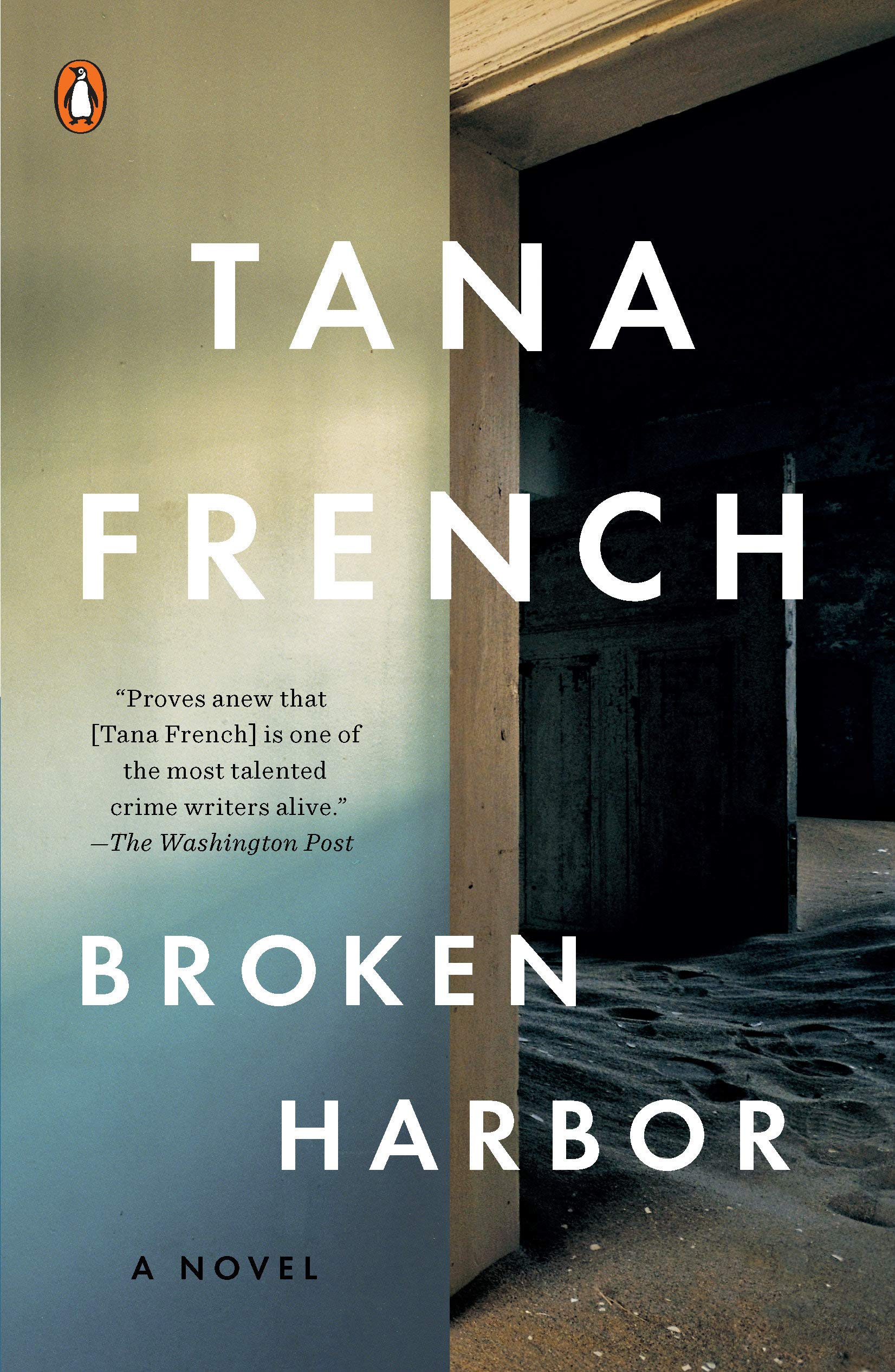
Broken Harbor by Tana French

I’m a big fan of Tana French and am reading her Dublin Murder Squad series in order — I inhaled the first three and started Broken Harbor as my October, Halloween-ish read.

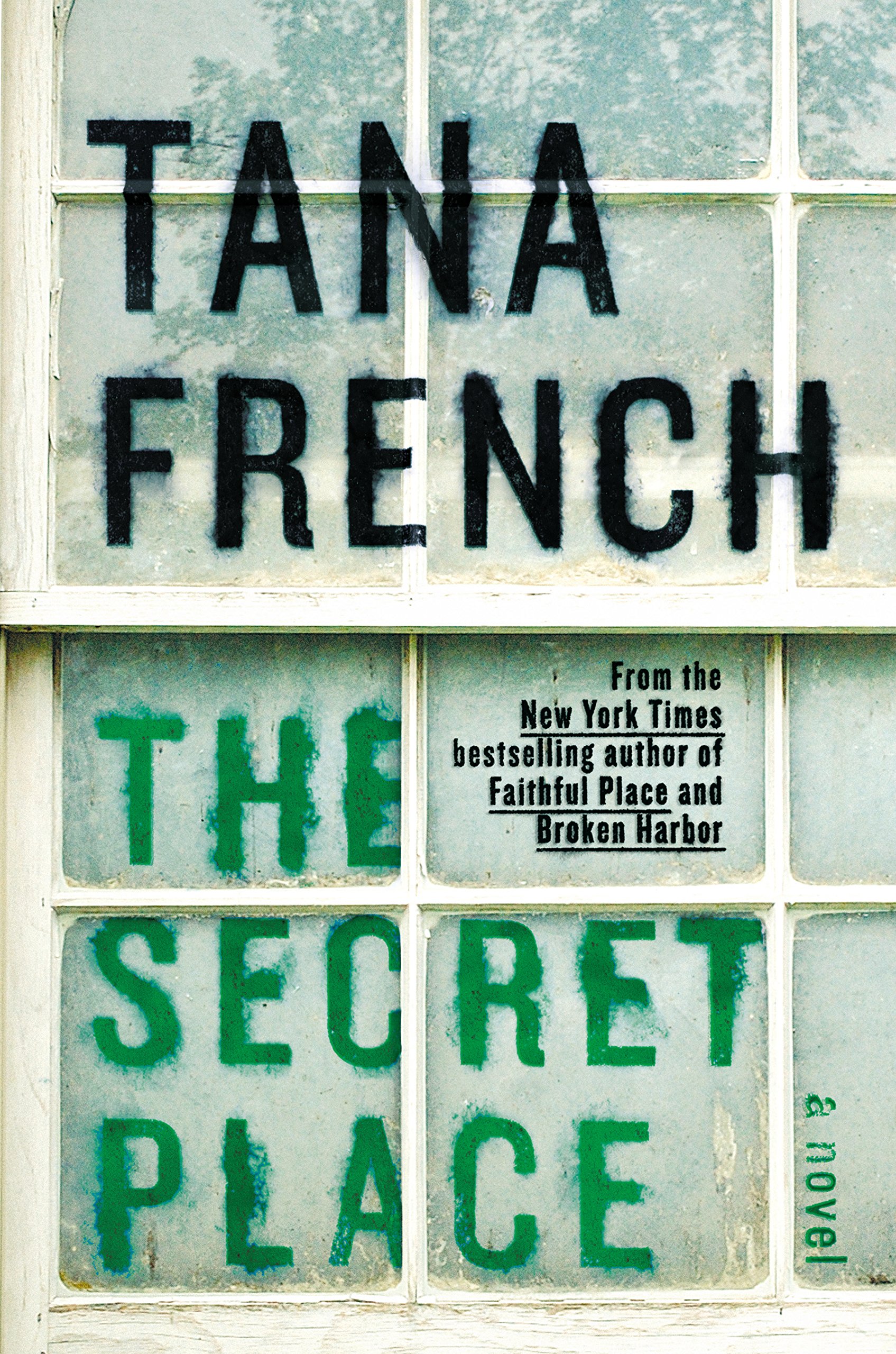
French is notorious for her debut novel, In The Woods (2007) which violated one of the key rules of the murder mystery genre (I won’t tell!). Her other books, The Likeness (2008) and Faithful Place (2010), have also distinguished themselves for their realistic (read gruesome) crime scenes, detailed, nuanced characters, and a loosely linked cast of detective protagonists.

Each of Ms. French’s installments take the point of view of a different member of the detective team. Broken Harbor is the fourth and there are two more in what is now commonly referred to as the Dublin Murder Squad series.

Broken Harbor tells a case from Mick “Scorcherˮ Kennedy’s view point. Kennedy is the big man of the Dublin Murder Squad. He plays strictly by the books and has a relentless work ethic. Thatʼs how one of biggest cases of the year ends up in his hands. A horrific case; a report that an entire family of four — mother, father, daughter and son – have been found dead in Broken Harbor.

Broken Harbor is a half-abandoned, so-called, luxury housing development on the coast near Dublin. The developers fled during the economic crash, leaving behind empty and abandoned homes. A few families are hanging on, despite the crumbling foundations and shoddy workmanship. The Spain family, are now dead in what they had hoped would be their forever home.

Of course all is not what it seems. The first surprise is that the mother is still alive, but badly beaten and clinging to life with multiple stab wounds. The second wrinkle is that Kennedy is given a new rookie partner to work with, Richie Curran, who has managed to pull himself out of lower class squalor by his bootstraps to a hard-fought position on the Dublin Murder Squad. The third complicating factor is that Broken Harbor used to be known by the less lyrical name of Brianstown and is also the place where Kennedy’s own mentally imbalanced mother committed suicide by walking into the sea with his now-mentally ill youngest sister Dina.

How’s that for a plot set up? I found it hard to like Kennedy when he first appeared in Faithful Place, but here Ms. French gives him a complexity that I found compelling.

I’m the least fanciful guy around, but on nights when I wonder whether there was any point to my day, I think about this: the first thing we ever did, when we started turning into humans, was draw a line across the cave door and say: Wild stays out. What I do is what the first men did. They built walls to keep back the sea. They fought the wolves for the hearth fire.

Kennedy presses hard to solve this case pressuring his young rookie to exhaustion. But the interplay between them is engaging, as the older, more experienced detective guides the younger one down a path that may, or may not, be right one.

Although not really a character, the Broken Harbor housing development plays a major role. The economic crash that brought down so many dreams sets a haunting scene. The half-built development where many of the houses lie vacant or are inhabited by squatters, abandoned bulldozers and torn plastic-covered windows flapping in the breeze — the whole thing reads desolation and shattered hopes. The reader can feel the isolation and the hopelessness left behind. It’s easy to identify with a generation that played by the rules, did what they were supposed to do, only to find that they had been sold a bill of goods and that were now trapped.

Kennedy tells it like this:

In every way there is, murder is chaos. Our job is simple, when you get down to it: we stand against that, for order. I remember this country back when I was growing up. We went to church, we ate family suppers around the table, and it would never even have crossed a kid’s mind to tell an adult to fuck off. There was plenty of bad there, I don’t forget that, but we all knew exactly where we stood and we didn’t break the rules lightly. If that sounds like small stuff to you, if it sounds boring or old-fashioned or uncool, think about this: people smiled at strangers, people said hello to neighbors, people left their doors unlocked and helped old women with their shopping bags, and the murder rate was scraping zero. Sometime since then, we started turning feral. Wild got into the air like a virus, and it’s spreading. Watch the packs of kids roaming inner-city estates, mindless and brakeless as baboons, looking for something or someone to wreck. Watch the businessmen shoving past pregnant women for a seat on the train, using their 4x4s to force smaller cars out of their way, purple-faced and outraged when the world dares to contradict them. Watch the teenagers throw screaming stamping tantrums when, for once, they can’t have it the second they want it. Everything that stops us being animals is eroding, washing away like sand, going and gone. The final step into feral is murder.

There are to things to reveal to you about this novel. Kennedy’s sister who is suffering from mental health issues is left to either stay with Kennedy or their older sister and often escaping unsupervised into the streets of Dublin. Why is there no mental healthcare offered to her? And — trigger warning, the murder of the two children is described in detail, not once, but several times.

One thing I’ve picked up from Ms. French’s books is that she is the queen of obfuscation — a connoisseur of finding the cracks in our so-called civilized lives and gleefully pointing them out. The reader has to come to grips with the fact that nothing ever works out – for anyone.

And as dark as that sounds, I found Broken Harbor rich with detail and complexity of motivation. A complex contradiction of madness and guilt, as well as loyalty and family relationships. The characters are real and flawed and beautiful. And the story is twisty, heartbreaking, and oh so human. The final confession was so well written that it made me choke-up and re-read it again.

And while this novel delivers a human villain, when all is said and done, it’s the recession of 2008 that is the ultimate offender and the reader sees how almost every character in the book was hurt as a result.

And, as with each of Ms. French’s series, I find myself highly invested in the future of the investigator almost more than the investigation itself — Broken Harbor is no different in that regard. I eagerly look forward to the next in line on my bookshelf.

An Ideal Reading Experience

Here’s something other book bloggers have started — describe your ideal reading experience — past, future, real, or imagined.

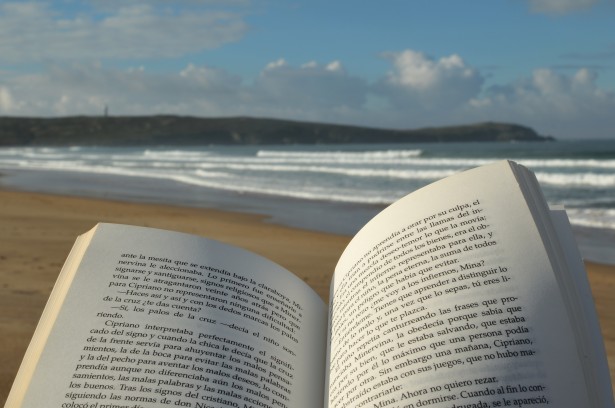
Mine was real and a long time ago — a friend loaned me her beach house, just north of the city, for a long weekend. (Delightfully, I went alone, as Husband was away on a business trip). My friend was an avid reader so I knew I didn’t need to bring any books, her shelves were abundant — full of beachy, vacation type reads.

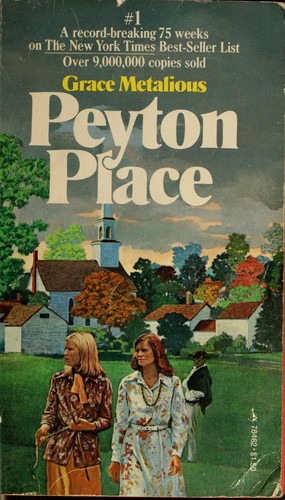
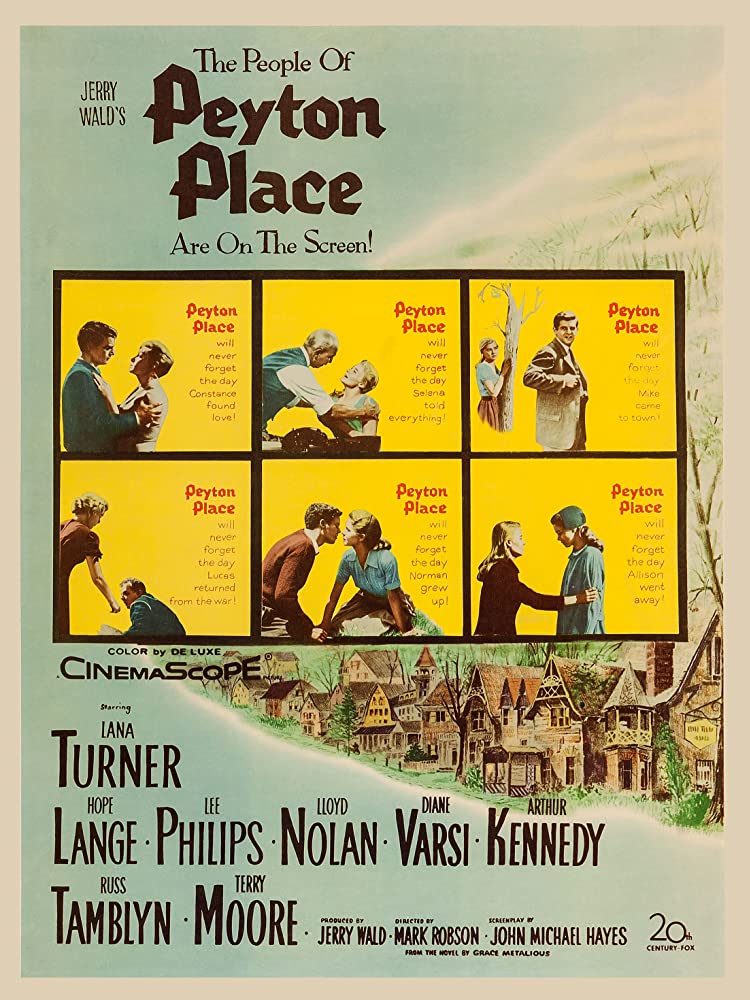
I pulled out Peyton Place, by Grace Metalious which I had never read and decided it was the perfect trashy read. Turns out not that trashy after all, actually a well-written exposé on the lives, secrets and lies in a small New England town.

It opens with this vividly painted first line ~~ “Indian summer is like a woman. Ripe, hotly passionate, but fickle, she comes and goes as she pleases so that one is never sure whether she will come at all, nor for how long she will stay.”

I finished Peyton Place over that long weekend and the other evening recalled this wonderful reading experience when I watched the film, which was surprising riveting and wonderfully over-dramatic, in that typical 1950’s campy style.

Not only did the book sell millions of copies when it was first published in 1956, it spawned not one, but two films, and a long-lived television soap opera. Ms. Metalious participated in the early stages of the first film but then when several key plot points were omitted she abandoned the project and openly detested the film — which had nine academy award nominations.

There’s as much drama surrounding the publishing of the book as the book itself — which is covered in the sequel Return to Peyton Place – both in book and film forms. Adding to this drama is that the story behind Peyton Place is based on the true story of 20-year-old Barbara Roberts who, in 1947, shot and killed her father and buried his body in the sheep pen. It all took place in Gilmanton, New Hampshire which is near where I lived back East. The film “Peyton Place” had its premiere in Camden, where many scenes had been shot and is one of Husband and my favorite towns in Maine.

So back to the subject. My ideal reading experience was this one — devouring my friends beat-up paperback copy of Peyton Place – sun hat shading me, feet propped up on the deck railing, and ice tea at hand – over a long weekend at the beach.

sigh…

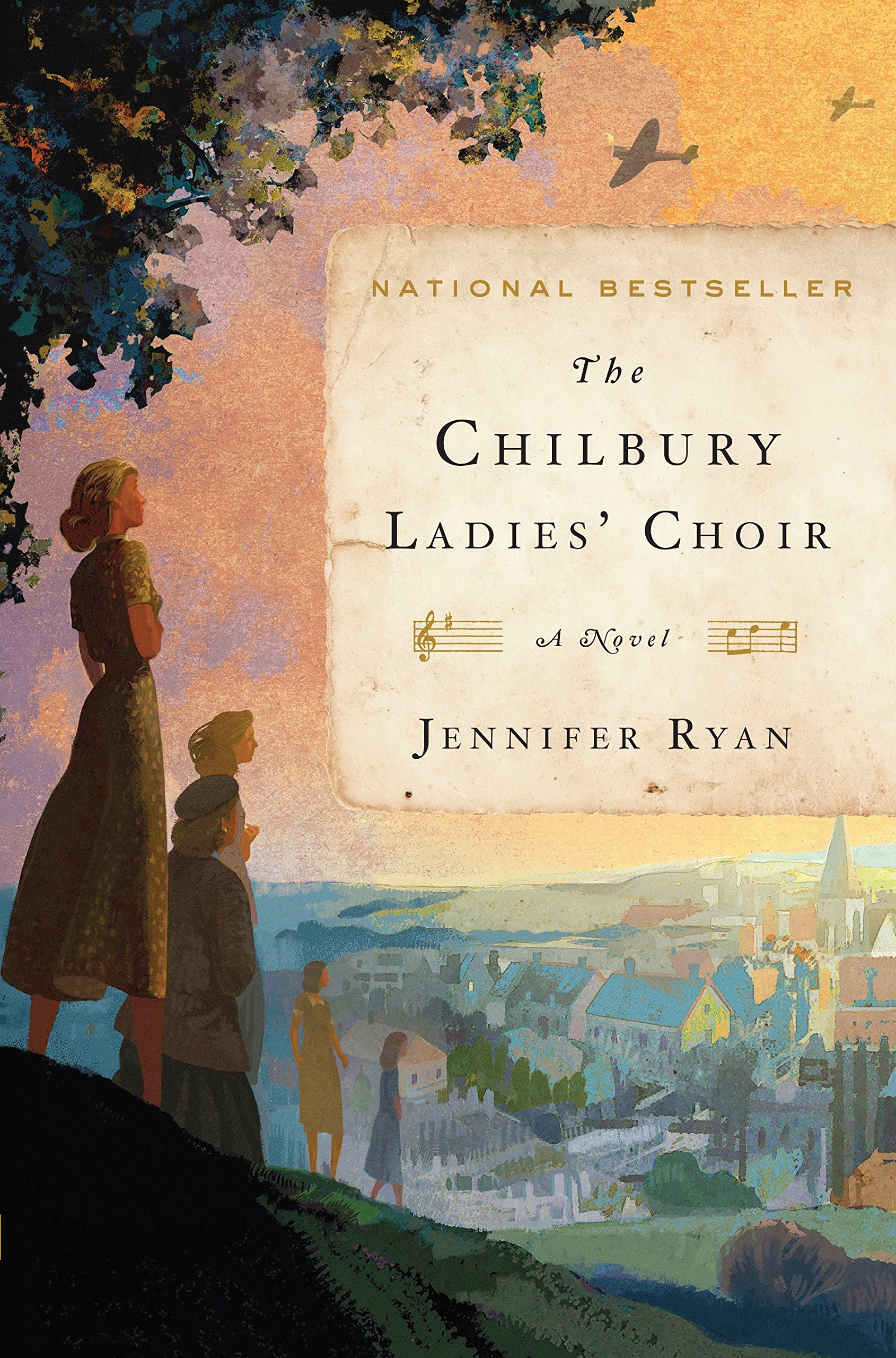
The Chilbury Ladies’ Choir by Jennifer Ryan

Crown Books sent me this book ages ago and I only just remembered it when I just received Ms. Ryan’s most recent book. I decided I ought to read the first book first. I just finished it the other night and so, with apologies for the late review, here are my thoughts on The Chilbury Ladies Choir.

The story takes place in Britain in 1940. Most of the men in the village of Chilbury have left or are leaving to fight in WWII. The Vicar decides to shut down the village choir due to the lack of male voices, but the women of Chilbury village decide to start their own choir — The Chilbury Ladies Choir.

These choir members make up an memorable cast of characters : a widow devastated when her only son goes to fight; the older daughter of a local scion drawn to a mysterious artist; her younger sister pining over an impossible crush; a Jewish refugee from Czechoslovakia hiding a family secret; and a conniving midwife plotting to outrun her seedy past. The choir soon becomes significant, not only for its members, but also for the village — as they practice to enter the regional choir competition.

This story is told in letters and journal entries and through very different points of view we see the hardship, loss and resilience of these women of the Chilbury Choir all dealing with war on the home front. There are some men left in the village, both young and old, who provide the ladies (and this reader) with gossip and entertainment.

This is an engaging book and I found myself invested in the various women and their plights — not to mention the choir competition. I stumbled a bit with some of the letter and diary entries, as they didn’t always ring true – as actual diaries or letters. The descriptive detail felt false in such a form i.e., ‘his fingers toying with his mustache as if it were a battlefield’.

The Chilbury Ladies Choir is unusual and rewarding novel of the lives of a small-town group of women facing the trials of WWI Britain.

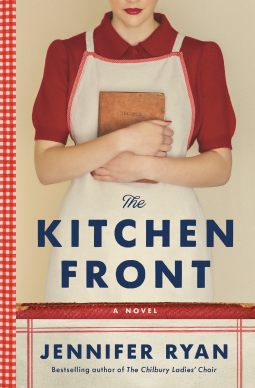
Now I can start Ms. Ryan’s newest WWI novel.

Thanks to my dear and patient 20-something friends – you can now follow me on Instagram. Just scroll down and click on the Instagram link in the lower right.

@bookbarmy #chilburyladieschoir #jennifer_ryan_author

Turns out all those hashtags you see everywhere actually mean something.

A digital review copy was kindly provided by Crown Books #crownbooks via NetGalley.

Look for Masterpiece Theater Sunday Night

Us by David Nicholls was a surprise favorite read a few years ago. You can read my full review HERE.

Douglas and Connie, a British couple have planned a vacation through Europe, but it’s nearly called off when Connie wakes up and says “I think I want to leave you.” 

Douglas forges ahead and cajoles his wife to enjoy one last hurrah with their teenage son, who is soon off to college.   And thus begins a bittersweet and awkward journey through Europe. 

These are real and familiar characters; especially the befuddled Douglas, certain he can fix something unfixable if only he applied enough logic, pragmatism, and unfailing optimism. Everything that can go wrong on a trip – does. I found Us, the novel, both funny and touching.

This Sunday, PBS Masterpiece is starting a series based on the novel and the preview looks promising. I have it marked to watch. The scenery alone will be worth it for me, as I’m starved for Europe. Maybe you’ll want to watch as well. Masterpiece Theater, Sunday night 9PM (USA).

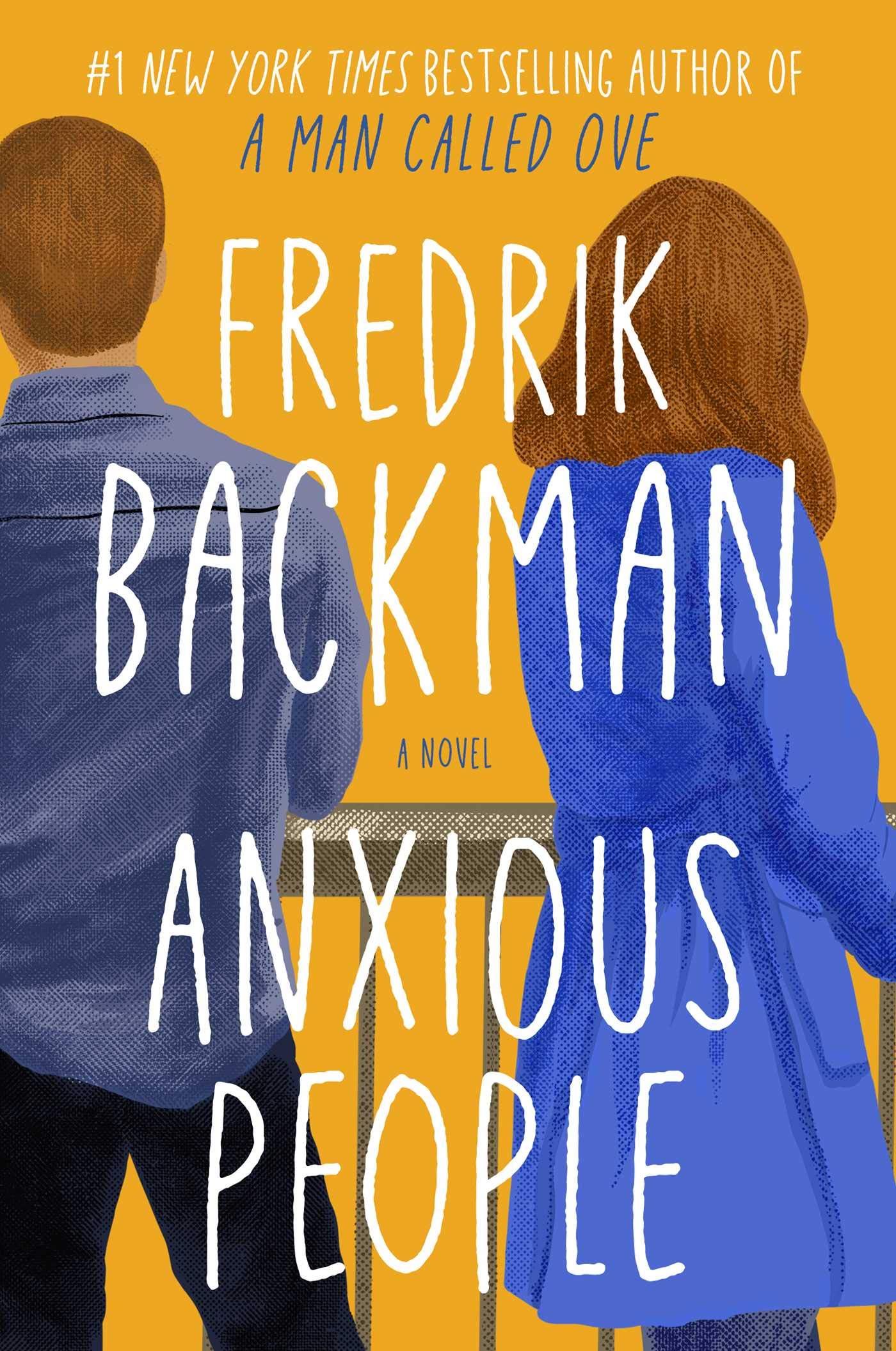
Anxious People by Fredrik Backman

I was delighted by A Man Called Ove, both the book and the film. Since then, I’ve tried some of Mr. Backman’s other books but none were nearly as good. So I opened Anxious People with a bit of dread — please be good, please be good I muttered to myself. (Don’t you talk to your books? I do, as few else listen.)

Now, you should know it has taken me forever to write up my thoughts of this widely popular and best-selling novel.

You see, I had trouble with Anxious People, yet enjoyed much of it. The plot is crazy, but the characters are wonderfully flawed and complex. It leaps all over the place in time, and yet comes together in the end — so I have no clear opinion on this book. I’ll do my best to give you an overview and let you decide whether to try this wacky tale.

From the book’s publicity:

Looking at real estate isn’t usually a life-or-death situation, but an apartment open house becomes just that when a failed bank robber bursts in and takes a group of strangers hostage. The captives include a recently retired couple who relentlessly hunt down fixer-uppers to avoid the painful truth that they can’t fix their own marriage. There’s a wealthy bank director who has been too busy to care about anyone else and a young couple who are about to have their first child but can’t seem to agree on anything, from where they want to live to how they met in the first place. Add to the mix an eighty-seven-year-old woman who has lived long enough not to be afraid of someone waving a gun in her face, a flustered but still-ready-to-make-a-deal real estate agent, and a mystery man who has locked himself in the apartment’s only bathroom, and you’ve got the worst group of hostages in the world.

The police aren’t having a good day either. Father and son officers, Jim the old hand and Jack preferring modern methods, make up most of the small police force in their small town. They’re not used to bank robbers or handling hostage situations.

_____________________________________________

Anxious People immediately plunges the reader into this preposterous event told from multiple points of view. This makes for a complex start, and at first, everyone and everything was disjointed. There are many characters — each with their own stories.

During the first 100 pages, I wondered where this story was going — and if I would continue reading — but soon it started to come together. The somewhat stereotypical characters soon emerge as much more. These characters, although wonderfully developed, are for the most part idiots — but amusing idiots.

And here’s what Mr. Backman says about idiots — this definition applies to pretty much all of us —

“This story is about a lot of things, but mostly about idiots. So it needs saying from the outset that it’s always very easy to declare that other people are idiots, but only if you forget how idiotically difficult being human is.”

Anxious People jumps around in the timeline and swerves off on a lot of tangents, but it all makes sense in the end and all those little tangents soon become important. It was at times funny, at times sad, but for me, the best part was how it handled difficult topics in a way that was deservedly serious and yet lighthearted.

I found it was worth working through some of the convolution just for the some of the wisdom alone. I’ll give you a few samples of Mr. Backman’s insights:

“Because the terrible thing about becoming an adult is being forced to realize that absolutely nobody cares about us, we have to deal with everything ourselves now, find out how the whole world works. Work and pay bills, use dental floss and get to meetings on time, stand in line and fill out forms, come to grips with cables and put furniture together, change tires on the car and charge the phone and switch the coffee machine off and not forget to sign the kids up for swimming lessons. We open our eyes in the morning and life is just waiting to tip a fresh avalanche of “Don’t Forget!”s and “Remember!”s over us. We don’t have time to think or breathe, we just wake up and start digging through the heap, because there will be another one dumped on us tomorrow. We look around occasionally, at our place of work or at parents’ meetings or out in the street, and realize with horror that everyone else seems to know exactly what they’re doing. We’re the only ones who have to pretend. Everyone else can afford stuff and has a handle on other stuff and enough energy to deal with even more stuff. And everyone else’s children can swim.”

And then there is this one which spoke to me:

“The truth, of course, is that if people really were as happy as they look on the Internet, they wouldn’t spend so much damn time on the Internet, because no one who’s having a really good day spends half of it taking pictures of themselves. Anyone can nurture a myth about their life if they have enough manure, so if the grass looks greener on the other side of the fence, that’s probably because it’s full of shit. Not that that really makes much difference, because now we’ve learned that every day needs to be special. Every day.”

And here the author speaks to anxiety – this quote deserves reading more than once.

“One of the most human things about anxiety is that we try to cure chaos with chaos. Someone who has got themselves into a catastrophic situation rarely retreats from it, we’re far more inclined to carry on even faster. We’ve created lives where we can watch other people crash into the wall but still hope that somehow we’re going to pass straight through it. The closer we get, the more confidently we believe that some unlikely solution is miraculously going to save us, while everyone watching us is just waiting for the crash.”

So perhaps this is a story about a hostage situation, filled with anxious people. Or perhaps this is a tale of idiots stuck in an apartment. Or maybe it’s about a bungled police investigation. And then there’s the bridge…

But I have come to the long awaited conclusion that Anxious People is all about human relationships, of which Mr. Backman is a master. I laughed, I sighed, and I often savored the writing – re-reading many passages. There is wisdom sprinkled throughout the narrative.

Anxious People is not an easy read – it takes some letting yourself just “go with the flow” of this screwball novel and its anxious, idiotic — yet fascinating characters.

I’ll leave you with one last conversation:

So Zara asked, without any sarcasm, “Have you learned any theories about why people behave like that, then?”

“Hundreds,” The psychologist smiled.

“Which one do you believe?”

“I believe the one that says that if you do it for long enough, it can become impossible to tell the difference between flying and falling.”

Trigger warning: This novel deals with suicide and attempted suicide.


A digital review copy was kindly provided by Atria Books via NetGalley


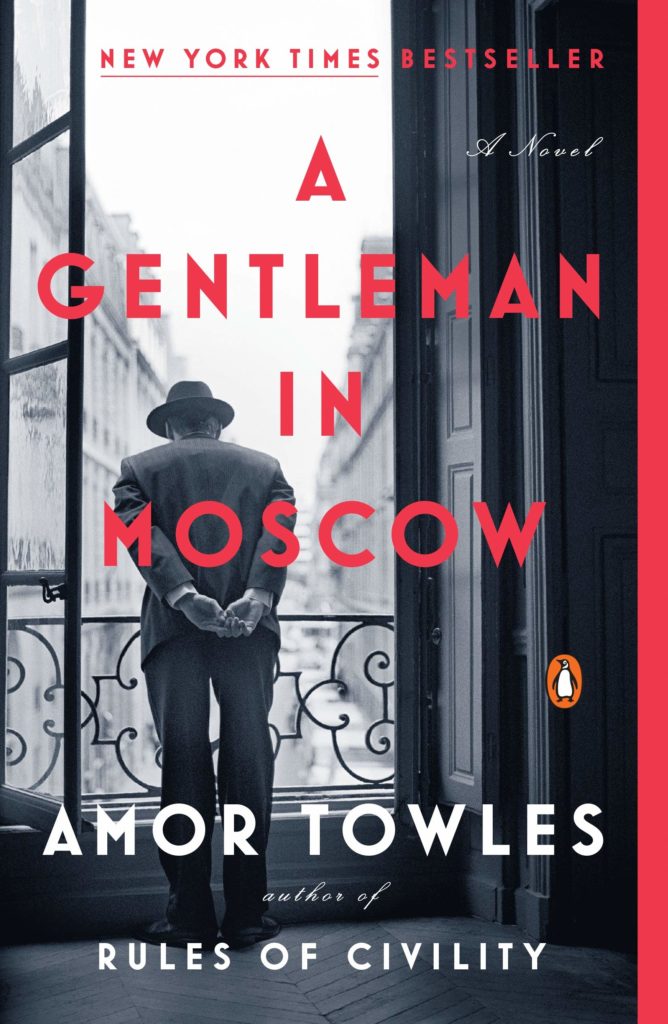
A Gentlemen in Moscow by Armor Towles

And now the ‘miss’ ~~

When we first entered this strange phase of our lives, I roamed my bookshelves – picking out books and planning my reading list for the duration. A Gentlemen in Moscow seemed like the perfect book — given we were all entering what appeared to be our own sort of house arrest.

In 1922, Count Alexander Rostov aged 33, is brought before a Bolshevik tribunal in Moscow. He is charged with being an unapologetic aristocrat — but because of his charm, and a carefully recited poem — instead of death, he is condemned to lifetime house arrest in his current place of residence: the Metropol Hotel. Removed from his suite and banished to a tiny room in the attic, the Count finds his material circumstances have been much reduced, but he faces his change in fortune philosophically.

The novel starts in a somewhat breezy style as we are introduced to the varied characters that move in and out of Rostov’s life as he is sequestered in the grand hotel. There’s a famous model, an overly bright little girl, and an officious general manager. I chuckled along as the Count’s days are spent anticipating his meals in the restaurant, laboriously making his way through The Essays of Montaigne, or anticipating his weekly haircut appointment.

It was initially charming to read about the Count’s interest in a bouillabaisse recipe, his fascination with wine, and his philosophical observations on the parade of people populating the hotel. But then, about two-thirds of the way through A Gentleman in Moscow, I realized that is all this book is about.

Don’t get me wrong, Mr. Towles is an excellent writer, there are some lovely passages which made me sigh with pleasure and re-read:

For what matters in life is not whether we receive a round of applause; what matters is whether we have the courage to venture forth despite the uncertainty of acclaim.

On those we love:
Every year that passed, it seemed a little more of her had slipped away; and I began to fear that one day I would come to forget her altogether. But the truth is: No matter how much time passes, those we have loved never slip away from us entirely.

Mr. Towles focuses almost entirely on the charming life of the Count locked in his grand Moscow hotel. I, however, kept wondering about what was unfolding outside the hotel’s doors. What about the tumultuous decades in Russian history? The plight of millions of Russians starving and being put to death by the Stalinist regime, not to mention two World Wars. That is the author’s choice, and I respect that, but this reader would have liked more historical reference. But that would have perhaps required a plot — and A Gentleman in Moscow is not a plot driven book – this is a lumbering (462 pages) character study about a character that I just didn’t find that interesting.

I put the book down, feeling like I, too, was imprisoned in the Hotel Metropol. Its premise held great promise, but it didn’t hold my attention. In a word, I got bored. My hair literally went gray waiting for something to happen (no recent hair appointments, not withstanding) ~~ reader, I gave up.

Annalisa Quinn’s review on NPR sums it up best:

“A Gentleman in Moscow is like a quipping, suavely charming dinner companion that you are also a little relieved to escape at the end of the meal.”

Other readers, whom I respect, have told me the novel is worth it for the ending alone – so I may start it up again – or (ssshhhh) jump to the last few chapters. Who knows? If I change my mind about A Gentleman in Moscow, I’ll be sure to let you know.

Until then, I’m going to find something to read where something actually happens.