-
Library Haul
The San Francisco Library allows users to request books, and when they become available, they are delivered to your closest branch library. My local branch is a short walk away so it’s wildly convenient. This time, when three hold items all came in at once, I was momentarily overwhelmed but pleased.
So here’s my haul:
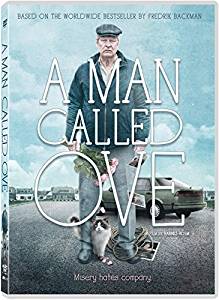
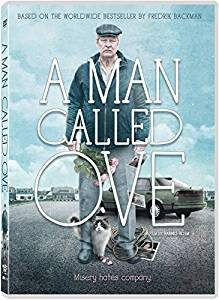 A Man Called Ove (DVD)
Based on the book which I read and highly enjoyed, this film is in Swedish with English subtitles.
The film stayed very true to the book and the casting is wonderful. Rolf Lassgard’s portrayal of Ove is perfection. Even the housing development was exactly how I pictured it.
This is a heartwarming movie. Funny, sad, and loving. I recommend you read the book first, then watch this delightful film. Even Husband enjoyed it, despite the absence of guns and things blowing up.
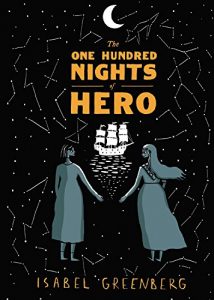
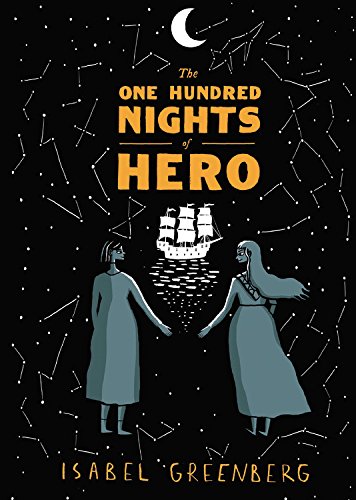
The One Hundred Nights of Hero by Isabel Greenberg
This graphic novel was named a best book of 2016 by both NPR and Publishers Weekly, and I’d read about it on several blogs. I placed my library request for One Hundred Nights so long ago, I’d forgotten I’d done so. I opened this book, not remembering anything about it, and was soon down a rabbit hole — lost in a fairy tale. Because that is what this is – a revisionist fairy tale– a feminist retelling of The Arabian Nights.
Like Scheherazade saving her own life by telling tales, in a magical, yet misogynist medieval world, Hero must tell stories every night for 100 nights if she and her true love Cherry are to survive the sexual advances of Cherry’s evil husband and his equally wicked friend.
But it’s a far more intricate puzzle — a story of a story within a story about brave, complicated women and sisters protecting each other, usually from men. It goes deep into the legacy of female bonds and the power of storytelling.
We shall tell all the stories that are never told. Stories about bad husbands and murderous wives and mad gods and mothers and heroes and darkness and friends and sisters and lovers… Yes! And above all… Stories about brave women who don’t take s#*t from anyone.
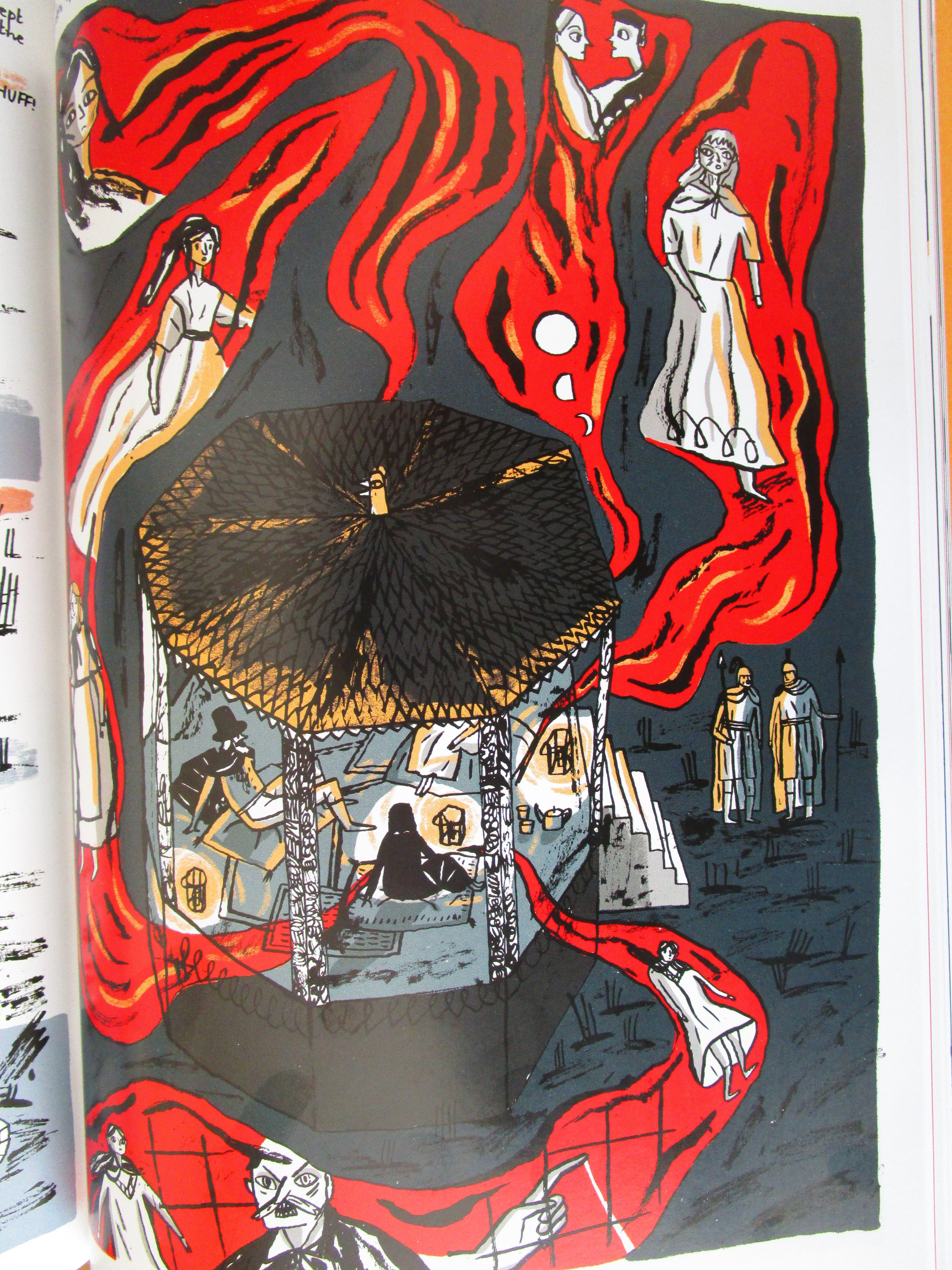
I can’t say I loved this book — I found it charming, yet peculiar. The feminist, lesbian agenda sometimes overwhelmed the often beautiful writing and the fairy tale-like ambiance. And I found the graphics stark and not very fairy-tale-like (if that makes sense…).
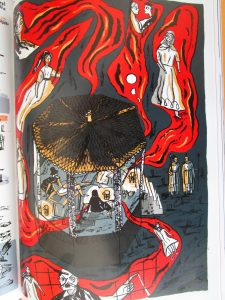
But I will say, the physical experience of reading an oversize graphic novel, in a non-linear way through the story illustrations…brought me right back to being a little girl, lost in the world of a large picture book open on my lap — very, very relaxing.
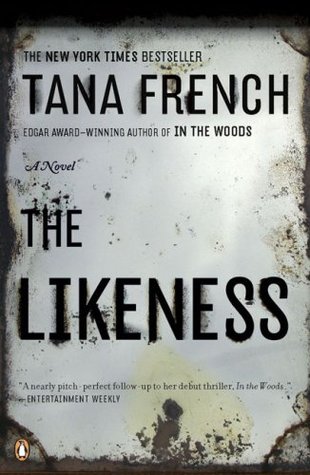
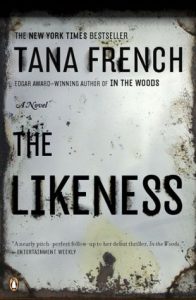 The Likeness by Tana French
Tana French’s thrillers are anything but relaxing, they are gripping, hold-you-by-the throat-and-not-let-you-go reading.
Set after In the Woods, the first book in the Dublin Murder Squad series, this book focuses on detective Cassie Maddox, the best friend of Rob Ryan, the narrator of the first book. In this installment, Cassie narrates, as she is pulled into an old undercover role
A woman is found murdered and she’d been using Cassie’s fake (and discarded) undercover identity of Lexie Madison. To complicate matters, Cassie is a dead-ringer for this this murder victim. Her commander from undercover comes up with a plan — leak to the media that Lexie wasn’t actually dead, but in a coma, and for Cassie to go back into undercover once again as the murdered Lexie to lure the killer to finish the job.
I know – say what? Utterly implausible! But when Ms. French is telling a story, you deferentially suspend disbelief as she takes you on a thoroughly gripping ride.
Cassie/Lexie assumes the persona and has to return to the house she shared with Daniel (who inherited the house), Rafe, Abby and Justin — an insular group of university students who enjoy a close and intense friendship.
As the murder squad investigates the (now revisionist) attempted murder, they confiscate the other housemates phones giving Cassie videos that she relentlessly studies in order to act, talk and “become” the murdered Lexie. Eventually Lexie returns to Whitethorn House having come out of her coma but suffering (convenient) memory loss
It took my breath away, that evening. If you’ve ever dreamed that you walked into your best-loved book or film or TV program, then maybe you’ve got some idea how it felt: things coming alive around you, strange and new and utterly familiar at the same time; the catch in your heartbeat as you move through the rooms that had such a vivid untouchable life in your mind, as your feet actually touch the carpet, as you breathe the air; the odd, secret glow of warmth as these people you’ve been watching for so long, from so far away, open their circle and sweep you into it.
The Likeness excels at its psychological insights especially for Cassie, who in her real life is lonely and shattered from her previous case. She finds friendship — nay, family, among her new Lexie friends. These blurred identities are made believable with the beautifully written scenes and well developed characters who live, love and murder within the walls of Whitethorn House. The setting and moods are almost palpable and glitter with life. But Cassie gets lost inside her assumed identity and finds herself in a maze of murder quickly spinning out of her control. This is breath-holding stuff,
As others have said, there are many similarities to Donna Tart’s A Secret History – both have dreamy academic types living together in a beautiful, run-down house.
But The Likeness makes you feel for Cassie — what she lost and can never regain. The heartbreak of assuming a new identity, being part of a loving family, and finding a home in the world ~~ but in the end, it’s only a likeness.
-
A bit of a time away …
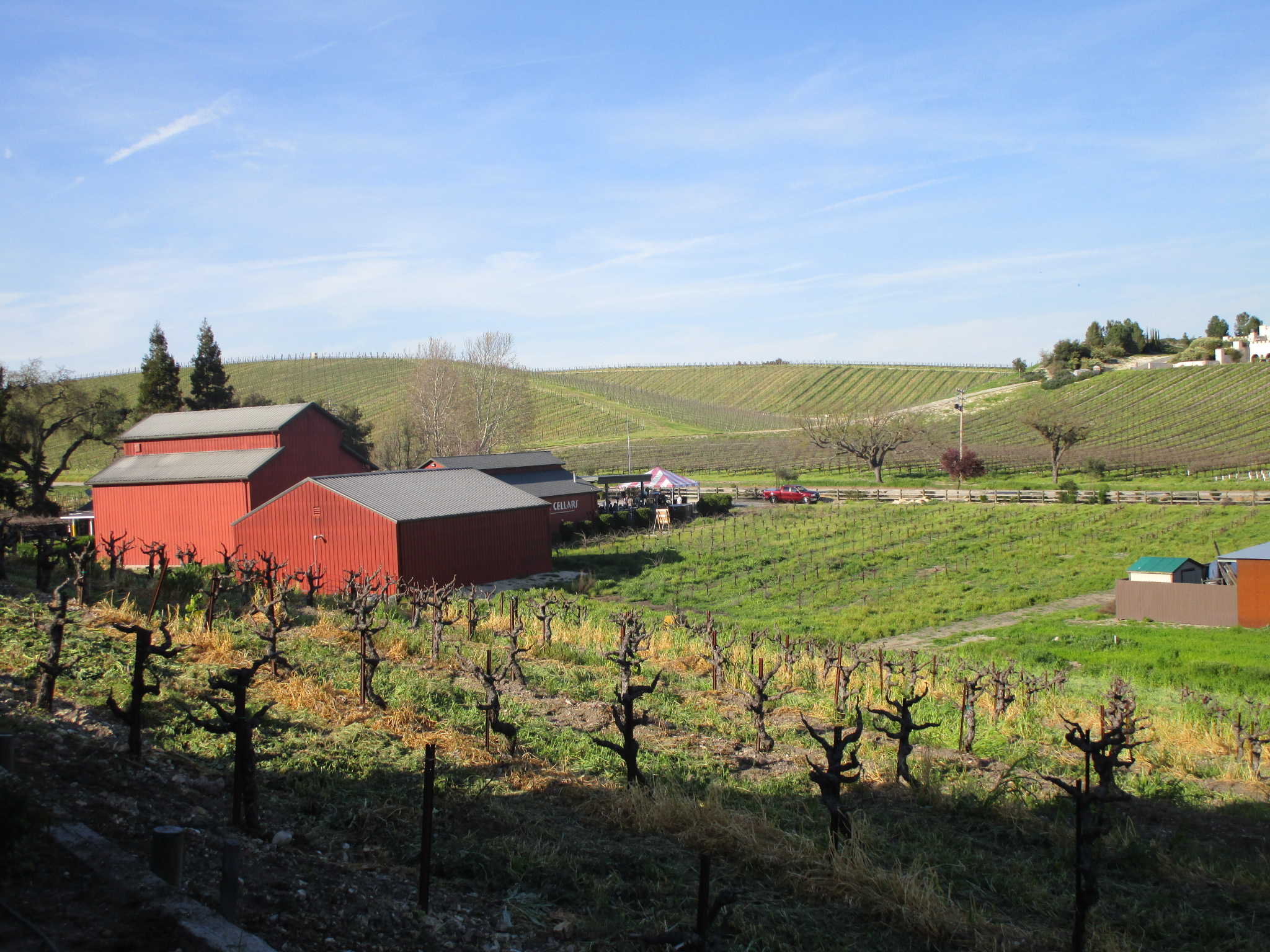
I’ve had a bit of a time away — not far – just down on the central coast of California.
Husband and I went to Paso Robles where the hills were green…

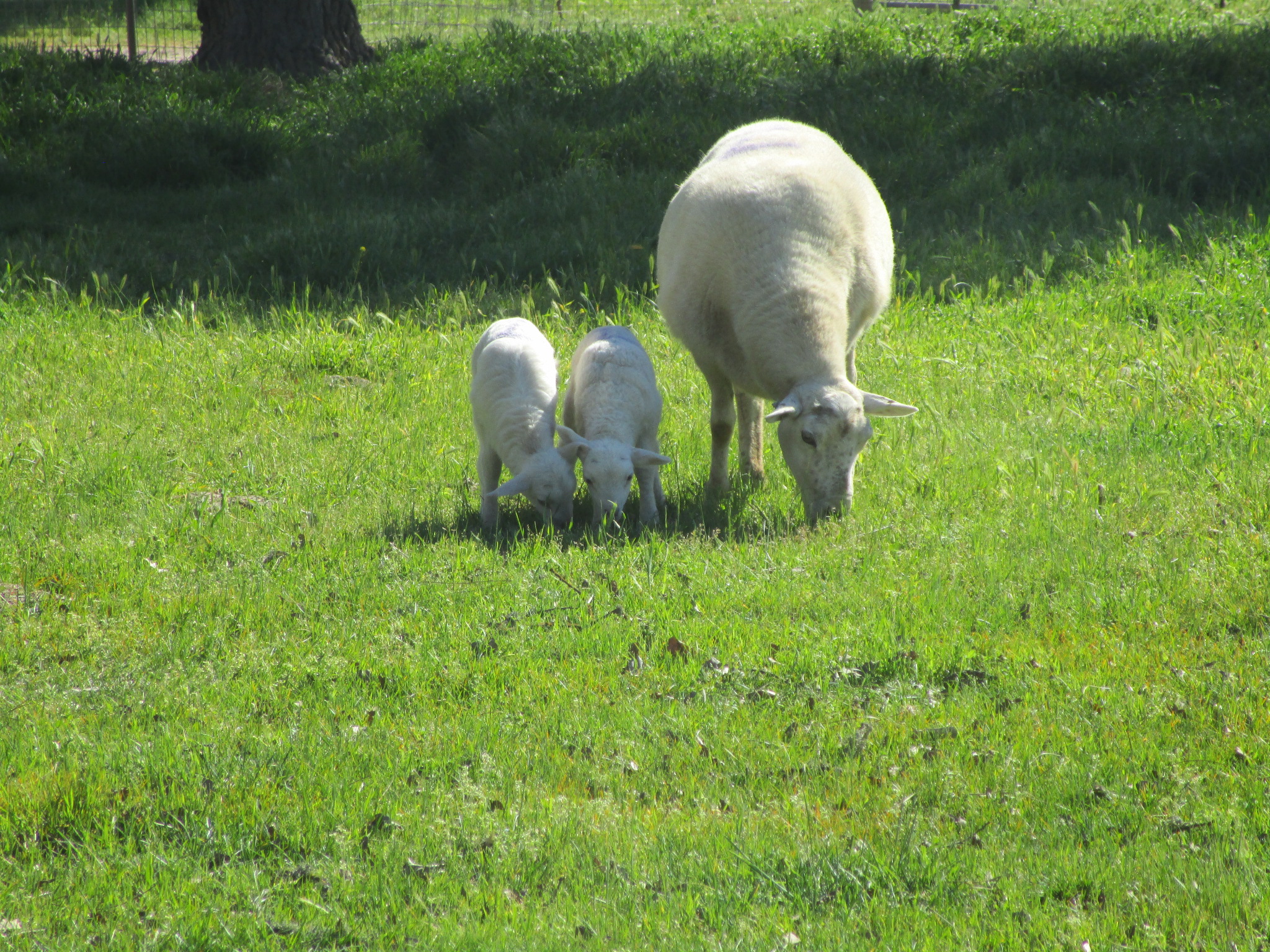
and there were lambs in the fields

wildflowers in bloom

trees in blossom

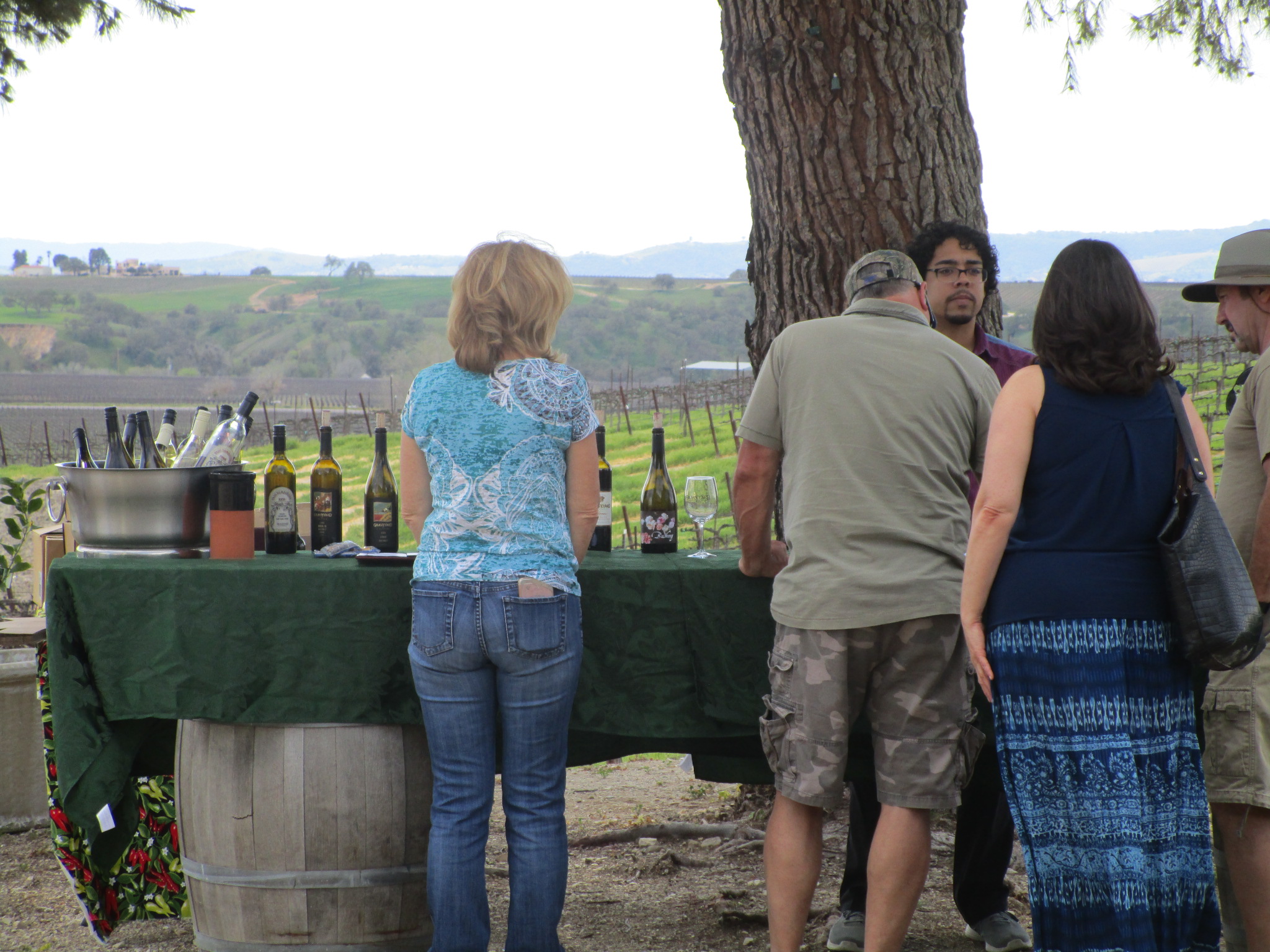
and wine to be sampled – as Paso was celebrating its ZinFest or Zinfandel Festival.
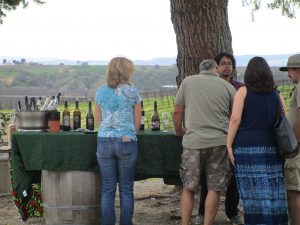
A good time was had by all. I read two books while down there, which when added to my backlog of Book Barmy posts means I must get busy. Lots of books to tell you about…soon.
-
For the Love of Bookshops
Just as I am drawn to books about books, I also can’t pass up a book about bookshops.
Like most bibliophiles, I am physically unable to walk past a bookstore of any sort. Even when traveling, where the books are in another language, where there’s nothing I can comprehend, I still have to wander into the bookshops. Just to look around and breathe the smell of books. (Husband is the same way with hardware stores – and yes, I tolerantly tag along. But, between you and me, how many drill bits can one guy use? Whoops, better not go there, looking around at the results of my own book
addictionhabit)
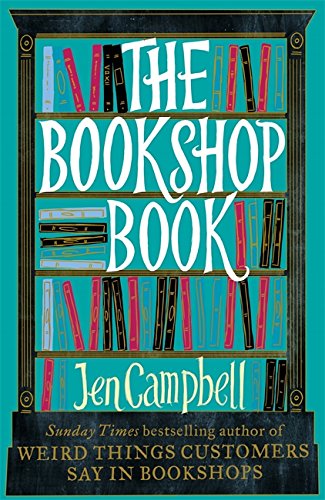
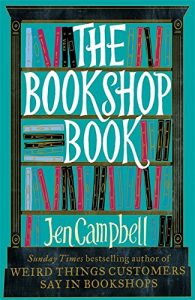
A friend brought The Bookshop Book back from a trip to the U.K. and passed it on to me as a Christmas gift. This sexy British publication has been sitting next to my reading chair even since, enticing me –whispering in my ear. So the other night I finally succumbed.
 Jen Campbell is a British poet, author and book reviewer, who has a wonderful video blog on YouTube where she talks about her favorite books.
 I’ve become rather addicted to seeing my favorite book bloggers on their video blogs (Vlogs). Simon has done the same here. Don’t hold your breath, Book Barmy will stay as is. The world is not ready for videos with my mug yacking on about books. Nor am I, I’d have to fix my crazy hair, do something involving makeup and don a video worthy shirt.
But I digress – back to The Bookshop Book, how could I resist its siren call after reading this from the book’s front flap?:
Every bookshop has a story.
We’re not talking about rooms that are just full of books. We’re talking about bookshops in barns, disused factories, converted churches and underground car parks. Bookshops on boats, on buses, and in old run-down train stations. Fold-out bookshops, undercover bookshops, this-is-the-best-place-I’ve-ever-been-to-bookshops.
Meet Sarah and her Book Barge sailing across the sea to France. Meet Sebastien, in Mongolia, who sells books to herders of the Altai mountains. Meet the bookshop in Canada that’s invented the world’s first antiquarian book vending machine.
And that’s just the beginning.
From the oldest bookshop in the world, to the smallest you could imagine, The Bookshop Book examines the history of books, talks to authors about their favourite places, and looks at over three hundred weirdly wonderful bookshops across six continents (sadly, we’ve yet to build a bookshop down in the South Pole).
The Bookshop Book is a love letter to bookshops profiling the famous, such as Shakespeare and Company in Paris and Powell’s in Portland, Oregon, but also some smaller, lesser know shops around the world.
Ms. Campbell also profiles many of the bookshop owners, whom prove to be a wonderfully diverse and quirky lot — many of whom I would love to share a cup of tea and a chat. Authors talk about their favorite bookstores and there’s little snippets of interesting bookish facts.
It was most encouraging to learn that, in this digital age, bookshops around the world continue to survive and in many cases, thrive.
This book had me at hello.
Ms. Campbell is also the author of these two fun books:
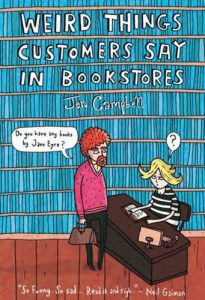
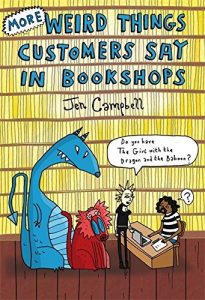
These books have a special place in my heart as I work/volunteer at the wonderful Readers Bookstore. Working in the store proves to be one of my favorite things, largely because of the customers who come in searching for their next book. Often they have a book in mind, but can’t remember the title or even the author, but try and describe it based on what they do know about the book. “It’s about a man who lived with elephants for a year”…or, “you know it’s on the bestseller list, about a crocodile?”

It’s always a challenge and a delightful victory to finally figure out what book they mean.
Ms. Campbell also worked at in a bookshop for many years and turned these often bazaar conversations into two very funny, quickly readable, books.
Both Weird Things Customers Say in Bookstores books celebrate not only bookstores, but the underpaid yet dedicated booksellers who lovingly help the myriad of colorful characters who walk through their doors everyday.
I will now quote from the books, but this is only a small taste of the very fun you’ll have reading these cheerful books:
~~~~~~~~~~~
CUSTOMER: Did Charles Dickens ever write anything fun?
~~~~~~~~~~~~
CUSTOMER: Doesn’t it bother you, being surrounded by books all day? I think I’d be paranoid they were all going to jump off the shelves and kill me.
~~~~~~~~~~~~
CUSTOMER: Do you have a copy of Jane Eyre?
BOOKSELLER: Actually, I just sold that this morning, sorry!
CUSTOMER: Oh. Have you read it?
BOOKSELLER: Yes, it’s one of my favourite books.
CUSTOMER: Oh, great (sits down beside bookseller). Could you tell me all about it? I have to write an essay on it by tomorrow.
~~~~~~~~~~~~
CUSTOMER: Hi, I just wanted to ask: did Anne Frank ever write a sequel?
~~~~~~~~~~~~
CUSTOMER: (an elderly woman) I can’t believe everybody’s reading this Fifty Shades book
BOOKSELLER: I know. I take it it isn’t your cup of tea, then?
CUSTOMER: Oh, no dear; been there, done that – no need to read about it!~~~~~~~~~~~
CUSTOMER: I read a book in the sixties. I don’t remember the author, or the title. But it was green, and it made me laugh. Do you know which one I mean?”
~~~~~~~~~~~~
CUSTOMER: (holding up a book): What’s this? The Secret Garden? Well, it’s not so secret now, is it, since they bloody well wrote a book about it!
~~~~~~~~~~~~
(I’ve been getting versions of this question a great deal lately…)
CUSTOMER: I really don’t like the planet today – can you recommend a book set far, far away?
~~~~~~~~~~~~~
(with this, I happen to agree…)
CUSTOMER: It makes me sad that grown up books don’t have pictures in them. You’re brought up with them when you’re younger, and then suddenly they’re all taken away
~~~~~~~~~~~~~
(and a personal favorite…)
MOTHER: If you want to buy a book you’ll have to use your own money. I’ve bought you enough books already!
DAUGHTER: But I’ve read all those books!
MOTHER: Well then, you should learn to read slower!
Nice dedication by Ms. Campbell for the second book:
For bookshop customers, booksellers, librarians, bookworms, book-hoarders, bookworms and librocubicularists (those who like to read in bed).
You’re in for a treat with any of Ms. Campbell’s bookshop books.
 And, now a fond good night to my fellow librocubicularists out there.
-
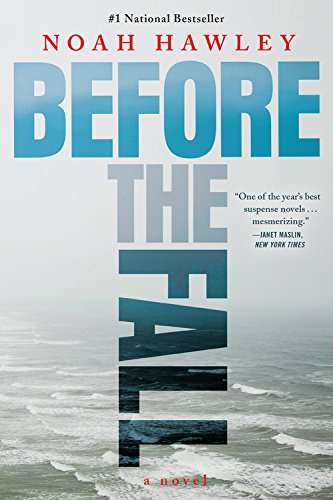
Before the Fall by Noah Hawley
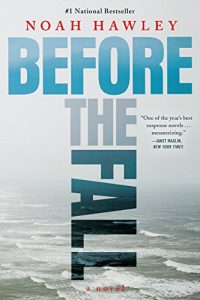
The Book Barmy reading list has adapted to the past couple of months of endless rain and a bout with the flu. I gravitated toward thrillers, wanting plot driven, hold your attention type escapism – as if I were on a long, mind-numbing plane trip
As with Dark Matter, Mr. Hawley, the author of Before the Fall is an award winning television writer, most famous for the strange but compelling series Fargo, so I hoped I was in for gripping story line.
Before the Fall bit me hard from the start and didn’t let go.
A private jet crashes minutes after departing Martha’s Vineyard. Just two passengers survive, an artist and a 4 year old boy. With J.J., the boy in tow secured to a seat cushion, the middle-aged painter Scott Burroughs swims across the ocean to the Long Island shore. Turns out Scott is an accomplished swimmer, inspired as a young boy witnessing Jack LaLane swim from Alcatraz to San Francisco.
The mystery of why the plane crashed is told by weaving together the crash investigation and the survivors aftermath with the backstories of the deceased passengers and crew members. The flight recorder reveals nothing amiss with the plane and it is decided that the crash was due sabotage. A classic locked room mystery, but up in the air. The mystery is unwrapped by revealing each character’s personal history and point of view.
The deceased include a financier facing federal indictment and his clueless wife; the head of a Fox-like cable news network with his wife and child; an Israeli bodyguard haunted by war; a career pilot; a hotshot co-pilot; and a flight attendant in her own life crisis.
In the aftermath of the crash, Mr. Hawley gives center stage to Bill Cunningham the larger-than-life newscaster for the cable news network. He makes the story of the plane crash and the network’s lost leader tabloid news — by asking leading questions, ignoring the facts, assuming the worst, and using illegal means to get information.
It was fascinating to see how the news was no longer the facts of what happened, it became a “story” presented to make the headlines and grab audience numbers. I cringed as Cunningham digs into the personal life of the hero, Scott Burroughs, using a hacker to monitor his private activities, which Cunningham then announces in his news broadcasts.
All this a thinly veiled, yet very relevant stab at tabloid media and Fox news
Cunningham was the angry white man people invited into their living rooms to call bullshit at the world . . . who told us what we wanted to hear, which was that the reason we were losing out in life was not that we were losers, but that someone was reaching into our pockets, our companies, our country and taking what was rightfully ours.
[He appealed to] the people who had been searching their whole lives for someone to say out loud what they’d always felt in their hearts.
Just when the mystery of the downed plane seems connected to the corrupt financier, or perhaps the mysterious bodyguard — no no, it must be connected to the news network somehow– the story line shifts to the characters’ blurred boundaries and questionable pasts. The characters, are after all, just humans – fraught with guilt, frailties, and unresolved resentments.
In the end, it’s not money or power, but human vulnerabilities which drive our actions.
Before the Fall reads like a film — it was a fast paced, entertaining and exciting thriller. And what do you know? Sony Pictures has acquired the rights to the story.
A digital advanced readers copy was provided by Grand Central Publishing via Netgalley.
-
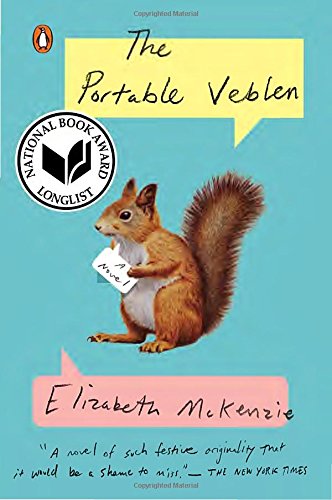
The Portable Veblen by Elizabeth McKenzie
 The Portable Veblen was a National Book Award nominee, a Bailey’s prize finalist and talked about on NPR. I found I had an advance copy — and gave it try…especially after reading the book’s publicity blurbs.
“A delightfully cockeyed love story that enfolds two splendidly dysfunctional families and a winningly persistent squirrel.”
“No matter how many novels you’ve read, it’s safe to say you’ve never read a novel like The Portable Veblen.”
The main character, Veblen Amundsen-Howda was named after Thorstein Veblen, an early twentieth century economist who despised corporations, materialism, and the consumer class – a sort of Norwegian Henry Thoureau.
Okay, once I had that figured out, I carried on reading.
Our Veblen is plagued by a hypochondriac, verbally abusive mother. Her father is in a mental institution. There’s a stepfather who suffers from PTS. And Veblen herself has a bizarre obsession with squirrels. She talks to squirrels, convinced they’re the only ones who care and understand her life situation.
A few more chapters and we discover that Veblen bites her own arm in times of stress, there’s a strangulation attempt, and the final straw — attempted humor around the abuse of a disabled child.
Had there been a fire in the fireplace I would have burned the thing* — so instead I threw The Portable Veblen on the floor in disgust.
I was forewarned that there would be family dysfunction – (see the blurbs above)…
But these characters go beyond dysfunctional — they are nasty pieces of work and season ticket holders on the crazy train.
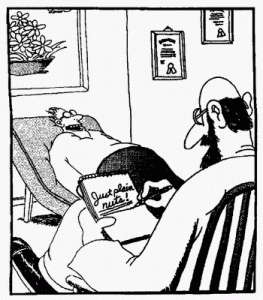
And, my friends, child abuse is never, ever funny.
* When I was a little girl, there was a famous incident in which, disgusted with what he was reading, my grandfather threw the errant book across the room into the fireplace.
Had we had a fire that evening —
I Would Have Done The Same.
-
Deborah Crombie
Did you ever have one of those evenings? It’s already dark, it’s raining, and you’re cozy, cuddled into your favorite chair, slippers on,– hunkered down for the night.
The last thing you want to do it go out, but…you have something you really want to see, a thing you really want to do. So back and forth you argue with yourself ~~ should I go or should I stay?
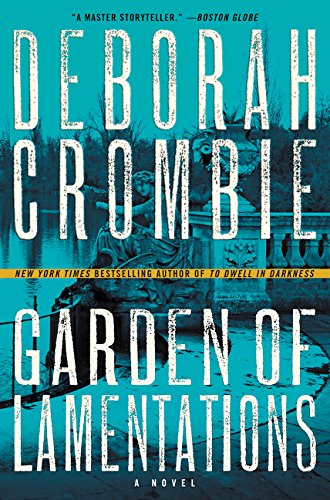
Tuesday night, my neighborhood independent bookstore was hosting a talk by Deborah Crombie. She was promoting her newest book, Garden of Lamentations, which I loved.
So I pulled myself together, put on some decent clothes, my raincoat and boots. Made myself a travel mug of tea and ventured out in the storm.
So glad I did.
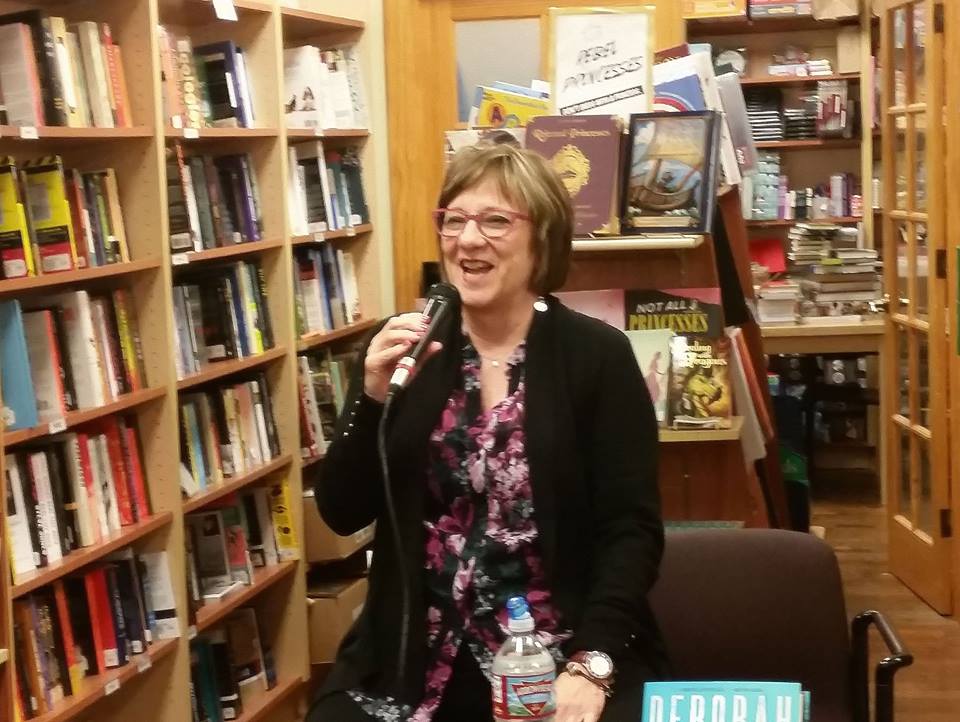
Ms. Crombie was very open and funny. She’s a native Texan and she told how she unexpectedly fell in love with England – especially London, how on a trip to England, she stumbled into a place that would make a perfect setting for a mystery. Then, in a lovely self-depreciating manner, she described how she taught herself to write mystery novels by deconstructing her most admired British authors — P.D. James, Reginald Hill and Dorthy Sayers.
Ms. Crombie glossed over what must have been really hard work — long hours of writing through many drafts, author tutorials, writer workshops, university courses, and endless networking — other wannabe writers throw in the towel at even half this workload.
I came away with a signed book for a fellow Crombie fan/friend and a resolution to read Dorothy Sayers and Reginald Hill– whom, somehow, I’ve never read.
A very nice evening – and to think I almost stayed home in my slippers.
-
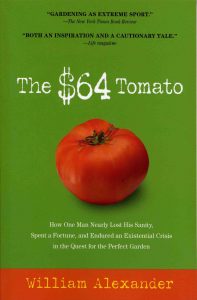
The $64 Tomato by William Alexander
 I’ve been perusing seed catalogs for our four little vegetable beds. Despite our summer fog, our little garden gives us fresh lettuce, peas, greens and herbs most of the year. Once we get our first taste of our own garden salad made from heirloom lettuces and organic herbs, we decide it’s all worth it. Be damned the slugs, the mold from the fog, the time, effort and mostly the cost.
So, with visions of fresh peas and lettuce dancing in my head, I picked up this slim little book, sitting on my shelf for years now. The $64 Tomato is for gardeners and wannabe gardeners alike — and the subtitle says it all:
How One Man Nearly Lost His Sanity, Spent a Fortune, and Endured an Existential Crisis in the Quest for the Perfect Garden
This is a unvarnished, honest look at what it means to maintain a garden when everything seems against you, and your dreams and plans vastly outrun the available time. But, like all hopeful gardeners, Mr. Alexander gamely plows ahead. (pun intended, couldn’t resist — I’m here all week, tip your waitress)
I laughed my way through this quirky memoir, reading about Mr. Alexander’s 2,000 sq. foot Hudson Valley vegetable garden, a fruit tree orchard and even his attempts to recreate a Swiss-style wildflower meadow on the property.
There’s a spooky handyman who bears a striking resemblance to Christopher Walken, a crew of exasperating contractors, and a menagerie of groundhogs, deer, Japanese beetles and crop destroying worms. These pests, both insect and mammal, defy Mr. Alexander at every turn. They come, they see his garden, and they conquer. His efforts to eradicate those pests (and yes, eradicate means exactly what you think) involve a mean 6,000-volt electric fence (really?) and harken back to that male-favorite film Caddyshack.
But throughout, we do see that Mr. Alexander does actually recognize the joy from his efforts:
Gardening is, by its very nature, an expression of the triumph of optimism over experience.
You gotta feel for this guy, there are the vacations that had to be planned around the harvest, the near electrocution of the tree man, the limitations of his middle-aged body, and the judgment of his wife and kids.
Mr. Alexander’s cost-benefit analysis included every cost — from seed ordered by the pound, to the live animal traps and then amortizing it over the entire life of his garden — results in a staggering $64* to grow each of his prized Brandywine tomatoes. (They sound wonderful, nothing like a homegrown tomato – but yes $64 seems extraordinary.)
But as any gardener will tell you, the pleasure of growing fresh food for friends and family — well that’s priceless.
*Another reviewer (obviously an economics major) pointed out that Mr. Alexander puts the entire costs of his garden on the poor tomato. This reviewer suggested he should have evaluated all crops at market value, taken that number and subtracted it from total expenditures, and then use the difference as a percentage of total expenditures to be applied as a markup percentage to the market value of the Brandywines equally with other crops.
In other words — don’t blame the tomato.
Mr. Alexander has also written several other books…all revealing his obsessive tendencies. I plan on reading both of these next:
52 Loaves in which our hero attempts to recreate a perfect loaf of bread from scratch: growing, harvesting, winnowing, threshing, and milling his own wheat, and
Flirting with French: How a Language Charmed Me, Seduced Me, and Nearly Broke My Heart. Mr. Alexander’s struggle to master a foreign language after age 50.
I like this guy, he’s my sort of geek, obsessive yet funny — outlandish, yet self depreciating. I would love to chat an afternoon away with him – preferably in the garden.
So, Mr. Alexander, if you’re reading this, you have an open invitation to stop by for a cup of coffee — or perhaps a salad — you can bring the tomatoes.
-
Happy Valentine’s

-
Garden of Lamentations by Deborah Crombie
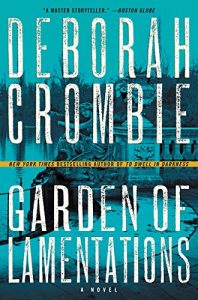
You’ll want to plan a stop at your local independent bookstore on your way home, because Garden of Lamentations, Deborah Crombie’s latest mystery novel, is out today. Trust me on this one, have I ever steered you wrong?
As you know from THIS POST, I am a big fan of Ms. Crombie’s work. However, we have grown despondent here at Book Barmy, it’s been practically three years since the last installment of Ms. Crombie’s mystery novels set in London.
A very long (endless really) time to wait*.
Despite this time apart, upon opening Garden of Lamentations it was like meeting old friends and picking up where you left off. Duncan and Gemma are still in their cozy home with their chaotic, blended family. There are still pets underfoot and their delightful, busy life as parents is once again superimposed with murder and crime.
While things have never been easy for this high-powered police couple, their strong relationship always balances their career stresses. In this 17th installment however, we detect early on there’s an unusual tension between Detective Chief Inspector Kincaid and Detective Inspector Gemma James.
Duncan is secretive and distant as he investigates a series of presumably unrelated cases, involving a long ago undercover group of police, a racial hate killing and continues to try and understand why he was transferred . His investigation uncovers a former commander’s secrets and underlying corruption at highest levels of the Met.
Ms. Crombie’s setting is in Gemma’s and Duncan’s own London neighborhood of Notting Hill. A young nanny is found dead under a bower** and Gemma is called in to investigate this murder in a private locked garden for a block of homes off Kensington Park Road.
If you are not familiar with locked gardens of London, they are open only to the residents backing up and surrounding the garden. These gardens are enjoyed and often maintained by the residents. (Many a time I’ve longingly peeked through the gates of these wonderful London oasis’s.)
 Through multiple viewpoints we follow Gemma and Duncan through their individual cases, but especially with Duncan’s private investigations, I struggled to recall certain events from the previous two novels. But, as I read on, Ms. Crombie excels at weaving her plots together and most of my questions were answered.
It may have helped to revisit Ms. Crombie’s previous two – Sound of Broken Glass (#15) and To Dwell in Darkness (#16).
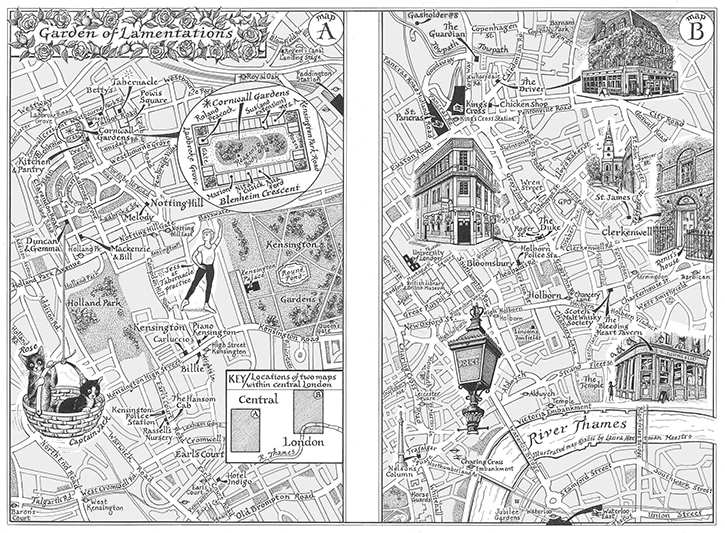
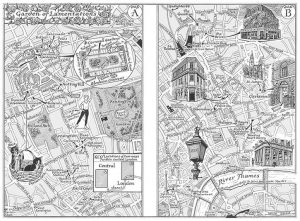
Once again, the flyleaf displays a hand drawn map of the book’s setting. I found myself examining the map to locate the pub where Duncan meets an old colleague or the spot where the local children have dance lessons.
This is one of the best in the series. There’s an engaging cast of Notting Hill neighbors, a locked garden mystery, and residents’ lies and secrets. We see the dark side of undercover police work and the repercussions of blurred lines between civilian and police life. Confessions and duplicity are revealed and some of the past can be put to rest. There is even a hint of a life change for Duncan and Gemma in upcoming installments.
As always, Ms. Crombie gives her readers absorbing mysteries combined with believable characters and fascinating London settings.
Garden of Lamentations was worth the wait.
Many thanks to Harper Collins/William Morrow for the opportunity to enjoy an advanced readers copy.
* I understand during this time there was a new grandchild for Ms. Crombie, which may have cut into her writing time.
** I had to look it up – a bower is a pleasant shady place under trees or climbing plants in a garden or wood.
-
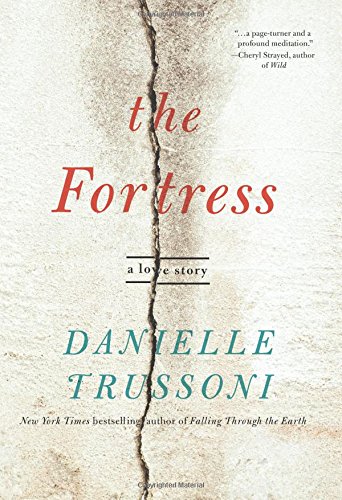
The Fortress by Danielle Trussoni
 I’m busily sorting through my stack of advanced readers copies, which, I’m ashamed to say, have been piling up, unread, some for more than a year. Bad Book Barmy, very bad.
One of my January goals (beyond the annual diet and fitness ones) is to figure out which from the pile I will read and review for you, my loyal readers.
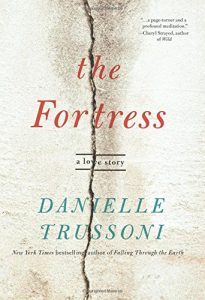
This one, with its lovely cover, ended up coming to bed with me the other night. My little book-reading light (because Husband insists on sleeping) stayed on well past midnight.
At first blush, The Fortress may seem like one of those typical memoirs recounting a romantic adventure of a couple finding, buying and fixing up a rundown French villa ~~ but no, it is so much more. More complicated, deep, and especially, more real.
From the back cover:
From their first meeting, writer Danielle Trussoni is spellbound by a brilliant, mysterious novelist from Bulgaria. The two share a love of music and books and travel, passions that intensify their whirlwind romance. Within months, they are married and embark upon an adventurous life together.
Eight years later, their marriage in trouble, Trussoni and her husband move to the South of France, hoping to save their relationship. They discover Aubais (pronounced obey, as in love, honor and . . . Aubais), a picturesque medieval village in the Languedoc, where they buy a thirteenth-century stone fortress. Aubais is a Mediterranean paradise of sun, sea, and vineyards, but they soon learn the fortress’s secret history of subterranean chambers, Knights Templar, hidden treasure, Nazis, and ghosts. During her years in Aubais, Trussoni’s marriage unravels with terrifying consequences, and she comes to understand that love is never the way we imagine it to be.
In The Fortress, Ms. Trussoni lays bare the consequences of her impulsive life. Her whirlwind romance in Bulgaria and then purchasing a run-down French villa called La Commanderie. Her husband confounds her with lies and he manipulates Ms. Trussoni into doubting her own sanity. But she hangs on to her rose-colored perception of their love. She refuses to give up, continuing to try and help the often cruel and increasingly psychotic Nikolai — trying to fix what is, in reality, a collapsing marriage.
The writing is starkly beautiful and Ms. Trussoni strikes a wonderful balance between both the dark and the beautiful sides of their love, their messy and often glamorous life, and what was versus what is.
We were both extraordinary and wrecked, naive and experienced, brilliant and stupid, our exceptional parts snapping together as seamlessly as the damaged ones.
And this heartbreaking passage when Ms. Trussoni’s mother unearths her hope chest and explains, this was what most young girls born in the 40’s or 50’s did to prepare and dream about their future marriage.
It wasn’t until later that I understood that I did in fact have a hope chest of my own. Not of wood, not locked up and hidden under a stack of quilts, but a hope chest nonetheless, one filled with dreams about my life. I believed in romance and destiny. I believed in love at first sight. I believed that when I found the right person, time would stop and we would be suspended in a state of endless passion. There was no place in my hope chest for disappointment or failure. There was no place for imperfection or broken promises or compromise. And while my hope chest ideas might have had all the trappings of a good romance, they didn’t have the capacity to hold real love.
I gobbled this book, reading it in great gulps — perhaps everything could work out, maybe some sort of redemption for them both. But The Fortress is a stingily true tale of life — real, messy and rough around the edges. Finally, there are legal battles, children’s welfare at stake, anger, tears and a resolution (of sorts).
Rest assured, despite everything, Ms. Trussoni makes it through. And in the end, this is a love story. You’ll have to read The Fortress yourself to discover the happy ending.
An advanced readers copy was provided by Dey Street Books, an imprint of William Morrow.